Tackle
Trump
and
let
him
pretend
he’s
president
and
publicly
report
that
he’s
going
through
a
health
issue,
and
Vance
take
over.
It
literally
needs
to
be
something
like
that.
It’s
that
bad.
—
Robert
Barnes,
the
lawyer
who
represented
conspiracy
theorist
Alex
Jones
in
a
defamation
case
filed
by
the
families
of
Sandy
Hook
Elementary
School
shooting
victims,
in
comments
given
during
an
appearance
on
a
recent
episode
of The
Alex
Jones
Show,
concerning
a
way
to
remove
Donald
Trump
from
office,
outside
of
invoking
the
25th
Amendment.
“You’ve
never
called
for
an
internal
coup
before,”
Jones
said,
to
which
Barnes
replied,
“[T]hat’s
how
dangerous
this
is.
That’s
how
risky
it
is
for
the
whole
world.”
Staci
Zaretsky is
the
managing
editor
of
Above
the
Law,
where
she’s
worked
since
2011.
She’d
love
to
hear
from
you,
so
please
feel
free
to email her
with
any
tips,
questions,
comments,
or
critiques.
You
can
follow
her
on Bluesky, X/Twitter,
and Threads, or
connect
with
her
on LinkedIn.
(Photo
by
Alex
Kormann/The
Minnesota
Star
Tribune
via
Getty
Images)
For
many,
law
school
is
a
safe
stepping
stone
before
they
get
a
job.
But
the
threats
to
liberty
that
ICE
and
DHS
pose
to
students
complicates
that
easy
relationship.
There’s
no
magical
force
field
that
prevents
ICE
from
harming
citizens
and
non-citizens
alike;
Trump
already
scoffed
at
the
idea
of
giving
everyone
they
want
to
deport
due
process
and
ICE
set
the
tone
for
the
year
by
killing
someone
on
New
Year’s
Eve.
Given
the
ongoing
events,
the
last
thing
folks
want
to
see
on
campus
generally
or
at
a
career
fair
specifically
is
one
of
the
“Raise
your
voice
and
I’ll
erase
your
voice”
brigade
hunting
for
new
recruits.
Students
at
Temple’s
Beasley
School
of
Law
are
demanding
that
their
administration
step
up
to
protect
them.
Temple
News
has
coverage:
Sixty
Temple Law students
demanded
measures
to
protect Temple
Law’s students, staff and
faculty from
Immigration
and
Customs
Enforcement
and
to
end
Department
of
Homeland
Security
recruitment
events, in
a
proposal submitted to
admin on
March
25.
“Following
an
escalating
erosion
of
due
process
and
other
constitutional
rights,
we
believe
that
it
is
vital
for
Temple
Law
to
respond
to
the
aggressive
and
violent
immigration
enforcement
that
is
occurring
across
the
country,”
the anonymous students,
who did not identify
as
any
existing
student
groups, wrote in
the
proposal.
The
students
presented
the
demands
to
Interim
Dean Kristen
Murray during a
Coffee
and
Careers
event
on
March
25.
Temple
law
students
aren’t
the
only
ones
pushing
their
administration
to
do
better:
Georgetown,
George
Washington,
and
Harvard
have
pushed
their
administrations
to
be
on
the
right
side
of
history
as
the
institutions
and
career
services
engage
with
ICE.
Temple
students
have
already
seen
some
success.
A
DHS
recruitment
event
back
in
November
was
canceled
after
students
spoke
out
against
it.
At
the
level
of
praxis,
the
students
want
the
school
to
“implement
a
text
alert
system
to
notify
students
about
ICE
officer
sightings
on
campus”
and
share
guides
on
how
to
interact
with
ICE
for
faculty
and
staff,
among
other
things.
It
seems
that
a
stop
in
communication
flows
from
how
the
students
are
reaching
out
to
the
administration.
Students
have
been
emailing
anonymously,
but
the
school
says
that
it
needs
to
talk
to
a
student
in
person,
on
the
phone,
or
though
the
verified
Temple
email
system.
School
policy
or
an
attempt
to
get
student
names
on
the
anti
anti-terrorism
watchlist?
Inconclusive,
but
you
can’t
be
mad
at
students
for
trying
to
protect
themselves.
Best
of
luck
to
the
students,
may
ICE
melt,
and
Go
Birds!
Chris
Williams
became
a
social
media
manager
and
assistant
editor
for
Above
the
Law
in
June
2021.
Prior
to
joining
the
staff,
he
moonlighted
as
a
minor
Memelord™
in
the
Facebook
group Law
School
Memes
for
Edgy
T14s
.
He
endured
Missouri
long
enough
to
graduate
from
Washington
University
in
St.
Louis
School
of
Law.
He
is
a
former
boat
builder
who
is
learning
to
swim
and
is
interested
in
rhetoric,
Spinozists
and
humor.
Getting
back
in
to
cycling
wouldn’t
hurt
either.
You
can
reach
him
by
email
at
[email protected]
and
by
Tweet/Bluesky
at @WritesForRent.
There
are
few
rites
of
passage
in
legal
education
more
enduring
than
the
annual
ritual
of
obsessing
over
the
U.S.
News
&
World
Report
rankings.
And
yet,
according
to
a
new
survey
from
Kaplan,
the
people
who
arguably
should
care
the
most
—
law
school
admissions
officers
—
are
increasingly
willing
to
admit
the
rankings
might
be
kind
of…
nonsense.
A
full
58
percent
of
admissions
officers
say
the
rankings
have
“lost
some
of
their
prestige
over
the
last
couple
of
years.”
Not
surprising,
since
Yale
Law’s
decision
to
nope
out
of
the
rankings
in
2022
led
to
a
pile
on
and
a
change
in
methodology
that
tanked
the
OG
ranking’s
credibility.
That’s
down
slightly
from
62
percent
in
Kaplan’s
last
survey,
but
still
up
from
51
percent
in
2023
—
which
is
just
a
long,
slow
march
toward
“we
all
see
the
emperor,
and
yes,
he’s
definitely
underdressed.”
The
quotes
from
admissions
officers
read
like
a
group
therapy
session
where
everyone
knows
the
problem
but
no
one
wants
to
be
the
first
to
log
off.
Rankings
are
a
“double-edged
sword.”
That
are
“helpful
for
students
if
they
are
used
properly,
but
I
don’t
think
students
fully
comprehend
rankings.”
They’re
“biased.”
They’re
“contrived.”
They
“promote
the
same
T14.”
They
“create
an
opportunity
gap.”
They
“limit
student
choices.”
And
yet
schools
keep
playing
along
because
the
alternative
is
worse.
One
admissions
officer
admitted
their
higher-ranked
specialty
program
could
take
a
hit
if
they
opted
out,
which
is
the
rankings
equivalent
of
“I’d
quit
social
media,
but
my
brand
would
suffer.”
Kaplan’s
Krystin
Major
puts
it
a
little
more
diplomatically:
For
law
school
leaders,
the
rankings
can
influence
everything
from
student
recruitment
to
alumni
donations,
and
in
some
cases,
even
their
own
job
security.
Some
admissions
officers
have
joked
with
us
that
they
stay
up
just
past
midnight
when
the
rankings
drop,
unable
to
wait
until
morning,
because
they
know
that
by
sunrise
their
inboxes
will
be
flooded
with
either
ecstatic
or
apoplectic
messages
from
colleagues
and
law
school
leaders.
It’s
important
to
note
that
while
a
few
schools
have
withdrawn
in
protest
and
many
acknowledge
the
rankings’
flaws,
most
still
participate,
showing
just
how
powerful
they
remain.
We
continue
to
tell
students
that
while
the
rankings
can
offer
helpful
data
on
employment
outcomes
and
starting
salaries,
they’re
just
one
piece
of
the
puzzle.
We
advise
them
to
focus
on
the
law
schools
that
fit
their
long-term
professional
goals,
not
just
their
rank.
Meanwhile,
the
broader
context
makes
this
all
feel
even
more
absurd.
Law
school
applications
are
surging,
up
11
percent
from
last
year
and
a
whopping
32
percent
from
two
years
ago,
according
to
the
Law
School
Admission
Council.
Whether
that’s
driven
by
recession
anxiety,
political
chaos,
or
the
enduring
belief
that
a
JD
is
a
personality
trait
remains
an
open
question.
What’s
not
in
question
is
that
applicants
are
still
using
rankings
as
a
north
star,
even
as
the
people
behind
the
curtain
are
waving
frantically
and
mouthing,
“maybe
don’t.”
Our
annual
bracket
challenge
has
ended
and
when
we
asked
readers
which
Trump
administration
lawyer
most
needs
to
see
their
law
license
revoked,
you
all
agreed
that
Pam
Bondi
deserved
the
honor.
As
it
turned
out,
her
mid-competition
firing
did
nothing
to
dampen
voter
enthusiasm
for
licensing
authorities
to
consider
her
actions
as
Attorney
General
and
protect
the
public
with
harsh
sanctions
aimed
at
keeping
the
head
of
this
disgraceful
Justice
Department
from
“transitioning
to
a
much
needed
and
important
new
job
in
the
private
sector”
—
as
she
apparently
plans
to
do.
Bondi’s
victory
in
this
competition
carries
an
extra
layer
of
meaning
because
Florida
regulators
already
brushed
off
a
robust
ethics
complaint
by
contriving
an
exception
barring
ethical
investigations
of
“sitting
officers
appointed
under
the
U.S.
Constitution
while
they
are
in
office.”
Not
a
problem
anymore!
In
the
end,
it
wasn’t
even
close.
Before
being
drummed
out
of
office,
Bondi
proposed
a
new
regulation
that
would
prevent
licensing
authorities
from
investigating
current
or
former
DOJ
lawyers.
She’s
really
depending
on
the
second
half
of
that
rule
coming
to
fruition
now.
A
coalition
of
129
former
judges
just
called
on
Blanche
—
running
the
Department
on
a
temporary
basis
—
to
junk
the
rule,
effectively
throwing
his
former
boss
under
the
bus.
Given
that
Blanche
finished
second
in
this
competition,
readers
don’t
seem
particularly
eager
to
trust
his
professional
judgment
either.
Bondi’s
test
will
come
soon
enough.
The
folks
behind
the
original
bar
complaint
against
her
ethically
fraught
management
of
the
DOJ
plan
to
lodge
another
complaint
soon,
citing
the
fact
that
the
Florida
Bar
can
no
longer
cower
behind
its
“constitutional
officer”
excuse.
Congratulations,
Pam.
They
may
take
away
your
license,
but
they’ll
never
take
away
your
2026
ATL
Bracket
victory!
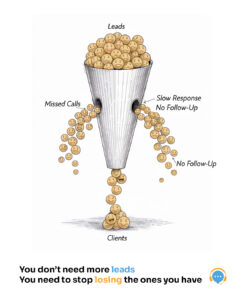
Most
law
firms
think
they
need
more
leads.
They
don’t.
They
need
to
stop
losing
the
ones
they’ve
already
paid
for.
In
this
diagnostic
from
Attorney
Assistant,
you’ll
uncover
exactly
where
your
intake
process
is
breaking
down,
costing
you
signed
cases
every
single
day.
This
isn’t
theory.
It’s
a
10-minute
audit
that
exposes
the
gaps
most
firms
never
see.
Inside,
you’ll
evaluate:
How
fast
you
actually
respond
to
new
leads
Whether
your
calls
are
truly
being
answered
How
aggressively
(or
weakly)
your
team
follows
up
Most
firms
are
losing
20–40%
of
their
opportunities
before
a
conversation
even
starts.
More
marketing
won’t
fix
that.
Fix
the
system
first.
Download
the
audit
and
see
where
your
cases
are
slipping
through.
Jones
Day
acknowledged
that
an
“unauthorised
third
party
accessed
a
limited
number
of
dated
files
for
10
clients”
and
that
all
affected
clients
have
been
notified.
The
attackers
claimed
they
focused
on
the
head
of
the
firm’s
Federal
Circuit
team,
supposedly
referring
to
Greg
Castanias.
Jones
Day
declined
to
identify
the
clients
or
the
specific
files
involved,
displaying
the
kind
of
attention
to
secrecy
that
could’ve
avoided
this
whole
problem
to
begin
with.
As
a
bulwark
against
cybercrime,
the
FBI
is
essentially
an
offensive
lineman
who
immediately
turns
around
and
yells
“incoming!”
at
the
quarterback.
SRG’s
M.O.
is
social
engineering
—
phishing
emails
and
phone
calls
impersonating
IT
staff
—
rather
than
sophisticated
zero-day
exploits.
They
don’t
even
really
employ
malware.
They
just
convince
someone
to
give
them
remote
access
and
then
walk
out
with
the
data
using
off-the-shelf
file
transfer
tools.
The
group
published
a
file
directory
and
screenshots
of
what
appear
to
be
negotiation
chats
between
SRG
and
Jones
Day
representatives.
According
to
reporting,
the
hackers
demanded
$13
million
to
keep
quiet
about
the
breach.
When
Jones
Day
didn’t
immediately
open
the
checkbook,
the
negotiations
broke
down.
The
group’s
final
message
—
from
a
negotiator
identifying
themselves
as
“Ammiel
Olsen”
—
warned
that
they
would
publish
all
the
data,
contact
every
employee
and
client,
and
resume
attacks
on
the
firm.
This
is
not
Jones
Day’s
first
time
at
the
breach
rodeo.
The
firm
was
among
several
companies
caught
up
in
a
2021
hack
of
the
Accellion
file
transfer
software,
which
resulted
in
client
data
—
including
prescription
drug
records
—
being
dumped
online.
So
when
we
talk
about
whether
firms
are
successfully
staying
ahead
of
the
cyber
threat,
here’s
a
firm
dealing
with
its
second
major
incident
in
five
years.
The
FBI’s
old
warning
about
SRG
noted
that
the
group
targets
law
firms
“likely
due
to
the
highly
sensitive
nature
of
legal
industry
data.”
Well,
that
and
the
fact
that
they
know
a
soft
target
when
they
see
one.
While
everyone
keeps
hyping
up
AI
well
beyond
its
actual
capabilities,
cybersecurity
remains
a
potentially
expensive
exposure.
It’s
unclear
if
SRG
followed
through
on
its
threat
to
renew
attacks.
But,
because
it’s
2026,
their
warning
message
to
the
firm
threw
in
that
the
reputational
damage
would
sting
even
more
“especially
after
being
exposed
in
the
Epstein
files
about
your
ties
with
child
predators.”
I
don’t
know.
It
kind
of
feels
like
being
exposed
in
the
Epstein
files
takes
the
sting
out
of
anything
else
a
hacking
group
could
throw.
Ed.
note:
This
is
the
latest
in
the
article
series, Cybersecurity:
Tips
From
the
Trenches, by
our
friends
at Sensei
Enterprises,
a
boutique
provider
of
IT,
cybersecurity,
and
digital
forensics
services.
Law
firms
have
always
been
attractive
targets
for
cyberattacks.
That
part
is
not
new.
What
is
new
is
the
pace,
scale,
and
success
rate
of
those
attacks.
According
to
a
recent
annual
data
security
report
highlighted
by
FindLaw,
attacks
on
law
firms
are
not
only
ongoing
but
also
increasing.
In
some
categories,
incidents
nearly
doubled
year
over
year,
primarily
driven
by
ransomware
campaigns
that
show
no
signs
of
slowing
down.
The
report
clearly
indicates
that
law
firms
are
firmly
in
the
crosshairs.
This
is
no
longer
solely
a
concern
for
the
tech
department;
it
has
become
a
business
risk
and,
more
recently,
a
legal
ethics
issue
as
well.
The
Attack
Surface
Is
Expanding
The
FindLaw
report
explains
how
attackers
gain
access,
and
it’s
not
usually
very
clever.
Phishing
remains
one
of
the
main
ways
breaches
happen.
Third-party
vendors
are
also
a
big
weak
spot,
involved
in
about
a
quarter
of
incidents.
In
other
words,
attackers
aren’t
breaking
down
the
front
door.
They’re
walking
right
in
because
someone
clicked
a
link
or
a
vendor
relationship
created
a
direct
way
in.
This
should
change
how
companies
view
cybersecurity.
It’s
not
about
just
defending
the
perimeter.
It’s
about
human
behavior,
managing
vendors,
and
internal
controls.
Ransomware
Has
Become
a
Business
Model
Once
inside,
attackers
usually
act
openly
by
stealing
data,
encrypting
systems,
and
demanding
payment
–
sometimes
all
three.
The
report
highlights
how
expensive
this
has
become.
Average
ransom
demands
have
risen
above
$4
million,
a
significant
jump
from
the
previous
year,
while
actual
payments
are
still
averaging
in
the
hundreds
of
thousands.
Add
in
the
costs
of
forensic
investigations,
downtime,
regulatory
notifications,
and
reputation
damage,
and
the
financial
impact
quickly
adds
up.
This
is
no
longer
a
random
crime;
it’s
a
structured
business
model,
with
law
firms
being
prime
targets
due
to
the
data
they
hold
and
the
urgency
to
regain
access.
The
AI
Factor
Makes
It
Worse
The
report
also
notes
that
attackers
are
increasingly
using
artificial
intelligence
to
scale
and
enhance
the
effectiveness
of
their
campaigns.
Phishing
emails
are
more
convincing,
social
engineering
is
more
targeted,
and
attacks
can
be
spread
across
organizations
with
minimal
effort.
At
the
same
time,
companies
are
creating
their
own
risks
with
what
the
report
calls
shadow
AI.
Employees
using
unauthorized
AI
tools
might
accidentally
expose
sensitive
information
or
open
new
vulnerabilities
in
company
systems.
This
results
in
a
dual-risk
environment,
where
AI
is
both
a
tool
that
attackers
can
exploit
and
a
liability
for
the
company
when
used
without
proper
oversight.
As
an
example,
don’t
ask
AI
how
to
open
a
port
in
an
XYZ
firewall
running
123
version
of
the
software.
You’ve
then
potentially
exposed
a
security
technology
used
at
your
firm.
Why
This
Is
a
Legal
Problem
Law
firms
are
different
from
other
businesses.
They
manage
confidential
client
information,
data,
litigation
strategies,
and
privileged
communications.
When
that
data
is
compromised,
the
fallout
extends
beyond
just
operational
issues.
The
report
emphasizes
the
downstream
implications,
including
breach-notification
obligations,
potential
contractual
breaches,
and
ethical
duties
related
to
confidentiality.
Additionally,
client
expectations
are
rising.
Clients
expect
their
law
firms
to
safeguard
sensitive
information.
When
that
expectation
is
not
met,
the
consequences
go
beyond
financial
loss.
They
can
damage
reputation
and,
in
some
cases,
pose
an
existential
threat.
The
Real
Issue
Is
Not
Technology
It’s
easy
to
see
this
as
just
a
technology
problem.
Upgrade
the
firewall.
Add
another
security
tool.
Run
another
scan.
But
that
misses
the
point.
The
report
emphasizes
what
many
in
the
industry
already
understand.
Most
breaches
are
not
caused
by
sophisticated
attacks
but
by
basic
failures.
These
include
unpatched
systems,
poor
credential
management,
lack
of
user
training,
and
weak
vendor
oversight.
These
are
governance
failures,
not
technical
limitations.
What
Firms
Should
Actually
Be
Doing
If
attacks
are
increasing
and
becoming
more
costly,
responses
cannot
be
incremental.
Firms
need
to
concentrate
on
fundamentals.
First,
strengthen
user
awareness
and
phishing
defenses.
Your
greatest
vulnerability
remains
your
people.
Second,
strengthen
vendor
risk
management.
If
a
third
party
can
access
your
systems,
they
are
part
of
your
security
posture,
whether
you
like
it
or
not.
Third,
implement
a
real
incident
response
plan.
Not
just
a
document
that
sits
on
a
shelf,
but
a
proven
process
that
can
be
executed
under
pressure.
Fourth,
control
the
use
of
AI
tools
within
the
organization.
Unauthorized
experimentation
with
sensitive
data
isn’t
innovation;
it’s
a
risk.
The
Bottom
Line
Cyberattacks
on
law
firms
are
here
to
stay.
The
report
makes
that
clear.
The
real
question
isn’t
whether
firms
will
be
targeted,
but
whether
they
are
prepared.
The
harsh
truth
is
that
many
are
not.
And
when
a
breach
occurs,
it
won’t
be
blamed
on
the
hacker.
Instead,
it
will
be
blamed
on
the
firm
that
didn’t
take
the
risk
seriously
enough.
That
is
no
longer
a
technology
failure;
it’s
a
leadership
failure.
Michael
C.
Maschke
is
the
President
and
Chief
Executive
Officer
of
Sensei
Enterprises,
Inc.
Mr.
Maschke
is
an
EnCase
Certified
Examiner
(EnCE),
a
Certified
Computer
Examiner
(CCE
#744),
an
AccessData
Certified
Examiner
(ACE),
a
Certified
Ethical
Hacker
(CEH),
and
a
Certified
Information
Systems
Security
Professional
(CISSP).
He
is
a
frequent
speaker
on
IT,
cybersecurity,
and
digital
forensics,
and
he
has
co-authored
14
books
published
by
the
American
Bar
Association.
He
can
be
reached
at [email protected].
Sharon
D.
Nelson
is
the
co-founder
of
and
consultant
to
Sensei
Enterprises,
Inc.
She
is
a
past
president
of
the
Virginia
State
Bar,
the
Fairfax
Bar
Association,
and
the
Fairfax
Law
Foundation.
She
is
a
co-author
of
18
books
published
by
the
ABA.
She
can
be
reached
at [email protected].
John
W.
Simek
is
the
co-founder
of
and
consultant
to
Sensei
Enterprises,
Inc.
He
holds
multiple
technical
certifications
and
is
a
nationally
known
digital
forensics
expert.
He
is
a
co-author
of
18
books
published
by
the
American
Bar
Association.
He
can
be
reached
at [email protected].
When
it
comes
to
choosing
where
to
go
on
safari,
the
options
can
be
overwhelming.
From
walking
with
elephants
in
Zimbabwe
to
exploring
wildlife
from
boats
as
you
float
down
the
River
Zambezi,
it’s
hard
to
know
where
to
begin
when
planning
your
bucket-list
trip.
But
if
you’re
looking
to
explore
the
wildlife
in
Africa, Yellow
Zebra
Safaris can
help
curate
your
perfect
trip.
Experts
in
the
field
–
or
the
plains,
should
we
say
–
they
can
tailor-make
your
trip,
whether
you’re
looking
for
a
romantic
honeymoon
or
a
fun-filled
family
holiday.
Below,
one
writer
details
her
trip
to
Zimbabwe,
curated
by
the
safari
specialists…
Day
one
The
flight
from
Victoria
Falls
to
Hwange
National
Park,
a
reserve
on
the
edge
of
the
famed
Ngamo
Plains,
takes
90
minutes.
Following
a
15-hour
journey
from
London
to
Zimbabwe,
I
was
expecting
to
head
straight
to
Wilderness
Linkwasha,
the
camp
we’d
be
calling
home
for
the
next
three
nights,
for
some
sleep
and
a
chance
to
freshen
up
–
but
in
Africa
there’s
more
important
things
to
do.
Our
guide,
Tongo,
told
us
a
family
of
lions
had
been
spotted
close
by;
when
you’ve
travelled
for
24
hours
to
try
and
catch
a
glimpse
of
‘the
big
four’,
you
don’t
waste
time
on
sleep.
With
Tongo
driving
us
through
the
deserted
and
untouched
paths
of
the
Ngamo
Plains,
my
exhaustion
slipped
away.
Half
an
hour
later,
there
we
were:
watching
a
group
of
six
lionesses
resting
in
the
sun.
It
was
thrilling,
it
was
beautiful.
Our
safari
adventure
had
begun.
By
Amy
Brewster
An
elephant
eats
from
a
tree
in
Mana
Pools,
Zimbabwe
By
Amy
Brewster
Inside
the
tented
rooms
at
Wilderness
Linkwasha,
Zimbabwe
Day
two
The
day
began
at
sunrise.
We
ate
breakfast
looking
out
over
the
never-ending
plain
surrounding
our
camp.
Metres
away
a
family
of
elephants
drank
from
a
water
hole
while
monkeys
made
themselves
known
in
the
distance.
Heading
out
on
our
first
morning
game
drive,
we
were
searching
for
a
cheetah
that
had
been
spotted
by
a
guide
earlier
that
morning.
On
our
way
to
the
area
it
was
last
seen
in,
we
passed
herds
of
elephants
making
their
way
to
a
water
hole
as
a
tower
of
giraffes
lowered
their
long
necks
to
drink
from
it.
As
we
approached,
in
the
distance
we
saw
not
one,
but
two
cheetahs
on
top
of
a
mound
in
the
open
plain
–
they
were
waiting
for
us.
We
admired
them
stretch
and
walk
the
plains
gracefully
for
the
next
hour.
It
was
only
11am.
We
made
our
way
back
to
camp
for
lunch
and
to
spend
the
afternoon
poolside.
The
day
was
finished
with
a
group
dinner
with
other
guests,
exchanging
stories
of
the
day’s
excitement.
But,
as
becomes
expected
on
an
African
safari,
wildlife
is
never
too
far
away.
A
hush
descended
on
the
table
as
an
elephant
appeared
from
the
darkness
to
take
a
drink
from
the
camp’s
pool.
The
perfect
ending
to
day
two.
By
Amy
Brewster
The
pool
at
Wilderness Linkwasha
By
Amy
Brewster
An
elephant
takes
a
drink
from
the
swimming
pool
during
dinner
Day
three
As
we
were
enjoying
breakfast,
one
of
the
guides
alerted
us
to
a
herd
of
buffalo
in
the
distance
that
were
making
their
way
to
the
water
hole
next
to
camp.
We
took
turns
looking
through
binoculars
out
to
the
plains:
it
was
an
alarming
site.
Hundreds
of
buffalo
were
getting
closer,
looking
bigger
by
the
second.
What
better
time
to
head
out
to
Wilderness
Linkwasha’s
sunken
hide?
Providing
a
unique,
ground-level
perspective
of
wildlife,
it
is
as
up
close
and
personal
as
you
can
get.
One-by-one
we
made
our
way
out
to
the
waterhole
and
climbed
down
the
ladders
to
the
lookout.
We
sat
and
waited
as
the
buffalos
descended
on
the
water
hole.
It
was
equal
parts
terrifying
and
awe-inspiring.
We
watched
in
silence
as
the
buffalo
surrounded
us,
mesmerised.
Suddenly,
an
enormous
foot
thudded
down
right
in
front
of
our
eyes.
The
buffalos
had
been
joined
at
the
water
hole
by
a
herd
of
elephants,
all
of
them
unaware
we
were
sat
watching
below.
CrookesAndJackson
A
tented
room
at
Wilderness
Linkwasha
Day
four
After
three
days
in
Hwange
National
Park,
we
travelled
45
minutes
by
plane
to
Wilderness
Ruckomechi
in
the
heart
of
the
Zambezi
Valley’s
Mana
Pools
National
Park.
All
internal
flights
are
organised
by
Yellow
Zebra
Safari
so
travelling
between
camps
is
surprisingly
straight-forward.
Our
jeep
pulled
up
to
our
new
home
on
the
banks
of
the
Zambezi
River
and
we
were
greeted
by
singing
from
the
camp’s
team.
Distracted
by
our
welcome,
we
hadn’t
noticed
an
elephant
approaching
from
behind
us.
The
camp’s
team
and
the
jeep
became
silent
as
it
walked
slowly
in-between
us,
an
arm’s
reach
away.
My
heart
was
racing.
The
elephant
was
known
to
the
camp;
she
was
a
local
who
regularly
came
to
visit,
so
she
was
at
ease
with
her
surroundings
–
so
much
so
that
she
stopped
to
graze
in
front
of
us,
gently
lifting
leaves
into
her
mouth
with
her
trunk,
her
body
brushing
past
the
front
of
the
jeep.
What
a
welcome.
Day
five
The
tented
rooms
were
on
the
banks
of
the
Zambezi
River
with
views
of
the
flowing
water
below
and
the
Zambia
mountains
in
the
distance.
It’s
a
morning
shower
view
that
stays
with
you
for
life.
After
five
days
of
game
drives,
it
was
time
to
take
our
exploring
to
the
water.
We
boarded
Wilderness’
boat
to
journey
down
the
Zambezi
for
some
catch-and-release
fishing.
But
fishing
soon
became
a
second
thought
as
we
navigated
the
hundreds
of
hippos
in
the
water,
countless
alligators
on
the
river
banks,
and
herds
of
elephants
crossing
through
the
river
from
Zimbabwe
to
Zambia.
We
finished
our
day
trip
with
sundowners
on
the
river
bank
listening
to
the
sound
of
the
hippos
around
us.
Courtesy
of
Yellow
Zebra
Safari
Wilderness
Ruckomechi,
Zimbabwe
Day
six
Our
final
day
began
with
a
baby
elephant
joining
us
at
breakfast.
The
calf
stepped
up
onto
the
decking
of
the
camp’s
dining
area
and
bounced
around
with
the
enthusiasm
of
a
puppy,
enticed
by
the
smells
coming
from
the
morning’s
barbecue.
It
was
good
preparation
for
the
day’s
activity:
a
walking
safari.
We
drove
out
of
camp
to
find
a
good
spot
to
embark
on
our
hike.
Walking
a
small
section
of
Mana
Pools
National
Park,
we
listened
to
the
bellows
of
lions
in
the
distance
and
the
calls
of
birds
as
we
silently
moved
between
bushes,
not
knowing
what
was
round
the
next
corner.
Although
I
felt
entirely
safe,
thanks
to
the
guides,
I
still
got
jolts
of
adrenaline
as
the
trees
around
us
rustled.
Back
at
camp
we
looked
back
over
the
last
week,
sharing
our
favourite
moments
as
we
sat
round
the
fire.
It
was
hard
to
name
one
thing
as
a
highlight,
but
I
know
I’ll
never
forget
falling
asleep
in
my
four-poster
bed
on
the
banks
of
the
River
Zambezi
to
the
sound
of
cackling
hyenas.
Yellow
Zebra
Safari offers
six
nights
in
Zimbabwe
–
three
at
Wilderness
Linkwasha
and
three
at
Wilderness
Ruckomechi
–
including
food
and
drink,
flights,
transfers
and
safari
activities,
from
£5,497
a
person,
based
on
two
sharing.
The
vehicle,
en
route
from
Zimbabwe
to
Cape
Town,
was
stopped
in
Bloemfontein
on
Friday,
3
April
2026,
during
an
operation
by
the
Free
State
Department
of
Community
Safety,
Roads
and
Transport.
Authorities
discovered
that,
in
addition
to
43
passengers
who
had
been
properly
processed
at
Beitbridge,
the
bus
was
carrying
32
foreign
nationals
without
valid
documentation.
It
is
alleged
that
the
undocumented
immigrants
boarded
the
bus
after
it
had
already
entered
South
Africa,
with
pickups
reportedly
taking
place
in
Makhado
and
Johannesburg.
Parliament
has
since
called
for
Rimbi
Travel
and
Tours,
a
licensed
cross-border
transport
company
linked
to
the
bus,
be
suspended
while
a
full
investigation
is
conducted.
BMA
processing
at
Beitbridge
border
post
According
to
the
BMA,
the
bus
arrived
at
the
north
gate
carrying
43
passengers
in
the
early
hours
of
2
April,
where
all
occupants
disembarked
with
their
luggage
for
standard
checks.
Passengers
underwent
health
screening
and
baggage
inspections
for
prohibited
items,
while
the
bus
was
searched
for
any
undocumented
individuals.
A
passenger
list
with
names
and
passport
details
was
provided
by
the
driver.
All
travellers
presented
valid
documents,
were
cleared
by
immigration
officials,
and
granted
entry
into
South
Africa.
The
driver’s
passport
and
cross-border
permit
were
also
verified,
while
the
vehicle
was
processed
in
line
with
regulations.
No
illegal
immigrants
onboard
–
Masiapato
Speaking
to
reporters
on
Monday,
6
April,
Masiapato
emphasised
that
engagements
with
cross-border
operators
over
the
past
year
had
largely
prevented
such
occurrences.
“We
had
conversations
with
all
the
cross-border
operators,
buses
in
particular.
“We
engaged
with
the
CEOs,
we
engaged
with
the
owners,
and
we
basically
said
to
them,
‘no
one
must
ferry
people
without
documentation.”
“I
think
you
will
be
aware
that
we
have
done
that
work
very
extensively
during
the
past
year
until
this
point
and
since
we
had
those
conversations,
we
never
necessarily
had
any
of
this
incident,
which
just
happened,”
he
said.
Masiapato
also
stressed
that
the
bus
left
the
border
fully
compliant,
with
no
indication
of
additional
passengers
at
the
time.
He
explained
that
all
buses
are
required
to
pass
through
a
weighing
station
after
departing
the
port
of
entry,
where
officials
assess
whether
it
overweight
or
is
carrying
more
load
than
allowed.
“We
do
have
records
of
that
particular
process
including
the
footage.
That
bus
complied.
There
were
no
additional
people.”
Probe
underway
The
BMA,
Masiapato
said,
is
unable
to
confirm
where
and
how
the
undocumented
passengers
boarded
the
bus,
however,
a
“full
investigation”
is
underway.
“The
driver
will
have
to
indicate
where
did
he
pick
up
those
people
and
the
driver,
by
the
way,
has
to
be
charged
for
aiding
and
abetting
according
to
section
59
of
the
Immigration
Act.
“Ultimately,
the
bus
will
then
have
to
be
charged
for
ferrying
illegal
migrants
inside
the
country
so
that
is
the
status.”
Call
for
stronger
law
enforcement
coordination
Meanwhile,
the
chairperson
of
Parliament’s
Portfolio
Committee
on
Home
Affairs,
Mosa
Chabane,
called
for
closer
cooperation
between
law
enforcement
agencies,
including
immigration
officers,
the
South
African
Police
Service
(Saps)
and
metro
police
departments
“An
integrated
law
enforcement
approach
is
critical
to
ensure
that
undocumented
individuals
within
our
borders
are
identified
and
processed
in
line
with
the
law.
“This
requires
ongoing
collaboration
and
information-sharing
between
all
relevant
authorities,”
Chabane
said
in
statement.