World’s Deadliest Sharks Only One-Third As Deadly To Minnesotans In 2026 As ICE, Trump’s Stupid War – Above the Law

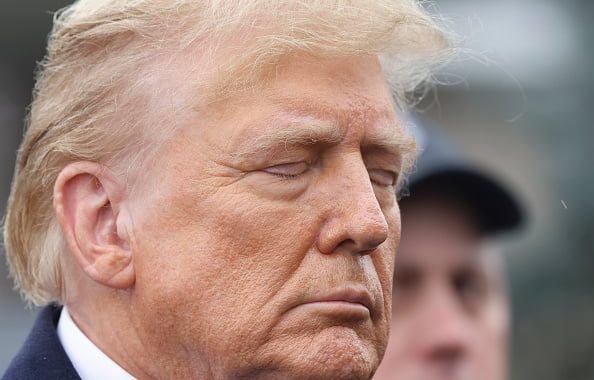
(Photo
by
Michael
M.
Santiago/Getty
Images)

My

cousin
Evan

grew
up
in
Plymouth,
Minnesota.
We’d
often
go
for
a
swim
in
Hidden
Lake
when
my
family
came
for
a
visit.

Minnesota
is
almost
as
far
as
you
can
get
from
the
ocean
and
still
be
in
the
United
States.
Even
so,
that
didn’t
prevent
me
from,
once,
as
a
kid,
a
few
minutes
after
finishing
the
movie

Jaws”
and
a
few
seconds
after
I
thought
I
saw
a
large
dark
shape
pass
beneath
me
in
the
water,
hurriedly
clambering
up
onto
the
battered
wooden
diving
platform
floating
in
Hidden
Lake
and
voicing
some
unconvincing
excuse
about
needing
to
take
a
break.

Tourism
promoters
in
the
North
Star
State
are
fond
of
saying
that

Minnesota
has
more
shoreline

than
California,
Hawaii,
and
Florida
combined.
However,
unlike
in
Florida,
Hawaii,
and
California,
there
is
very
little
in
Minnesotan
bodies
of
water
(other
than
the
water
itself)
that
can
kill
a
person.

Shark
attacks
are
exceedingly
rare.
In
a
typical
year,
only
around
half
a
dozen
people
are
killed
by
sharks
worldwide.
Still,
Minnesotans
generally
like
to
travel,
and
it’s
possible
to
be
unlucky.

Such
was
the
case
with
Arlene
Lillis,
56,
a

Minnesotan
killed
earlier
this
year

on
a
trip
to
the
U.S.
Virgin
Islands.
She
had
the
grave
misfortune
of
meeting
one
of
the
mere
handful
of
all
the
ocean’s
sharks
that
prove
deadly
to
humans.

That
it
is
not
always
rational
is
one
of
the
defining
attributes
of
fear
itself.
Submerged
in
Hidden
Lake
those
30-some
years
ago,
there
was
no
rational
reason
for
the
pulse
of
terror
that
ran
up
my
spine.

Lillis
demonstrated
that,
even
for
Minnesotans,
there
is
something
to
that
primal
phobia
of
sharks.
Yet,
there
have
clearly
been
much
more
pressing
threats
to
the
lives
of
Minnesotans
so
far
this
year.

Namely,
their
own
federal
government.
The
same
month
that
Lillis
succumbed
to
her
fatal
shark
bite,
masked

federal
agents
unjustifiably
gunned
down

Renee
Good,
and
then,
Alex
Pretti,
in
the
streets
of
Minnesota,
in
broad
daylight,
on
video.
Both
were
37.

Until
2026,
it
was
hard
to
imagine
that
white,
wholesome
Midwestern
citizens
had
far
more
to
fear
from
unaccountable
immigration
agents
than
they
did
from
row
upon
row
of
razor-sharp
teeth.
Alas,
sharks
only
attack
humans
by
mistake,
while
everyone’s
a
target
for
ICE.

Now
Trump’s
dumb
war
against
Iran
has
created
a
new
threat.
A
Minnesotan,
39-year-old
Sergeant
Nicole
Amor,
was
among

the
first
U.S.
troops
killed

in
retaliatory
strikes.

“Sadly,
there
will
likely
be
more
before
it
ends,”

said
President
Donald
Trump

of
the
first
American
soldiers
killed
in
the
unpopular
war
he
started
for
no
apparent
reason.
“That’s
the
way
it
is.”

Of
course,
as
much
as
I
do
generally
enjoy
Minnesotans,
I
don’t
really
think
one
human
life
is
worth
more
than
any
other
regardless
of
where
it
is
being
lived.
So
it’s
important
to
remember
that
although
Trump
has
made
2026
a
particularly
deadly
year
for
Minnesotans,
he’s
also
responsible
for
making
it
deadly
for
hundreds
of
Iranians,
including
dozens
of
children
at
a
girls’
elementary
school.

Picture
the
long,
torpedo-shaped
body
of
a
great
white.
Those
dead
eyes
staring
into
your
soul.
The
bone-crushing
force
of
its
serrated
teeth
as
it
projects
its
unfused
upper
jaw
forward
in
an
uncanny
death
grip.

It’s
easy
to
shudder
when
you
think
about
a
shark.
The
reality
is,
for
Minnesotans,
ICE
enforcement
and
Trump’s
stupid
war
against
Iran
have
already
been
three
times
deadlier
this
year
than
the
ocean’s
deadliest
sharks.
You
should
be
shuddering
every
time
you
see
Trump’s
sagging,
heavily
made-up
face.

This
is
an
example
of
one
state,
a
very
limited
time
period,
and
a
handful
of
bad
policy
decisions.
Expanded
throughout
the
country,
throughout
the
world,
the
callous
disregard
for
human
life
constantly
on
display
by
this
administration
is
responsible
for
ridiculous
new
levels
of
risk
for
everyone
on
the
planet.

I
do
miss
the
days
when
I
had
the
luxury
of
fearing
sharks
while
swimming
a
thousand
miles
from
the
nearest
sea.
Whether
you
accept
it
or
not,
whether
you
voted
for
him
or
not,
the
reality
is
that
we’ve
all
got
far
more
to
fear
now
from
the
White
House
than
from
anything
in
the
natural
world.
The
shark
attack
I
can
chalk
up
to
bad
luck;
the
three
dead
Minnesotans
who’d
be
alive
today
but
for
the
way
Trump
runs
the
federal
government,
that’s
ultimately
deliberate.

To
paraphrase
the
man
himself,
there
will
be
more
before
the
end.
That’s
the
way
it
is.


Jonathan
Wolf
is
a
civil
litigator
and
author
of 
Your
Debt-Free
JD
 (affiliate
link).
He
has
taught
legal
writing,
written
for
a
wide
variety
of
publications,
and
made
it
both
his
business
and
his
pleasure
to
be
financially
and
scientifically
literate.
Any
views
he
expresses
are
probably
pure
gold,
but
are
nonetheless
solely
his
own
and
should
not
be
attributed
to
any
organization
with
which
he
is
affiliated.
He
wouldn’t
want
to
share
the
credit
anyway.
He
can
be
reached
at 
[email protected].

Democrats To Kirkland & Ellis: For The Fourth Time, What Exactly Did You Promise Trump? – Above the Law

(photo
by
David
Lat).

Like
that
old
saying,

if
at
first
you
don’t
succeed,
try,
try
again
,
Democrats
in
Congress
are
taking
a
*fourth*
shot
at
trying
to
get
Kirkland
&
Ellis
to
be
upfront
about
the
firm’s
deal
with
Donald
Trump.
At
this
point,
it’s
almost
a
tradition.
Democrats
ask
questions.
Kirkland
&
Ellis
sends
back
a
politely
worded
shrug.
Repeat.

Now
Richard
Blumenthal,
ranking
member
of
the
Senate
Permanent
Subcommittee
on
Investigations,
Jamie
Raskin,
ranking
member
of
the
House
Judiciary
Committee,
and
Adam
Schiff
are
trying
again

fourth
time’s
the
charm!

to
get
the
world’s
richest
law
firm,
Kirkland
&
Ellis,
to
explain
exactly
what
it
promised
the
Trump
administration
in
order
to
avoid
one
of
those

retaliatory
executive
orders

targeting
Biglaw.

And
this
time,
they
sound
done
playing
nice.
“We
have
written
to
your
firm
three
times
previously
seeking
documents
and
answers
regarding
this
corrupt
bargain,
and
Kirkland
has
provided
no
responsive
information
or
records
in
response
to
any
of
these
letters,”

the
March
2,
2026
letter
reads
.

As
readers
will
recall,
the
Trump
administration
rolled
out
a
series
of
executive
orders
threatening
law
firms
that
represented
political
adversaries
or
maintained
diversity
initiatives
the
White
House
didn’t
like.
Some
firms
fought.
They
won.
The
orders
were
struck
down
as

unconstitutional.

Others?
They
made
deals.

Kirkland
was

one
of
nine
firms

that
opted
for
the
“let’s
just
make
this
go
away”
approach
rather
than
litigate.
Along
with
firms
like
Paul,
Weiss,
Kirkland

entered
into
an
agreement

that
allegedly
resolved
an
EEOC
investigation
while
committing
to

certain
pro
bono
work

that
just
so
happened
to
align
with
administration
priorities.

Kirkland’s

first
response

to
Congress,
dated
April
28,
2025,
framed
the
deal
as
consistent
with
its
“meritocratic
ideals”
and
described
the
EEOC
matter
as
resolved.
Its
second
letter,
dated
October
7,
2025,
insisted
the
firm
was
“comfortable
that
the
agreement
does
not
run
afoul
of
the
issues
that
you
raise
in
your
letter.”

Comfortable!
That’s
nice.
Here’s
the
problem:
in
that
October
response,
Kirkland
acknowledged
it
was

performing
legal
work


for
multiple
government
agencies

for
free.
And
that’s
something
lawmakers
now
characterize
as
“startling.”

If
this
saga
needed
more
intrigue,
the
latest
letter
raises
concerns
about
contacts
with
Boris
Epshteyn,
described
in
the
letter
as
“a
former
Trump
administration
official,
legal
fixer
and
a
Trump
co-conspirator
to
overturn
the
2020
presidential
election.”

Lawmakers
are
particularly
interested
in
any
communications
or
negotiations
involving
Epshteyn,
who
has
reportedly
been
linked
to
alleged
pay-to-play
schemes
involving
political
appointments.

The
Dems
are
out
there
making
allusions
to
bribery
and
that
demonstrates
just
how
thin
their
patience
is.

The
frustration
is
palpable,
“The
time
for
short,
nonresponsive
replies—assuring
us
that
Kirkland
knows
best
and
feels
comfortable
about
its
arrangements
with
the
Trump
administration—is
over.”

That’s
about
as
close
as
congressional
correspondence
gets
to
“we
are
not
amused.”
Ball’s
back
in
Kirkland’s
court

let’s
see
how
they
read
the
room.


Kathryn
Rubino
is
a
Senior
Editor
at
Above
the
Law,
host
of

The
Jabot
podcast
,
and
co-host
of

Thinking
Like
A
Lawyer
.
AtL
tipsters
are
the
best,
so
please
connect
with
her.
Feel
free
to
email

her

with
any
tips,
questions,
or
comments
and
follow
her
on
Twitter

@Kathryn1
 or
Mastodon

@[email protected].

What Happens To Your Resume After You Hit Send: What Legal Recruiters Wish You’d Done Differently – Above the Law

(via
Getty
Images)

I
just
spent
the
past
few
days
at
the

2026
NALSC
Annual
Conference

in
New
Orleans
alongside
more
than
275
legal
search
consultants
and
Am
Law
100
and
200
firm
sponsors,
the
professionals
at
the
center
of
how
lawyers
are
evaluated,
presented,
and
placed
at
law
firms
and
in-house.
Not
only
was
I
an
invited
speaker
(presenting
on
“Top
Mistakes
to
Avoid
in
Legal
Resumes
and
Best
Practices
for
Presenting
Candidates”),
but
I
also
had
candid
conversations
about
what
legal
recruiters
want
to
see,
what’s
changing
in
how
firms
and
companies
hire,
and
a
key
takeaway
every
lawyer
needs
to
embrace:
always
being
recruiter-ready.

As
one
recruiter
bluntly
said,
“I
can
tell
an
AI-generated
resume
from
a
mile
away
and
it’s
not
getting
the
interview.”
Another
said,
“I’m
looking
for
something
that
shows
me
the
candidate
knows
their
story
but
doesn’t
need
five
pages
to
convey
it.”

Here’s
what
legal
recruiters
wish
every
lawyer
knew
about
their
resume,
including
what
happens
once
recruiters
receive
your
resume.


1.
Recruiters
Are
Scanning
Your
Resume
In
Less
Than
10
Seconds

An
initial
read
of
your
resume
must
quickly
grab
the
recruiter’s
attention
based
on
structure,
content,
and
formatting,
or
they
will
immediately
pass
on
you.
Large,
bulky
paragraphs
do
not
work.
Readability
takes
precedence.
The
digital
age
reader
doesn’t
have
time
to
go
on
a
fishing
expedition
to
locate
information,
and
they
don’t
want
to
sift
through
pages
of
information
to
find
out
about
several
of
your
most
prominent
M&A
transactions
or
corporate
governance
experience. 

Recruiters
are
quickly
skimming
to
know
your
key
practice
areas,
career
level,
the
job
titles
you’ve
held,
notable
companies
and
law
firms
you’ve
worked
for,
and
your
key
achievements.
A
10-line
paragraph
filled
with
hyperbole
doesn’t
sell
them
on
your
value.
That
professional
summary
is
akin
to
the
back
of
the
book
jacket,
and
it
must
be
a
quick
synopsis
of
your
trajectory.
Recruiters
want
and
expect
that
quick
overview,
not
the
obituary.
The
resume
is
not
the
Cheesecake
Factory
menu.
Your
reader
is
not
scrolling
through
14
pages
looking
for
the
one
item
they
came
for.

Resource:
6
Practical
Ways
To
Make
Your
Resume
More
Skimmable
For
Recruiters


2.
AI-Generated
Resumes
Get
You
Cancelled
Immediately

As
I
recently
wrote
in
one
of
my
ATL
articles,

you
shouldn’t
use
AI
to
write
your
legal
resume
or
LinkedIn
profile
.
The
copy-and-paste
method
does
not
work,
just
as
the
“spray-and-pray”
method
doesn’t
work
in
applying
for
roles.
Recruiters
are
tossing
your
AI-generated
resume
aside
and
not
even
calling
you
in
for
an
interview.
Lawyers
are
held
to
a
higher
standard
and
expectation.
It’s
one
thing
to
use
AI
as
a
framework
to
dig
deeper
or
to
analyze
a
job
posting’s
requirements.
However,
an
AI-generated
resume
is
often
fraught
with
generalities,
low-level
boilerplate
language,
and
unnecessary
fluff.
Your
resume
must
clearly
match
how
you
see
and
convey
yourself.
It’s
not
robotic.
It
has
to
be
human-centric
and
relevant
to
your
lived
experience
and
unique
value. 

Recruiters
also
notice
what’s
missing
or
purposefully
left
out.
These
common
omissions
include
hiding
dates
or
cutting
out
the
first
8
to
10
years
of
your
career
experience
because
you
saw
a
LinkedIn
influencer
mention
that
in
a
20-year
career,
you
should
only
include
the
recent
10
years.
One
has
to
go
no
further
than
asking
when
you
were
admitted
to
practice
law
or
when
you
graduated
law
school
and
quickly
note
there’s
missing
career
history. 

Resource:
How
To
Write
A
Compelling
Legal
Resume
That
Lands
Interviews


3.
Your
LinkedIn
Profile
Isn’t
Optional,
And
It
Must
Ssync
Up
With
Your
Resume

Before
they
call
you,
recruiters
are
checking
your
LinkedIn
profile
for
alignment
of
job
titles
and
dates
with
what’s
in
the
resume.
It’s
a
glaring
red
flag
when
the
two
don’t
align.

Recruiters
agree
that
your
LinkedIn
profile
should
not
be
a
dump
of
your
resume.
They
are
not
sifting
through
paragraphs
and
paragraphs
of
detail
in
your
experience
section.
LinkedIn
acts
as
a
billboard
to
attract
the
1.2
billion
users
currently
on
the
platform.
Remember,
LinkedIn
casts
a
wider
net
than
your
resume,
which
is
only
a
two-page
snapshot
being
seen
by
a
hand-curated
audience. 

One
common
complaint
echoed
by
recruiters
throughout
the
conference
was
the
lack
of
response
from
candidates
during
outreach
and
the
inability
to
reach
candidates
due
to
outdated
email
addresses
or
phone
numbers.
If
you
haven’t
logged
into
LinkedIn
in
months
(or
years),
log
in
now,
update
your
profile
with
your
current
personal
email
address
and
make
sure
that
recruiters
are
able
to
access
you. 

Conversely,
if
you’re
looking
to
connect
with
more
legal
recruiters,

the
NALSC
member
directory

is
a
searchable
database
of
300-plus
member
firms
and
individuals
across
the
United
States,
Canada,
and
international
locations.
The
directory
allows
you
to
search
by
geography,
market
sector,
and
other
parameters
to
find
the
right
recruiter
for
your
practice
area
and
career
goals.


4.
Recruiters
Are
Building
Your
Story
To
Present
You
To
A
Client,
And
You
Need
To
Help
Them
Tell
It

Everyone
has
a
career
story,
but
the
person
who
gets
the
call
for
the
interview
is
the
one
who’s
able
to
convey
that
story.
You
need
to
tell
that
arc
of
your
career,
how
you’ve
progressed,
and
what
makes
you
unique.
Remember,
the
recruiter
needs
to
construct
a
narrative
that
they
can
pitch
to
the
hiring
partner
or
executive. 

There’s
a
big
difference
between
listing
duties,
responsibilities,
and
job
functions,
versus
showing
the
trajectory
and
growth
you’ve
demonstrated
over
your
tenure
at
a
law
firm
or
company.
Recruiters
can
easily
assess
if
you’ve
just
dumped
your
job
description
into
a
laundry
list
of
20
bullet
points.
They
want
to
know
you
can
convey
who
you
are,
what
you
do,
what
you’re
an
expert
in,
and
what
value
you
can
deliver
for
the
client
company
or
firm.


5.
Your
Resume
Should
Be
Recruiter-Ready
Before
The
Recruiter
Calls
(Not
After)

Recruiters
are
not
in
the
business
of
spending
hours
updating
your
resume.
The
lawyers
who
move
through
a
search
are
the
ones
ready
to
go
to
market.
They
know
their
story
and
they
present
it
well.
If
a
recruiter
receives
a
five-to-seven-page
disjointed
resume
that’s
a
continuation
from
your
law
school
template,
they
are
going
to
suggest
hiring
a
legal
resume
writer. 

Recruiters
have
strong
opinions
about
resume
formatting
and
length.
Legal
resumes
are
expected
to
be
formal,
not
a
PR
brochure.
Ditch
the
Etsy
templates
with
columns,
graphs,
and
weird
color
gradients.
The
standard
is
two
pages,
three
for
the
extras
(deal
sheet
of
major
transactions,
representative
litigation,
speaking,
media,
and
publications).
Your
choices
affect
readability
and
perception
by
recruiters
as
well
as
hiring
partners
and
executives. 

The
consensus:
don’t
waste
the
recruiter’s
time
if
you’re
not
packaged.
In
the
fast-paced
legal
job
market,
you
must
have
your
legal
resume
and
LinkedIn
profile
updated
and
ready. 

Resources:
Quick
Ways
To
Refresh,
Optimize,
And
Modernize
Your
Legal
Resume

and
Quick
Ways
To
Refresh
And
Optimize
Your
LinkedIn
Profile

Before
you
begin
updating
your
legal
resume,
consider
these
three
things:

  • Think
    about
    your
    career
    (challenges,
    actions,
    results)
    from
    the
    perspective
    of
    your
    leadership
    (legal
    and
    business)
    and
    key
    focus
    areas
    (litigation
    wins,
    deal
    valuations,
    business
    impacts,
    strategic
    initiatives).
  • Reflect
    on
    past
    performance
    evaluations
    as
    they
    always
    contain
    valuable
    insight
    into
    the
    work
    you’ve
    done,
    how
    others
    have
    evaluated
    your
    work
    style,
    and
    what
    your
    best
    assets
    look
    like
    to
    the
    outside.
  • Consider
    areas
    you
    want
    to
    learn
    about
    or
    expand
    on.
    Is
    there
    a
    new
    practice
    area
    you
    want
    to
    transition
    into,
    an
    emerging
    area
    of
    interest,
    or
    a
    gap
    in
    your
    skills
    that
    you
    are
    willing
    to
    grow? 

Remember,
the
lawyers
who
treat
their
resume
as
a
strategic
marketing
document
(not
an
administrative
chore
they
merely
dust
off
when
the

layoff
or
restructuring
happens
)
are
the
ones
who
move
faster,
get
more
calls,
and
have
more
choices
in
the
job
market.
It’s
not
luck.
It’s
a
well-planned
strategy.

Whether
you’re
a
lawyer
evaluating
your
market
readiness
or
exploring
that

hidden
job
market
,
or
a
recruiter
navigating
what
you’re
seeing
on
the
front
lines,
I’d
love
to
hear
your
perspective.
The
conversation
is
one
worth
continuing. 


Wendi
Weiner
is
an attorney,
career
expert,
and
founder
of 
The
Writing
Guru
,
an
award-winning
executive
resume
writing
services
company.
Wendi creates
powerful
career
and
personal
brands
for
attorneys,
executives,
and
C-suite/Board
leaders
for
their
job
search
and
digital
footprint. She
also
writes
for
major
publications
about
alternative
careers
for
lawyers, personal
branding,
LinkedIn
storytelling,
career
strategy,
and
the
job
search
process. You
can
reach
her
by
email
at 
[email protected],
connect
with
her
on 
LinkedIn,
and
follow
her
on
Twitter 
@thewritingguru.

‘We Have Zero Interest In Practicing U.S. Law’: Top UK Firm Opens Office In New York Anyway – Above the Law

There
are
many
ways
to
enter
the
U.S.
legal
market.
You
can
merge.
You
can
poach.
You
can
lateral
raid
your
way
into
Biglaw
headlines.
Or…
you
can
open
an
office
in
Manhattan
and
repeatedly
clarify
that
you
absolutely,
positively
do
not
want
to
practice
U.S.
law.

Enter
London-based
Macfarlanes

a
firm
that
brought
in
$474,686,000
gross
revenue
in
2024,
putting
it
at
No.
18
on
the
UK
100
ranking
and
No.
139
on
the
Global
200
ranking

which
is
opening
a
New
York
outpost
on
April
1.
(Yes,
that’s
April
Fool’s
Day,
but
the
firm
swears
this
is
serious.)
The
office
will
be
located
at
667
Madison
Avenue
and
led
by
former
managing
partner
Julian
Howard.
It
will
house
a
team
in
the
“single
digits,”
which
in
Biglaw
expansion
terms
qualifies
as
more
“field
trip”
than
British
invasion.

The
firm
has
gone
out
of
its
way,
repeatedly,
to
emphasize
that
this
is
a
“representative
office.”
It
will
not
practice
U.S.
law.
It
will
not
merge.
It
will
not
disrupt.
It
will
not
steal
your
lunch.
The

American
Lawyer

has
additional
details:

The
firm’s
incoming
senior
partner,
Damien
Crossley,
emphasised
that
the
new
office

is
not
intended
as
a
step
towards
competing
with
its
relationship
firms,
such
as
Wachtell,
Lipton,
Rosen
&
Katz,
or
any
other
firm
in
its
“good
friends”
network.

Crossley
believes
the
launch
will
“help
our
European
clients
navigate
the
U.S.”,
adding
that
the
office
is
not
intended
as
a
referral
office,
but
rather
will
serve
firm-originated
clients.

Crossley
went
on
to
put
it
quite
plainly:
“We
have
absolutely
zero
interest
in
merging.
We
have
absolutely
zero
interest
in
practicing
U.S.
law.
We
do
not
need
to
practise
U.S.
law
to
understand
what
U.S.
investors
want.”

So
what,
exactly,

is

the
point?

The
office
will
house
the
firm’s
investor
intelligence
team

part
of
its
“beyond
legal”
offering

with
a
focus
on
building
up
its
brand
in
the
U.S.,
and
strengthening
relationships
with
U.S.
investors
for
its
European
private
capital
and
private
wealth
clients.
“The
worst
thing
that
can
happen
to
a
law
firm
is
being
seen
as
irrelevant
in
a
world
of
global
elites,”
Crossley
said.

Crossley
described
Macfarlanes
as
“an
evolutionary
firm,
not
a
revolutionary
firm,”
which
is
a
charming
way
of
saying,
please
don’t
panic,
nothing
dramatic
is
happening,
we’re
simply
here
in
Manhattan.
To
be
honest,
there’s
something
refreshingly
restrained
about
the
firm’s
New
York
entry.
No
splashy
lateral
hires.
No
bold
declarations
of
“full-service
U.S.
capability.”
It’s
just
a
small
team,
a
Madison
Avenue
address,
and
a
quiet
insistence
that
they
can
understand
American
investors
without
becoming
American
lawyers.

In
a
legal
market
that
often
equates
expansion
with
conquest,
Macfarlanes
is
attempting
something
much
more
subtle:
presence
without
practice.
Whether
New
York
views
that
as
strategic
sophistication
or
polite
British
hedging
remains
to
be
seen.


Macfarlanes
Debuts
in
New
York
with
Private
Capital-Focused
Office

[American
Lawyer]


Staci
Zaretsky
 is
the
managing
editor
of
Above
the
Law,
where
she’s
worked
since
2011.
She’d
love
to
hear
from
you,
so
please
feel
free
to email her
with
any
tips,
questions,
comments,
or
critiques.
You
can
follow
her
on BlueskyX/Twitter,
and Threads, or
connect
with
her
on LinkedIn.

Radiohead Refuses To Be Motion Picture Soundtrack For ICE Propaganda Video – Above the Law

Loss
of
life
and
in
memoriams
honoring
victims
are
somber
occasions.
Making
sure
that
their
memories
aren’t
used
as
fodder
for
bad
taste
political
agendas
is
one
way
that
they
can
be
honored.
ICE
recently
released
an
apparent
in
memoriam
video
dedicated
to
Americans
who
were
victims
of
violence.
There’s
very
little
context
to
the
video
outside
of
a
sad
chorus,
a
collage
of
people’s
faces
and
an
ICE
logo
following
the
sentence
“This
is
our
why.”
The
subtext
is
that
the
video
stands
as
an
explanation
and
excuse
for
whatever
collateral
damage
happens
as
ICE
attempts
to
destroy
the
flood
.”
They
used
Radiohead’s
“Let
Down”
as
part
of
their
propaganda
and
the
band
wants
nothing
to
do
with
it.

Page
Six

has
coverage:

English
rock
band
Radiohead
told
ICE
to
“go
f—
yourselves”
on
Friday
after
one
of
their
songs
had
been
used
in
a
video
mourning
the
victims
of
illegal
immigrant
crime.

“We
demand
that
the
amateurs
in
control
of
the
ICE
social
media
account
take
it
down.
It
ain’t
funny,
this
song
means
a
lot
to
us
and
other
people,
and
you
don’t
get
to
appropriate
it
without
a
fight.
Also,
go
f—
yourselves…
Radiohead,”
the
band
said,
according
to NBC
News
 and
other
news
outlets.

Right-wing
propaganda
branch
Libs
of
TikTok
has
since
taken
to
Twitter
to
call
for
the
government
to
ban
band
members
from
entering
the
country:

Maybe
this
is
all
part
of
the
plan.
Like
we
discussed
with

Kesha’s
renunciation
of
the
administrations
use
of
her
song
“Blow,”

White
House
Communications
Director
Steven
Cheung
effectively
thanked
celebrities
for
speaking
out
against
the
state’s
use
of
their
music
because
it
runs
the
numbers
up.
It’s
a
social
media
strategy
that
assumes
being
talked
about
en
masse
is
a
sign
of
good
things
to
come

they
must
not
be
caught
up
on
how

the
attention
surrounding
the
Morbin
memes
cost
Sony
millions
of
dollars
.
It
is
very
clear
that
the
audience
is
side-eyeing
and
laughing
at
the
administration,
musicians
included,
but
that
is
hard
to
see
when
you’re
committed
to
ignoring
any
data
that
goes
against
your
strongly
held
beliefs:

The
government’s
media
strategy
is
a
gamble.
They
can
bank
on
the
average
citizen’s
low
literacy
rates
and
tendency
to
be
swayed
by
ethos,
assume
that
the
viewers
will
be
directed
to
feel
in
ways
that
can
be
mobilized
toward
political
ends
before
criticism
or
higher
order
thinking
derails
the
manipulation

there

is

a
basis
for
them
thinking
it
will
work.
Capitalizing
on
fear
and
the
suspicion
that
every
American
is
a
victim-in-waiting
without
executive
intervention
is
exactly
how
they
drummed
up
support
for
ICE,
the
Patriot
Act,
and
a
slew
of
other
encroachments
on
our
liberties.
But
how
viable
is
that
as
a
long-term
strategy?

It
was
easy
enough
when
Rage
Against
The
Machine
got
swept
under
the
rug
as
a
band
that
got
corrupted
by
the
woke
mind
virus
(the
low
literacy
rates
probably
contributed
to
listeners
not
realizing
that
“some
of
them
that
burn
crosses
are
the
same
that
join
forces”
was
anti-cop).
But
what
about
when
it
is
also
the

White
Stripes
?
And

Foo
Fighters
?
And

Ozzy
Osbourne
?

Tom
Petty
?

Panic!
At
The
Disco
?

Sabrina
Carpenter

and
Kesha
of
all
people?
Billie
Eilish
and
Justin
Bieber
wearing
ICE
Out
pins,
Jessica
Alba
and
Pedro
Pascal
on
stage
with
Bad
Bunny?
At
every
turn,
all
of
the
successful
and
outspoken
celebrities
cast
univocal
disdain
and
the
only
counterbalance
is

washed
up
rap
rockers
losing
hundreds
of
thousands
on
failed
MAGA
festivals

or

open
mic
night
tier
performers
lamenting
how
they
can’t
drink
beer
,
we
could
be
on
the

cusp
of
a
resurgent
“You’re
weird”
energy

that
will
just
as
easily
turn
the
tide
against
the
previously
successful
propaganda
strategies.
Radiohead’s
refusal
is
another

jigsaw
falling
in
to
place
.

You
can
listen
to
the
updated
playlist
of
artists
that
have
issued
cease
and
desists
to
the
Trump
administration
below:


Radiohead
Blasts
ICE
For
Using
Their
Song
In
Video
Mourning
Victims
Of
Migrant
Crime,
Demands
It
Be
Taken
Down

[Page
Six]


Earlier
:

You
Could
Make
A
Playlist
Of
All
The
Musicians
Who
Sued
Trump
For
Playing
Their
Music


Chris
Williams
became
a
social
media
manager
and
assistant
editor
for
Above
the
Law
in
June
2021.
Prior
to
joining
the
staff,
he
moonlighted
as
a
minor
Memelord™
in
the
Facebook
group Law
School
Memes
for
Edgy
T14s
.
 He
endured
Missouri
long
enough
to
graduate
from
Washington
University
in
St.
Louis
School
of
Law.
He
is
a
former
boat
builder
who
is
learning
to
swim
and
is
interested
in
rhetoric,
Spinozists
and
humor.
Getting
back
in
to
cycling
wouldn’t
hurt
either.
You
can
reach
him
by
email
at [email protected]
and
by
tweet
at @WritesForRent.

Trump’s Fear Of Looking Like A Loser Becomes DOJ’s Embarrassing Legal Headache – Above the Law

(Photo
by
Mark
Wilson/Getty
Images)


Ed.
note
:
Welcome
to
our
daily
feature, Quote
of
the
Day
.


I
think
at
all
cost,
he
does
not
want
to
look
like
he
has
failed
or
been
defeated.
Maybe
he
was
hoping
this
would
fly
below
the
radar
and
when
it
did
not,
he
was
not
happy
and
changed
his
mind.


[The
swift
change
in
strategy
makes]
DOJ
look
less
competent
and
that
may
lead
the
court
to
be
less
deferential
to
government
lawyers.


— Rebecca
Roiphe,
a
former
Manhattan
prosecutor,
in
comments
given
to

Bloomberg
Law
,
concerning
Donald
Trump’s
reaction
to
negative
press
coverage
on
the

Department
of
Justice
withdrawing

from
its
defense
of
its
executive
orders
targeted
against
Perkins
Coie,
WilmerHale,
Susman
Godfrey,
and
Jenner
&
Block,
which
resulted
in
a

flip-flop
less
than
24
hours
later
,
with
the
DOJ
crawling
back
to
withdraw
its
motion
to
voluntarily
dismiss
the
appeals
of
its
cases
against
the
Biglaw
firms.


Staci
Zaretsky
 is
the
managing
editor
of
Above
the
Law,
where
she’s
worked
since
2011.
She’d
love
to
hear
from
you,
so
please
feel
free
to email her
with
any
tips,
questions,
comments,
or
critiques.
You
can
follow
her
on BlueskyX/Twitter,
and Threads, or
connect
with
her
on LinkedIn.

DOJ Proposes Rule Blocking State Bars From Investigating Ethical Violations By Government Lawyers – Above the Law

(Photo
by
Joe
Raedle/Getty)

Back
in
January,
I
issued
a
plea
to
lawyers
across
the
country
to
call
upon
whichever
professional
discipline
authorities
to
embrace
that
they
are
now

the
last
remaining
accountability
mechanism
for
Trump
administration
lawyers

repeatedly
lying
to
courts,
defying
judicial
orders,
and
generally
treating
the
profession’s
ethical
rules
as
suggestions.
Criminal
accountability
is
a
non-starter
between
sovereign
immunity
and
the
inevitable
blanket
pardons
Trump
will
issue.
The
Department
has
declared
“war”
on
judges
invoking
contempt
powers.
And
Justice
already
gutted
its
internal
disciplinary
resources.
All
that’s
left
to
deter
the
rampant
ethical
violations
committed
by
government
lawyers
is
for
local
bar
licensing
authorities
to
impose
discipline

disbarring

at
least

those
lawyers
at
the
top

so
they
don’t
walk
away
from
the
professional
damage
they’ve
wrought
and
seamlessly
pick
up
a
cushy
private
sector
legal
career.

Apparently
someone
at
the
Justice
Department
read
it.

Today,
the
DOJ
plopped

a
proposed
regulation

on
the
Federal
Register
that
would
authorize
Attorney
General
Pam
Bondi
to
block
any
state
bar
ethics
investigation
into
current
and
former
DOJ
lawyers
while
the
department
conducts
its
own
internal
review.
If
state
bar
authorities
refuse
the
AG’s
“request”
to
pause
an
investigation,
the
rule
allows
the
DOJ
to
“take
appropriate
action
to
prevent
the
bar
disciplinary
authorities
from
interfering
with
the
Attorney
General’s
review
of
the
allegations.”

Spoiler
alert:
there
is
no
action
the
DOJ
could
possibly
take
against
a
state
professional
regulator
that
would
be
“appropriate.”
Certainly
not
under
basic
principles
of
federalism
and
federal
statute.
But
the
vagueness
is
the
point.
Even
within

this

Department
of
Justice,
no
one
is
dumb
enough
to
think
this
is
legal.
It’s
a
threat
designed
to
bully
state
regulators
to
stay
silent
rather
than
have
to
dive
into
a
protracted
fight
with
the
deeper
pockets
of
the
federal
government.

Because
the
DOJ’s
internal
review
would
be
no
review
at
all.
The
Trump
administration
already

fired
both
the
DOJ’s
chief
ethics
official
and
the
head
of
the
Office
of
Professional
Responsibility
.
Career
officials
working
for
the
Professional
Responsibility
office

an
entity
created
in
the
aftermath
of
Watergate
specifically
to
root
out
DOJ
misconduct

are
mostly
long
gone.
Not
only
is
no
one
minding
the
store,
the
people
in
charge
are
dousing
the
aisles
with
gasoline
and
making
plans
for
the
insurance
proceeds.

To
its
credit,
the
proposed
rule
doesn’t
even
really
pretend
to
commit
to
self-policing:

If
finalized
as
proposed,
whenever
a
third
party
files
a
bar
complaint
alleging
that
a
current
or
former
Department
attorney
violated
an
ethics
rule
while
engaging
in
that
attorney’s
duties
for
the
Department,
or
whenever
bar
disciplinary
authorities
open
an
investigation
into
such
allegations
without
a
complaint
having
been
filed,
the
Attorney
General
will
have
the
right
to
review
the
complaint
and
the
allegations
in
the
first
instance.
The
Attorney
General
or
her
designee
will
notify
the
applicable
State
bar
disciplinary
authorities
and
the
affected
lawyer
whether
she
intends
to
exercise
this
right,
and
will
request
that
the
relevant
State
bar
disciplinary
authorities
suspend
any
investigative
steps
that
require
information
or
other
participation
from
a
Department
attorney
in
response
to
the
allegations
pending
completion
of
her
review.

Not
a
promise
to
investigate
internally…
a
right
to

review
.

Remember
how
the
DOJ
dragged
out
its
“review”
of
the
Epstein
files
until
Congress
forced
its
hand

and
even
then
the
Department
released
a
fraction
of
the
required
materials?
Expect
them
to
bring
that
exact
energy
to
any
disciplinary
investigation
they
“review.”
If
implemented,
Pam
Bondi
will
intercept
every
investigation
for
a
review
that
dies
on
Bondi’s
desk
just
like
the
Epstein
files
that
she
said
were
there.

Invoking
the
old
hits,
the
DOJ
claims
it
needs
this
new
rule
because
of
the
“weaponization”
of
bar
complaints.

over
the
past
several
years,
political
activists
have
weaponized
the
bar
complaint
and
investigation
process.
For
example,
political
activists
have
filed
bar
complaints
against
senior
Department
officials,
including
the
Deputy
Attorney
General,
the
former
Acting
Deputy
Attorney
General,
the
Deputy
Assistant
Attorney
General
for
the
Federal
Programs
Branch
of
the
Civil
Division,
and
the
former
interim
United
States
Attorney
for
the
District
of
Columbia,
as
well
as
career
Department
of
Justice
attorneys.
Even
more
troubling
than
the
recent
spate
of
State
bar
complaints
is
the
willingness
of
some
State
bar
disciplinary
authorities
to
give
credence
to
such
complaints.
Recently,
for
example,
certain
State
bar
disciplinary
authorities
have
undertaken
investigations
of
Department
attorneys
without
notifying
and
coordinating
with
OPR.

The
FBI
was
also
“weaponized”
against
Tony
Soprano.
Senior
DOJ
officials
find
themselves
the
subject
of
disciplinary
complaints
because
they
keep
lying
to
judges
and
publicly
declaring
that
they’re
at
“war”
with
federal
judges
as
an
applause
line
for
thirsty
right-wing
audiences.
When
career
DOJ
lawyers
are
getting
fired
for
telling
judges
the
truth

the
thing
Rule
3.3
literally
requires
lawyers
to
do

the
disciplinary
process
is
only
weaponized
against
senior
officials
because
they’re
committing
the
violations
we
built
this
weapon
to
prevent.

Congress
also
already
settled
this
question!
The
McDade
Amendment

28
U.S.C.
§
530B

could
not
be
more
clear
that
government
attorneys
“shall
be
subject
to
State
laws
and
rules…
governing
attorneys
in
each
State
where
such
attorney
engages
in
that
attorney’s
duties,
to
the
same
extent
and
in
the
same
manner
as
other
attorneys
in
that
State.”
Congress
passed
it
specifically
because
DOJ
tried
to
exempt
its
lawyers
from
state
ethics
rules
back
in
the
1990s,
and
Congress
said
no.

Almost
as
if
Congress
saw
this
coming.

In
an
effort
to
handwave
away
the
McDade
Amendment,
the
proposed
rule
cites
established
but
wholly
unrelated
laws
about
the
Attorney
General
having
the
authority
to
manage
and
discipline
her
own
attorneys,
and
then
tries
to
bootstrap
off
of
this
a
power
written
in
invisible
ink
that
allows
the
DOJ
to
invent
its
own
enforcement
mechanisms
to
allow

the
Department
of
Justice

to
be
the
actor
enforcing
the
state
ethics
regime
that
Congress
passed
the
McDade
Amendment
explicitly
to
prevent.

As
an
exercise
in
throwing
citations
into
an
argument
and
hoping
no
one
notices
that
they
don’t
make
any
sense,
it’s
not
as
egregious
as

the
brief
trying
to
save
Lindsey
Halligan’s
illegal
job
,
but
it’s
close.

McDade
establishes
that
a
government
attorney
“shall
be
subject
to
State
laws
and
rules,
and
local
Federal
court
rules,
governing
attorneys
in
each
State
where
such
attorney
engages
in
that
attorney’s
duties,
to
the
same
extent
and
in
the
same
manner
as
other
attorneys
in
that
State.”
That
would
include
the
state’s
disciplinary
processes.
But
the
law
also
mandates
that
“The
Attorney
General
shall
make
and
amend
rules
of
the
Department
of
Justice
to
assure
compliance
with
this
section.”
Those
fluent
with
the
English
language
would
read
this
as
requiring
the
Attorney
General
to
get
rid
of
any
contrary
rules
purporting
to
handle
discipline
in
some
way

other
than

“the
same
manner
as
other
attorneys
in
that
State.”
Bondi
reads
this
language
as
granting
the
DOJ
the
power
to
write
new
rules
to
act
as
its
own
arbiter
of
state
ethics
rules.

The
Department
has
concluded
that
section
530B
permits
the
Attorney
General
to
establish
an
enforcement
mechanism
for
assuring
that
Department
attorneys
comply
with
State
ethics
rules.

So
Bondi
is
saying:

For
its
part,
the
Supreme
Court
has
also
weighed
in
on
this.

Leis
v.
Flynt

confirmed
that
“since
the
founding
of
the
Republic,
licensing
and
regulation
of
lawyers
has
been
left
exclusively
to
the
States.”
It’s
hard
to
write
an
ambiguity
into
McDade
when
it
was
written
in
the
context
of
that
case.
Bondi
claims
Congress
was
“silent
on
enforcement
mechanisms,”
but
it
didn’t
need
to
speak
up
because
everyone
understood

until
this
morning

that
“licensing
and
regulation
of
lawyers
has
been
left
exclusively
to
the
States.”

There’s
no
ambiguity
for
executive
branch
rulemaking…
this
is
all
long
settled.
But
the
DOJ’s
mob-inspired
leadership
wants
a
rule
in
place
to
push
state
bar
authorities
to
abdicate
their
responsibilities,
even
if
the
law
isn’t
on
the
DOJ’s
side.
It’s
the
same
playbook
that
convinced
nine
Biglaw
firms
to
sign
over
millions
of
dollars
and
all
their
dignity
to
avoid
a
fight
that
they
would’ve
absolutely
won.

The
law
doesn’t
provide
much
comfort
if
the
other
side
is
willing
to
make
vindicating
those
rights
difficult
and
expensive.
If
Paul
Weiss
worried
about
the
costs
of
a
fight
with
the
government,
what
chance
does
some
small
state
bar
committee
have?

This
rule
drops
while
Lindsey
Halligan

the
insurance
defense
attorney
who
cosplayed
as
a
U.S.
Attorney


faces
renewed
bar
complaints

after
multiple
federal
judges
found
she
made
“fundamental
misstatements
of
the
law”
to
a
grand
jury,
served
without
legal
authority,
and
had
no
more
power
to
sign
filings
than
any
random
person
walking
down
the
street.
It
comes
after
courts
have

flagged
the
DOJ


repeatedly


violating
orders
.

The
proposed
rule
also
claims
authority
over
complaints
against
“former”
DOJ
lawyers

an
effort
to
do
a
solid
for
Jeffrey
Clark,
facing
possible
disbarment
in
D.C.
for
the
whole
“fabricate
election
law
violations
in
order
to
overturn
the
election”
trick.

Accountability
mechanisms
are

already

failing.
State
bars
have
been
punting

Virginia
initially
refused
to
investigate
Halligan,
Florida
invented
a
“constitutional
officer”
doctrine
to
shield
Bondi,
New
York
referred
complaints
about
Emil
Bove
to
DOJ’s
own
gutted
internal
office.
The
proposed
rule
would
institutionalize
this
cowardly
buck
passing
by
making
DOJ
the
official
gatekeeper
for
all
complaints
against
its
own
lawyers.

If
this
rule
goes
into
effect,
it
tells
every
government
lawyer
to
do
whatever
the
administration
tells
them,
and
not
to
worry
about
how
many
ethical
rules
might
get
broken
along
the
way.
The
DOJ
will
run
interference
with
the
only
authorities
empowered
to
take
a
lawyer’s
license.
It
creates
a
class
of
lawyers
who
are,
for
all
practical
purposes,
above
professional
accountability.

The
good
news,
such
as
it
is,
is
that
this
proposed
rule
is
subject
to
a
public
comment
period
before
it
can
be
finalized.
The
better
news
is
that
it
almost
certainly
cannot
survive
legal
challenge
and
the
McDade
Amendment
is
a
statute
that
says

the
exact
opposite

of
what
this
rule
proposes.
The
bad
news
is…
who
is
going
to
fight
that
case?

This
should
light
a
fire
under
every
lawyer
to
do
more
to
support
local
disciplinary
authorities.
Speak
out,
urge
action,
and

if
necessary

volunteer
pro
bono
legal
services
to
fight
back
against
this
rule.
Professional
discipline
is
the
only
accountability
left
for
Trump’s
lawyers.

And
now
we
know
that

they

understand
that
too.


Trump
DOJ
Pushes
to
Sideline
State
Bar
Ethics
Investigations

[Bloomberg
Law]

DOJ
Proposed
Rule

Federal
Register

[Federal
Register]

The
Department
of
Justice’s
Broken
Accountability
System

[Brennan
Center
for
Justice]

A
Plan
to
Hold
DOJ
Leadership
Accountable
for
Undermining
the
Rule
of
Law

[Justia
Verdict]


Earlier
:

Disbar
Them
All:
The
Only
Accountability
Left
For
Trump’s
Lawyers


HeadshotJoe
Patrice
 is
a
senior
editor
at
Above
the
Law
and
co-host
of

Thinking
Like
A
Lawyer
.
Feel
free
to email
any
tips,
questions,
or
comments.
Follow
him
on Twitter or

Bluesky

if
you’re
interested
in
law,
politics,
and
a
healthy
dose
of
college
sports
news.
Joe
also
serves
as
a

Managing
Director
at
RPN
Executive
Search
.

Federal Circuit Dissents Plummet After Pauline Newman’s Ersatz Impeachment – Above the Law

(Photo
by
Bill
O’Leary/The
Washington
Post
via
Getty
Images)

Court
cases
are
usually
remembered
for
their
holdings.
That’s
a
no
brainer;
majority
opinions
are
what
determine
things
like
damages,
why
X
person
faces
Y
consequence(s),
and
which
legal
arguments
are
worth
going
for.
But
important
work
can
happen
in
dissents
too.
When
judges

aren’t
using
them
to
audition
for
the
next
vacant
Supreme
Court
seat
,
dissenting
opinions
can
show
posterity
that
the
judiciary
is
not
a
unified
mind.
Justice
Taney’s
dissent
in

Dred
Scott
v.
Sanford

lives
in
infamy
as
an
example
of
how
racial
schematization
can
impact
legal
decision
making
and
access
to
Constitutional
protections,
as
did
Harlan’s
dissent
in

Plessy
v.
Ferguson
.
Dissents
make
it
easier
to
note
when
legal
outcomes
are
explained
by
party
lines
or
even,
which
is
far
more
interesting
in
a
case
like


Learning
Resources,
Inc.
v.
Trump
,
confuddled
by
them

one
of
the
unexpected
highlights
to
come
out
of
that
case
was

Gorsuch’s
analysis
of
the
jurisprudential
flip-flopping

on
both
sides
of
the
decision.

Pauline
Newman
has
been
a
force
of
nature
in
the
recent
dissent
landscape.
She’s
been
on
the
dissenting
side
of
her
panels
hundreds
of
times
and,
almost
as
imported,
vindicated
by
time.
As
she
fought
her
panel’s
accusations
that
she
was
no
longer
mentally
fit
to
do
her
job
(she
dissented
from
that
judgment
too),
the

Supreme
Court
affirmed
one
of
her
dissenting
opinions
.
If
her
thinking
is
so
apparently
faulty,
where
does
that
leave
them?
I
digress.

Since
the
United
States
Court
of
Appeals
for
the
Federal
Circuit
decided
to
circumvent
the
constitutionally
required
process
of
impeaching
Judge
Newman

opting
instead
to
blame
disproven
heart
attacks,
alleged
mental
incompetency,
and

angels
dancing
on
the
heads
of
pins

as
justifications
for
why
she
couldn’t
do
her
job

the
number
of
dissents
on
the
Federal
Circuit
has
dropped
off.

Patently-O

has
coverage:

[N]ewman’s
voice
of
disagreement
defined
the
Federal
Circuit’s
internal
dialogue
on
patent
law.
An
empirical
analysis
of
almost
5,000
precedential
Federal
Circuit
opinions
issued
between
2004
and
early
2026
reveals
just
how
dramatically
this
one
judge
shaped
the
court’s
culture.
We
now
have
two
full
calendar
years
of
post-Newman
data,
and
the
results
are
striking:
in
2024
and
2025,
the
court’s
dissent
rate
fell
dramatically.
The
Federal
Circuit
has
become,
in
the
space
of
two
years,
one
of
the
most
consensus-oriented
appellate
courts
in
the
federal
system.


[T]he
magnitude
of
the
effect
is
actually
much
greater
than
what
can
be
accounted
for
from
Newman’s
direct
impact
on
panel
opinions…the
court’s
dissent
rate
has
fallen
not
just
by
the
amount
attributable
to
Newman’s
own
dissents,
but
to
roughly
half
the
historical
baseline
of
even
non-Newman
panels—suggesting
her
departure
transformed
the
court’s
broader
culture
of
disagreement.

What’s
the
explanation?
Have
the
cases
before
panels
just
been
abnormally
easy
to
decide
over
the
last
two
years?
Or
has
the
high
profile
strong-arming
out
of
a
nay-saying
judge
encouraged
would-be
dissenters
to
hold
their
tongues?

I
really
do
think
that
one
of
the
biggest
blunders
that
news
sites
have
done
in
their
coverage
of
Newman’s
ordeal
is
focus
on
her
age.
It
makes
it
much
easier
to
ignore
that
the
underlying
justifications
for
her
removal
have
little
to
do
with
that.
If
the
Circuit
successfully
moves
the
goalpost
of
impeachment
from
Congress
voting
to
“We
deem
this
judge
to
be
disabled,”
the
job
security
of
all
federal
judges
shifts
from
the
slightly
vague
“good
behavior”
to
the
much
more
fraught
standard
of
“not
too
disabled.”
The
Circuit
already
got
caught
lying
about
Newman’s

medical
history
.
What
prevents
a
panel
of
judges
from
punishing
a
disagreeable
colleague
by
accusing
them
of
suffering
a
COVID
infection
that
irrevocably
damaged
their
thinking
processes?
That’s
a
little
far
fetched
because
it
would
require
people
to
acknowledge
that

COVID
is
still
a
real
and
incapacitating
threat
,
but
use
your
imagination.
The
good
behavior
standard
isn’t
perfect,
but
it
has
to
be
better
than
popularity
and
agreeability
determining
the
career
length
of
circuit
judges.
The
judiciary
brags
about
policing
itself,
but
there
have
to
be
limits.

Has
the
Newman
case
made
it
less
likely
for
you
to
dissent
from
your
colleagues?
Let
us
know
at

[email protected]
.


Federal
Circuit
Dissent
Rates
Collapse
After
Newman’s
Removal

[Patentlyo]


Earlier
:

D.C.
Circuit
Judge
Panel
Uses
Pauline
Newman
Oral
Argument
To
Flesh
Out
Advisory
Opinion
On
Comatose
Judges


Pauline
Newman’s
Dissents
Get
More
Attention
Than
Her
Coworkers
Making
Up
Medical
Conditions
About
Her


Huge
Development
In
Pauline
Newman’s
Case:
The
Test
Results
Are
In!


A
Lifetime-Appointed
Judge
Was
Accused
Of
Not
Being
Able
To
Do
Her
Job.
She
Brought
Receipts.


Chris
Williams
became
a
social
media
manager
and
assistant
editor
for
Above
the
Law
in
June
2021.
Prior
to
joining
the
staff,
he
moonlighted
as
a
minor
Memelord™
in
the
Facebook
group Law
School
Memes
for
Edgy
T14s
.
 He
endured
Missouri
long
enough
to
graduate
from
Washington
University
in
St.
Louis
School
of
Law.
He
is
a
former
boat
builder
who
is
learning
to
swim
and
is
interested
in
rhetoric,
Spinozists
and
humor.
Getting
back
in
to
cycling
wouldn’t
hurt
either.
You
can
reach
him
by
email
at [email protected]
and
by
tweet
at @WritesForRent.

Analysis of the Constitution Amendment Bill : Part 1


On
the
16th
February
the
long-threatened
Bill
to
amend
the
Constitution
and
extend
the
President’s
term
of
office
was
published
in
a
Gazette
Extraordinary.  The
Bill
can
be
accessed
on
the
Veritas
website [link].  Apart
from
extending
the
presidential
term,
the
Bill
will
do
several
other
things:  it
proposes
that
the
President
should
be
elected
by
Parliament
rather
than
by
voters
in
a
general
election,
for
instance;  it
will
also
strip
the
Zimbabwe
Electoral
Commission
[ZEC]
of
its
responsibility
for
registering
voters
and
delimiting
electoral
boundaries;  and
it
will
give
the
President
power
to
appoint
ten
Senators.

In
this
bulletin
and
the
succeeding
one
we
shall
examine
the
Bill
in
detail
and
comment
on
the
amendments
it
proposes
to
make
to
the
Constitution.

Election
of
the
President
and
Extension
of
the
Presidential
Term

The
most
controversial
provisions
of
the
Bill
are
contained
in
clauses
3
and
4.  Clause
3
will
provide
for
the
President
to
be
elected
by
Parliament,
not
by
voters
in
a
general
election,
and
clause
4
will
extend
the
presidential
and
parliamentary
terms
from
five
to
seven
years.

Election
of
the
President


Under
clause
3
 the
President
will
be
elected
by
Members
of
Parliament

Senators
and
members
of
the
National
Assembly
sitting
together

after
each
general
election.  ZEC
or
a
“designated
judge”
will
preside
over
the
presidential
election,
which
will
be
conducted
in
accordance
with
Parliament’s
standing
orders.  Until
this
election
has
taken
place,
the
previous
President
will
remain
in
office.
 Parliament
will
be
forbidden
to
pass
amendments
to
any
laws
“introducing
substantive
policy
changes”
while
there
is
a
vacancy
in
the
office
of
President.


Comment
:  It
is
not
necessarily
a
bad
thing
for
the
President
to
be
elected
by
Parliament
rather
than
by
the
general
body
of
voters

the
South
African
President
is
elected
in
this
way,
for
example.  It
means,
at
least
in
theory,
that
the
President
will
derive
his
power
from
Parliament
and
will
not
have
an
independent
mandate
from
the
people.
 In
the
immediate
Zimbabwean
context,
however,
the
amendment
probably
reflects
the
stated
objective
of
the
ruling
party
to
extend
the
current
Presidents
term. 
That
is
not
a
worthy
or
adequate
reason
for
changing
the
way
Presidents
are
elected.

We
should
add
that
the
clause
is
carelessly
put
together.  There
is
no
indication,
for
example,
of
who
will
designate
a
judge
to
preside
over
presidential
elections
in
Parliament.

Extension
of
the
presidential
term


Clause
4
 of
the
Bill
will
extend
presidential
terms
of
office
from
five
years
to
seven
years.
 It
also
contains
a
provision
to
make
the
extension
apply
to
the
current
President’s
term
of
office,
so
that
his
term
will
end
in
2030
rather
than
in
2028. 
According
to
the
provision,
the
extension
will
apply
to
him
despite
section
328(7)
of
the
Constitution,
which
states
that
a
constitutional
amendment
extending
the
length
of
time
that
a
person
is
allowed
to
hold
an
office
(a
term-limit)
cannot
apply
to
anyone
who
has
held
or
is
currently
holding
the
office.


Comments

There
are
problems
with
trying
to
extend
the
current
President’s
term
of
office. 
As
we
have
said,
section
328(7)
of
the
Constitution
states
that
an
extension
to
a
term-limit
(which
in
the
President’s
case
is
two
five-year
terms)
cannot
apply
to
the
current
office-holder. 
If
the
current
President
is
to
be
allowed
to
serve
an
extra
two
years,
it
will
entail
amending
or
overriding
section
328(7)
but
this
cannot
be
done
except
through
a
Bill
which,
after
being
passed
by
Parliament,
has
been
approved
by
a
majority
of
voters
in
a
national
referendum
(see
subsections
(6)
and
(9)
of
section
328). 
Hence,
before
clause
4
of
this
Bill
becomes
law,
it
must
be
put
to
a
referendum
and
approved
by
the
voters.

It
has
been
suggested
that
the
Bill
will
merely
elongate
the
electoral
cycle,
but
this
ignores
the
fact
that
the
Bill
will
lengthen
the
period
the
current
President
may
remain
in
office: 
in
other
words,
it
will
extend
his
term. 
If
it
does
that,
it
will
override
section
328(7)

i.e.
it
will
amend
the
section

and
so
have
to
be
put
to
a
referendum.

As
to
the
intrinsic
merits
of
the
proposal,
it
must
be
conceded
that
there
is
nothing
magical
about
five-year
terms
for
presidents
and
legislatures.  In
the
United
States
presidents
and
members
of
Congress
serve
four-year
terms,
and
in
Britain
parliamentary
terms
have
varied
over
the
centuries
from
three
to
seven
years.  In
France
presidential
terms
used
to
be
seven
years
but
were
reduced
to
five
years
in
2002.  However,
seven-year
terms
for
executive
presidents
are
rare
nowadays,
for
sound
democratic
reasons,
and
tend
to
be
associated
with
authoritarian
régimes.

Furthermore,
experience
has
shown
that
persons
in
government
become
more
complacent
the
longer
they
remain
in
office,
so
their
efficiency
decreases
and
corruption
tends
to
increase.

In
this
country,
the
proposed
amendment
runs
counter
to
a
founding
value
of
our
Constitution,
namely
good
governance.  Section
3(2)(b)(ii)
of
the
Constitution
states
that
free,
fair
and
regular
elections
are
a
principle
of
good
governance,
and
section
67
goes
on
to
make
regular
elections
the
right
of
every
Zimbabwean
citizen.  This
principle
and
this
right
will
be
rendered
nugatory
if
the
President
and
Members
of
Parliament
are
allowed
to
extend
their
terms
of
office
merely
to
suit
the
internal
dynamics
of
the
ruling
party,
without
putting
the
extension
to
a
referendum
and
getting
it
approved
by
a
majority
of
the
electorate.

The
justification
put
forward
for
the
extension
is
unconvincing.
 According
to
the
memorandum
attached
to
the
Bill,
extending
the
President’s
term
will
“eliminate
election
mode
toxicity
and
allow
sufficient
time
for
project
implementation”.  The
toxicity
of
elections
has
nothing
to
do
with
their
frequency.

If
a
government
fails
to
carry
out
its
projects
in
five
years
it
should
go
back
to
the
voters
and
justify
its
failure,
so
that
the
voters
can
either
renew
its
mandate
or
give
another
party
a
chance
to
do
better.

Vice-Presidents
and
Presidential
Succession

At
present
there
are
two
Vice-Presidents
appointed
by
the
President
(section
94(2a)
of
the
Constitution,
as
amended
in
2021);  one
of
them
is
designated
as
the
first
Vice-President
who
acts
for
the
President
whenever
the
President
himself
is
absent.  If
the
President
dies
or
ceases
to
hold
office,
the
first
Vice-President
acts
until
a
new
President
is
nominated
by
the
former
President’s
party
(section
101
of
the
Constitution).

Clauses
5
and
6
of
the
Bill
propose
to
change
this
so
that
“the
Vice-President”
will
take
over
when
the
President
is
absent
or
unable
to
exercise
his
or
her
functions
until
the
President
returns
or,
in
the
event
of
the
President’s
death
or
removal
from
office,
until
Parliament
elects
a
new
President.


Comment:
  The
amendment
is
confused,
in
that
it
does
not
specify
which
Vice-President
should
take
over
if
there
are
two
of
them.  It
would
be
better
if
the
amendment
were
to
reduce
the
number
of
Vice-Presidents
to
one,
though
that
might
make
it
difficult
to
maintain
regional
balance
in
the
topmost
tiers
of
government.

Extension
of
the
Life
of
Parliament

Clause
9
of
the
Bill
proposes
to
extend
the
life
of
Parliament

i.e.
to
lengthen
the
intervals
between
general
elections

from
five
to
seven
years,
in
tandem
with
the
new
presidential
term.  The
clause
also
tries
to
apply
this
extension
to
the
current
Parliament
so
that
the
next
general
election
will
be
held
in
2030
rather
than
2028.


Comments
:  What
we
have
said
about
extending
the
term
of
the
President
applies
equally
to
the
attempt
to
extend
the
life
of
the
current
Parliament,
because
it
necessarily
entails
extending
the
tenure
of
the
current
parliamentarians

i.e.
it
will
extend
the
time
that
they
remain
in
office. 
So
if
it
is
to
be
done
at
all,
the
Bill
will
have
to
be
approved
by
voters
at
a
referendum.

The
clause,
incidentally,
is
badly
drafted.  It
purports
to
extend
“the
office
of
the
Senate
and
the
National
Assembly”,
which
is
nonsense.  There
is
no
such
office.

Composition
of
the
Senate

Clause
8
of
the
Bill
will
give
the
President
power
to
appoint
ten
Senators
“chosen
for
their
professional
skills
and
other
competencies”.


Comments
:  Good
governance
is
a
founding
value
of
the
Constitution,
as
we
noted
earlier,
and
one
of
the
principles
of
good
governance
is
the
separation
of
powers
(see
section
3(2)(e)
of
the
Constitution).  The
principle
of
separation
of
powers
will
be
violated
if
the
President,
who
heads
the
Executive
branch
of
government,
is
given
power
to
appoint
Senators,
who
are
members
of
the
Legislative
branch.

Under
the
Lancaster
House
constitution
as
amended
in
2007,
President
Mugabe
was
given
power
to
appoint
five
Senators,
and
he
always
appointed
loyal
party
members

which
was
often
their
only
apparent
qualification.  It
would
be
naïve
to
assume
that
the
current
and
future
Presidents
will
be
any
more
selective
in
their
appointments.

It
may
or
may
not
be
significant,
but
the
proposed
amendment
will
indirectly
allow
the
President
to
appoint
more
unelected
Cabinet
Ministers.  Under
section
104
of
the
Constitution,
the
President
is
entitled
to
appoint
up
to
seven
Ministers
from
outside
Parliament.  If
the
amendment
is
passed
he
could
get
round
this
limit
by
appointing
prospective
Ministers
as
Senators
and
then
appointing
them
to
the
Cabinet.  In
this
way
he
could
pack
the
Cabinet
with
unelected
Ministers
who
are
loyal
to
him
personally.


Our
analysis
of
the
Bill
will
continue
in
the
next
Constitution
Watch.


Veritas
makes
every
effort
to
ensure
reliable
information,
but
cannot
take
legal
responsibility
for
information
supplied

Post
published
in:

Featured