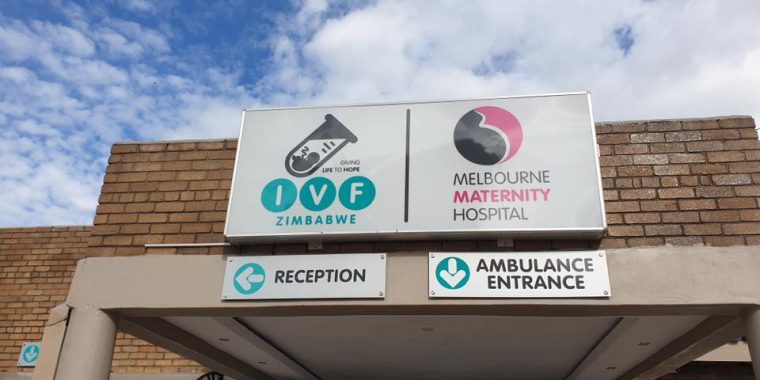
IVF inspires hope on International Women’s Day


International
Women’s
Day,
which
is
celebrated
on
March
8,
is
this
year
running
under
the
theme,
‘Give
to
Gain’.
This
offers
a
powerful
lens
through
which
to
view
the
transformative
role
of
fertility
care. 


Although
the
causes
of
infertility
affect
both
men
and
women,
women
bear
the
brunt
of
this
blame.
Even
when
infertility
is
medically
linked
to
male
factors,
cultural
norms
frequently
hold
women
responsible. 


This
misplaced
blame
perpetuates
gender
inequality,
discrimination
and
violence,
reinforcing
patriarchal
structures
that
marginalise
women
further.


The
consequences
of
infertility
extend
far
beyond
medical
concerns.
It
can
lead
to
psychological
distress,
marital
instability,
intimate
partner
violence,
risky
sexual
behaviour
and
economic
hardship. 


In
many
societies,
parenthood
is
seen
as
a
cultural
expectation.
Those
unable
to
meet
this
expectation
often
face
stigma,
loss
of
identity,
grief
and
even
ostracism
or
abuse. 


In
vitro
fertilisation
(IVF),
a
widely
used
assisted
reproductive
technology,
has
become
a
vital
option
for
couples
facing
subfertility.
In
Zimbabwe,
IVF
services
have
quietly
but
steadily
grown,
combining
modern
science
with
compassionate
care.


The
IVF
Zimbabwe
clinic
in
Harare
illustrates
this
progress,
having
achieved
remarkable
milestones,
with
390
IVF
babies
born
to
date.
Last
year
alone,
57
births
were
recorded,
an
average
of
one
IVF
baby
every
week. 


“Infertility
is
not
simply
a
medical
condition
but
a
multidimensional
issue
that
intersects
with
human
rights,
gender
justice,
economics
and
public
health,”
explained
IVF
Zimbabwe’s
doctor
Tinovimba
Mhlanga. 


“Through
opening
doors
for
women
across
diverse
backgrounds,
IVF
embodies
the
spirit
of
the
International
Women’s
Day
theme
‘Give
to
Gain,’
offering
families
the
chance
to
grow
while
challenging
harmful
narratives
around
infertility. 


“It
is
a
reminder
that
reproductive
health
is
central
to
empowerment,
dignity
and
equality.”
Dr
Tinovimba
Mhlanga
added.


Beyond
the
figures,
testimonies
from
women
who
have
undergone
IVF
speak
to
its
empowering
impact. 


One
woman
described
the
experience
as
“a
second
chance
at
life,”
explaining
that
the
birth
of
her
child
brought
not
only
joy
but
also
social
acceptance
and
relief
from
years
of
discrimination.


Another
woman
called
IVF
“liberating,”
noting
that
it
allowed
her
to
reclaim
her
identity
as
a
mother
while
pursuing
personal
and
professional
growth. 


These
stories
illustrate
that
the
benefits
of
IVF
extend
beyond
medical
success.
It
empowers
women,
reduces
stigma
and
fosters
resilience.


“In
addition
to
clinical
interventions,
a
unified
shift
in
social
attitudes,
equitable
access
to
care
and
efforts
to
dismantle
the
stigma
surrounding
childlessness
are
required. 


“Without
such
changes,
women
will
continue
to
suffer
disproportionate
blame
and
harm,
despite
infertility
being
a
shared
human
condition,”
Dr
Tinovimba
Mhlanga
added.


He
went
on
to
say
International
Women’s
Day
is
a
moment
to
reflect
on
the
progress
made
and
the
work
still
ahead.


“The
empowerment
that
comes
with
reproductive
health
services
is
profound.
Addressing
some
of
the
challenges
through
IVF
can
help
restore
dignity
and
agency
to
women,
enabling
them
to
participate
fully
in
family
life
and
society,”
Dr
Tinovimba
Mhlanga
said.

Post
published
in:

Featured
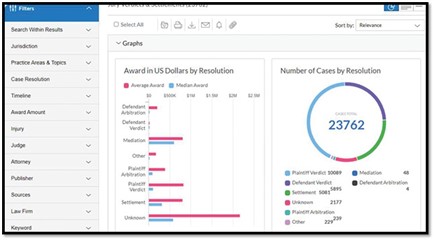
Verdict & Settlement Analyzer | Lexis® Legal Insights


*
The
views
expressed
in
externally
authored
materials
linked
or
published
on
this
site
do
not
necessarily
reflect
the
views
of
LexisNexis
Legal
&
Professional.


See
Case
Potential
at
a
Glance
 

Put
away
the
guesswork—Lexis® Verdict
&
Settlement
Analyzer

helps
legal
professionals
assess
case
potential
with
confidence
by
using
data-driven
insights
from
the
industry’s
largest
collection
of
verdicts
and
settlements.
With
over
1.6M
verdict
and
settlement
records,
the
tool
turns
raw
data
into
clear
visualizations
that
reveal
award
ranges,
outcome
trends,
and
case
patterns. 

Interactive
graphs
and
over
15
filters
instantly
show
how
similar
cases
have
been
resolved
so
you
can
determine
the
best
strategic
path
for
your
client,
and
you
can
determine
whether
it
makes
financial
sense
to
take
a
case,
pursue
settlement,
or
move
forward
with
trial.  


What
Are
Legal
Analytics?
 

Legal
analytics
applies
the
principles
of
data
science
to
the
practice
of
law.
By
analyzing
large
sets
of
verdicts,
settlements,
and
case
outcomes,
you
can
identify
patterns
that
were
once
hidden
in
text.
These
insights
help
estimate
potential
award
values,
understand
resolution
likelihood,
and
anticipate
risk
with
greater
accuracy. 

Legal
analytics
has
become
an
essential
part
of
the
day-to-day
legal
practice,
allowing
attorneys
to
combine
experience
with
evidence-based
intelligence.
The
result
is
better
advice,
more
transparent
communication,
and
decisions
that
serve
the
client’s
best
interest
every
time.  


Learn
More
About
Legal
Analytics


How
Can
Verdict
&
Settlement
Analytics
Data
Help?
 

Verdict
&
Settlement
Analyzer
provides
access
to
more
than
1.6M
verdict
&
settlement
records,
giving
you
a
comprehensive
view
of
how
similar
matters
have
been
resolved
across
jurisdictions. 

Interactive
dashboards
and
charts
let
you
explore
outcome
trends
and
identify
benchmarks
for
your
case
type.
As
you
refine
your
focus,
the
tool
updates
dynamically,
helping
you
visualize
award
distributions,
assess
case
value,
and
identify
potential
risks
before
proceeding. 


How
to
Use
Legal
Analytics
in
Verdict
&
Settlement
Analyzer
 

From
a
practical
standpoint,
this
wealth
of
analytics
data
can enhance
your
case
preparation
and
client
communication.
You
can
review
verdict
and
settlement
patterns,
understand
how
similar
cases
have
been
resolved,
and
use
that
information
to
set
fair
expectations
and
negotiation
targets.  

This
data-backed
approach
supports
transparency
with
clients,
helps
define
litigation
strategy,
and
strengthens
your
position
during
settlement
discussions.
It
also
enables
you
to
assess
the
financial
soundness
of
taking
a
case
before
significant
resources
are
committed. 


Where
the
Analytics
Data
Comes
From
 

As
with
any
analytics
solution,
the
value
begins
with
the
quality
of
the
data.
Verdict
&
Settlement
Analyzer
draws
from
trusted
LexisNexis
sources.
Lexis
collects
court
data
from
every
state
in
the
country
and
covers
cases
in
a
wide
variety
of
practice
areas.
These
authoritative
sources
are
continuously
refined
and
expanded,
ensuring
that
your
analytics
reflect
the
most
up-to-date
and
accurate
information
available. 


Why
It
Matters
 

Litigation
demands
more
than
persuasive
arguments;
it
requires
informed
strategy.
Verdict
&
Settlement
Analyzer
empowers
attorneys
to
pair
their
expertise
with
real
world
data. 

By
leveraging
legal
analytics,
you
can
evaluate
risk
objectively,
advise
clients
transparently,
and
ensure
that
every
decision
is
rooted
in
factual
insight. 
The
result
is
stronger
outcomes,
more
effective
advocacy,
and
a
measurable
advantage
in
serving
clients
well. 

To
strengthen
your
strategy
even
further,
LexisNexis
offers
a
suite
of
complementary
litigation
tools
designed
to
work
together. 


  • CourtLink®

    tracks
    dockets
    nationwide
    with
    real-time
    alerts
    and
    comprehensive
    document
    access,
    so
    you
    never
    miss
    a
    filing
    or
    case
    development. 


  • Lex
    Machina®

    delivers
    deep
    litigation
    analytics
    that
    reveal
    how
    judges,
    courts,
    counsel
    and
    parties
    behave,
    elevating
    your
    legal
    decision-making
    and
    strategy. 


  • CaseMap+™
    AI

    helps
    you
    organize
    complex
    litigation
    by
    surfacing
    key
    facts,
    timelines,
    summaries,
    and
    insights
    for
    efficient,
    collaborative
    case
    strategy. 


  • Context

    analyzes
    judicial
    language
    and
    expert
    witness
    history
    to
    predict
    tendencies
    and
    refine
    strategy. 


Explore
Verdict
&
Settlement
Analyzer
 

Discover
how
data-driven
insights
can
help
you
evaluate
case
potential,
guide
clients,
and
build
more
confident
litigation
strategies. 

If
you
could
use
that
insight, learn
more
 about
Verdict
&
Settlement
Analyzer
and request
a
Free
Trial
.  


FAQs:


Q1:
What
is
the
Lexis
Verdict
&
Settlement
Analyzer
used
for?
 
A:
It
helps
legal
professionals
analyze
verdicts
and
settlements
to
assess
case
potential,
evaluate
risk,
and
inform
strategy
using
data-driven
insights. 


Q2:
How
accurate
is
the
data
in
Verdict
&
Settlement
Analyzer?
 
A:
The
data
comes
from
trusted
LexisNexis
sources,
updated
continuously
to
reflect
the
most
recent
verdicts
and
settlements
across
U.S.
jurisdictions. 


Q3:
How
does
Verdict
&
Settlement
Analyzer
improve
client
communication?
 
A:
It
helps
set
realistic
expectations
by
showing
data-backed
award
ranges
and
outcomes,
enabling
more
transparent
client
discussions. 


Q4:
Can
Verdict
&
Settlement
Analyzer
be
used
with
other
LexisNexis
tools?
 
A:
Yes,
it
works
alongside
solutions
like
Lexis+
AI™,
Lex
Machina®,
CaseMap+™
AI,
CourtLink®,
and
Lexis®
Expert
Research
On-Demand
to
deliver
a
complete
litigation
strategy
toolkit. 

Welcome To Partnership, Sort Of: Another Top Biglaw Firm Creates An ‘Income Partner’ Tier – Above the Law

Remember
when
creating
a
nonequity
partner
tier
was
something
firms
did
quietly,
with
a
lot
of
throat-clearing
about
“market
realities”?
Those
days
are
over.
The
Am
Law
100
has
fully
embraced
the
salaried
partner
era,
and
yet
another
firm
recently
added
one
more
rung
on
the
ladder
to
equity.

Cravath
was
one
of
the
first
longtime
holdouts
to
cut
bait
and
create
“salaried
partner
tier”
 (i.e.,
nonequity
partners)
back
in
November
2023.
That
move
gave
other
highly
ranked
firms
permission
to
tread
the
same
path,
including
Paul
Weiss,
which
announced
its new
two-tier
partnership
plan
 in
March
2024;
WilmerHale,
which added
a
nonequity
partnership
tier
 in
August
2024;
Cleary,
which
announced
its
own new
partnership
platform
 in
October
2024;
Skadden,
which
began
considering
nonequity
level
 in
February
2025;
Schulte
Roth
&
Zabel,
which
announced
an income
partnership
tier
 in
March
2025
(prior
to
its merger
with
McDermott
);
Debevoise,
which
created
its nonequity
partnership
track
 in
June
2025;
Sullivan
&
Cromwell,
which
rolled
out
its nonequity
program
 in
January
2026;
and
Freshfields,
which
introduced
its

nonequity
tier

in
February
2026.

We’re
now
seeing
reports
that
Arnold
&
Porter,
the
No.
51
firm
on
the
2025
Am
Law
100,
created
an
“income
partner”
role
late
last
year.
The American
Lawyer
 has
additional
details:

As
part
of
the
new
promotion
process,
attorneys
internally
promoted
within
Arnold
&
Porter
will
generally
start
out
as
income
partners
before
being
eligible
for
the
equity
tier.

“The
vast
majority
of
Am
Law
100
firms
have
both
income
and
equity
partner
positions,
and
so
it
aligns
us
with
the
market.
We
also
did
it
because
we
think
it
gives
our
prospective
promotions,
whether
they’re
internal
or
external,
in
some
circumstances,
time
to
grow
into
their
roles,”
said
Daneker.

“We
also
did
it
to
provide
the
firm
additional
opportunities
to
compete
in
the
lateral
market,”
Daneker
added.

Unlike
what’s
apparently
been
happening
at
other
firms,
A&P
will
not
be
using
this
as
its
chance
to
de-equitize
partners.
“Other
firms
that
have
gone
through
this
have
done
mass
deequitization.
We
did
not
take
that
approach.
We
don’t
think
that’s
consistent
with
our
culture,”
Daneker
said.

Instead,
the
firm
will
be
rolling
out
enhanced
benefits
for
its
new
class
of
partners,
including
a
“significant
amount
of
training
and
other
opportunities
for
professional
development.”

Best
of
luck
to
Arnold
&
Porter
as
it
moves
forward
with
its
nonequity
partnership
program.

Is
your
firm
planning
to
increase
its
nonequity
partnership
ranks?
Please
please
text
us
(646-820-8477)
or email
us
 and
let
us
know.
Thanks.


Arnold
&
Porter
Becomes
Latest
Law
Firm
to
Adopt
Nonequity
Tier

[American
Lawyer]


Staci
Zaretsky
 is
the
managing
editor
of
Above
the
Law,
where
she’s
worked
since
2011.
She’d
love
to
hear
from
you,
so
please
feel
free
to email her
with
any
tips,
questions,
comments,
or
critiques.
You
can
follow
her
on BlueskyX/Twitter,
and Threads, or
connect
with
her
on LinkedIn.

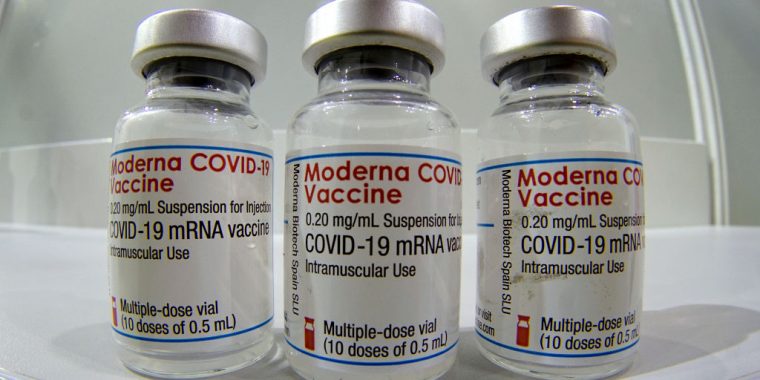
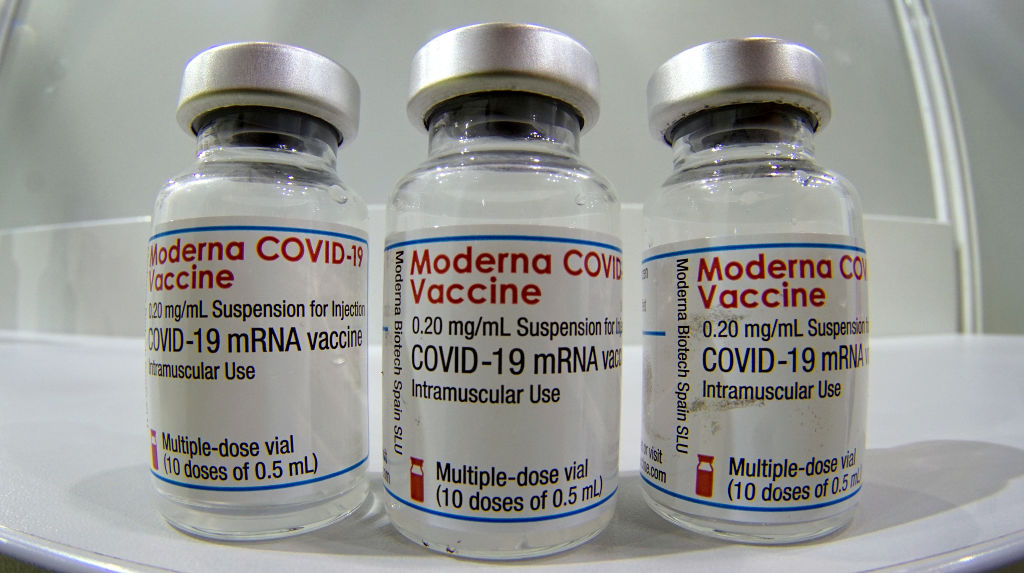
Moderna to Pay Up to $2.25B to Settle Patent Suit Over Covid-19 Vaccine Technology – MedCity News

A
patent
dispute
over
technology
key
to
messenger
RNA
Covid-19
vaccines
is
settling
with
Moderna
agreeing
to

pay
$950
million
up
front

and
potentially
more
than
$1
billion
later,
a
resolution
that
comes
days
before
the
expected
trial
start
in
litigation
that
has
been
brewing
for
years.

The
cash
will
go
to
Arbutus
Biopharma
and
Genevant
Sciences,
companies
in
which
Roivant
Sciences
holds
ownership
stakes.
Moderna
retains
the
right
to
appeal
a
narrow
legal
matter.
But
to
Roivant
CEO
Matt
Gline,
the
settlement
announced
after
Tuesday’s
market
close
is
a
victory
for
the
companies
as
well
as
its
scientists.

“Today
represents
the
first
real
acknowledgement
that
team
and
those
scientists
have
gotten
that
their
technology
was
instrumental
in
Covid-19
vaccines,
or
at
least
the
Moderna
vaccine
as
we’re
announcing
today
with
this
settlement,”
Gline
said
in
a
Tuesday
evening
conference
call.

The
patent
dispute
focused
on
lipid
nanoparticles
(LNPs),
tiny
fat
particles
that
encapsulate
mRNA
and
protect
it
during
its
journey
through
the
body
to
its
cellular
destination.
Moderna’s
mRNA
vaccine
for
Covid-19
uses
LNPs
for
delivery.
In
a
joint
complaint
filed
in
2022,
Arbutus
and
Genevant
contended
this
vaccine
infringed
their
LNP
delivery
patents.
Other
parties
have
licensed
this
technology,
and
Arbutus
and
Genevant
said
Moderna
needed
to
do
so
too.

Moderna
contended
its
Covid-19
vaccine
did
not
infringe
any
valid
patents.
But
its
defense
focused
on
another
argument:
Arbutus
and
Genevant

sued
the
wrong
party
.
Moderna
had
said
the
companies
should
instead
sue
the
U.S.
government
because
the
Covid-19
vaccine
that
became
Spikevax
was
developed
and
brought
to
the
market
under
a
federal
contract.
Citing
Section
1498
of
the
U.S.
Code,
Moderna
said
claims
against
a
government-contracted
supplier
must
proceed
against
the
government
and
in
the
U.S.
Court
of
Federal
Claims.

In
2022,
the
court
denied
Moderna’s
partial
motion
to
dismiss
under
this
federal
law,
which
would
have
shifted
liability
to
the
government.
In
pretrial
rulings
earlier
this
year,
the
court
denied
this
Moderna
defense.
The
settlement
announced
Tuesday
grants
Moderna
a
non-exclusive
global
license
to
the
Genevant/Arbutus
LNP
technology
for
mRNA
vaccines
for
infectious
diseases.
Genevant
and
Arbutus
agree
not
to
not
to
sue
Moderna
for
certain
patents.

The
settlement
requires
Moderna
to
make
a
$950
million
lump
sum
payment
by
July
8.
Moderna
owes
no
royalty
payments.
The
mRNA
vaccine
maker
retains
the
right
to
appeal,
but
only
on
the
question
of
whether
the
company
or
the
government
is
liable
for
infringement
regarding
Moderna’s
vaccine
sales
made
under
a
federal
contract.
The
company
continues
to
argue
that
as
a
government
contractor,
its
liability
is
limited.
The
additional
payout
of
up
to
$1.3
billion
hinges
on
a
court
decision
affirming
that
Moderna
is
indeed
liable
in
this
matter.

In

Moderna’s
announcement

of
the
settlement,
the
company
said
a
court
loss
related
to
the
pending
Section
1498
appeal
“is
not
probable,”
so
it
expects
no
financial
charge
will
be
recorded.
Moderna
could
appeal
the
case
all
the
way
up
to
the
U.S.
Supreme
Court.
If
Moderna
ultimately
wins,
Arbutus
and
Genevant
must
refund
any
payments
plus
interest.
Gline
said
that
all
three
times
this
issue
has
come
up
in
court
so
far,
judges
have
ruled
in
favor
of
Genevant
and
Arbutus.

“We
expect
to
win
on
this
issue
and
we
believe
we
have
the
right
side
of
the
law
here,”
he
said.
“Whether
the
Supreme
Court
decides
to
hear
a
case
like
this
is
obviously
up
to
them
and
difficult
to
predict.”

Leerink
Partners
analyst
Mani
Foroohar,
who
covers
Moderna,
said
in
a
research
note
that
the
investment
bank
viewed
Moderna’s
defense
case
as
materially
weaker.
Leerink
is
surprised
by
the
outcome,
and
the
rise
in
Moderna
shares
reflects
“relief
for
a
successful
dodged
bullet,”
Foroohar
said.
The
manageable
settlement
terms
do
not
push
Moderna’s
finances
into
distress
or
burden
profit
margins
in
the
future
with
royalty
payments

avoiding
the
two
worst-case
scenarios
for
the
company.

Moderna
investors
expected
the
company
to
face
as
much
as
$5
billion
in
projected
liability,
making
the
settlement
terms
better
than
previously
feared,
William
Blair
analysts
said
in
a
research
note.
Acknowledging
that
Moderna
believes
it
will
win
its
appeal,
the
William
Blair
analysts
noted
that
the
U.S.
District
Court’s
ruling
for
the
government
means
Moderna’s
government
contractor
argument
under
Section
1498
is
not
applicable
for
the
vast
majority
of
the
company’s
sold
Covid
vaccine
doses.
Still,
the
analysts
see
the
settlement
as
removal
of
an
overhang
on
Moderna,
leaving
the
company
with
enough
capital
to
deploy
toward
its
other
programs,
including
late-stage
oncology
vaccines
with
expected
data
readouts
this
year.
These
vaccines
could
become
new
long-term
drivers
of
revenue
growth
for
Moderna.

Roivant’s
research
into
patent
litigation
found
that
the
largest
verdict
from
a
biopharma
case
that
went
to
trial
is
the
$2.54
billion
awarded
to
Idenix
in
2016
for
its
suit
against
Gilead
Sciences
and
its
hepatitis
C
drugs.
That
verdict
was
later
overturned
and
nothing
was
paid.
The
next
largest
biotech
case
was
the
$2.1
billion
that
Teva
Pharmaceutical
and
Sun
Pharma
agreed
to
pay
in
2013
to

settle
patent
litigation

regarding
Pfizer’s
stomach
acid-reducing
drug
Protonix.
Gline
noted
that
the
potential
payout
from
Moderna
falls
between
those
cases,
placing
it
among
the
largest
disclosed
patent
settlements
in
industry
history.

Roivant
plans
to
apply
the
settlement
proceeds
toward
development
of
its
pipeline
and
potential
product
launches.
But
the
company
will
also
return
some
of
that
capital
to
stockholder,
boosting
a
planned
share
buyback
program
from
$500
million
to
$1
billion.

Roivant
also
has
ongoing
patent
infringement
litigation
against
partners
Pfizer
and
BioNTech,
which
have
a
much
larger
share
of
the
Covid-19
vaccine
market
with
their
mRNA
shot,
Comirnaty.
Gline
said
this
case
is
about
a
year
behind
the
Moderna
litigation
and
no
trial
date
has
been
set.

Other
patent
suits
over
Covid-19
vaccine
technologies
have
settled.
Last
year,

BioNTech
acquired
mRNA
company
CureVac

in
a
move
analysts
viewed
as
a
way
to
resolve
the
patent
dispute
between
the
companies.

BioNTech
later
reached
a
formal
settlement
that
paid
$740
million
to
CureVac
and
its
mRNA
R&D
partner,
GSK
.
This
deal
also
requires
BioNTech
to
pay
those
companies
royalties
on
sales
of
its
Covid-19
vaccine.


Photo:
Michael
Sohn

Pool,
Getty
Images

Morning Docket: 03.05.26 – Above the Law

*
Senate
votes
to
NOT
have
a
vote
on
approving
Iran
strikes.
When
the
Framers
conceived
of
the
separation
of
powers,
they
never
planned
for,
“what
if
one
branch
doesn’t
want
any
powers?”
[CNN]

*
DOJ
removed
47,635
files
from
the
public
Epstein
database

including
allegations
involving
President
Trump

assuring
reporters
the
files
are
merely
being
“redacted”
and
would
return
shortly.
If
you
believe
that,
we
have
an
island
to
sell
you.
[Salon]

*
OpenAI
prepares
for
IPO
with
Wachtell
and
Cooley.
[The
Information
]

*
The
search
for
lateral
talent
in
Saudi
Arabia.

Exciting
new
opportunity,
must
be
comfortable
with
Iranian
rocket
attacks
.
[Law.com
International
]

*
Charting
the
revolving
door:
A
dive
into
the
financial
ties
between
Trump
officials
and
the
industries
they’re
supposed
to
regulate.
[Pro
Publica
]

*
Jury
told
Chance
the
Rapper
stiffed
his
manager.
Well,
of
course…
it’s
not
like
he’s
Community
Chest
the
Rapper.
[Law360]

*
Democratic
governor
set
to
pardon
convicted
MAGA
election
interference
figure.
[Guardian]

*
From
DOJ
lawyer
to
polyamory
author.
A
standard
career
path.
[ARL
Now
]

New ZiG Banknotes Gazetted Ahead Of 7 April Circulation

The
statutory
instrument,
published
in
the
Government
Gazette,
gives
legal
effect
to
the
new
notes,
which
are
set
to
enter
circulation
on
7
April
2026.

The
new
family
of
ZiG
banknotes
includes
enhanced
anti-counterfeiting
features
such
as
intaglio
printing,
magnetic
security
threads,
and
colour-shifting
elements
designed
to
improve
security
and
durability.
Part
of
the
SI
reads:

“The
Minister
of
Finance,
Economic
Development
and
Investment
Promotion
hereby,
in
terms
of
section
40(3)
of
the
Reserve
Bank
of
Zimbabwe
Act
[Chapter
22:15],
made
the
following
notice
specifying
the
matters
determined
by
the
President
in
terms
of
subsection
(2)
of
that
section:—
This
notice
may
be
cited
as
the
Reserve
Bank
of
Zimbabwe
(Issue
of
Series
of
New
ZiG10,
ZiG20,
ZiG50,
ZiG100
and
ZiG200
Banknotes)
Notice,
2026.
There
shall
be
issued,
in
terms
of
the
Act…
to
replace
banknotes
in
circulation
issued
in
terms
of
Statutory
Instrument
60
of
2024.

Ncube
said
the
new
ZiG10
and
ZiG20
banknotes
will
co-circulate
with
the
ZiG10
and
ZiG20
notes
issued
under
Statutory
Instrument
60
of
2024
for
an
indefinite
period.

The
regulations
also
set
out
the
key
security
and
design
features
of
the
new
ZiG
banknotes:

“The
design
of
the
new
ten
ZiG
series
shall
be
as
follows

on
the
front
side,
the
dominant
feature
shall
be
the
logo
of
the
Reserve
Bank
of
Zimbabwe
(three
balancing
rocks)
featuring
intaglio
printing,
with
the
visually
impaired
recognition
feature
to
the
left
and
to
the
right,
image
of
the
buffalo
featuring
Intaglio
printing
to
the
left,
gold
bars
image
printed
on
the
lower
right
side
of
the
note,
peak
dynamic
image
of
the
Zimbabwe
Bird
and
denomination
“10”
registered
with
the
star,
latent
image
with
the
word
ZiG,
embedded
magnetic
security
thread
inscribed
“ZIG10”,
watermark
of
the
Zimbabwe
bird
with
highlight
10
and
see-through
Zimbabwe
Bird
looking
to
the
left
in
perfect
register,
as
secondary
features.

“On
the
back,
there
shall
be
the
Matopo
Hills
landmark
featuring
intaglio
printing,
gold
bars
image
printed
on
the
lower
left
side
and
a
see-through
Zimbabwe
Bird
looking
to
the
right.”

The
ZiG20
banknote
carries
several
distinctive
security
and
design
features.
On
the
front
of
the
note
is
the
Reserve
Bank
of
Zimbabwe
logo
featuring
the
three
balancing
rocks,
alongside
an
elephant
image
printed
using
intaglio,
positioned
on
the
left
side.
A
gold
bars
image
appears
in
the
lower
right
corner
of
the
note.

The
note
also
features
a
Peak
Dynamic
image
of
the
Zimbabwe
Bird,
the
denomination
“20”
registered
with
a
star,
and
a
latent
image
displaying
the
word
“ZiG”.
In
addition,
there
is
an
embedded
magnetic
security
thread
inscribed
“ZIG20”,
among
several
other
security
elements.

On
the
reverse
side,
the
note
displays
an
intaglio-printed
image
of
the
Parliament
of
Zimbabwe
building.
It
also
includes
a
gold
bar
image
on
the
lower
left
side
and
a
see-through
image
of
the
Zimbabwe
Bird
facing
to
the
right.
Reads
the
notice:

“The
design
of
the
new
fifty
ZiG
banknote
shall
be
as
follows

on
the
front
side,
the
dominant
feature
shall
be
the
logo
of
the
Reserve
Bank
of
Zimbabwe
(three
balancing
rocks)
featuring
intaglio
printing,
with
the
visually
impaired
recognition
feature
to
the
left
and
to
the
right,
image
of
a
rhinoceros
featuring
intaglio
printing
to
the
left,
gold
bars
image
printed
on
the
lower
right
side,
peak
dynamic
image
of
the
Zimbabwe
Bird
and
denomination
“50”
registered
with
the
star,
latent
image
with
the
word
ZiG,
embedded
magnetic
security
thread
inscribed
“ZIG
50”,
watermark
of
the
Zimbabwe
Bird
with
highlight
50
and
see-through
image
of
the
Zimbabwe
Bird
looking
to
the
left
in
perfect
register,
as
secondary
features.”

Some
of
the
ZiG100
banknote
features
include
the
RBZ
logo,
a
windowed
Rolling
Star
magnetic
security
thread
inscribed
with
“ZIG100”,
and
a
leopard’s
head
with
a
colour
shift
from
gold
to
green.

It
also
carries
a
watermark
of
the
Zimbabwe
Bird
with
a
highlighted
“100”
and
a
see-through
image
of
the
Zimbabwe
Bird
facing
left.

The
ZiG200
banknote
features
the
RBZ
logo,
an
image
of
a
lion
on
the
left
printed
with
intaglio,
and
a
colour-shifting
gold
bars
image
printed
on
the
lower
right
side.

Sabhuku Land Deals “Baron” Jailed For Selling Non-Existent Plots

Stephen
Shamu
was
handed
the
sentence
by
the
Mutare
Magistrates’
Court
for
swindling
over
US$1,100
between
July
and
November
2025.

According
to
the
National
Prosecuting
Authority
(NPA),
Shamu
falsely
claimed
he
had
the
authority
to
sell
land
in
the
area.

The
first
victim,
seeking
a
rural
home,
was
shown
a
1-hectare
plot
in
the
Dora
area
and
introduced
to
a
supposed
witness.

She
paid
a
total
of
US$525,
covering
partial
payments,
“land
clearing”
fees,
village
head
registration,
and
a
receipt.

The
second
victim,
26,
paid
US$625
for
a
plot,
including
similar
fees
and
additional
payment
for
fencing
labour.

The
fraud
came
to
light
when
the
women
attempted
to
develop
their
plots
and
were
confronted
by
the
village
head,
who
informed
them
that
the
land
belonged
to
a
local
family
and
that
Shamu
had
no
legal
right
to
sell
it.

Shamu
was
arrested
by
the
Zimbabwe
Anti-Corruption
Commission
(ZACC)
and
sentenced
to
12
months,
six
of
which
were
suspended
on
condition
of
restitution.

The
NPA
said
the
case
serves
as
a
reminder
for
people
to
verify
land
ownership
before
making
payments
and
highlights
ongoing
efforts
by
authorities
to
tackle
fraud
in
rural
communities.

US rejects claims it sought Zimbabwe’s minerals in $367m health-aid talks

HARARE

The
United
States
has
flatly
denied
that
it
was
seeking
access
to
Zimbabwe’s
mineral
wealth,
insisting
that
a
proposed
health-aid
agreement
abandoned
on
President
Emmerson
Mnangagwa’s
instructions
contained
no
provisions
related
to
the
country’s
critical
minerals.

A
US
official
familiar
with
the
negotiations
said
Zimbabwe
walked
away
from
weeks
of
intensive
technical
talks
without
offering
any
explanation,
having
never
raised
political
or
policy
concerns
throughout
the
entire
process.

“No
policy
or
political
concerns
were
relayed
to
us,”
the
official
said,
speaking
off
the
record.
“The
government
then
notified
us
it
was
ceasing
negotiations
without
stating
why.”

The
official
was
emphatic
that
the
memorandum
of
understanding
under
discussion
was
strictly
limited
to
public-health
cooperation.

“The
MOU
focused
solely
on
health
cooperation
and
did
not
contain
any
provisions
related
to
critical
minerals,
neither
explicitly
nor
implicitly,”
the
official
said.
“This
MoU
is,
and
has
always
been,
about
the
health
of
the
Zimbabwean
people.”

Washington
said
the
agreement
would
have
preserved
long-standing
global
health-data
standards,
including
the
sharing
of
anonymous,
aggregated
epidemiological
data
used
since
the
launch
of
PEPFAR
in
2006
to
track
disease
trends
and
direct
treatment
resources.

The
collapse
of
the
deal
was
confirmed
by
the
US
Embassy
in
Harare
last
week.
Ambassador
Pamela
Tremont
warned
that
the
breakdown
would
rob
Zimbabwean
communities
of
significant
benefits,
particularly
the
1.2
million
people
currently
receiving
HIV
treatment
through
US-supported
programmes.

“We
now
face
the
difficult
and
regrettable
task
of
winding
down
our
health
assistance
in
Zimbabwe,”
she
said.

The
draft
MoU
carried
$367
million
in
funding
over
five
years.

The
termination
order
traces
back
to
a
letter
dated
December
23,
signed
by
Zimbabwe’s
Secretary
for
Foreign
Affairs,
indicating
that
Mnangagwa
had
personally
ordered
talks
halted.

“Zimbabwe
must
discontinue
any
negotiation
with
the
USA
on
the
clearly
lopsided
MoU
that
blatantly
compromises
and
undermines
the
sovereignty
and
independence
of
Zimbabwe,”
the
letter
said.

The
breakdown
comes
against
the
backdrop
of
Washington’s
push
for
a
new
wave
of
bilateral
health
agreements
under
its
America
First
framework,
introduced
following
the
sweeping
downsizing
of
USAID
under
the
Trump
administration.

At
least
20
African
countries
including
Kenya,
the
DRC
and
Uganda
have
signed
the
agreements
with
the
United
States.

Zimbabwe Hikes Diesel And Petrol Prices

In
a
notice
issued
on
Wednesday
night,
ZERA
said
the
new
prices
take
immediate
effect
and
will
remain
in
place
for
the
next
two
weeks.

The
price
of
diesel
has
gone
up
to
US$1.77
per
litre,
from
US$1.52,
while
petrol
now
costs
US$1.71
per
litre,
up
from
US$1.56.

ZERA
added
that
the
actual
prices
would
have
been
higher

US$1.90
per
litre
for
diesel
and
US$1.81
per
litre
for
petrol

had
it
not
been
for
the
Government’s
decision
to
cushion
consumers
from
the
full
increase.
Reads
the
notice:

“The
petroleum
prices
are
with
immediate
effect
from
4
March
2026
for
the
next
two
weeks.

“In
the
meantime,
ZERA
will
be
closely
monitoring
the
market
developments
to
ensure
that
there
is
adequate
supply
in
the
market.

“The
above
prices
are
as
a
result
of
Government
reducing
some
of
its
charges
to
cushion
the
consumers
from
astronomical
increases
that
have
happened
from
changes
in
the
international
market.

“Without
Government
cushioning,
the
actual
prices
would
have
been
US$1.90/litre
for
diesel
and
US$1.81/litre
for
blend.”

Global
fuel
prices
have
been
climbing
in
recent
days
due
to
rising
geopolitical
tensions
in
the
Middle
East,
which
have
pushed
up
the
cost
of
crude
oil,
the
main
ingredient
for
petrol
and
diesel.

The
situation
escalated
after
joint
US–Israeli
strikes
on
Iran
and
subsequent
retaliation,
sparking
fears
of
major
supply
disruptions
in
a
region
that
provides
a
significant
portion
of
the
world’s
oil
and
gas.

These
concerns
sent
oil
prices,
including
Brent
crude,
sharply
higher,
which
in
turn
has
pushed
up
fuel
prices
at
the
pump
around
the
world.


Does Good Behavior Mean Being Agreeable? – See Also – Above the Law

Dissents
Are
Down
Since
Pauline
Newman’s
Shadow
Impeachment:
Do
judges
agree
more
or
are
they
afraid
to
dissent?
Kathryn
Ruemmler
Set
To
Give
Testimony
On
‘Uncle
Jeffrey’:
Expect
questions
about
the
expensive
gifts
and
buddy-buddy
attitude.
Pam
Bondi
Wants
To
Be
The
Law:
Should
she
be
the
only
one
who
determines
if
DOJ
lawyers
act
ethically?
Hell
no
on
3.
In
New
York
But
Not
Of
New
York:
UK
firm
opens
up
shop
in
the
Big
Apple
with
no
intention
of
doing
American
law!
Radiohead
Tells
ICE
To
Turn
The
Volume
Down:
They
join
the
musicians
preventing
their
tunes
from
sound
tracking
administration
propaganda.
On
This
Week
Of
Thinking
Like
A
Lawyer:
Behold
the
tarnished
legacy
of
Chief
Justice
John
Roberts.