*
Another
former
partner
sues
Kasowitz
alleging
unpaid
compensation.
[NY
Law
Journal]
*
The
Post
Office
will
no
longer
postmark
mail
on
the
day
it’s
sent.
The
goal
is
to
prevent
mail-in
voting,
but…
so
long
mailbox
rule![Brookings]
*
Alex
Spiro
writes
California
governor
warning
him
that
his
clients
will
leave
California
if
the
state
attempts
to
make
them
actually
pay
taxes.
[Yahoo]
*
Jeffrey
Toobin
profiles
Tom
Goldstein’s
predicament.
Key
takeaway…
it
seems
as
though
he
might
not
have
been
quite
as
good
at
poker
as
he
thought.
[New
York
Times
Magazine]
*
Professor
redesigns
contracts
course
to
recognize
the
role
AI
plays
in
modern
practice.
[Law.com]
*
Legal
Cheek’s
most
read
stories
of
the
year.
[Legal
Cheek]
Britain
loses
an
average
of
two
people
a
year
to
lightning
but
in
South
Africa
its
260.
The
populations
are
similar
at
close
to
70m,
so
why
such
a
difference?
Across
the
subcontinent
thunderstorms
are
common
and
violent,
and
millions
live
in
shacks
or
huts
with
little
protection
from
the
elements.
Aside
from
the
Cape
of
Good
Hope
with
its
Mediterranean
climate,
our
rain
falls
in
summer
—
October
to
April
—
and
getting
wet
isn’t
that
bad
when
it’s
30˚
outside.
Rural
soccer
games
carry
on,
the
crowd
sheltering
under
trees
or
umbrellas
…
and
vulnerable
in
a
region
where
lightning
not
only
strikes
but
electrifies
the
ground,
creating
a
deadly
field
of
current.
For
every
death,
half-a-dozen
more
are
injured,
yet
it’s
rarely
a
topic
of
conversation.
This
is
not
a
nanny
state,
but
at
year-end
we’re
set-upon
by
those
who
wish
it
was.
From
Boxing
Day,
there’s
uproar
about
another
kind
of
thunder:
South
Africa’s
obsession
with
using
fireworks
to
welcome
the
new
year.
In
the
remotest
village,
there’ll
be
rockets,
Catherine-wheels,
and
the
pop
of
crackers.
With
some
of
the
worst
gun
crime
anywhere,
a
nation
might
recoil
from
things
that
go
bang.
Not
a
chance.
Ahead
of
the
celebration,
lies
on-line
spread
like
a
bush
fire
—
each
one
rebutted
by
facts
from
Hansard
and
even
the
constitution
—
only
to
be
repeated
by
those
who
should
know
better.
“Setting
off
crackers
is
a
criminal
offence.”
It’s
not.
“You’ll
go
to
jail.”
Unlikely.
“Wild
animals
stampede
and
die.”
Tosh.
“Pets
get
distressed.”
Bring
them
indoors.
And
advice
that
is
rarely
followed,
“Report
offenders
to
the
police.”
More
on
that
later.
There
are
zebras,
impala
and
plenty
of
small
game
on
our
farm
and
I’ve
never
seen
them
disturbed
by
noise.
They’re
wild
but
no
matter
how
full
the
waterholes,
as
with
dogs
drinking
from
the
toilet,
our
“ponies
in
pajamas”
enjoy
a
sip
from
the
pool.
If
I
get
up
for
a
cuppa
in
the
night
they’ll
be
standing
near
the
edge,
looking
at
their
reflection
in
the
water.
And
I
feel
blessed.
In
the
daytime,
like
a
painting
by
David
Shepherd,
it’s
a
joy
to
see
them
against
the
cloud
rolling
in,
and
not
a
twitch
when
it
thunders.
So,
my
guess
is
they’re
unphased
by
fireworks.
In
the
online
groups
I
belong
to,
it’s
the
same
voices
year
after
year.
Mostly
white
and
the
wrong
side
of
50,
insulated
by
privilege
from
how
the
majority
only
just
get
by.
They
don’t
like
fireworks
just
as
I’m
against
lobsters
being
boiled
alive
and
wouldn’t
eat
one,
but
that
doesn’t
make
it
illegal.
Fireworks
are
regulated,
and
a
permit
is
needed
to
sell
them;
not
that
you’d
know.
In
the
lead-up
to
New
Year,
vendors
offer
bundles
of
the
stuff
at
traffic
lights
and
the
police,
who
should
take
action,
drive
past.
Why? Because
they
are frantically
busy!
Casualty
wards
fill
not
with
burns
from
bangers
or
even
lightning
strikes,
but
shootings,
knife
wounds
and
broken
bones.
Most
of
the
victims
and
assailants
are
black,
and
few
of
the
assaults
will
end
in
arrest.
On
Christmas
day
2020,
one
of
the
staff
at
our
farm
—
attending
an
all-night
rave
—
was
stabbed
in
the
forehead
with
a
broken
bottle.
He
turned
up
just
after
breakfast,
bleeding
and
over
the
limit
on
brandy
and
I
drove
him
50
miles
to
the
hospital.
It
was
busy,
and
next
to
us
sat
a
twentysomething
whose
scalp
had
been
chipped
by
an
axe.
The
medics
do
triage,
health
care
is
free,
my
lad
was
stitched
and
by
the
time
we
left
Mr
Axe
had
gone
for
X-rays.
“Call
the
police?”
We
rarely
do.
My
staffer
had
been
stabbed
by
a
friend
after
one
too
many;
they’re
still
buddies.
And
in
rural
areas,
bonds
are
close
and
you
don’t
set
the
law
on
your
neighbours.
Unemployment
is
standard
for
black
youth,
food
is
short,
transport
to
a
beerhall
can
be
hours
on
foot,
saving
pennies
for
the
hooch.
Another
bottle
or
money
for
rent
on
the
shack?
With
that
much
stress,
what
starts
as
a
shove
or
punch
can
spiral,
but
when
the
rockets
go
up,
everyone
stops
to
watch.
The
issues
raised
by
a
few
in
the
upper
fraction
of
society
are
valid.
Safety
is
paramount
when
handling
tubes
of
gunpowder.
Pets
can
be
distressed,
neighbours
get
annoyed,
we
should
all
be
considerate.
Every
year
I
buy
rockets
and
sparklers
for
staff
at
the
farm
who
become
heroes
when
they
turn
up
at
a
party
with
a
box
of
joy.
And
as
midnight
strikes,
there
are
cheers
and
hugs
while
hands
pound
on
the
cow-hide
drums
and
rockets
whoosh
into
the
night
and
their
stars
fall
to
earth.
Our
dogs
come
in,
cats
are
locked
in
a
room
with
milk
and
a
sandbox,
and
outside
we
watch
the
display,
visible
for
miles,
and
hear
the
cheers,
the
car
hooters
and
an
occasional
volley
of
shots
(hopefully
into
the
air).
A
new
beginning
is
at
hand.
How
many
people
get
injured
by
flaming
the
red
touch-paper
is
hard
to
say.
Unless
it’s
serious,
burns
and
injuries
are
dressed
at
home
and
go
unreported.
But
most
of
us
know
someone
who’s
been
on
the
wrong
side
of
lightning:
a
tree
in
the
garden
set
on
fire,
a
computer,
TV
or
borehole
pump
burned
out
from
a
hit
to
the
house.
Yet
there’s
no
fuss
on
Facebook,
even
less
in
the
press
but
lots
about
fireworks.
If
donors
want
to
give
aid
that
helps
the
masses,
run
a
campaign
in
Africa
on
how
not
to
be
struck
by
lightning.
Nothing
seems
to
welcome
rain
like
a
plan
for
fireworks,
and
predictions
for
New
Year’s
Eve
are
damp.
If
so,
the
rain
will
at
least
be
warm,
and
the
flash
and
kaboom
of
the
storm
will
beat
anything
lit
with
a
match.
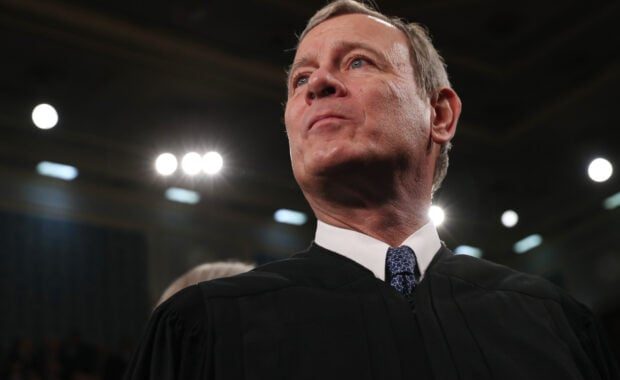
Chief
Justice
Roberts
Get
Outed
By
A
Handshake:
Hard
to
play
impartial
after
the
buddy
buddy
display.
Bye
Bye,
OCI:
Latham
dropped
out
of
the
time-tested
recruitment
method.
You’re
Arresting
Me
For
What?:
Former
cop
arrested
over
a
Facebook
meme.
Words
Have
Consequences:
Biglaw
recruiter
fired
after
racist
rant.
Meet
Danielle
Peck,
the
(now
former)
Legal
Recruiting
Director
at
Biglaw
firm
Holland
&
Knight.
She’s
about
to
learn
that
life
comes
at
you
fast
—
especially
when
you’re
caught
on
camera
throwing
around
a
racial
slur…
with
a
particularly
hard
-R.
Now,
we
don’t
know
exactly
what
led
up
to
Peck’s
confrontation
with
the
driver
of
the
truck,
but
one
thing
is
abundantly
clear:
using
the
n-word
is
never
acceptable,
no
matter
the
circumstances.
That
is
supercharged
when
you
think
about
Peck’s
role
at
the
firm
as
the
person
responsible
for
guiding
the
firm’s
hiring
and
representing
its
culture
and
values
to
law
students
and
prospective
associates.
This
problematic
behavior
is
profoundly
at
odds
with
the
firm’s
stated
values
—
even
in
a
post-
Trump’s
attacks
on
DEI
world.
Let’s
see
what
she
acts
like
away
from
the
respectability
of
Biglaw.
Shameful.
I
suppose
“racist
tirade”
is
not
quite
the
brand
message
Holland
&
Knight
is
going
for
because
the
firm
provided
the
following
statement,
“The
language
used
in
this
video
is
completely
unacceptable.
We
moved
quickly
to
investigate
this
situation
as
soon
as
we
became
aware
of
the
video.
As
a
result
of
that
process,
the
individual
is
no
longer
employed
with
the
Firm.”
Remember
it’s
2025,
there’s
no
such
thing
as
a
“private”
outburst.
Lawyers
and
legal
professionals
operate
in
a
world
where
reputations
travel
fast
and
hypocrisy
even
faster.
Firing
the
recruiting
director
was
the
easy
part.
The
harder
work
—
ensuring
that
every
person
involved
in
the
hiring
process
reflects
the
values
the
firm
says
it
stands
for
—
is
what
comes
next.
Kathryn
Rubino
is
a
Senior
Editor
at
Above
the
Law,
host
of
The
Jabot
podcast,
and
co-host
of
Thinking
Like
A
Lawyer.
AtL
tipsters
are
the
best,
so
please
connect
with
her.
Feel
free
to
email
her
with
any
tips,
questions,
or
comments
and
follow
her
on
Twitter
@Kathryn1 or
Mastodon
@[email protected].
In
my
latest
“Notes
to
My
(Legal)
Self”
interview,
I
sat
down
with
Senne
Mennes,
co-founder
of
ClauseBase
and
former
lawyer
at
DLA
Piper
Brussels.
We
talked
about
his
journey
from
practicing
IP
law
to
building
document
automation
tools.
But
what
stuck
with
me
most
wasn’t
the
technology.
It
was
how
his
relationship
to
risk
changed.
This
isn’t
just
a
founder
story.
It’s
a
blueprint
for
in-house
legal
teams
trying
to
modernize.
If
you
are
in-house
and
still
reviewing
contracts
like
every
mistake
is
catastrophic,
this
conversation
is
your
permission
slip
to
build
a
different
model.
One
based
on
iteration,
calibration,
and
speed.
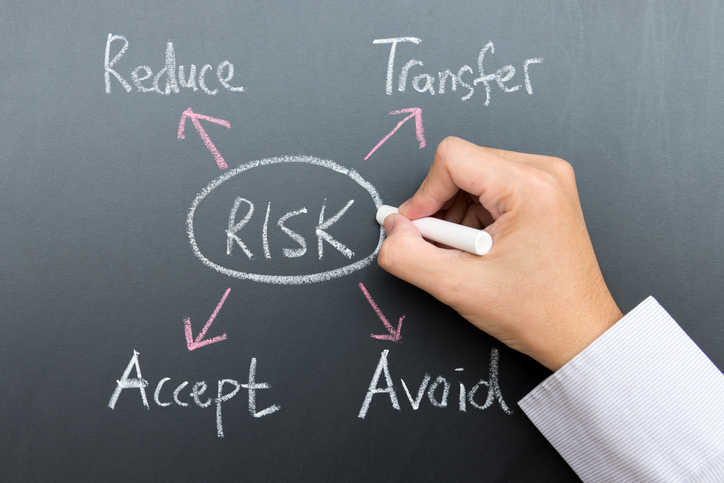
Risk
Minimization
Is
Not
a
Strategy
Senne
put
it
plainly.
“As
lawyers,
we’re
trained
to
turn
over
every
stone.
That
works
if
your
only
goal
is
to
avoid
mistakes,
but
it
also
makes
for
very
slow
progress.”
That
mindset
may
serve
you
well
in
litigation
or
regulatory
response.
But
it
is
death
to
innovation.
Especially
if
your
team
is
tasked
with
enabling
commercial
velocity,
supporting
product
launches,
or
building
internal
tooling.
The
old
posture
was
protect
and
review.
The
new
posture
is
build
and
improve.
Legal
still
needs
to
manage
risk,
but
not
by
defaulting
to
zero.
Instead,
legal
needs
to
get
good
at
identifying
which
risks
actually
matter,
which
ones
are
tolerable,
and
which
ones
can
be
flagged
and
remediated
through
systems.
Stop
Aiming
For
Perfect
Drafts.
Start
Building
Feedback
Loops.
ClauseBase
didn’t
launch
because
Senne
had
a
grand
vision.
It
launched
because
he
and
his
co-founder
were
stuck
in
a
loop
of
inefficient
drafting
inside
a
global
law
firm.
They
didn’t
like
the
tools
they
were
using.
So
they
built
the
ones
they
wished
they
had.
That’s
the
part
most
in-house
teams
miss.
Innovation
doesn’t
require
a
moonshot.
It
starts
when
you
stop
settling
for
broken
systems.
Maybe
your
team
redlines
the
same
indemnity
clause
every
week.
Or
you
spend
hours
harmonizing
NDAs.
Or
your
product
counsel
still
copy-pastes
playbooks
into
emails.
All
of
that
is
fixable.
Not
by
doing
the
work
harder.
But
by
systematizing
the
judgment
behind
your
work.
What
makes
a
clause
acceptable?
What
language
actually
triggers
friction?
Which
terms
do
you
really
care
about,
and
which
ones
just
need
to
be
tracked?
This
is
where
TermScout
lives.
In
the
layer
between
raw
contract
text
and
actionable
intelligence.
When
you
certify
a
clause
or
benchmark
it
against
market
data,
you
are
not
just
speeding
up
the
deal.
You
are
creating
a
feedback
loop.
One
that
improves
with
every
contract
you
touch.
Lawyers
Rarely
Feel
the
High.
That’s
the
Problem.
In
the
interview,
Senne
shared
why
lawyers
often
fear
risk.
“As
a
lawyer,
you’re
trained
to
minimize
risk,
but
you
don’t
get
to
experience
the
upside.
The
business
does.”
That
disconnection
is
part
of
why
lawyers
stall
innovation.
They
see
the
cost
of
mistakes,
but
not
the
benefit
of
speed.
To
build
better
legal
systems,
that
mindset
must
change.
You
can’t
calibrate
risk
if
you
never
connect
it
to
reward.
The
best
in-house
teams
are
not
just
blocking
bad
outcomes.
They
are
engineering
for
good
ones.
They
see
how
faster
review
leads
to
more
revenue.
They
see
how
clearer
contracts
reduce
negotiation
cycles.
They
track
the
upside.
And
they
own
it.
Perfectionism
Is
Not
Professionalism
Senne
also
talked
about
how
hard
it
was
to
create
content
in
the
early
days.
“Some
of
those
three-minute
videos
took
me
ten
or
fifteen
takes.
I
was
trying
to
be
perfect.”
Eventually,
he
realized
no
one
cared
about
perfect.
They
cared
about
useful.
They
cared
about
real.
That
applies
to
legal
too.
You
can
polish
a
contract
forever.
But
that
doesn’t
make
it
better.
Clarity
beats
cleverness.
Speed
beats
precision
when
the
risk
is
low.
The
goal
is
not
to
eliminate
all
ambiguity.
The
goal
is
to
build
systems
that
know
when
it
matters.
That’s
what
TermScout’s
clause
ratings
and
contract
certifications
are
designed
to
do.
They
help
legal
teams
stop
over-lawyering
and
start
standardizing.
Not
blindly.
But
strategically.
You
don’t
need
to
flatten
nuance.
You
need
to
channel
it
where
it
counts.
To
Build
Trust,
Codify
Judgment
Senne’s
transition
from
lawyer
to
founder
mirrors
the
shift
many
legal
departments
are
starting
to
make.
From
reactive
to
proactive.
From
craft
to
infrastructure.
From
gut
instinct
to
data.
None
of
this
happens
overnight.
But
it
doesn’t
require
magic.
Just
a
different
way
of
thinking.
One
where
legal
stops
being
the
department
of
no
and
becomes
the
engine
of
trust.
The
team
that
makes
clear
what’s
acceptable,
what’s
fair,
and
what’s
possible.
Risk
management
isn’t
about
saying
no.
It’s
about
building
systems
that
let
the
business
say
yes:
faster,
smarter,
and
with
confidence.
Then
ask
yourself
this:
What
would
change
if
your
legal
team
treated
contracts
as
systems,
not
artifacts?
What
if
you
stopped
aiming
for
perfect,
and
started
optimizing
for
speed,
clarity,
and
learning?
The
future
isn’t
built
on
instinct.
It’s
built
on
infrastructure.
Let’s
get
to
work.
Olga
V.
Mack is
the
CEO
of TermScout,
an
AI-powered
contract
certification
platform
that
accelerates
revenue
and
eliminates
friction
by
certifying
contracts
as
fair,
balanced,
and
market-ready.
A
serial
CEO
and
legal
tech
executive,
she
previously
led
a
company
through
a
successful
acquisition
by
LexisNexis.
Olga
is
also
a Fellow
at
CodeX,
The
Stanford
Center
for
Legal
Informatics,
and
the
Generative
AI
Editor
at
law.MIT.
She
is
a
visionary
executive
reshaping
how
we
law—how
legal
systems
are
built,
experienced,
and
trusted.
Olga teaches
at
Berkeley
Law,
lectures
widely,
and
advises
companies
of
all
sizes,
as
well
as
boards
and
institutions.
An
award-winning
general
counsel
turned
builder,
she
also
leads
early-stage
ventures
including Virtual
Gabby
(Better
Parenting
Plan), Product
Law
Hub, ESI
Flow,
and Notes
to
My
(Legal)
Self,
each
rethinking
the
practice
and
business
of
law
through
technology,
data,
and
human-centered
design.
She
has
authored The
Rise
of
Product
Lawyers, Legal
Operations
in
the
Age
of
AI
and
Data, Blockchain
Value,
and Get
on
Board,
with Visual
IQ
for
Lawyers (ABA)
forthcoming.
Olga
is
a
6x
TEDx
speaker
and
has
been
recognized
as
a
Silicon
Valley
Woman
of
Influence
and
an
ABA
Woman
in
Legal
Tech.
Her
work
reimagines
people’s
relationship
with
law—making
it
more
accessible,
inclusive,
data-driven,
and
aligned
with
how
the
world
actually
works.
She
is
also
the
host
of
the
Notes
to
My
(Legal)
Self
podcast
(streaming
on Spotify, Apple
Podcasts,
and YouTube),
and
her
insights
regularly
appear
in
Forbes,
Bloomberg
Law,
Newsweek,
VentureBeat,
ACC
Docket,
and
Above
the
Law.
She
earned
her
B.A.
and
J.D.
from
UC
Berkeley.
Follow
her
on LinkedIn and
X
@olgavmack.
They
thought
prostituting
themselves
wouldn’t
mean
losing
control,
but
after
accidentally
falling
in
love
they
tragically
learn
they
were
just
thought
of
as
a
whore
by
tacky
oligarchs.
No,
it’s
not
the
plot
of
Best
Picture
winner
Anora
—
I
mean,
it
is
that
too
—
but
the
very
real
human
drama
of
Chief
Justice
John
Roberts.
Roberts
showed
up
at
the
State
of
the
Union
last
night
expecting
to
take
in
another
evening
of
sitting
stonefaced
while
pretending
it’s
not
weird
that
the
judicial
branch
attends
the
president’s
annual
report
to
Congress.
Instead,
he
had
the
emperor’s
robes
ripped
off
him
by
a
bumbling
chief
executive
who
doesn’t
understand
the
conservative
judicial
pantomime:
The
first
rule
of
Federalist
Society
Partisan
Club
is
you
do
not
talk
about
Federalist
Society
Partisan
Club!
The
second
rule
is
enjoy
the
Chick-fil-A.
Except
for
Sam
“Flagman”
Alito,
the
conservative
justices
work
hard
to
peddle
the
mythology
that
they
aren’t
die-hard
Republicans
reverse
engineering
contemporary
GOP
policy
but
conscientious
jurists
calling
balls
and
strikes.
They’ll
make
up
reasons
why
Alexander
Hamilton
would’ve
wanted
them
to
give
police
total
immunity
or
plead
that
you
have
to
read
their
opinions
and
then
not
issue
any
opinions
in
increasingly
consequential
shadow
docket
cases
—
but
they
want
you
to
know
that
they
are
always
ALWAYS
non-partisan.
In
Trump
v.
United
States
—
ending
Trump’s
federal
criminal
cases
and
inventing
a
new
double-whammy
to
shield
presidents
from
state
cases
—
the
Chief
took
great
pains
to
characterize
the
ruling
as
entirely
normal.
Even
though
the
argument
in
the
case
explicitly
contemplated
“using
SEAL
Team
6
to
assassinate
a
political
rival.”
The
opinion
is
laughably
shoddy,
but
it
plays
the
game.
Roberts
and
his
buddies
wanted
Trump
to
win
and
they
thought
the
electorate
might
balk
if
they
found
out
some
Russian
agent
lived
in
Trump’s
pool
locker
stealing
nuclear
codes
for
four
years
or
whatever
lives
in
the
Jack
Smith
report
that
Aileen
Cannon
and
Pam
Bondi
do
NOT
want
us
to
see.
So
he
cobbled
together
this
opinion
to
give
his
favored
candidate
a
hand.
Then
he
wrote
an
annual
report
scolding
anyone
who
might
scrutinize
judicial
opinions
enough
to
suggest
a
judge
might
be
a
partisan
hack.
Maybe
Roberts
believes
his
own
mythology.
It
would
be
insane,
but
it’s
possible.
But
whether
his
illusion
was
shattered
or
just
his
attempt
to
cover
it
up,
Trump
busted
through
it
all
when
he
said
what
everyone
else
already
knew
while
patting
the
Chief
on
the
chest.
“Thank
you
again,”
he
said,
implying
this
is
not
the
first
time
he’s
thanked
him.
“Won’t
forget
it.”
As
anyone
who’s
followed
Trump’s
career
knows…
he
will
absolutely
forget
it.
Roberts
might
be
coming
to
grips
with
all
that
right
now.
One
of
the
signs
you’ve
begun
thinking
like
a
lawyer
is
when
you
happen
upon
a
news
story
and
reflexively
think
“That’s
a
lawsuit
waiting
to
happen.”
Case
in
point
—
Larry
Bushart
getting
arrested
and
charged
over
a
Trump
meme.
Thankfully,
the
long
wait
is
over:
BREAKING:
On
Sept.
21,
the
police
came
for
Larry
Bushart.
He
was
taken
from
his
home
and
jailed
for
37
days
on
a
$2
million
bond
for
posting
a
meme
after
Charlie
Kirk’s
murder.
Today,
he
is
suing
Perry
County,
TN,
law
enforcement
for
violating
his
First
Amendment
rights.
pic.twitter.com/q0zeapOIhA
This
should
be
an
open
and
shut
case
in
his
favor.
The
lawsuit
will
(hopefully)
memorialize
a
strange
moment
in
America’s
history
where
a
man’s
public
murder
was
used
as
part
of
a
larger
campaign
to
whip
up
a
frenzy
and
inspire
more
calls
to
violence
against
minorities
until
it
was
discovered
that
the
alleged
shooter
was
“demographically
uncooperative.”
The
weeks
following
Charlie
Kirk’s
murder
sent
everyone
into
a
sentiment
censorship
frenzy
where
even
paraphrasing
his
words
could
cost
you
your
job.
The
zeitgeist
was
so
heavy
with
thought
policing
and
obeying
in
advance
that
even
the
vice
president
started
jawboning
private
employers
to
discipline
their
employees
over
offending
speech.
Maybe
that’s
why
the
people
who
reported
Bushart
and
the
police
who
then
arrested
him
didn’t
feel
too
much
pause
over
the
deeply
un-American
actions
at
play.
Fear
can
get
in
the
way
of
commitments
to
liberty
—
a
few
jumps
in
reasoning
lead
people
to
think
that
Bushart’s
post
was
actually
a
call
for
more
gun
violence;
another
point
that
has
no
way
of
holding
up
in
court.
The
stakes
of
this
case
loom
large
for
Americans
as
a
whole:
FIRE
lead
attorney
Adam
Steinbaugh
who
had
this
to
say:
“If
police
can
come
to
your
door
in
the
middle
of
the
night
and
put
you
behind
bars
based
on
nothing
more
than
an
entirely
false
and
contrived
interpretation
of
a
Facebook
post,
no
one’s
First
Amendment
rights
are
safe[.]”
If
Bushart
wins,
there’s
gonna
be
a
hell
of
a
lot
of
“I
told
you
so-ing.”
If
he
loses,
the
chilling
effects
will
be
so
strong
that
we
probably
won’t
be
telling
each
other
anything
at
all.
Chris
Williams
became
a
social
media
manager
and
assistant
editor
for
Above
the
Law
in
June
2021.
Prior
to
joining
the
staff,
he
moonlighted
as
a
minor
Memelord™
in
the
Facebook
group Law
School
Memes
for
Edgy
T14s
.
He
endured
Missouri
long
enough
to
graduate
from
Washington
University
in
St.
Louis
School
of
Law.
He
is
a
former
boatbuilder
who
is
learning
to
swim, is
interested
in
critical
race
theory,
philosophy,
and
humor,
and
has
a
love
for
cycling
that
occasionally
annoys
his
peers.
You
can
reach
him
by
email
at [email protected]
and
by
tweet
at @WritesForRent.
It’s
the
morning
of
the
first
day
of
trial.
Your
opponent
calls
her
first
witness
who
testifies
about
a
video
he
says
was
taken
at
the
accident
scene.
The
video
clearly
shows
your
client
running
the
red
light.
The
witness
is
pointing
at
the
screen
and
saying
the
video
is
a
fair
and
accurate
depiction
of
what
he
observed.
The
judge
nods
his
head
knowingly
and
looks
at
you.
Your
client
is
tugging
at
your
sleeve
and
whispering
something.
There
is
something
vaguely
off
about
the
footage.
What
do
you
do?
How
do
you
attack
the
presumed
authenticity?
Should
you?
What
if
the
video
is
more
or
less
authentic
but
has
been
enhanced?
Should
you
mention
that?
How?
Deepfakes
and
evidence
created
or
enhanced
by
AI
are
going
to
become
increasingly
prevalent.
There
are
numerous
examples
but
few
solutions
or
answers
for
lawyers
like
the
above,
for
judges
who
are
evidentiary
gatekeepers,
and
for
jurors
who
are
often
the
ultimate
decision-makers
in
court.
That’s
why
what
the
Visual
Evidence
Lab
at
University
of
Colorado
Boulder
recently
created
and
did
is
important.
The
Lab
gathered
20
some
experts
from
academia,
law,
media
forensics,
journalism,
and
human
rights
practice
in
April
of
this
year
to
discuss
the
use
of
video
and
AI
for
a
full
day
and
to
talk
about
the
problems
that
AI
can
and
is
creating
in
our
courtrooms.
The
group
released
a
report
entitled,
Video’s
Day
in
Court:
Advancing
Equitable
Legal
Usage
of
Visual
Technologies
and
AI.
While
the
focus
of
the
group
was
on
video
evidence,
much
of
what
was
discussed
is
applicable
to
other
forms
of
non-documentary
evidence.
The
group
talked
about
three
key
things:
systematic
public
access
to
and
storage
of
video
evidence,
how
to
place
guidelines
on
the
interpretation
of
video
evidence
by
judges
and
juries
to
mitigate
bias
and
properly
interpret
the
evidence,
and
the
issues
posed
by
the
impact
of
AI
on
video
evidence
to
better
establish
and
ensure
reliability
and
integrity.
The
Access
Problem
The
group
was
concerned
about
access
since
unlike
documentary
evidence,
video
evidence
is
haphazardly
stored.
Why
is
that
important?
It
prevents
researchers
and
others
from
being
able
to
grasp
the
scope
of
the
problem
and
the
risks
it
poses.
It
also
precludes
a
meaningful
analysis
of
the
characteristics
that
might
indicate
a
deepfake:
“These
visual
materials
cannot
become
a
proper
part
of
common-law
jurisprudence
either
because
lawyers
and
judges
are
not
able
to
refer
in
any
reasoned
fashion
to
decisions
of
other
courts
regarding
comparable
videos.”
Frankly,
I
had
not
thought
of
this
issue.
But
as
we
shall
see
later
in
the
report
discussed
below,
the
lack
of
the
ability
to
understand
the
scope
and
magnitude
of
the
problem
hampers
the
ability
to
systematically
deal
with
it.
You
can’t
solve
a
problem
with
anecdotes
instead
of
facts.
But
anecdotes
are
all
we
have
right
now.
And
the
access
problem
is
only
the
beginning.
The
Interpretation
Problem
The
impact
of
video
evidence
is
different
than
documentary
evidence
in
ways
that
are
often
misunderstood.
There’s
lots
of
psychology
research
that
shows
perception
of
video
evidence
can
be
more
selective,
biased,
and
shaped
by
what
the
report
calls
motivated
reasoning,
that
is,
using
the
evidence
to
support
a
preexisting
conclusion.
In
addition,
the
video
medium
can
be
manipulated
to
shape
interpretations.
Things
like
playback
speed
can
alter
the
perception
of
video
evidence:
it
makes
the
depicted
action
seem
more
deliberate.
Other
factors
including
camera
angle
and
field
of
view
are
important.
The
report
concludes,
“Despite
the
multiple
factors
shaping
interpretation
and
decision-making,
judges,
lawyers,
and
jurors
are
largely
unaware
of
the
various
influences
on
how
they
construe
what
they
see
in
a
video.”
Put
bluntly,
video
evidence,
by
its
very
nature,
impacts
decision-making
in
ways
that
are
different
than
other
evidence.
There
is
precious
little
study
of
how
this
impacts
decision-making
in
the
courtroom
and
how
altering
or
enhancing
the
video
can
impact
that
reasoning.
Without
that,
it’s
hard
to
know
what
is
fair
and
how
to
define
what
is
impartial
when
it
comes
to
decision-making.
For
example,
is
it
fair
for
a
jury
to
be
presented
with
an
enhanced
video
to
better
demonstrate
a
bloody
and
brutal
injury?
Or
does
that
place
jurors
too
close
to
the
victim
and
interfere
with
fairness?
The
Impact
of
AI
All
of
these
issues
are
compounded
by
AI,
the
report
concluded.
It’s
hard
to
confidently
distinguish
whether
a
video
accurately
depicts
what
it
is
being
offered
to
show,
the
standard
test
of
authenticity.
Three
questions
arise:
The
difficulty
detecting
and
verifying
AI-created
media
The
uncertainty
about
what
kind
of
enhancement
is
permissible
in
court
The
fear
that
deepfakes
may
become
more
prevalent
Here’s
the
problem:
as
noted
by
the
report,
the
Advisory
Committee
on
Federal
Evidentiary
Rules
decided
in
May
of
this
year
that
no
changes
to
Evidentiary
Rule
901
which
governs
authenticity
were
necessary.
Why?
Because
the
Committee
concluded
so
few
deepfakes
had
been
offered
as
evidence.
(Of
course,
that
assumes
that
all
“deepfakes”
had
been
found,
labelled,
and
that
labelling
recorded
in
a
way
that
could
be
accessed,
which
gets
back
to
the
first
problem.)
The
Lab
report
notes:
The
central
challenge
is
how
to
establish
robust
authentication
standards
that
can
withstand
scrutiny,
without
simultaneously
creating
verification
systems
that
compromise
people’s
right
to
confront
evidence
or
endanger
the
human
rights
of
media
creators
and
witnesses.
The
report
also
noted
that
courts
have
long
allowed
the
use
and
admission
of
technologically
enhanced
media
like
enlarged
photos
and
interactive
3D
models.
But
AI
tools
bring
new
levels
of
enhancement
not
seen
before.
Moreover,
the
ease
of
use
and
affordability
of
these
tools
make
them
ubiquitous.
Things
like
changes
to
resolution,
brightness,
contrast,
sharpness,
and
other
features
allow
video
evidence
(and
photographic
evidence
for
that
matter)
—
features
we
all
use
every
day,
by
the
way
—
to
be
presented
in
new
and
persuasive
ways.
Here’s
a
real-world
example
of
a
problem
with
video.
In
a
previous
life,
I
was
a
swim
official.
One
of
the
calls
a
swimming
official
makes
is
to
make
sure
in
relay
events
no
swimmer
leaves
the
blocks
before
his
teammate
touches
the
wall.
The
only
way
to
do
that
is
to
stand
right
next
to
the
block.
I
can’t
tell
you
how
many
times
a
spectator
would
come
to
me
with
a
video
taken
30
yards
away
to
dispute
a
call.
That
video,
of
course,
is
not
an
accurate
depiction
of
what
actually
happened.
But
the
spectator
would
extrapolate
what
actually
happened
from
that
video.
The
question
is
at
what
point
do
those
kinds
of
enhancements
cross
the
line
between
what
is
convenient
and
proper
and
become
a
deepfake?
We
have
no
firm,
universal
rules
to
determine
this.
Without
these
rules,
inequalities
exist
which
undermines
a
consistent
application
of
the
rule
of
law.
There
is,
by
the
way,
a
proposed
amendment
to
Evidentiary
Rule
707
that
would
apply
the
Daubert
standard
of
reliability
to
determine
the
admissibility
of
AI-enhanced
and
-generated
evidence.
It
is
open
for
public
comment
until
February
2026.
All
of
this,
combined
with
the
fear
that
deepfakes
are
going
to
become
more
and
more
prevalent,
all
raise
issues
of
evidentiary
integrity,
says
the
report.
What
Is
There
to
Do?
The
Colorado
gang
didn’t
just
stop
at
identifying
a
problem,
they
came
up
with
several
recommendations
to
get
us
to
some
solutions:
The
development
of
standards
for
labeling,
storing,
securing,
and
archiving
video
evidence.
This
would
include
a
data
strategy
along
with
a
decentralized
architecture
that
would
enable
use
and
analysis
of
that
data.
The
development
of
visual
evidence
training
for
judges
(e.g.,
how
to
probe
and
ask
relevant
questions)
to
better
perform
their
role
as
gatekeepers.
The
development
of
research-based
guidance
to
help
jurors
better
evaluate
video
evidence.
Systematic
research
into
the
prevalence
of
deepfakes
in
court
to
develop
safeguards
for
AI-generated
evidence.
The
issuance
of
ethics
opinions
on
the
offering
of
known
or
suspected
AI-generated
or
-enhanced
evidence.
According
to
the
report:
Judges
must
be
prepared
to
handle
cases
involving
AI-generated
and
AI-enhanced
video
evidence.
Improving
notice
and
disclosure
for
AI-enhanced
evidence
can
help
safeguard
reliability
without
further
exacerbating
the
inequality
of
access
to
justice.
The
Report
Conclusion
The
Report
concluded
as
follows:
The
development
of
a
long-term
infrastructure
for
storing
and
accessing
evidentiary
videos,
research-based
training
for
judges,
instructions
for
jurors,
and
safeguards
for
the
admission
of
AI-based
evidence
will
advance
the
consistent
and
fair
use
of
video
and
AI
technologies
in
the
pursuit
of
justice.
Some
Final
Thoughts
Yes,
the
report
is
short
on
concrete,
practical
solutions.
It’s
one
thing
to
say
we
need
to
do
things
like
educate
judges.
It’s
another
thing
to
create
training
modules
and
roundtables
to
do
just
that.
The
former
is
easy,
the
latter
harder.
But
what
the
Lab
has
done
is
a
start.
It’s
a
studied,
inclusive,
and
fair
examination
of
a
problem
that’s
only
going
to
get
worse
without
action.
While
the
devil
is
often
in
the
details,
you
don’t
get
to
the
details
without
understanding
the
problem
you
are
trying
to
solve.
That’s
what
the
Colorado
group
is
doing.
That’s
what
we
need
more
of
if
we
as
a
profession
are
going
to
successfully
confront
the
problem.
Until
we
get
serious
about
understanding
the
scope
of
this
problem,
we’re
just
playing
courtroom
roulette
with
the
truth.
Stephen
Embry
is
a
lawyer,
speaker,
blogger,
and
writer.
He
publishes TechLaw
Crossroads,
a
blog
devoted
to
the
examination
of
the
tension
between
technology,
the
law,
and
the
practice
of
law.
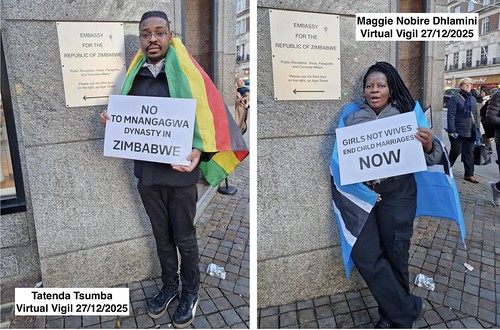
Next
Vigil
meeting
outside
the
Zimbabwe
Embassy. Saturday
3rd January
2026
from
2
–
5
pm.
We
meet
on
the
first
and
third
Saturdays
of
every
month.
On
other
Saturdays
the
virtual
Vigil
will
run.
The
Restoration
of
Human
Rights
in
Zimbabwe
(ROHR) is
the
Vigil’s
partner
organisation
based
in
Zimbabwe.
ROHR
grew
out
of
the
need
for
the
Vigil
to
have
an
organisation
on
the
ground
in
Zimbabwe
which
reflected
the
Vigil’s
mission
statement
in
a
practical
way.
ROHR
in
the
UK
actively
fundraises
through
membership
subscriptions,
events,
sales
etc
to
support
the
activities
of
ROHR
in
Zimbabwe.
The
Vigil’s
book
‘Zimbabwe
Emergency’ is
based
on
our
weekly
diaries.
It
records
how
events
in
Zimbabwe
have
unfolded
as
seen
by
the
diaspora
in
the
UK.
It
chronicles
the
economic
disintegration,
violence,
growing
oppression
and
political
manoeuvring
–
and
the
tragic
human
cost
involved. It
is
available
at
the
Vigil.
All
proceeds
go
to
the
Vigil
and
our
sister
organisation
the
Restoration
of
Human
Rights
in
Zimbabwe’s
work
in
Zimbabwe.
The
book
is
also
available
from
Amazon.
The
Vigil,
outside
the
Zimbabwe
Embassy,
429
Strand,
London
meets
regularly
on
Saturdays
from
14.00
to
17.00
to
protest
against
gross
violations
of
human
rights
in
Zimbabwe.
The
Vigil
which started
in
October
2002
will
continue
until
internationally-monitored,
free
and
fair
elections
are
held
in
Zimbabwe.









 Kathryn