New types of ranching on medium-scale land reform farms in Matobo, Zimbabwe

The
farms
have
been
carved
out
of
huge
ranches
with
an
average
of
2800
hectares,
with
current
farms
being
around
486
ha
on
average.
The
other
medium-scale
farms
in
the
area

which
we
combine
in
our
analysis
with
A2
farms

are
so-called
three-tier
farms
with
average
sizes
of
302
ha,
which
were
allocated
by
the
district
council
prior
to
the
land
reform.

Most
farms
in
our
sample
are
not
inhabited
permanently
by
the
farm
owner,
although
this
has
shifted
over
time
as
owners
have
retired
from
jobs
in
town.
Many
farms
have
very
basic
forms
of
accommodation
mostly
occupied
by
farm
workers
who
manage
the
herding
of
animals,
as
well
as
sometimes
some
limited
irrigated
horticulture
near
the
homesteads.
A2
farms
include
many
who
were
formerly
war
veterans,
often
with
the
ZIPRA
liberation
army,
but
many
have
not
had
high
level
political
connections
as
is
common
with
those
coming
from
Mashonaland
and
so
have
not
had
access
to
sources
of
patronage
from
the
party-state.
As
discussed
below,
most
financing
comes
from
private
sources,
including
off-farm
businesses,
diaspora
remittances
and
other
jobs,
including
with
NGOs
and
as
consultants
(although
with
the
collapse
of
aid
funding,
this
is
now
more
difficult).


Investing
in
livestock

Investment
in
these
farms
has
mostly
been
focused
on
livestock
production,
with
fencing
established
for
creating
paddocks
and
holding
pens,
and
near
homesteads
there
are
often
dipping
races,
barns
and
watering
points.
This
is
a
dry
area
and
with
subdivided
farms
one
of
the
imperatives
is
to
secure
a
water
source
on
the
new
farm.
In
the
past,
water
points

boreholes,
dams,
ponds
and
so
on

were
spread
over
vast
areas,
with
many
farms
including
both
‘sweet’
and
‘sour’
veld
grazing,
allowing
flexible
movement
across
the
ranch.
Today
this
may
not
be
possible,
and
a
more
intensive
management
of
livestock
has
emerged
in
some
areas,
with
boreholes
being
drilled
and
feed
and
supplements
imported
to
supplement
what
exists
on
the
farm.
New
A2
farms
were
often
not
created
with
the
variable
ecology
in
mind,
so
a
farm
may
have
no
water
and
only
sour
veld
available
within
its
perimeters,
making
lease
grazing
and/or
importing
feed
essential.

Many
attempts
to
drill
boreholes
for
animal
drinking,
dip
races,
domestic
use
or
small-scale
garden
or
fodder
irrigation
have
failed
in
this
area.
The
groundwater
levels
are
deep,
and
the
availability
of
obvious
wetland
areas
limited.
Many
farmers
have
lost
thousands
of
US
dollars
on
failed
attempts
with
borehole
drilling
companies
who
sell
their
services
across
the
area.
In
some
cases,
existing
but
now
dilapidated
infrastructure
can
be
rehabilitated,
whether
dipping
races
or
irrigation
systems.
In
other
cases,
the
allocation
was
just
a
former
paddock,
and
nothing
existed
before.
In
some
areas,
the
new
farmers
have
come
together
and
collaborated
on
infrastructure
development;
for
example,
there
is
a
water
sharing
group
amongst
six
farmers
in
Wild
East
area,
with
a
revived
pump
allowing
for
the
supply
of
water
to
homesteads,
and
dipping
amongst
four
farmers
in
Mampondweni
farm.


Market
relations

Relationships
with
markets
are
essential
for
such
A2
farmers
in
Matobo,
but
long
distances
and
often
small
herds
and
therefore
limited
offtake
make
it
difficult
to
market
efficiently.
Getting
a
live
animal
to
a
market
is
costly
given
the
costs
of
transport
on
challenging
roads.
Some
rely
on
mobile
traders
with
huge
trucks
who
move
around
these
farms,
with
local
‘agents’
who
buy
cattle
for
them
at
a
cheap
price.
 Others
hire
transport
to
take
animals
to
abattoirs
or
the
auction
market,
CC
Sales
near
Bulawayo.
The
cost
of
transport
animals
to
abattoirs/auctions
in
town
is
US$50
per
animal
per
trip.

Transporting
animals
to
markets
is
risky
because
of
cartels
of
often
former
white
ranchers
that
dominate
the
abattoir
and
auction
businesses
in
this
region.
This
means
that
animals
do
not
exceed
a
certain
price.
While
livestock
owners
can
bargain
with
mobile
agents
at
the
farm,
when
paying
the
cost
of
transport
to
town
bargaining
options
reduce
when
dealing
with
abattoirs
and
auctions.


Coordinating
labour

Managing
and
coordinating
labour
is
essential
in
the
livestock
system
of
Matobo.
This
is
not
easy.
With
most
livestock
owners
based
in
town
and
visiting
irregularly

at
most
once
a
week,
often
once
a
fortnight

reliance
on
farm
labour
for
herding
and
overall
farm
management
is
essential.
Having
a
senior
farm
manager
is
essential.
Salaries
are
low,
amounting
to
around
1000
South
African
Rands
a
month,
with
some
basic
food
provisions
provided
(often
soya
chunks
and
mealie
meal).
Many
workers
in
the
past
harvested
the
then
plentiful
game
but
this
is
now
largely
depleted.

There
is
a
huge
turnover
of
herding
labour
in
these
areas,
with
workers
coming
and
going.
These
are
not
easy
places
to
live
and
the
attractions
of
gold
mining,
for
example,
in
the
areas
to
the
south
is
strong.
Workers
may
be
recruited
locally,
but
many
come
from
other
parts
of
the
country,
from
as
far
as
Binga
in
Matabeleland
North,
for
example.
Most
workers
are
single
men
or
sometimes
couples,
as
there
are
few
amenities
nearby
and
no
schools
for
children
making
it
difficult
to
live
with
a
family
on
the
farms.


Gender
and
generational
challenges

In
many
of
our
A2
(plus
3-tier)
farms
in
our
sample,
the
original
recipient
of
the
land
has
passed
on,
and
wives
have
taken
over
the
land.
As
they
commented
to
us,
this
is
really
tough.
 To
visit
a
farm,
you
have
to
leave
Bulawayo
at
4
am
and
only
get
back
in
the
evening.
These
are
remote
places,
where
a
car
breakdown
can
cause
major
problems
(as
we
have
found
on
several
occasions).
The
negotiation
of
grazing
access
and
the
management
of
cattle
over
wide
areas
requires
interacting
with
men
on
other
farms
who
may
not
respect
women
and
their
knowledge
of
and
commitment
to
cattle
keeping.

Many
widows
wish
that
their
sons
would
take
over,
but
generational
transitions
amongst
our
sample
have
been
rare
as
sons
too
are
not
so
keen
on
livestock
keeping
in
remote
areas,
even
if
from
a
town
(or
even
diaspora)
base.
Female
farm
owners
may
therefore
work
together
with
a
relative
or
friend
on
a
nearby
farm,
combining
forces
effectively
amalgamating
their
farms,
or
they
may
persuade
a
male
relative
to
come
and
lead
the
day-to-day
activities.


Case
1:
MM,
Toko
North


MM
was
born
in
1977,
and
grew
up
in
Bulawayo.
She
works
as
a
records
manager
at
a
parastatal
in
Bulawayo,
while
her
husband
works
as
an
engineer
in
South
Africa. 
His
father
worked
as
a
vehicle
inspector
at
the
Vehicle
Inspectorate
Department,
and
was
a
cattle
farmer
of
established
reputation
in
Matobo
district.
In
2002,
he
managed
to
acquire
a
284
ha
A2
plot
in
Toko
North
but
could
not
occupy
the
farm
due
to
the
white
farmer’s
resistance
until
his
death
in
2012.
MM’s
father
passed
away
in
2007.
 In
conformity
with
the
Ndebele
custom,
MM’s
mother
persuaded
two
of
her
oldest
sons
to
take
over
the
farm.
The
sons,
however,
declined.
One
of
the
oldest
sons
emigrated
to
the
UK,
while
the
other
son
worked
at
World
Vision.
A
decision
was
then
made
to
sell
the
450
head
of
cattle
immediately.
In
2012,
MM’s
mother
agreed
to
take
over
the
farm.
She
successfully
managed
to
change
the
plot
into
her
own
name.
After
taking
over
the
farm,
MM
and
her
husband
started
building
up
their
herd
using
income
from
their
wages.
They
started
with
five
head
of
cattle,
which
they
had
bought
before
taking
over
the
farm.
They
have
since
build
their
herd
to
79
through
natural
increase
and
purchase.
In
2016,
her
male
cousin
who
owns
an
adjoining
plot
provided
the
fencing
materials
and
labour
to
fence
MM’s
farm
in
return
for
access
to
grazing.
Her
cousin
also
helps
MM
with
the
general
management
of
cattle.
Because
of
the
predominance
of
men
in
the
area,
MM
explained
that
it
is
difficult
to
negotiate
access
to
additional
grazing
during
periods
of
drought,
so
her
cousin
helps.
One
of
MM’s
biggest
challenges
is
lack
of
financial
resources
to
invest
in
the
farm.
To
address
this,
she
is
a
member
of
several
savings
groups
with
other
farmers
and
workmates.


Case
2:
SJ,
Mampondweni


SJ
is
a
widow
in
her
late
50s
and
works
as
a
secondary
school
teacher
in
Bulawayo.
SJ
and
her
now
late
husband
acquired
a
122
ha
self-contained
plot
in
2014
from
Matobo
Rural
District
Council
after
an
original
beneficiary
had
surrendered
the
plot.
At
settlement,
the
household
had
24
cattle
of
indigenous
(amakhaya)
breeds,
which
SJ’s
husband
had
inherited
from
his
father.
Over
time,
they
added
more
cattle
through
purchase
and
exchanged
amakhaya
breeds
with
‘mixed’
Brahman
breeds
with
large
frames.
When
SJ’s
husband
passed
away
due
to
COVID-19
in
2020,
the
household’s
herd
had
increased
to
over
100,
and
they
were
leasing
in
additional
grazing
in
Figtree
area.
They
had
also
invested
in
a
tractor
and
hay
baler
using
savings
from
her
husband’s
job
in
South
Africa.
Following
the
death
of
her
husband,
SJ
decided
to
substantially
reduce
the
herd
to
35,
given
the
difficulties
of
managing
cattle
in
different
places.
In
fact,
she
nearly
gave
up
altogether,
but
her
brother
encouraged
her
to
hold
on
and
also
vowed
to
provide
assistance
if
needed.
SJ
said
that
one
of
her
biggest
challenges
is
that
her
two
children
(a
boy
and
girl)
are
in
South
Africa.
“It
would
be
helpful
if
they
were
here
to
help

maybe
one
day
they
will
come
back”,
she
said. 
“This
project
(cattle)
is
not
for
women.
Most
of
these
farms
are
operated
by
men,
and
the
workers
are
mostly
men
too,
which
is
difficult
if
you
are
a
woman.
For
security
reasons,
I
can’t
sleep
at
the
farm.
I
visit
every
forty-night.
When
going
to
the
farm,
I
leave
around
4
am
in
the
morning
and
come
back
around
5pm
in
the
afternoon.” 


Financing
the
farm

The
financing
of
livestock
farming
in
the
A2
farms
has
largely
been
through
own-finances,
usually
derived
from
off-farm
work
by
the
male
(sometimes
female)
farm
owners.
Many
different
businesses
in
town

from
transport
businesses
to
law
firms
to
formal
gold
mining

are
being
combined
with
farming
as
joint
efforts,
with
profits
from
one
(usually
the
town
business)
being
invested
in
the
other
(usually
the
farm).
Repeated
droughts,
problems
with
predation,
prolific
cattle
theft,
large-scale
rustling
and
animal
diseases
have
meant
that
cattle
populations
have
gone
up
and
down
over
time.
Without
regular
maintenance
(supplementary
feeding,
veterinary
care
and
so
on),
the
prospects
of
significant
returns
from
livestock
shrink.
Profits
are
therefore
small
or
non-existent,
except
for
a
few.


Case
3:
MX,
Toko
North


MX
was
born
in
1977
in
Matobo
district,
and
is
an
auto-mechanic
by
profession.
He
currently
runs
a
driving
school
(with
offices
in
Bulawayo
and
Plumtree)
and
a
milling
company,
with
a
combined
100
permanent
employees.
In
2014,
he
decided
to
venture
into
livestock
farming,
but
he
had
no
land.
During
the
early
years
of
land
reform,
MX
was
reluctant
to
obtain
land.
“At
first,
as
a
young
person,
I
thought
land
reform
was
a
political
gimmick.
I
didn’t
want
to
be
part
of
it.
I
only
realised
the
benefits
of
the
programme
later.”
In
2014,
he
decided
to
purchase
informally
a
350
ha
A2
plot
from
his
uncle,
who
acquired
the
farm
in
2002.
The
uncle
is
a
retired
lieutenant
colonel
in
the
army,
who
is
now
old
and
sick
and
unable
to
operate
the
farm.
The
uncle
had
no
male
children
of
his
own
to
take
over
the
farm.
Following
the
purchase,
MX
attempted
to
transfer
the
ownership
of
the
farm
officially
into
his
name,
but
the
transaction
was
not
allowed
to
go
through.
 A
senior
official
however
advised
MX
and
his
uncle
to
register
the
transaction
as
a
‘joint
venture’
as
this
is
allowed
by
law.
A
key
government
regulation
is
that
a
farm
can
only
change
hands
if
the
original
beneficiary
passes
on
and
his/her
spouse
or
children
(often
with
a
similar
surname)
takes
over,
not
any
other
relative.
After
MX
took
possession
of
the
farm,
MX
rapidly
invested
in
livestock,
livestock
handling
facilities,
fencing,
elaborate
houses
for
his
family
and
workers,
water
pumps
and
grinding
mills.
All
this
was
financed
through
earnings
from
his
business.
By
2022,
his
herd
had
increased
to
450
cattle,
of
which
only
150
cattle
were
kept
and
grazed
at
his
plot,
while
the
rest
of
the
herd
is
grazed
in
a
number
of
leased
farms.
He
also
runs
an
additional
herd
of
150
cattle
in
partnership
with
his
cousin
who
lives
in
the
UK.
In
2022,
he
purchased
23
‘pure’
Brahmans
for
US$1,200
each
from
a
registered
stud
breeder,
with
the
aim
of
improving
the
quality
of
his
herd.


Case
4:
ME


63-year-old,
ME
is
a
war
veteran,
businessman
and
senior
ZANU-PF
politician.
Once
a
school
headmaster
at
a
local
school
before
his
retirement
from
the
job
in
2017,
he
joined
politics
and
became
an
MP
in
2018
and
subsequently
became
a
cabinet
minister.
He
acquired
a
162
ha
self-contained
plot
in
1999.
Over
the
years,
he
has
also
informally
purchased
several
additional
plots
from
struggling
neighbours.
At
settlement,
he
had
11
cattle.
In
2008,
he
received
a
government
loan
of
ZW$30
billion
under
the
Farm
Mechanisation
programme
to
buy
30
in-calf
heifers
and
repaid
the
loan
a
year
later
when
the
value
of
the
money
had
diminished
due
to
hyperinflation.
In
2018,
he
received
five
heifers
under
the
Command
Livestock
programme,
although
he
already
had
200
cattle.
Today,
he
owns
more
than
200
cattle.
Initially,
he
mainly
relied
on
leasing-in
additional
land
for
grazing.
Using
his
political
influence,
he
is
able
to
secure
access
to
grazing
and
water
for
free
during
periods
of
drought.
For
example,
during
last
drought,
he
moved
his
cattle
Agricultural
Rural
Development
Authority
(ARDA)
Antelope
estate
in
Maphisa,
where
he
grazed
his
animals
free
of
charge.
Besides
being
a
politician,
DM
and
his
children
operate
several
family-run
businesses,
including
grocery
shops,
brick-moulding
and
transport
businesses.
All
this
has
enabled
him
to
invest
substantially
in
livestock,
a
small
weir,
an
elaborate
homestead
(with
solar
system
and
biogas),
fencing
and
expensive
water
infrastructure.


Mixed
fortunes

The
medium-scale
farms
of
Matobo
district
have
therefore
had
mixed
fortunes
over
time.
Few
have
emerged
as
successful
ranching
operations
as
the
land
sizes
of
allocated
farms
are
too
small.
Some
have
become
effective
operators
if
they
have
external
finance
and
can
supplement
their
herds,
while
others
are
reliant
on
collaborative
arrangements
across
farms
through
extensive
patterns
of
land
leasing.

There
is
huge
variety
and
no
single
pattern.
The
net
effect
though
is
that
these
farms
continue
to
provide
significant
quantities
of
meat
to
the
market,
via
abattoirs
and
butcheries.
It
may
not
be
the
high
value
export
meat
production
of
before,
but
for
local
markets
the
A2
land
reform
areas
are
delivering,
even
while
facing
significant
challenges.


This
post
was
written
by Ian
Scoones
 and Tapiwa
Chatikobo
 and
first
appeared
on Zimbabweland
.

Post
published
in:

Agriculture

Who has the right to own land in Africa?

One
of
the
most
anticipated
plenary
sessions
during
this
year’s Conference
on
Land
Policy
in
Africa
(CLPA)
 featured
panelists
from
diverse
professional
backgrounds
to
speak
on
the
topic: Colonial
continuities
and
discontinuities:
Who
has
the
right
to
access
and
own
land
in
Africa”
.  With
Kimani
Njogu
as
the
Session
Chair,
the
panel
of
presenters
included
Justice
Smokin
Wanjala,
Judge
of
the
Supreme
Court
of
Kenya
and
Director
General
of
the
Kenya
Judiciary
Academy;
Tsitsi
Choruma-Dozwa,
Commissioner
of
the
Zimbabwe
Land
Commission,
and
Jimmy
Ochom,
Land
Rights
Coordinator
from
Oxfam.

Justice
Wanjala
opened
the
floor
by
reminding
participants
of
the
ways
in
which
colonial
legacies
continue
to
shape
land
ownership
and
access,
displacing
communities
and
undermining
customary
systems.
Drawing
examples
from
Kenya,
he
highlighted
the
country’s
jurisprudence
that
has
held
since
independence,
giving
priority
to
land
registration
by
individuals
or
entities
over
customary
land
claims
that
governed
African
land
before
colonialism.
He
urged
members
to
be
careful
in
their
solution-finding
in
order
to
not
base
new
laws
and
constitutions
on
colonial
continuities.  He
said
that,
despite
being
sidelined,
customary
tenure
systems
remain
resilient
and
functional
in
many
parts.
The
challenge
posed
to
participants
was
to
formally
recognize
these
systems
and
integrate
them
into
modern
land
administration
frameworks.

Ms.
Choruma-Dozwa
began
her
presentation
by
asking
participants
to
reflect
on
the
question: Who
has
the
right
to
land
in
Africa?
 Using
Zimbabwe’s
history
with
land
acts
and
agreements,
participants
were
able
to
follow
the
formulation
and
enforcement
of
discriminatory
land
acts
through
to
their
subsequent
discontinuation.
The
Land
Apportionment
Act
and
Land
Tenure
Act
of
1931
and
1969
respectively
racially
segregated
land
in
Zimbabwe,
awarding
Europeans
and
Africans
the
same
amount
of
land
(45
million
hectares
each)
despite
the
disparity
in
population
(Africans
were  95%
of
the
population
while
Europeans
only
made
up
5%).
The
unequal
distribution
of
land
was
at
the
centre
of
the
independence
war
in
Zimbabwe
that
marked
the
beginning
of
apportioning
of
African
land
to
Africans.
Some
of
the
measures
put
in
place
included
the
decongestion
policy
where
Africans
were
allowed
to
live
and
work
on
their
land.
Furthermore,
farmers
were
given
priority
for
settlement
to
ensure
the
country
did
not
lose
productivity.
Other
measures
were
the
Land
Bank
to
support
new
farmers,
the
inauguration
of
the
Zimbabwe
Land
Commission.
It
was
also
in
this
process
that
the
Zimbabwe
government
gave
titles
to
all
resettled
people.
According
to
Tsitsi,
of
the
resettled
people,
20%
of
the
allocated
land
was
given
to
women
in
their
own
right,
7.5%
to
the
youth
and
8.5%
to
war
veterans
in
the
country.

As
a
result
of
these
measures
put
in
place,
“Zimbabwe
became
an
agriculturally
self-sustaining
country
in
cereal
production
with
the
country
able
to
export
surplus
grains”,
she
said.

Despite
the
major
progress
made
in
land
reforms,
some
colonial
continuities
still
persist
today
such
as
Africans
owning
the
oversized
farms
left
by
the
white
settlers
and
not
being
willing
to
portion
it
for
the
resettlement
of
fellow
Africans.
Also,  sanctions
were
imposed
on
Zimbabwe
by
western
nations
due
to
the
policies
put
in
place.

On
the
question
of
sanctions,
she
finished
by
leaving
participants
with
a
Shona
proverb
that
loosely
translates
to
‘He
who
kicks
a
frog
helps
it
get
over
a
huddle.’
In
this
context,
referring
to
the
withdrawal
of
foreign
aid,
forcing
Zimbabwe
to
become
self-sufficient
in
food
production.

Mr.
Ochom
capped
off
the
session
by
stressing
the
importance
of
inclusive
approaches,
such
as
joint
ventures
for
under-resourced
farmers.
He
reaffirmed
the
state’s
role
in
reclaiming
and
replanning
land
for
public
good.
“Colonial
continuities”,
he
said,
“can
be
dismantled
by
justice
and
reparations
through
equitable
community-centred
governance”.
In
Uganda,
customary
tenure
is
able
to
co-exist
with
individual
tenure
through
constitutional
frameworks
enacted
by
their
government.
In
conclusion,
a
lasting
solution
to
the
question
of
land
on
the
continent,
according
to
Mr.
Ochom,
would
be
advancing
continental
frameworks
for
land
justice
and
reparations
from
the
grassroots
to
policy
level.


Source:


Who
has
the
right
to
own
land
in
Africa?
|

United
Nations
Economic
Commission
for
Africa

The Next Transatlantic Biglaw Heavyweight: Ashurst Ties The Knot With Perkins Coie – Above the Law

When
we
said
that
Biglaw
had

merger
fever

and
that
it
was
contagious,
we
really
weren’t
kidding.
Two
more
large
firms
have
just
announced
a
combination.

As
reported
by
the

American
Lawyer
,
Ashurst

which
has
been
searching
for
a
U.S.
partner
for
quite
some
time

and
Perkins
Coie

which
has
been
at
war
ever
since
the
Trump
administration
lobbed
an
unconstitutional
Executive
Order
its
way

today
announced
a
tie-up.
A
merger
between
Ashurst
and
Perkins
creates
a
transatlantic
firm
with
upwards
of
$2.58
billion
gross
revenue,
with
3,000
lawyers
(including
700
partners,
with
PEP
clocking
in
at
about
$1.82
million)
spread
globally
across
47
offices.

There
were
some
major
clues
that
the
firms
were
headed
down
this
path.
Last
week,
for
example,
a
partner
from
Perkins
filed
a
trademark
application
for
Ashurst
Perkins
Coie.
On
top
of
that,
Am
Law
further
noted
that
the
domain
name
ashurstperkins.com
was
registered
on
November
14.
Did
media
pressure
force
the
firms
to
make
this
merger
announcement
early?
We
may
never
know.

For
some
Biglaw
firms,
even
bigger
is
even
better

let’s
see
how
things
work
out
for
Ashurst
Perkins
Coie,
which
is
slated
to
be
a
serious
global
contender.


Ashurst
and
Perkins
Coie
Merger
Announcement
Imminent

[American
Lawyer]


Staci
Zaretsky
 is
the
managing
editor
of
Above
the
Law,
where
she’s
worked
since
2011.
She’d
love
to
hear
from
you,
so
please
feel
free
to

email

her
with
any
tips,
questions,
comments,
or
critiques.
You
can
follow
her
on BlueskyX/Twitter,
and Threads, or
connect
with
her
on LinkedIn.

When the law bends: What the narcotics boat debate misses – Breaking Defense

Debate
over
the
legality
of
recent
strikes
on

alleged
narcotics-smuggling
vessels

has
been
loud
but
shallow.
Critics
cite
the
UN
Charter
and
international
legal
bans
on
the
use
of
force
and
call
the
strikes
murder.”
Defenders
say
the
devastation
of
synthetic
opioids
and
the
ways
the
illicit
profits
are
used
are
reason
for
a

decisive
response
.
Both
sides
tend
to
ignore
the
fact
that
the
international
system
has
been
here
before.

International
law
doesn’t
evolve
by
treaty
alone.
It
evolves
through
state
practice,
which
is
how
states
interpret,
stretch,
and
sometimes
break
the
rules
when
the
system
can’t
contain
new
threats.
The
law
of
armed
conflict,
built
for
mid-twentieth-century
wars
between
states,
was
never
designed
for
the
world
of
fragmented
governance,
global
crime,
and
hybrid
networks
that
blur
the
line
between
criminality
and
warfare.

When
law
meets
the
vacuum
of
state
failure,
practice
fills
the
gap.
When
weak
states,
transnational
crime,
and
global
commerce
collide,
the
rules
of
international
law
bend,
and
they
usually
bend
first
under
US
pressure.

Critics
label
such
actions
illegal
or
immoral,
but
this
misses
the
complexity
of
how
law
evolves.
Every
major
change
in
the
use-of-force
regime
from
humanitarian
intervention
to
counterterrorism
began
as
something
unlawful.
Over
time,
repetition
and
multilateral
participation
transformed
what
began
as
violations
into
accepted
practice.

The
real
question
for
narcotics
interdiction
is
not
whether
it
violates
the
law
today,
but
whether
states
can
meet
the
same
standards
that
made
past
deviations
sustainable:
clear
necessity,
proportionality,
transparency,
and
restraint.
If

strikes
on
narcotics
vessels

are
ever
to
gain
legitimacy,
they
will
need
not
only
justification
but
proof
of
humanity.

To
understand
how
narcotics
interdiction
fits
into
this
broader
trajectory,
four
examples
are
instructive:
the
1998
US
strikes
against
al-Qaeda,
the
campaign
against
Somali
piracy
from
2005
to
2008,
the
targeting
of
ISIS
oil
convoys
in
Syria
and
Iraq
beginning
in
2014,
and
the
recent
strikes
against
the
Houthis.
Together,
they
show
how
states
repeatedly
bend
the
law
when
encountering
the
gray
space
between
crime
and
war

and
how
current
US
policy
appears
to
rely
on
the
same
evolving
logic,
regardless
of
the
textbook
legality.

The
question
is
not
whether
striking
a
narcotics
boat
is
lawful
under
today’s
strict
reading
of
positive
law

because
it
almost
certainly
isn’t

but
whether
states
will
once
again
evolve
the
law
through
necessity.

Piracy
And
A
Major
First
Bend

When
Somali
pirates
terrorized
the
Gulf
of
Aden
and
western
Indian
Ocean
from
2005
to
2008,
there
was
no
legal
authority
to
destroy
pirate
vessels
or
strike
their
coastal
infrastructure.
Pirates
were
criminals,
not
combatants.
But
after
piracy
threatened
global
commerce,
the
UN
Security
Council
passed

Resolution
1851

authorizing
“all
necessary
measures”
to
repress
it.
The
United
States,
NATO,
the
EU,
China,
India,
and
Russia
all
joined
in

direct
military
operations
,
including
sinking
vessels
and
attacking
shore
bases.

This
was
a
remarkable
stretch
of
the
law.
Rather
than
only
using
force
against
individuals
actively
performing
piracy
in
the
moment,
the
campaign
broadly
targeted
and
dismantled
the
pirate
networks

on
land
and
sea
.
What
began
without
clear
basis
in
the
UN
Convention
on
the
Law
of
the
Sea
(prohibiting
the
lethal
targeting
of
pirates)
evolved
into
an
accepted
practice
through
collective
action.
The
lesson:
when
criminal
networks
exploit
governance
vacuums
and
threaten
global
order,
the
law
adapts.

Yet
this
adaptation
did
not
emerge
in
a
vacuum.
The
idea
that
states
could
use
military
force
against
criminal
networks
was
born
a
decade
earlier
in
the
original
campaign
against
al-Qaeda.

Infinite
Reach
And
The
Power
To
Declare
Conflict

The
problem
of
criminal
networks
wasn’t
new,
and
the
methods
deployed
to
fight
them
were
the
result
of
hard-fought
experience.
Global
terrorism
demonstrated
there
were
few
ways
to
combat
complex
criminal
threats.
The
lesson
began
in
1998
when
President
Bill
Clinton
launched
Operation
Infinite
Reach,
a
series
of
cruise
missile
strikes
against
al-Qaeda
camps
in
Afghanistan
and
a
suspected
chemical
facility
in
Sudan.
The
strikes
followed
the
US
embassy
bombings
in
Kenya
and
Tanzania
that
killed
over
200
people.
But
the
United
States
was
not
in
an
armed
conflict
with
either
Afghanistan
or
Sudan,
and
the
attacks
lacked
both
Security
Council
authorization
and
a
clear
self-defense
justification.
Al-Qaeda
were
simply
criminals,
and
by
any
legal
measure
of
the
time,
the
operation
was
unlawful.

Infinite
Reach
exposed
the
gap
between
the
world’s
legal
categories
and
its
emerging
realities.
Al-Qaeda
was
a
transnational
network
thriving
in
lawless
spaces,
much
like
the
smuggling
networks
of
today.
It
was
neither
a
state
nor
a
traditional
army,
but
its
reach
was
global.
If
the
US
had
followed
international
law
to
the
letter,
there
were
no
lawful
means
to
strike
al-Qaeda
before
9/11,
and
critics
later
faulted
the
Clinton
administration
for

not
doing
enough
.
As
with
current
debates
on
narcotics
smuggling,
judgments
about
unilateral
action
often
turn
less
on
doctrine
than
on
political
orientation.

After
9/11,
the
United
States
filled
the
gap
in
international
law
with
domestic
law.
The
2001
Authorization
for
the
Use
of
Military
Force
(AUMF)

declared
an
armed
conflict

against
those
responsible
for
the
attacks
and
those
who
harbored
them.
That
single
statute
created
a
domestic
legal
foundation
for
unilateral
global
counterterrorism
operations.
The
United
States
used
its
interpretation
of
international
law
to
declare
conflict
with
non-state
actors
and

used
force
anywhere

it
perceived
a
threat.
This
recognition

that
the
entire
network
needed
to
be
targeted
if
the
threat
was
going
to
be
defeated

led
directly
to
the
response
to
Somali
piracy
and
a
series
of
additional
bends
in
international
law.
It
is
a
pattern
other
states
would
follow.

The
Red
Line
And
The
Houthi
Precedent

Other
states
and
US
allies
embraced
the
logic
of
the
AUMF
when
confronting
Somali
piracy
in
2008,
but
the
pattern
of
bending
the
law
did
not
stop
there.
In
the
years
that
followed,
new
and
even
more
controversial
justifications
emerged
outside
the
counterterrorism
context.
When
the
Assad
regime
used
chemical
weapons
in
Syria
in
2017
and
2018,
the
United
States
launched
strikes
alongside
allies
without
Security
Council
authorization.
The
strikes
were
not
acts
of
self-defense;
they
were
punitive
and
deterrent.
Yet
the
international
community
tolerated
them,
and
the
law
bent
accepting
deterrence
and
humanitarian
necessity
as
sufficient
justification.

The
same
pattern
applied
more
recently
in
American
and
allied
strikes
on
the
Houthi
movement
in
Yemen.
These
operations
were
justified
as
protecting
freedom
of
navigation
in
the
Red
Sea,
but
that
is
a
global
commercial
interest,
not
a
national
one.
There
was
no
declared
armed
conflict
with
the
Houthis,
no
direct
attack
on
US
forces
or
commercial
interests
prior
to
American
military
involvement,
and
no
explicit
international
mandate.
Still,
many
Western
and
regional
powers

accepted
the
strikes

as
legitimate,
echoing
the
rationale
once
used
to
fight
piracy.

Each
of
these
episodes,
from
Infinite
Reach
to
Somalia,
to
Syria
and
Yemen,
represents
a
growing
willingness
to
bypass
the
rigid
categories
of
international
law.
They
show
that
when
existing
law
cannot
manage
transnational
threats,
state
practice
builds
its
own
authority.

ISIS
And
The
Targeting
Of
Civilian
Infrastructure

Although
the
campaign
against
ISIS
unfolded
several
years
before
the
strikes
in
Syria
and
Yemen,
it
belongs
in
a
different
category
of
adaptation.
If
those
previous
examples
stretched
the
law
procedurally
by
redefining
when
and
why
states
could
use
force,
the
war
against
ISIS
stretched
it
substantively,
redefining
what
could
be
lawfully
targeted.

In
2014,
ISIS
was
funding
its
operations
through
oil
production
in
captured
Syrian
and
Iraqi
fields.
Civilians
drove
the
trucks
that
moved
the
oil,
and
civilians
refined
the
oil
and
sold
it.
Destroying
this
profit-generating
network
meant
striking
the
civilian
infrastructure
and
civilian
workers,
an
act
that,
on
its
face,
seems
to
violate
the
law
of
armed
conflict’s
protection
of

civilians
and
civilian
objects
.
It’s
a
thorny
problem.
Money
is
not
a
military
object,
and
unrefined
oil
is
several
steps
removed
from
fuel
for
military
vehicles.

The
US
and
its
coalition
partners

nevertheless
targeted
ISIS’s

oil
fields,
refineries,
and
convoys
under
the
rationale
that
the
oil
itself
was
a
“military
objective.”
This
expanded
doctrine
of
war-sustaining
activities

held
that
resources
directly
financing
enemy
operations
could
be
lawfully
targeted.
It
was
a
controversial
idea
and
threatened
to
blur
the
lines
between
civilians
and
combatants.
But
it
helped
to
defeat
ISIS
and
became
state
practice.

What
often
gets
lost
in
the
controversy
is
how
carefully
those

strikes
were
conducted
.
Coalition
forces
took
deliberate
steps
to
mitigate
civilian
harm.
Leaflets
were
dropped
to
warn
drivers.
Pilots
made
low-altitude
passes
to
scare
them
away.
Precision
munitions
were
used
to
destroy
the
trucks
rather
than
the
drivers.
Certainly,
drivers
were
tragically
killed,
but
the
intent
and
method
reflected
restraint,
not
indifference.

From
Piracy
To
Narcotics:
The
Next
Legal
Frontier

The
analogy
to
narcotics
interdiction
should
be
clear.
The
networks
moving
synthetic
opioids
by
sea
or
air
are
not
states,
but
they
threaten
public
safety
on
a
scale
greater
than
each
of
the
previous
examples.
These
networks
operate
in
spaces
where
law
enforcement
is
weak
and
where
legal
categories
break
down.

If
the
narcotics
trade
is
treated
as
a
transnational
network
financing
armed
groups,
its
interdiction
can
fit
within
the
logic
of
past
precedents.
As
with
Somali
pirates
and
the
Houthi
militias,
a
threat
to
global
order
can
invite
a
collective
response
that
blurs
the
lines
between
law
enforcement
and
war.
As
with
al-Qaeda,
a
criminal
enterprise
can
become
an
adversary
in
armed
conflict
when
governments
run
up
against
the
limits
of
combating
terrorist
groups.
The
Syria
and
Houthi
strikes
sidestepped
both
Security
Council
and
self-defense
rationales
to
protect
global
interests.
And
the
ISIS
campaign
expanded
the
definition
of
military
objectives
to
include
treating
civilian
infrastructure
as
legitimate
military
objectives,
provided
efforts
are
made
to
spare
civilians.

This
is
not
to
say
such
evolution
is
unproblematic.
Every
time
the
law
bends,
accountability
bends
with
it.
The
more
that
states
claim
the
power
to
define
their
own
adversaries
and
conflicts,
the
greater
the
risk
that
convenience,
not
necessity,
drives
their
decisions.
The
use
of
force
becomes
a
matter
of
policy
rather
than
principle.

The
opposite
risk
of
clinging
to
an
inflexible
legal
order
in
the
face
of
global
criminal
networks
is
equally
real.
The
world
has
already
accepted
that
terrorism
and
piracy
warranted
exceptional
responses.
Narcotics
trafficking,
which
kills

tens
of
thousands
annually

and
destabilizes
entire
regions,
may
prove
to
be
the
next
domain
where
law
follows
practice
rather
than
the
other
way
around.

The
law
of
armed
conflict
has
never
been
static.
Somali
piracy,
al-Qaeda,
Syria,
the
Houthis,
and
ISIS’s
oil
convoys
all
show
that
the
rules
bend
when
states
confront
threats
that
do
not
fit
existing
categories.
Sometimes
the
bending
comes
with
UN
authorization,
and
sometimes
it
comes
through
unilateral
declaration.
What
unites
these
cases
is
the
same
pattern:
novel
threats
emerge,
states
act
first,
and
law
catches
up
later.

The
narcotics-boat
debate
is
only
the
latest
manifestation
of
that
pattern.
Dismissing
these
strikes
as
“illegal”
ignores
decades
of
precedent.
But
embracing
these
strikes
without
question
would
ignore
the
moral
and
legal
costs
of
every
prior
exception.
The
path
between
them,
acknowledging
that
the
law
evolves
through
practice,
but
insisting
that
practice
be
humane
and
justified,
is
the
only
way
the
rules
survive.

If
the
law
bends
again,
it
should
bend
the
way
it
did
against
ISIS’s
convoys
with
self-imposed
precision,
restraint,
and
a
recognition
that
necessity
and
humanity
are
not
opposites
but
the
conditions
for
legitimacy
itself.

Humanity,
in
this
sense,
is
not
a
sentimental
limit
but
an
operational
standard.
It
means
distinguishing
the
guilty
from
the
incidental,
choosing
methods
that
minimize
suffering
even
when
law
does
not
compel
it,
and
subjecting
new
forms
of
force
to
public
explanation
and
review.

The
legitimacy
of
future
interdictions
will
depend
less
on
the
perfection
of
legal
theory
than
on
the
care
with
which
states
wield
their
power.
The
world
tolerates
bends
in
the
law
only
when
it
can
see
the
discipline
behind
them.


Maj.
Trent
Kubasiak is
a
judge
advocate
with
First
Army
at
Rock
Island
Arsenal.
Previously,
he
was
chief
of
national
security
law
for
Eighth
Army
in
the
Republic
of
Korea.
He
deployed
three
times
to
Afghanistan
and
once
to
Kuwait.
He
has
a
JD
from
Marquette
University
School
of
Law,
Wisconsin;
an
LLM
from
the
Judge
Advocate
General’s
Legal
Center
and
School,
Virginia;
and
an
MBA
from
Capella
University.


The
views
expressed
in
this
article
are
his
own
and
do
not
represent
the
official
position
of
the
Department
of
Defense.

Morning Docket: 11.17.25 – Above the Law

*
Ashurst
and
Perkins
Coie
agree
to
merger.
[Financial
Times
]

*
Law
firms
who
pushed
back
against
Trump
bullying
win
joint
Law
Firm
of
the
Year
award.
[American
Lawyer
]

*
The
chaser
to
the
above
shot:
ABA
considers
repeal
of
diversity
standard.
[Law.com]

*
Justice
Department
will
attempt
to
dig
into
Epstein’s
connections
to
Democrats
as
executive
furiously
tries
to
deflect
scrutiny
from
Trump’s
involvement.
[Reuters]

*
DOJ
finalizing
deal
to
give
$50
million
in
taxpayer
money
to
Michael
Flynn
to
apologize
for
prosecuting
him
for
a
crime
he

pleaded
guilty
to
committing
.
[ABA
Journal
]

*
Lawyer
who
served
in
Ulysses
Grant
cabinet
admitted
to
the
New
York
bar.[Fortune]

*
SMU
Law
professor
Charles
Hosch
has
been
missing
since
Tuesday.
[CBS
News
]

Smile, You’re On ‘Instant Karma Camera’ – See Generally – Above the Law

Racist
Rant
Costs
Biglaw
Recruiting
Director
Their
Job:
Hard
to
sell
diversity
when
you’re
caught
on
video
proving
why
it’s
needed.
From
Dominatrix
To
Defamation:
A
Lawsuit
Odyssey:
Biglaw’s
latest
scandal
reads
like
a
rejected
Netflix
pilot
that
still
somehow
got
renewed.
Legal
Gala
Enjoys
Uncharacteristic
Excitement
As
Lawyer
Heckles
Paul
Weiss:
Firm
chair’s
speech
focused
on
justice
and
an
audience
member
pointedly
asked
why
Trump’s
the
one
the
firm’s
rewarding.
Law
Schools
Place
Clerkship
Stats
Over
Students:
Law
schools
hide
information
about
judges
that
might
convince
their
students
to
protect
themselves.
Lindsey
Halligan’s
Big
Day
Out:
Trump’s
most
loyal
lawyer
finally
gets
her
courtroom
moment,
though
probably
not
the
kind
she
imagined.
Court
Greenlights
LSU’s
Thoughtcrime
Hunt:
University
can
continue
to
consider
retaliating
against
professor
for
criticizing
Trump
and
Gov.
Landry.
Roberta
Kaplan
Explains
Importance
Of
Creativity:
The
celebrated
litigator
discusses
how
imagination
fuels
high-stakes
advocacy.
Justice
Breyer’s
Positivity
Is
Strategic:
The
retired
justice
sounds
out-of-place
as
the
horrors
add
up,
but
part
of
resistance
is
believing
in
a
future.

Zimbabwe Vigil Diary 15th November 2025


16.11.2025


20:24

Once
again
Vigil
activists
met
outside
the
Zimbabwe
Embassy
in
London
to
continue
our
protest
against
the
human
rights
abuse
and
lack
of
democracy
in
Zimbabwe
perpetrated
by
ZANU
PF,
the
ruling
regime.


https://www.flickr.com/photos/zimbabwevigil/54927399574/sizes/m/


Thanks
to
those
who
came
today:
Jonathan
Kariwo,
Anna
Katsande,
Philip
Maponga,
Noble
Mwashita,
Geraldine
Takundwa
and
Tatenda
Tsumba.
Once
again
a
special
thanks
to
Jonathan
and
Philip
for
bringing
the
banners,
table
etc
and
for
opening
and
managing
the
Vigil.
Photos:https://www.flickr.com/photos/zimbabwevigil/albums/72177720330365018/.

For
Vigil
pictures
check: http://www.flickr.com/photos/zimbabwevigil/.
Please
note:
Vigil
photos
can
only
be
downloaded
from
our
Flickr
website.


Events
and
Notices: 


  • Next
    Vigil
    meeting
    outside
    the
    Zimbabwe
    Embassy. 
    Saturday
    15th November
    from
    2

    5
    pm.
    We
    meet
    on
    the
    first
    and
    third
    Saturdays
    of
    every
    month.
    On
    other
    Saturdays
    the
    virtual
    Vigil
    will
    run.

  • The
    Restoration
    of
    Human
    Rights
    in
    Zimbabwe
    (ROHR)
     is
    the
    Vigil’s
    partner
    organisation
    based
    in
    Zimbabwe.
    ROHR
    grew
    out
    of
    the
    need
    for
    the
    Vigil
    to
    have
    an
    organisation
    on
    the
    ground
    in
    Zimbabwe
    which
    reflected
    the
    Vigil’s
    mission
    statement
    in
    a
    practical
    way.
    ROHR
    in
    the
    UK
    actively
    fundraises
    through
    membership
    subscriptions,
    events,
    sales
    etc
    to
    support
    the
    activities
    of
    ROHR
    in
    Zimbabwe.

  • The
    Vigil’s
    book
    ‘Zimbabwe
    Emergency’
     is
    based
    on
    our
    weekly
    diaries.
    It
    records
    how
    events
    in
    Zimbabwe
    have
    unfolded
    as
    seen
    by
    the
    diaspora
    in
    the
    UK.
    It
    chronicles
    the
    economic
    disintegration,
    violence,
    growing
    oppression
    and
    political
    manoeuvring

    and
    the
    tragic
    human
    cost
    involved. It
    is
    available
    at
    the
    Vigil.
    All
    proceeds
    go
    to
    the
    Vigil
    and
    our
    sister
    organisation
    the
    Restoration
    of
    Human
    Rights
    in
    Zimbabwe’s
    work
    in
    Zimbabwe.
    The
    book
    is
    also
    available
    from
    Amazon.


  • Facebook
    pages:   

  • Vigil : 
    https ://www.facebook.com/zimbabwevigil
  • ROHR: https://www.facebook.com/Restoration-of-Human-Rights-ROHR-Zimbabwe-International-370825706588551/
  • ZAF: https://www.facebook.com/pages/Zimbabwe-Action-Forum-ZAF/490257051027515

The
Vigil,
outside
the
Zimbabwe
Embassy,
429
Strand,
London
meets
regularly
on
Saturdays
from
14.00
to
17.00
to
protest
against
gross
violations
of
human
rights
in
Zimbabwe.
The
Vigil
which started
in
October
2002
will
continue
until
internationally-monitored,
free
and
fair
elections
are
held
in
Zimbabwe.

Post
published
in:

Featured

Chinese Mining Stirs Up Anger in Zimbabwe

Armies
of
excavators
and
dump
trucks
carving
deep,
terraced
ruts
into
and
around
hills,
mountainsides
and
waterways
are
a
common
sight
in
Zimbabwe.
For
locals,
the
scars
of
large,
industrial
mining
operations
offer
frequent
reminders
of
the
environmental
toll.

Public
anger
among
Zimbabweans
has
risen
steadily
in
recent
years
amid
accusations
of
Chinese
mining
companies
committing
serious
crimes

ranging
from
murder,
rape
and
forced
evictions
to
pollution
and
loss
of
habitats

sometimes
with
few
or
no
legal
consequences.

Journalist
and
human
rights
advocate
Tendai
Mbofana
recently
raised
alarm
when
he
shared
a
video
on
October
21
of
a
Chinese
mining
operation
near
his
home
in
Redcliff.
The
video,
which
was
widely
shared
across
Zimbabwean
media
outlets,
showed
heavy
equipment
digging
next
to
the
Cactus
Port
Dam,
leading
Mbofana
to
warn
of
a
serious
threat
to
the
ecosystem
along
the
Kwekwe
River.

“The
only
word
that
I
can
think
of
right
now
to
describe
these
Chinese
mining
activities
in
Redcliff
is
that
it’s
appalling.
It’s
reprehensible,”
he
told
The
Public
Eye
newspaper.
“We
cannot
surely
call
ourselves
an
independent,
sovereign,
self-governing
state
when
we
allow
foreigners
to
come
into
our
country
and
do
pretty
much
what
they
want.”

Chinese-owned
companies
control
an
estimated
90%
of
Zimbabwe’s
mining
industry,
according
to
the
Harare-based
Centre
for
Natural
Resource
Governance
(CNRG),
an
organization
that
seeks
to
support
communities
affected
by
mining.
It
has
reported
on
mineral
extractions
worth
billions
of
dollars
annually
to
Chinese
mining
companies,
including
$2.79
billion
in
2023.

“Over
the
past
decade,
CNRG
has
led
efforts
to
investigate
and
document
the
environmental,
social,
and
economic
effects
of
mining
in
Zimbabwe,”
the
organization
said
in
an
October
14
statement.
“Our
research

consistently
reveals
that
many
foreign
mining
operations,
including
those
involving
Chinese
capital,
occur
in
[sensitive]
environments,
circumvent
regulation,
lack
transparency
and
bribe
officials
to
weaken
their
oversight
role.”

Mbofana
said
mining
in
Redcliff
is
destroying
landscapes
and
poisoning
a
water
source
that
supplies
commercial
and
subsistence
farmers
downstream.

“Cactus
Port
Dam
is
a
very
important
dam
for
Redcliff,”
he
said.
“The
Kwekwe
is
vital
for
agriculture,
for
flora
and
fauna
in
aquatic
life,
but
that
is
all
under
threat
by
these
Chinese
activities.
We
are
going
to
be
left
behind
with
unusable
land
and
mountains
that
have
been
mutilated.”

Mbofana’s
video
set
off
stern
criticism
from
citizens
and
environmental
and
civil
society
activists
who
say
Chinese
companies
are
plundering
the
country’s
natural
resources
with
little
oversight
or
accountability.

“This
is
not
investment,
it’s
daylight
environmental
terrorism,”
Rodreck
Kudakwashe,
a
prolific
Harare-based
social
commentator,
posted
on
X
on
October
21.
“The
Chinese
systematically
strip
Zimbabwe
of
its
resources
and
mortgage
our
future
under
the
guise
of
economic
development.”

Mbofana
reported
“a
massive
blast
during
the
night
that
shook
homes
across
Redcliff
and
filled
the
air
with
suffocating
dust”
in
an
October
22
article
on
the
Harare-based
NewsHawks
website.
“This
was
not
an
isolated
incident.
Residents
say
these
blasts
have
become
a
regular
nightmare.

“If
the
mining
continues
unchecked,
contamination
and
siltation
will
inevitably
destroy
the
livelihoods
of
countless
farmers
and
threaten
food
security
for
families
dependent
on
small-scale
agriculture.
Once
the
dam
and
river
are
polluted
by
mining
waste,
it
will
take
generations
to
recover,
if
ever.”

Citing
Chinese
lithium
extraction
in
Zimbabwe’s
Bikita
region,
journalist
Marcus
Mushonga
said
China’s
resource-for-infrastructure
model
has
raised
alarms
about
exploitation,
sovereignty
and
sustainability.

“Across
Africa,
Chinese
mining
operations
have
been
linked
to
environmental
destruction,
labor
violations
and
disregard
for
local
communities,”
he
wrote
in
an
October
22
article
for
the
South
Africa-based
Centre
for
African
Journalists
news
agency.

“In
Zimbabwe,
the
partnership
between
the
state
and
Chinese
entities

often
described
as
opaque
and
unaccountable

has
left
many
communities
disenfranchised
and
ecosystems
degraded.”

Source:


Chinese
Mining
Stirs
Up
Anger
in
Zimbabwe


Africa
Defense
Forum

Dangote signs deal with Zimbabwe to build 2,000km-long pipeline from Namibia


The
project
includes
a
fertiliser
plant
and
2,000km-long
pipeline
from
Namibia’s
Walvis
Bay,
through
Botswana,
to
Zimbabwe’s
second-largest
city,
Bulawayo.

Dangote
met
with
President
Emmerson
Mnangagwa
in
Harare
on
Wednesday
to
sign
a
Memorandum
of
Understanding,
marking
one
of
the
most
significant
private-sector
investments
in
the
country
in
years.

The
deal
underscores
growing
investor
confidence
in
Mnangagwa’s
economic
reform
agenda
and
brings
the
powerful
West
African
conglomerate,
headed
by
Africa’s
richest
man,
deeper
into
the
southern
region.

“The
broader
investment
is
in
the
hundreds
of
millions
of
dollars,
maybe
even
more
than
a
billion,
but
you
know
we
will
tell
you
the
amount
as
we
go
along,
But
really
it
will
be
over
a
billion
because
of
the
pipeline,”
Dangote
said
on
Wednesday.

A
spokesperson
for
the
president
said
the
project
could
change
Zimbabwe’s
production
structure
with
fuel
cheaper
to
import.

The
agreement
paves
the
way
for
major
projects
across
energy,
cement
and
fertiliser
production,
and
infrastructure
development.

Dangote
is
already
planning
a
major
fuel
storage
facility
in
Walvis
Bay,
cutting
Southern
Africa’s
dependence
on
fuel
imports
from
Europe
and
Asia.

Post
published
in:

Agriculture
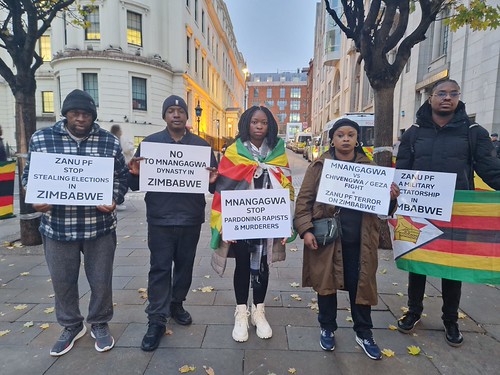
Farmers to negotiate shares before mining starts, Govt says

Dr
Makwiranzou
told
Senate
on
Thursday
that
the
new
law,
H.B.
1,
2025,
aims
to
end
long-standing
conflicts
between
mining
companies
and
rural
communities.

He
was
responding
to
a
question
from
Senator
Chief
Chikwaka,
who
raised
concerns
about
communities
being
displaced
by
mining
operations
without
proper
compensation
or
suitable
living
conditions.

Chief
Chikwaka
said
that
although
Zimbabwe
welcomes
foreign
mining
investors
under
the
“open
for
business”
policy,
many
villagers
are
being
relocated
to
inhospitable
areas
without
their
livelihoods
being
improved.

“We
are
glad
that
Zimbabwe
is
open
for
business…
However,
we
have
a
challenge.
What
is
government
policy
regarding
the
allocation
of
licences
where
miners
displace
local
communities?
You
find
that
people
are
just
relocated
without
improving
their
lives,”
he
said.

Dr
Makwiranzou
said
that
mining
cannot
begin
without
an
Environmental
Impact
Assessment
(EIA)
outlining
how
affected
households
will
be
compensated
or
resettled.

“Before
giving
permission
to
miners,
we
require
an
Environmental
Impact
Assessment
report,
which
looks
at
the
community
to
be
affected
and
where
they
will
be
relocated.
If
they
are
to
receive
houses,
that
must
be
shown
in
the
report.
Only
after
receiving
that
report
can
we
allow
mining
to
proceed,”
he
said.

He
added
that
under
the
new
law,
farmers
will
have
the
right
to
negotiate
for
shares
in
the
mining
company.

“The
new
law
allows
that
if
someone
has
a
field
or
farm
where
mining
is
required,
that
person
is
given
the
first
option.
They
are
asked
whether
they
agree
to
mining,
and
they
can
negotiate
with
the
investor,
including
discussing
the
allocation
of
shares,”
he
said.

Dr
Makwiranzou
emphasised
that
relocation
must
be
based
on
consent.

“They
must
give
consent
because
the
previous
law
caused
disputes
due
to
conflicts
between
the
Minerals
Act
and
the
Agricultural
Act,”
he
said.