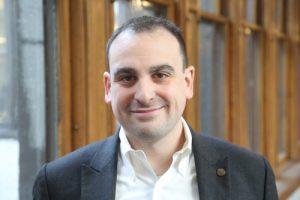

Why Most Law Firm Marketing Fails And What Smart Lawyers Do Instead – Above the Law

Getty
Images

Too
many
lawyers
are
sold
on
the
idea
that
a
shiny
website
and
a
few
SEO
tweaks
will
flood
their
inbox
with
new
business.

But
as
digital
strategist
and
attorney
Seth
Price
explains
in
our
recent
“Be
That
Lawyer”
conversation,
marketing
a
law
firm

especially
in
the
B2B
space

requires
more
than
a
passive
online
presence.

It
requires
strategy,
focus,
and
the
courage
to
say
no
to
the
wrong
things
so
you
can
double
down
on
what
actually
works.


The
Power
of
Saying
No
(and
Knowing
When
to
Walk
Away)

Seth
and
I
talked
about
the
hidden
power
of
removing
what
doesn’t
serve
you

whether
it’s
a
bad
client,
a
draining
business
segment,
or
even
a
once-promising
investment.

He
shared
a
story
about
launching
a
real
estate
business
before
his
law
firm
took
off.

Despite
its
potential
profitability,
the
work
drained
him,
especially
as
the
market
turned.
The
lesson?
Just
because
something
could
make
money
doesn’t
mean
it’s
worth
your
time,
energy,
or
sanity.

In
both
law
and
entrepreneurship,
success
often
comes
from
subtraction
not
addition.


Forget
SEO
(At
Least
at
First):
Start
With
Relationships

When
it
comes
to
B2B
legal
marketing,
Seth
is
direct:
SEO
shouldn’t
be
your
first
move.

If
your
universe
of
potential
clients
is
small,
say,
60
general
counsel
or
business
owners
in
your
metro
area
your
energy
should
go
toward
building
real,
personal
connections.

Ball
games,
breakfasts,
curated
dinners,
or
simply
reaching
out
to
two
people
a
day
can
yield
far
more
results
than
passively
waiting
for
Google
rankings
to
kick
in.

For
lawyers
who
sell
trust
and
expertise,
relationship-building
beats
algorithms
every
time.


Digital
Marketing
Tactics
for
White-Collar
Success

Seth
shares
actionable
digital
marketing
tactics
that
helped
generate
millions
in
revenue
for
white-collar
professionals.

Learn
how
to
build
a
strong
online
presence,
craft
targeted
campaigns,
and
use
data-driven
strategies
to
attract
high-value
clients.
These
practical
tips
and
real-world
examples
will
help
you
achieve
measurable
growth
and
long-term
business
success.

“If
you
create
great
content
over
time…
you
may
not
get
a
ton
of
interaction,
but
the
people
that
are
interested
are
going
to
find
it,
and
you’re
going
to
be
that
guy,”
Seth
says.


Connect
with
Seth
here
.

Listen
to
the latest
episode
of
“Be
That
Lawyer”
here,
 and
if
you’re
serious
about
leveling
up
your
business
development,
grab
a
copy
of
my
new
book, now
available
on
Amazon.


Steve
Fretzin
is
a
bestselling
author,
host
of
the
“Be
That
Lawyer”
podcast,
and
business
development
coach
exclusively
for
attorneys.
Steve
has
committed
his
career
to
helping
lawyers
learn
key
growth
skills
not
currently
taught
in
law
school.
His
clients
soon
become
top
rainmakers
and
credit
Steve’s
program
and
coaching
for
their
success.
He
can
be
reached
directly
by
email
at 
[email protected].
Or
you
can
easily
find
him
on
his
website
at 
www.fretzin.com or
LinkedIn
at 
https://www.linkedin.com/in/stevefretzin.

Stat(s) Of The Week: Right Place, Wrong Time – Above the Law

As
more
people
use
AI-powered
searches
to
get
a
quick
handle
on
the
latest
news,
it’s
worth
considering
how
reliable
the
information
they’re
getting
is.

Not
very,
it
turns
out.

According
to
research
recently
published
by
the
BBC
and
the
European
Broadcasting
Union,
AI
assistants
misrepresent
news
content
45%
of
the
time.

The
report,

“News
Integrity
in
AI
Assistants
,”
is
based
on
a
study
involving
22
public
service
media
organizations
in
18
countries
to
assess
how
four
common
AI
assistants

OpenAI’s
ChatGPT,
Microsoft’s
Copilot,
Google’s
Gemini,
and
Perplexity

answer
questions
about
news
and
current
affairs.

Each
organization
asked
a
set
of
30
news-related
questions
(e.g.,
“Who
is
the
pope?”
Can
Trump
run
for
a
third
term
?”
Did
Elon
Musk
do
a
Nazi
salute
?”).
More
than
2,700
AI-generated
responses
were
then
assessed
by
journalists
against
five
criteria:
accuracy,
sourcing,
distinguishing
opinion
from
fact,
editorialization,
and
context.

Overall,
81%
of
responses
were
found
to
have
issues,
and
45%
had
at
least
one
“significant”
issue.
Sourcing
was
the
most
pervasive
problem,
with
31%
providing
misleading
or
incorrect
attributions
or
omitting
sources
entirely.
In
addition,
20%
of
responses
contained
“major
accuracy
issues,”
such
as
factual
errors,
outdated
information,
or
outright
hallucinations.


Largest
study
of
its
kind
shows
AI
assistants
misrepresent
news
content
45%
of
the
time

regardless
of
language
or
territory

[BBC]


But
see


Vals
AI’s
Latest
Benchmark
Finds
Legal
and
General
AI
Now
Outperform
Lawyers
in
Legal
Research
Accuracy

[LawSites]

Law Students Are Forming AI Student Groups Nationwide – Above the Law

“Make
sure
you
join
a
study
group!”
is
great
one
size
fits
all
advice
that
1Ls
hear
all
the
time.
Why?
Because
you’re
there
to

be
a
cog
in
a
Biglaw
firm

learn,
and
the
immediate
feedback,
problem
solving,
and
note-sharing
opportunities
of
being
in
a
study
group
are
one
of
a
kind.
But
holing
yourself
up
with
3
other
cohort
members
isn’t
the
only
way
to
force
title
race
and
notice
title
schemas
into
your
memory
anymore.
AI
is
being
offered
as
an
answer
to
your
learning
and
practical
needs.
Students
are
starting
to
form
groups
meant
to
help
them
get
the
most
out
of
the
tech.

Reuters

has
coverage:

Juan
Ramirez
Sierra
expected
about
50
people
to
show
up
at
the
first-ever
event
held
by
the
newly
established
Artificial
Intelligence
and
Law
Society
at
the
University
of
Miami
School
of
Law
last
month.

Instead,
75
students
packed
in
to
hear
a
panel
of
law
firm
partners,
academics
and
artificial
intelligence
companies
discuss
the
ethical
considerations
of
using
AI
in
legal
work.

At
least
16
schools
have
such
groups,
including
Harvard,
Stanford
and
the
University
of
Pennsylvania,
most
founded
within
the
past
two
years
as
future
lawyers
seek
to
understand
the
rapidly
expanding
technology
and
how
it
will
affect
their
careers.

A
push
for
AI
societies
makes
sense
considering
the
tech’s
successes
in
legal
learning
and
accreditation.
Harvey
is
successfully
setting
up
shop
and
anchoring
its
role
as
an
educational
tool
for
students
and

ChatGPT
has
been
outperforming
the
average
scores
of
bar
takers
since
2023
.
One
student
set
up
their
AI
society
because
“AI
was
obviously
going
to
be
a
big
part
of
the
profession.”
Just
keep
in
mind
that
2008
was
obviously
a
good
time
to
buy
a
house.
As
important
as
it
is
to
stay
on
the
top
of
trends
in
the
industry,
take
the
ever
popular
“AI
is
inevitable”
rhetoric
with
several
grains
of
salt

creating
infrastructure
centered
on
a
tech
industry
that
is

“light
years”
from
turning
a
profit

screams
of
building
a
multimillion
dollar
home
on
a
rapidly
eroding
sandbank.
Except
in
this
case,
it’s
multi

billions
.
That
said,
AI
is
booming
in
the
short
term
and
not
showing
at
least
some
literacy
in
the
fad
could
look
bad
in
an
interview.
Joining
one
of
these
societies
is
an
easy
line
on
the
resume
and
who
knows,
you
might
even
learn
something
while
you’re
a
part
of
it.

Are
you
a
law
student
in
a
law
society?
Putting
a
Large
Language
Model
to
work
as
you
work
toward
your
LLM?
Let
us
know
what
it’s
like
at

[email protected]
.

k


Law
School
AI
Clubs
Multiply
As
Students
Brace
For
The
Future

[Reuters]


Chris
Williams
became
a
social
media
manager
and
assistant
editor
for
Above
the
Law
in
June
2021.
Prior
to
joining
the
staff,
he
moonlighted
as
a
minor
Memelord™
in
the
Facebook
group Law
School
Memes
for
Edgy
T14s
.
 He
endured
Missouri
long
enough
to
graduate
from
Washington
University
in
St.
Louis
School
of
Law.
He
is
a
former
boatbuilder
who
is
learning
to
swim, is
interested
in
critical
race
theory,
philosophy,
and
humor,
and
has
a
love
for
cycling
that
occasionally
annoys
his
peers.
You
can
reach
him
by
email
at [email protected]
and
by
tweet
at @WritesForRent.

Kurotwi loses US$3.6 million unfrozen diamond funds appeal

HARARE

The
Supreme
Court
has
dismissed
an
appeal
by
businessman
Lovemore
Kurotwi
and
his
company
Canadile
Miners
(Pvt)
Ltd
over
US$3.6
million
that
they
tried
to
claim
from
funds
originally
belonging
to
the
defunct
diamond
joint
venture
between
Core
Mining
and
Minerals
Resources
(Pty)
Ltd
and
the
state-owned
Marange
Resources.

In
a
judgement
given
shortly
after
hearing
arguments
on
Thursday,
Justices
Lavender
Makoni,
George
Chiweshe
and
Joseph
Musakwa
upheld
a
High
Court
ruling
which
found
that
the
money

held
by
AFC
Commercial
Bank

lawfully
belonged
to
Core
Mining
and
not
to
Canadile
or
its
former
directors.

The
dispute
traces
back
to
2010,
when
Canadile
Miners

then
operating
in
Chiadzwa

declared
a
US$3.3
million
dividend
to
its
South
African
partner,
Core
Mining.
The
funds
were
intercepted
and
frozen
by
the
United
States
Office
of
Foreign
Assets
Control
(OFAC)
under
sanctions
regulations.

More
than
a
decade
later,
in
March
2025,
OFAC
released
the
money

now
worth
US$3.525
million
with
interest

but
by
then
Canadile’s
bank
account
had
long
been
closed.
Kurotwi
and
his
associate
Cougan
Matanhire
claimed
the
funds
on
behalf
of
Canadile,
while
Core
Mining’s
joint
liquidators,
represented
by
Beatrice
Mtetwa,
said
the
money
was
rightfully
theirs.


High
Court
judge
Justice
Samuel
Deme
ruled
in
favour
of
Core
Mining,
finding
that
the
dividend
had
never
been
reversed
and
that
once
declared,
ownership
vested
in
Core
Mining.
He
said
Kurotwi
and
Matanhire
had
acted
“dishonestly,
recklessly
and
fraudulently”
and
ordered
them
to
pay
punitive
costs.

The
Zimbabwe
Mining
Development
Corporation
(ZMDC),
which
partnered
Core
Mining
through
Marange
Resources,
wrote
to
the
court
confirming
that
the
joint
venture
had
long
been
dissolved
and
that
the
funds
“rightfully
belonged
to
Core
Mining.”

The
Supreme
Court’s
dismissal
of
Kurotwi’s
appeal
this
week
effectively
closes
the
case,
affirming
that
the
recovered
US$3.6
million
belongs
to
Core
Mining,
whose
interests
were
represented
by
Advocate
Thabani
Mpofu
instructed
by
Lincoln
Majogo
of
Mtetwa
&
Nyambirai
Legal
Practitioners.

Edley
Mubaiwa
and
Samuel
Banda
appeared
for
Kurotwi
and
Canadile
Miners.

The
Canadile
Miners
joint
venture
was
formed
in
2009
between
Core
Mining,
a
South
African
investment
vehicle,
and
Marange
Resources,
a
subsidiary
of
ZMDC,
to
mine
diamonds
in
Chiadzwa.

The
venture
collapsed
spectacularly
in
late
2010
after
the
government
accused
Core
Mining’s
directors,
including
Kurotwi,
of
misrepresenting
their
financial
capacity
to
secure
the
licence.
Kurotwi
was
arrested
and
later
charged
with
fraud,
but
after
a
long
trial
was
acquitted
in
2017.

Since
then,
Core
Mining
has
been
under
liquidation
in
South
Africa,
while
Kurotwi
has
fought
numerous
legal
battles
to
regain
control
of
assets
once
tied
to
the
failed
diamond
project.

Fastjet apologises for delays, pledges to restore on-time record

HARARE

Budget
airline
Fastjet
Zimbabwe
has
issued
a
public
apology
to
its
customers
after
a
spate
of
recent
flight
delays
and
cancellations
disrupted
travel
schedules,
admitting
that
its
usually
strong
on-time
record
had
slipped.

In
an
open
letter
to
passengers
and
business
partners
on
Thursday,
the
airline
said
its
on-time
performance

long
considered
one
of
the
best
in
the
region

had
fallen
short
of
expectations
in
recent
weeks.

“We
have
delayed
you
and,
in
some
cases,
amalgamated
flights,
resulting
in
disappointing
you,
our
valued
customers.
For
this,
we
are
sorry,”
said
Fastjet
spokesperson
Nunurai
Ndawana.

The
airline,
which
this
week
marked
its
10th
anniversary
since
launching
operations
on
October
28,
2015,
said
it
was
taking
corrective
measures
to
restore
reliability.


“Several
issues
within
and
beyond
our
control
have
caused
these
disruptions.
Our
teams
are
working
on
corrective
and
remedial
actions
to
address
these
challenges,”
the
company
said.

Fastjet
pledged
to
“regain
customers’
trust”
and
return
to
the
service
standards
that
helped
it
earn
a
reputation
for
punctuality.

The
carrier
operates
domestic
and
regional
routes
from
Harare,
Bulawayo
and
Victoria
Falls,
and
is
celebrating
a
decade
in
Zimbabwe’s
skies
this
week.

Beyond The Familiar: Modernizing Your IP Team For Maximum Impact – Above the Law

Traditional
in-house
IP
functions
often
rely
on
ingrained,
inertia-driven
systems
and
legacy
processes.
Inventors
hit
frequent
bottlenecks,
stifling
innovation
and
frustrating
organizational
goals.
Internal
customers
and
other
stakeholders
see
legal
as
gatekeepers
rather
than
collaborators.

This
white
paper
challenges
that
status
quo,
offering
a
framework
to
rethink
how
IP
teams
engage
with
the
business
by
aligning
around
customer
centricity.
We
outline
a
modern
approach
to
IP
function,
putting
people,
processes,
and
technology
at
the
center
of
a
modern,
innovation-ready
system.
This
paper
invites
you
to
reimagine
disclosure
workflows,
enhance
business
fluency,
and
adopt
tech
solutions
that
serve
the
entire
organization,
not
just
legal.

✔️Customer-Centric
IP
Starts
With
People
A
high-performing
IP
team
prioritizes
cross-functional
relationships
and
alignment
with
business
goals
to
build
trust
and
engagement
into
every
interaction.

✔️Rethink
Processes
with
Stakeholders
in
Mind
Friction-filled
invention
disclosures
and
ad
hoc
workflows
slow
innovation
and
create
bottlenecks.
Process
mapping
can
reveal
where
inventors
drop
off–and
how
to
bring
them
back.

✔️Tech
Should
Serve
Everyone,
Not
Just
Legal
From
dynamic
disclosure
tools
to
real-time
dashboards,
the
right
tech
improves
visibility,
synergy,
and
stakeholder
engagement.

Sign
up
below
to
get
your
free
copy!

New Trump Rule Declares Most Public Service Work ‘Illegal,’ Ineligible For Loan Forgiveness – Above the Law

If
you
weren’t
already
super
psyched
for
the
Big
Beautiful
Bill
borrowing
caps

making
law
school
unaffordable
for
many
,
get
ready
to
learn
that
most
lawyerly
public
service
is
no
longer
getting
loan
forgiveness.
Because
public
service
itself
is
going
to
“illegal.”

The
Trump
administration’s
ongoing
war
on
the
legal
profession
continues
with
the
Department
of
Education
releasing
its
finalized

Public
Service
Loan
Forgiveness
rule


a
process
kicked
off
in
March
when
Trump
issued
his


Restoring
Public
Service
Loan
Forgiveness

Executive
Order
— and
while
its
impact
will
be
felt
across
education,
the
new
rule
is
especially
brutal
for
law
school
graduates,
with
the
DOE
cutting
off
forgiveness
to
those
causes
it
deems
to
be
supporting
“illegal
activity.”
And,
if
you
hadn’t
already
guessed
what
it
means
to
support
“illegal”
activity
in
this
regime,
they
mean
jobs
like
“representing
immigrants”
and
“advocating
for
transgender
rights.”

“Taxpayer
funds
should
never
directly
or
indirectly
subsidize
illegal
activity,”
Under
Secretary
of
Education
Nicholas
Kent
said,
a
reasonable
premise
if
directed
at
graduates
aspiring
to
become
a
mob
consigliere.
As
it
happens,
that’s
not
the
sort
of
“illegal
activity”
Kent’s
talking
about.
“The
Public
Service
Loan
Forgiveness
program
was
meant
to
support
Americans
who
dedicate
their
careers
to
public
service

not
to
subsidize
organizations
that
violate
the
law,
whether
by
harboring
illegal
immigrants
or
performing
prohibited
medical
procedures
that
attempt
to
transition
children
away
from
their
biological
sex.”

By
this,
he
means

representing

people
in
immigration
proceedings.
His
remark
about
transgender
care
is
directed
at
medical
school
grads,
but
the
language
of
the
final
rule
would
cover
any
organization
that
provides
legal
aid
to
trans
folks.
The
final
rule
knocked
down
objections
that
giving
the
Education
Secretary
unilateral
authority
to
decide
if
a
public
service
is
“illegal”
would
be
unconstitutionally
vague.
By
the
DOE’s
account,
the
definition
is
clear.

Behold…
the
definition:

(i)
aiding
or
abetting
violations
of

8
U.S.C.
1325

or
other
Federal
immigration
laws;
(ii)
Supporting
terrorism,
including
by
facilitating
funding
to,
or
the
operations
of,
cartels
designated
as
Foreign
Terrorist
Organizations
consistent
with

8
U.S.C.
1189
,
or
by
engaging
in
violence
for
the
purpose
of
obstructing
or
influencing
Federal
Government
policy;
(iii)
Engaging
in
the
chemical
and
surgical
castration
or
mutilation
of
children
in
violation
of
Federal
or
State
law;
(iv)
Engaging
in
the
trafficking
of
children
to
another
State
for
purposes
of
emancipation
from
their
lawful
parents
in
violation
of
Federal
or
State
law;
(v)
Engaging
in
a
pattern
of
aiding
and
abetting
illegal
discrimination;
or
(vi)
Engaging
in
a
pattern
of
violating
State
laws
as
defined
in
paragraph
(b)(34)
of
this
section.

There’s
no
such
thing
as
a
public
service
coyote
operation,
so
that
first
prong
is
being
read

fairly

as
an
exclusion
aimed
at
organizations
providing
services
to
migrants

which
would
appear
to
include
representing
migrants.
Advocating
for
asylum
is
certainly
going
to
be
tagged
as
“aiding
and
abetting.”
Working
for
al
Qaeda
was
never
eligible
public
service
work,
but
the
new
rule
is
designed
to
expand
the
exclusion
to
groups
that
the
administration
decides
to
call
terrorists
or
cartel
members.
Since
this
administration
plans
to

designate
“Antifa”
as
a
terror
organization

and

can’t
figure
out
who
actually
belongs
to
a
cartel
,
this

along
with
section
(vi),
which
lists
charges
often
(fairly
and
unfairly)
tacked
onto
protests

is
primed
as
a
catch-all
to
exclude
any
groups
that
represent
people
taking
direct
action.
The
“illegal
discrimination”
language,
as
we’ve
seen
with
the
administration’s
assault
on
universities,
is
meant
as
a
cudgel
for
any
group
with
a
diversity
plan

that’s
going
to
knock
out
pretty
much
any
public
service
organization
that
isn’t
already
covered
by
the
rest
of
the
definition.

As
one
would
expect,
the
Department
responds
with
feigned
shock
and
disbelief
to
the
idea
that
this
rule
is
a
rubber
band
designed
to
entangle
any
group
the
administration
considers
woke.


Business
Insider
notes

that
no
one’s
buying
that:

Advocates
for
student-loan
borrowers
criticized
the
final
rule
and
plan
to
take
legal
action.
In
a
joint
statement,
advocacy
groups
Democracy
Forward
and
Protect
Borrowers
said
the
rule
“is
a
direct
and
unlawful
attack
on
nurses,
teachers,
first
responders,
and
public
service
workers
across
the
country.”

The
worst
part
of
this
rotten
rule
is
that
it’s
designed
to
punish
those
who
are
already
underwater.
Lawyers
who
already
made
choices,
took
jobs,
or
even
moved
cities,
are
now
going
to
get
their
forgiveness
cut
off
because
representing
the
accused
now
counts
as
aiding
and
abetting
illegal
activity.
Because
kneecapping
the
institutions
protecting
the
powerless
is
a
key
pillar
of
the
administration’s
philosophy.
Undermining
the
rule
of
law
is
a
lot
easier
when
no
one’s
left
to
defend
it.


HeadshotJoe
Patrice
 is
a
senior
editor
at
Above
the
Law
and
co-host
of

Thinking
Like
A
Lawyer
.
Feel
free
to email
any
tips,
questions,
or
comments.
Follow
him
on Twitter or

Bluesky

if
you’re
interested
in
law,
politics,
and
a
healthy
dose
of
college
sports
news.
Joe
also
serves
as
a

Managing
Director
at
RPN
Executive
Search
.

How Appealing Weekly Roundup – Above the Law


Ed.
Note
:

A
weekly
roundup
of
just
a
few
items
from
Howard
Bashman’s

How
Appealing
blog
,
the
Web’s
first
blog
devoted
to
appellate
litigation.
Check
out
these
stories
and
more
at
How
Appealing.


“All
It
Took
for
Trump
to
Dismantle
the
Justice
Dept.”
 Carol
Leonnig
has this
guest
essay
 online
at
The
New
York
Times.


“Second
Circuit
finds
Snapchat
parodies
of
George
Floyd
murder
fall
outside
school
purview;
The
New
York-based
appeals
court
reversed
the
dismissal
of
a
Sullivan
County
student’s
$1
million
defamation
suit
against
the
high
school
that
suspended
him
over
social
media
posts
that
caused
a
stir
locally
in
2021”:
 Josh
Russell
of
Courthouse
News
Service
has this
report
 on a
decision
 that
the U.S.
Court
of
Appeals
for
the
Second
Circuit
 issued
today.


“Cox
names
Outside
attorney
to
serve
as
Alaska’s
solicitor
general”:
 Iris
Samuels
of
The
Anchorage
Daily
News
has this
report
.


“Texas
judges
can
now
refuse
to
officiate
gay
weddings
on
religious
grounds;
The
Texas
Supreme
Court
quietly
made
a
tweak
to
the
state
rules
on
judicial
conduct
that
could
make
it
harder
for
gay
couples
to
marry”:
 Gwen
Howerton
of
Chron
has this
report
.


“Top
Border
Patrol
official
no
longer
has
to
appear
today
before
Chicago
federal
judge
after
appeals
court
ruling”:
 Devan
Cole
and
Elizabeth
Wolfe
of
CNN
have this
report
 on an
order
 that
the U.S.
Court
of
Appeals
for
the
Seventh
Circuit
 issued
today.


“Prediction
Markets
See
a
Close
Call
on
Trump
Tariff
Case
at
Supreme
Court;
Trump’s
tariffs
are
heading
for
a
Supreme
Court
showdown
and
bettors
see
a
close
call”:
 Laura
Curtis
of
Bloomberg
News
has this
report
.


“This
Supreme
Court
decision
could
basically
guarantee
higher
inflation;
When
politicians
meddle
in
monetary
policy,
inflation
inevitably
follows”:
 John
W.
Snow
and
Christopher
Smith
have this
essay
 online
at
The
Washington
Post.


Ed.
Note
:

A
weekly
roundup
of
just
a
few
items
from
Howard
Bashman’s

How
Appealing
blog
,
the
Web’s
first
blog
devoted
to
appellate
litigation.
Check
out
these
stories
and
more
at
How
Appealing.

Comey Files Motions To Dismiss For MA’AM DO YOU EVEN LAW? – Above the Law

James
Comey
(Photo
by
Eric
Thayer/Getty
Images)

Getting
disqualified
as
US
Attorney
for
the
Eastern
District
of
Virginia
is
the
best
thing
that
could
happen
to
Lindsey
Halligan.
The
Florida
insurance
lawyer
currently
LARP-ing
as
a
federal
prosecutor
was
installed
on
a
statutory
basis
that’s
been

rejected

by
three
courts
already.
A
fourth
court
is
now
considering
motions
to
boot
her
filed
by
former
FBI
director
Jim
Comey
and
New
York
Attorney
General
Letitia
James.
No
other
lawyer
at
EDVA
would
touch
the
Comey
and
James
cases,
Halligan
presented
them
herself
to
the
grand
jury,
and
her
name
is
the
only
one
on
the
indictments.
So
if
she’s
out,
then
those
prosecutions
are
likely
DOA.

That
would
be
a
kindness,
if
only
because
it
would
spare
Halligan
the
ignominy
of
watching
the
humiliating
implosion
of
both
high-profile
cases.

Three
motions
filed
yesterday
by
Comey’s
legal
team
illustrate
the
fatal
flaw
in
the
prosecution.
The

barebones
indictment


just
a
page
and
a
half
stating
in
conclusory
fashion
that
Comey
lied
to
Congress
back
in
2020

is
so
vague
that
it
could
apply
to
two
alternate
theories
of
the
case.
Was
Halligan
saying
that
Comey
lied
about
authorizing
his
former
deputy
Andrew
McCabe
to
speak
to
the
Wall
Street
Journal?
Or
was
she
suggesting
that
he
lied
about
dispatching
his
friend
and
lawyer
Daniel
Richman,
to
speak
to
the
New
York
Times?

Comey’s
lawyer
Pat
Fitzgerald
said
that
he
himself
only
learned
that
“PERSON
3”
was
Richman
the
day
before
the
arraignment.

Neither
theory
of
the
case
makes
much
sense,
but
the
Richman
plot
seems
almost
comically
ridiculous,
since
the
testimony
in
question
very
clearly
pertained
to
McCabe
only.

The
first

motion

requests
a
bill
of
particulars
laying
out
specifically
how
Halligan
thinks
this
crime
went
down.
When
and
how
did
this
authorization
take
place?
What
did
Comey
order
Richman
to
leak?
What
was
the
Senate
inquiry
he
“corruptly”
influenced?
Which
statement
in
Comey’s
testimony
was
false?
Inquiring
minds

and
Jim
Comey

want
to
know!

The
second

motion

requests
the
disclosure
of
the
grand
jury
transcripts
for

all
the
reasons
:
Halligan
was
installed
as
US
Attorney
after
the
president
pushed
out
her
predecessor,
a
career
prosecutor,
for
refusing
to
indict
Comey
and
James.
Four
days
later,
in
her
very
first
appearance
before
a
grand
jury,
she
secured
the
instant
indictment

after
first
getting
no-billed,
and
then
holding
the
jurors
over
until
almost
7
p.m.
No
line
attorneys
were
willing
to
put
their
names
on
the
indictment,
and
the
only
lawyers
willing
to
associate
themselves
with
the
prosecution
had
to
be
imported
from
North
Carolina.
The
theory
of
the
case
is
so
vague
that
it
suggests
an
inexperienced
prosecutor
(who
may
or
may
not
have
been
illegally
appointed)
might
have
fudged
the
details.
And,
on
top
of
all
that,
Comey
says
that
an
FBI
investigator
who
testified
before
the
grand
jury
was
likely
tainted
by
exposure
to
privileged
materials.

Whoopsie
doodle!

The
third
filing
was
a


Bronston

motion

to
dismiss
based
on
the
literal
truth
of
Comey’s
answers
to
Ted
Cruz’s
ambiguous
questions.
During
the
exchange,
the
senator
fired
off
a
series
of
accusations,
characterizing
prior
statements
by
Comey
and
McCabe
as
diametrically
opposed,
and
scarcely
providing
room
for
Comey
to
reply.

CRUZ:
Now,
as
you
know,
Mr.
McCabe,
who
works
for
you,
has
publicly and repeatedly
stated
that
he
leaked
information
to
the
Wall
Street
Journal and that
you
were
directly
aware
of
it and that
you
directly authorized it.
Now,
what
Mr.
McCabe
is
saying and what
you
testified
to
this
committee
cannot
both
be
true.
One
or
the
other
is
false.
Who’s
telling
the
truth? 

COMEY:
I
can
only
speak
to
my
testimony.
I
stand
by
the
testimony
you
summarized
that
I
gave
in
May
of
2017.

CRUZ:
So
your
testimony
is
you’ve
never authorized anyone
to
leak? And Mr.
McCabe,
if
he
says
contrary,
is
not
telling
the
truth,
is
that
correct?

COMEY:
Again,
I’m
not
going
to
characterize Andy’s
testimony,
but
mine
is
the
same
today.

As
the
motion
points
out,
this
hectoring
was
not
a
careful
deposition
designed
to
elicit
clear
responses,
but
rather
an
exercise
of
political
rhetoric.
And
saying
“I
stand
by
my
testimony”
is
basically
a
non-response
to
an
inchoate
shouting.
It
is

literally
true
,
and
the
lack
of
context
in
the
indictment,
which
claims
that
he
“falsely
stat[ed]
to
a
U.S.
Senator
during
a
Senate
Judiciary
Committee
hearing
that
he,
JAMES
B.
COMEY
JR.,
had
not
‘authorized
someone
else
at
the
FBI
to
be
an
anonymous
source
in
news
reports’
regarding
an
FBI
investigation,”
strongly
suggests
that
Halligan
painted
an
incomplete
picture
for
the
jurors.

If
Comey
does
manage
to
get
his
hands
on
those
grand
jury
transcripts,
he’ll
obviously
be
supplementing
the

Bronston

motion.
But
it
likely
won’t
come
to
that,
thanks
to
Judge
Cameron
McGowan
Currie,
the
senior
judge
from
South
Carolina
designated
to
hear
the
disqualification
motion.
If
she
agrees
with
courts
in
New
Jersey,
Nevada,
and
California
that
28
USC
§
546
permits
the
president

one,
and
only
one
,
120-day
interim
appointment,
then
Halligan’s
installation
was

ultra
vires

and
prosecutions
she
alone
secured
are
likely
a
nullity.
Judge
Currie
has
also

ordered

Halligan
to
turn
over
“all
documents
relating
to
the
indictment
signer’s
participation
in
the
grand
jury
proceedings,
along
with
complete
grand
jury
transcripts”
so
that
she
may
“determine
the
extent
of
the
indictment
signer’s
involvement
in
the
grand
jury
proceedings.”
It
should
make
for
fascinating
reading.


US
v.
Comey

[Docket
via
Court
Listener]


Liz
Dye
 lives
in
Baltimore
where
she
produces
the
Law
and
Chaos substack and podcast.

More Courts Should Ask Litigants To Provide Proposed Orders – Above the Law

(Image
via
Getty)

Many
practicing
lawyers
know
all
too
well
that
courts
are
often
overburdened
with
busy
dockets
and
insufficient
resources
to
handle
all
of
the
tasks
associated
with
judicial
matters. This
can
lead
to
mistakes
since
courts
often
need
to
decide
upon
numerous
motions,
applications,
and
other
types
of
requests
at
a
single
time,
and
court
administrators
often
hold
judges
to
difficult
standards
about
resolving
matters
in
a
timely
fashion. In
order
to
streamline
the
judicial
process
and
save
resources,
more
courts
should
require
litigants
to
submit
proposed
orders
when
they
file
motions.

Judges
make
all
kinds
of
mistakes
when
it
comes
to
deciding
motions. Sometimes,
judges
fail
to
grant
the
precise
relief
requested
in
a
motion,
presumably
since
they
did
not
closely
read
the
papers
and
did
not
include
language
necessary
to
resolve
a
given
issue. At
other
times,
judges
might
draft
an
order
that
contains
ambiguities
which
require
follow-up
action
by
litigants
and
court
staff. In
other
recent
examples,
judges
might
use
artificial
intelligence
to
draft
opinions
that
might
contain
fabricated
authorities. These
types
of
errors
may
be
reduced
if
judges
commonly
receive
proposed
orders
from
litigants.

One
of
the
jurisdictions
in
which
I
practice
requires
litigants
to
file
a
proposed
order
whenever
they
file
a
motion. The
proposed
order
must
be
uploaded
in
a
Word
format
so
that
judges
can
make
edits
to
the
document
before
it
is
signed
and
entered. When
a
litigant
uploads
a
proposed
order,
it
includes
the
exact
relief
that
is
requested
and
any
follow-up
deadlines
or
other
ancillary
matters
that
are
attendant
to
the
relief
a
litigant
is
seeking. In
addition,
a
proposed
order
includes
all
of
the
rote
language
that
needs
to
be
included
in
a
given
order.

In
most
instances,
when
a
litigant
wins
a
motion,
the
court
does
not
act
as
a
“rubber
stamp”
since
judges
routinely
make
changes
to
proposed
orders
before
entering
them. Courts
often
make
changes
to
the
orders
to
reflect
some
of
the
reasoning
that
was
presented
by
the
party
opposing
the
motion
or
to
limit
the
extent
of
the
relief
sought
by
a
party
in
a
proposed
order. In
some
instances,
the
court
includes
some
of
its
own
reasoning
within
the
language
of
the
order
provided
by
the
movant.

Obviously,
proposed
orders
are
more
useful
for
some
types
of
cases
rather
than
others. For
instance,
a
proposed
order
might
be
less
useful
when
deciding
a
dispositive
motion
since
the
court
often
needs
to
provide
its
reasoning
when
coming
to
a
position,
and
the
outcome
might
be
more
nuanced
than
the
resolution
contained
in
a
proposed
order. Moreover,
sometimes
a
court
wishes
to
decide
a
matter
in
a
nonbinary
manner
that
does
not
in
any
way
resemble
the
outcome
envisaged
by
a
proposed
matter.

However,
the
vast
majority
of
motions
are
routine
and
usually
have
an
expected
outcome. For
instance,
motions
to
amend
a
pleading
are
often
granted,
so
it
might
make
sense
for
a
court
to
simply
sign
a
proposed
order
that
includes
deadlines
associated
with
the
proposed
amendment. Moreover,
motions
to
compel
discovery
are
also
frequently
granted
and
can
be
decided
by
a
simple
order
that
includes
a
discovery
schedule. In
such
instances,
courts
could
save
considerable
resources
by
having
parties
upload
proposed
orders
that
include
the
expected
language
litigants
seek.

Of
course,
courts
often
need
to
change
proposed
orders,
and
view
them
skeptically
since
a
party
will
always
try
to
include
language
that
is
most
favorable
to
that
party’s
position
in
a
case. However,
in
many
instances,
proposed
orders
can
be
helpful
to
courts
and
can
potentially
save
courts
judicial
resources
that
can
be
spent
on
other
tasks.


Jordan
Rothman
is
a
partner
of 
The
Rothman
Law
Firm
,
a
full-service
New
York
and
New
Jersey
law
firm.
He
is
also
the
founder
of 
Student
Debt
Diaries
,
a
website
discussing
how
he
paid
off
his
student
loans.
You
can
reach
Jordan
through
email
at 
jordan@rothman.law.