HARARE
–
Bikita
South
MP
Energy
Mutodi
has
been
removed
as
chairman
of
Parliament’s
Portfolio
Committee
on
Budget,
Finance
and
Investment
Promotion
after
making
corruption
claims
against
finance
ministry
secretary
George
Guvamatanga.
Mutodi
alleged
in
parliament
last
week
that
Guvamatanga
was
demanding
kickbacks
of
between
five
and
10
percent
from
ministries,
government
departments
and
contractors
before
releasing
budgeted
funds.
Guvamatanga
denied
the
claims
and
accused
Mutodi
of
trying
to
extort
and
blackmail
him.
The
MP
later
withdrew
the
remarks
and
issued
an
apology
to
the
treasury
chief
after
admitting
he
could
not
substantiate
his
claims.
In
a
letter
dated
October
7,
2025,
Speaker
of
Parliament
Jacob
Mudenda
confirmed
the
decision
by
the
Committee
on
Standing
Rules
and
Orders
(CSRO)
to
relieve
Mutodi
of
his
duties.
“This
serves
to
notify
you
that
pursuant
to
Standing
Order
No.
19
of
the
National
Assembly,
the
Committee
on
Standing
Rules
and
Orders
has
resolved
to
terminate
your
tenure
as
Chairperson
of
the
Portfolio
Committee
on
Budget,
Finance
and
Investment
Promotion
with
immediate
effect.
Consequently,
all
benefits
and
entitlements
attendant
upon
the
said
role
shall
likewise
be
discontinued
forthwith,”
Mudenda
wrote.
The
CSRO,
which
has
26
members
including
Senate
President
Marble
Chinomona,
Justice
Minister
Ziyambi
Ziyambi,
Finance
Minister
Mthuli
Ncube,
Deputy
Speaker
Tsitsi
Gezi,
Sengezo
Tshabangu,
and
lawmakers
Maureen
Kademaunga
and
Monica
Mutsvangwa,
reached
the
decision
on
Monday.
Reacting
to
his
dismissal,
Mutodi
posted
on
X:
“A
life
of
suffering.
Mwari
ndiye
anoziva
(Only
God
knows).”
Former
finance
minister
Tendai
Biti
said
Mutodi’s
removal
was
“an
abject,
unconstitutional
overreach.”
He
added:
“Members
of
Parliament
have
a
constitutional
obligation
to
hold
the
executive
and
every
other
institution
to
account
in
terms
of
section
119
of
the
constitution.
“Further
Members
of
Parliament
have
absolute
privilege,
and
an
unfettered
right
to
feeedom
of
expression
when
they
stand
and
debate
in
the
chambers
of
the
august
House.
“Honourable
Mutodi
enjoys
this
constitutional
protection.
He
has
an
obligation
to
raise
a
matter
of
great
national
interest.”
Immigration
Attorney
Gets
His
Phone
Nabbed
By
ICE:
He
successfully
got
a
TRO,
but
the
damage
may
have
already
been
done.
Will
The
Original
Originalists
Please
Stand
Up?:
Alito
accuses
other
jurists
of
not
being
hardcore
enough
in
the
Originalism
department.
The
Investigation
Is
Under
Way:
The
fire
that
hit
Judge
Goodstein’s
home
doesn’t
seem
deliberately
set.
Legal
Tech
Can
Be
Used
For
Good:
Relativity
is
investing
in
justice.
…But
You
Have
To
Be
Good
When
You’re
Using
It:
Senator
asks
if
AI
is
to
blame
for
judges’
poorly
written
orders.
According
to a
recent
Axiom
survey
of
over
600
senior
legal
leaders,
what
percentage
of
law
firms
are
currently
using
AI
tools?
Hint:
According
to
the
report,
that
doesn’t
mean
savings
for
clients,
as
most
firms
are
“pocketing
the
savings
—
and
in
many
cases,
charging
even
more
for
AI-enhanced
work.”
Senator
Chuck
Grassley,
who
is
a
mere
five
years
younger
than
sliced
bread,
has
taken
it
upon
himself
to
delve
into
the
high-tech
world
of
artificial
intelligence
hallucinations
after
a
pair
of
judges
withdrew
opinions
upon
discovery
of
a
few
minor
issues
like
“quotes
that
don’t
exist”
and
“defendants
who
aren’t
actually
defendants.”
The
Supreme
Court
hallucinating
an
individual
right
from
the
history
and
text
of
the
Second
Amendment
shall
remain
blissfully
unexamined.
If
only
the
judges
had
claimed
their
propositions
were
“deeply
rooted
in
the Nation’s
history
and
tradition,”
they
might
be
spared
the
indignity
of
having
to
reply
to
a
letter
from
the
chair
of
the
Judiciary
Committee.
Over
the
summer,
two
federal
judges
—
Judge
Julien
Neals
of
New
Jersey
and
Judge
Henry
Wingate
of
Mississippi
—
issued
orders
that
showed
all
the
hallmarks
of
AI-hallucinated
citations.
In
the
Judge
Neals
case,
the
order
included
inaccurate
factual
references,
quotes
that
don’t
appear
in
the
cited
cases,
and
the
misattribution
of
a
case
to
the
wrong
jurisdiction.
Judge
Wingate’s
order
also
botched
facts
and
misquoted
the
law,
but
included
the
added
dimension
of
referencing
parties
and
witnesses
who
aren’t
involved
in
the
case
at
all.
“No
less
than
the
attorneys
who
appear
before
them,
judges
must
be
held
to
the
highest
standards
of
integrity,
candor,
and
factual
accuracy,”
Grassley
wrote
both
judges.
“Indeed,
Article
III
judges
should
be
held
to
a
higher
standard,
given
the
binding
force
of
their
rulings
on
the
rights
and
obligations
of
litigants
before
them.”
Grassley
is
doing
a
little
grandstanding
here,
trying
to
stir
up
some
excitement
over
public
AI
anxiety
while
the
government
shuts
down
and
his
constituents
wonder
why
the
administration
has
destroyed
Iowa’s
agricultural
exports
while
bailing
out
Argentina
so
they
can
undercut
the
market.
That
was
a
concern
for
the
oft-tweeting
nonagenarian
a
few
weeks
ago,
but
since
then
the
Trump
administration
has
more
or
less
shrugged
at
the
prospect
of
protecting
American
farmers
and
Grassley
dutifully
transitioned
to
a
“golly
gee,
I’m
sure
Glorious
Leader
Trump
will
think
of
something”
while
Iowa’s
economy
flounders.
But,
hey,
his
lack
of
focus
is
our
gain!
If
he
manages
to
receive
answers
to
his
AI
queries,
we
could
learn
a
few
things
about
how
federal
judges
are
approaching
the
technology:
Did
you,
your
law
clerks,
or
any
court
staff
use
any
generative
AI
or
automated
drafting/research
tool
in
preparing
any
version
of
the
[filings
at
issue]?
If
so,
please
identify
each
tool,
its
version
(if
known),
and
precisely
how
it
was
used.
What’s
the
brightline
for
“automated
drafting/research
tool?”
Writing
an
opinion
by
uploading
a
file
and
asking
ChatGPT
Jesus
to
take
the
wheel
would
be
reckless,
but
there’s
a
wide
range
of
AI
usage
that
falls
short
of
that.
Are
we
going
to
start
nitpicking
judges
for
using
Word
with
CoPilot
enabled?
What
if
they
have
an
industry-specific
tool
like
BriefCatch?
Are
we
second-guessing
Westlaw’s
CoCounsel?
Does
Grammarly
count?
While
academically
interesting,
an
honest
answer
to
this
question
isn’t
going
to
provide
much
insight
into
best
practices,
and
might
smear
perfectly
good
tools
along
the
way.
The
only
question
that
matters
is,
“hey,
how
did
this
fabricated
nonsense
get
in
there?”
Everything
else
is
a
distraction.
Did
you,
your
law
clerks,
or
any
court
staff
at
any
time
enter
sealed,
privileged,
confidential,
or
otherwise
non-public
case
information
into
any
generative
AI
or
automated
drafting/research
tool
in
preparing
any
version
of
the
[filings]?
This
veers
even
further
from
oversight
into
theater.
Neither
of
these
fiascos
involved
any
confidential
information.
These
were
all
decided
on
publicly
docketed
material.
If
anything,
the
filings
had
the
opposite
problem:
they
made
up
stuff
that
wasn’t
in
the
record.
Loading
confidential
material
into
consumer
AI
remains
a
huge
concern
for
practitioners,
but
it’s
not
the
issue
in
these
cases.
Please
describe
the
human
drafting
and
review
performed
in
preparing
the
Court’s
July
20,
2025
Order
before
issuance—by
you,
chambers
staff,
and
court
staff—including
cite-checking,
verification
of
quoted
statutory
text,
party
identification,
and
validation
that
every
cited
case
exists
and
stands
for
the
proposition
stated.
This
is
the
legislative
inquiry
equivalent
of
the
Amazon
delivery
meme:
If
the
process
involved
actual
checking,
this
doesn’t
happen.
For
each
misstatement
identified
in
the
defendants’
unopposed
motion
to
clarify/correct—whether
references
to
non-party
plaintiffs
and
defendants,
incorrect
statutory
quotations,
and
declarations
of
individuals
who
do
not
appear
in
this
record—please
explain
the
cause
of
the
error
and
what
internal
review
processes
failed
to
identify
and
correct
each
error
before
issuance.
There
it
is!
This
question!
This
should
be
the
first
question.
Please
explain
how
the
Court
differentiates
between
what
it
characterizes
as
“clerical”
mistakes
in
its
[filing],
and
non-existent
citations
filed
by
an
attorney
in
an
active
case
before
you
for
which
the
Court
required
the
attorney
to
submit
a
sworn
affidavit
explaining
the
errors
and
outlining
remedial
measures
to
prevent
recurrence.
Yeah,
this
wasn’t
a
clerical
mistake
except
in
the
most
literal
sense
that
it
was
probably
caused
by
a
clerk.
No
one
made
a
typo,
they
included
outright
fake
stuff.
That’s
more
than
clerical.
Attempting
to
pawn
it
off
as
clerical
suggests
a
lack
of
candor
from
the
judges,
which
is
as
troubling
as
it
was
unnecessary.
Just
own
up
to
the
mistake!
Use
it
as
a
teachable
moment!
The
whole
country
is
screwing
around
with
this
technology
and
making
mistakes…
this
is
an
opportunity
to
caution
the
legal
industry.
Please
explain
why
the
Court’s
original
[filing]
was
removed
from
the
public
record
and
whether
you
will
re-docket
the
order
to
preserve
a
transparent
history
of
the
Court’s
actions
in
this
matter.
Because
it
was…
wrong?
I’m
thinking
that’s
why
they
took
it
off
the
docket,
Chuck.
Did
AI
draft
this
question?
Please
explain
why
the
Court’s
corrected
[filing]
omits
any
reference
to
the
withdrawn
[filing],
excludes
that
decision
from
any
discussion
of
procedural
history,
and
does
not
include
a
“CORRECTED”
notation
at
the
top
of
the
document
to
indicate
that
the
decision
was
substantively
altered.
A
slightly
better
question
than
before,
but
still
unnecessary.
We
need
to
be
less
concerned
about
how
the
final
record
of
the
case
appears,
and
more
focused
on
“what
went
wrong
and
how
to
avoid
it
going
forward.”
Please
detail
all
corrective
measures
you
have
implemented
in
your
chambers
since
July
20,
2025
to
prevent
recurrence
of
substantive
citation
and
quotation
errors
in
future
opinions
and
orders,
including
proper
record
preservation.
An
important
question,
but
also
an
invitation
to
hurl
babies
out
with
the
bath
water.
When
AI
hallucinations
struck
Butler
Snow,
they
started
purging
the
site
of
AI
discussion,
a
regrettable
move
since
the
material
on
their
site
provided
exactly
the
sort
of
advice
that
could’ve
kept
them
out
of
trouble.
Everyone
should
make
building
out
“standard
operating
procedures”
and
“best
practices”
for
AI
usage
a
top
priority,
but
the
tone
of
this
question
is
just
going
to
prompt
judges
to
reject
AI
out
of
hand.
Imagine
failing
to
double
check
a
summer
associate’s
work
and
being
called
to
“detail
all
corrective
measures
you
have
implemented.”
Artificial
intelligence
tools
are
basically
very
dumb,
but
also
very
fast
summer
associates.
Take
the
work
product,
remember
to
thoroughly
check
it,
and
you’ll
be
fine.
We
don’t
need
to
turn
it
into
a
Capitol
Hill
inquiry.
What
we,
as
the
public,
actually
need
is
an
explanation
from
the
judges
so
the
rest
of
the
judiciary
can
avoid
making
the
same
mistakes.
And
that’s
pretty
much
it.
The
fault
isn’t
in
using
AI,
it’s
in
the
humans
getting
lazy
with
their
checking.
If
you’re
managing
your
firm
with
spreadsheets,
the
bad
news
is
that
you’ve
built
an
unwieldy
and
likely
unsustainable
system
for
a
growing
practice.
Also,
you’ve
probably
got
a
lot
of
work
to
do
in
finding
the
right
system.
There’s
still
some
good
news,
however,
which
Donna
shares
here.
Adapting
to
AI
Many
clients
have
adopted
AI-powered
bill
review,
which
is
resulting
in
new
ways
a
lawyer’s
time
is
being
questioned.
Here,
Donna
shares
how
you
can
adapt.
AFAs
on
the
Rise?
Are
our
panelists
noticing
a
shift
in
how
the
lawyers
they
work
with
are
billing?
Here,
Jaclyn
shares
what
she’s
seeing.
Hear
the
Full
Conversation
Curious
to
learn
more?
Check
out
this
episode
below.
China
is
going
to
be
a
very
relevant
trade
player
to
the
world.
We’re
a
global
firm
that
caters
to
G-20
economies—we’re
not
an
American
firm—so
we
are
playing
that
long
game.
—
Miguel
Zaldivar,
CEO
of
Hogan
Lovells,
in
comments
given
to
Bloomberg
Law,
concerning
the
firm’s
intentions
to
remain
a
driving
force
in
China,
despite
Biglaw’s
overall
retreat
from
the
country.
“I’m
trying
to
continue
to
recruit
talent
from
the
American
firms
that
are
pulling
out
of
China,”
Zaldivar
said.
“So
every
time
the
Americans
pull
out
of
China,
we
take
a
look.”
Staci
Zaretsky is
the
managing
editor
of
Above
the
Law,
where
she’s
worked
since
2011.
She’d
love
to
hear
from
you,
so
please
feel
free
to
email
her
with
any
tips,
questions,
comments,
or
critiques.
You
can
follow
her
on Bluesky, X/Twitter,
and Threads, or
connect
with
her
on LinkedIn.
When
a
judge
who
was
already
receiving
death
threats
had
her
home
go
up
in
flames
a
day
after
a
Stephen
Miller
tweet
targeted
judges,
there
were
understandable
suspicions
of
foul
play.
Law
enforcement
has
since
launched
an
investigation
into
the
fire
and
their
current
findings
do
not
suggest
foul
play.
Bloomberg
Law
has
coverage:
South
Carolina
law
enforcement
officials
say
as
of
Monday
there’s
no
evidence
that
someone
intentionally
set
the
home
of
a
state
court
judge
on
fire. … Mark
Keel,
chief
of
the
South
Carolina
Law
Enforcement
Division
(SLED),
said
in
a
Monday
statement
that
agents
“have
preliminarily
found
there
is
no
evidence
to
support
a
pre-fire
explosion.”
He
said
the
investigation
is
ongoing.
That
is
great
to
hear
—
it
isn’t
like
people
should
want
there
to
be
proof
of
foul
play
—
but
it
will
still
be
important
to
keep
an
eye
out
for
anything
that
doesn’t
look
right.
The
investigation
is
still
under
way;
findings
may
change
the
department’s
stance
on
what
happened.
As
important
as
it
is
to
be
thorough,
if
the
division
finds
out
that
the
likely
culprit
was
probably
a
faulty
outlet
or
an
unattended
cigarette,
the
sooner
the
public
knows
the
better.
Even
without
knowing
the
ultimate
cause,
having
your
house
go
up
in
flames
is
a
jarring
thing
to
live
through.
Wishing
the
best
to
Judge
Goodstein
and
her
family
as
they
wait
for
more
information
on
what
happened.
Chris
Williams
became
a
social
media
manager
and
assistant
editor
for
Above
the
Law
in
June
2021.
Prior
to
joining
the
staff,
he
moonlighted
as
a
minor
Memelord™
in
the
Facebook
group Law
School
Memes
for
Edgy
T14s
.
He
endured
Missouri
long
enough
to
graduate
from
Washington
University
in
St.
Louis
School
of
Law.
He
is
a
former
boatbuilder
who
is
learning
to
swim, is
interested
in
critical
race
theory,
philosophy,
and
humor,
and
has
a
love
for
cycling
that
occasionally
annoys
his
peers.
You
can
reach
him
by
email
at [email protected]
and
by
tweet
at @WritesForRent.
Never
let
it
be
said
that
Samuel
Alito
rests
on
his
laurels.
Apparently
a
far-right
majority
on
the
Supreme
Court
is
not
enough
for
Alito,
and
the
Supreme
Court
justice
spent
time
last
week
ahead
of
the
Court’s
new
Term
trying
to
goad
judges
into
more
extreme
decisions.
Appearing
at
an
event
at
ASS
Law
—
that
is,
George
Mason
University’s
Antonin
Scalia
Law
School
—
Alito
described
himself
as
a
“working
judicial
originalist”
who
“strives
to
achieve
originalist
aims
while
working
within
the
framework
of
our
legal
system.”
But
he
had
some
harsh
words
for
other
jurists
that
use
the
originalist
moniker.
Alito
specifically
called
out
what
he
termed
the
“wrong
turns”
of
originalism
—
which
seem
designed
to
encourage
more
extreme
right
results.
As
reported
by
Law.com:
The
first,
he
said,
was
displaying
“insecure”
originalism,
which
he
described
as
people
who
remain
on
the
“defensive”
and
are
“haunted”
by
accusations
of
judicial
activism.
These
originalists,
he
said,
are
“allergic”
to
any
discussion
of
the
value
of
the
results
produced
by
originalist
methodologies.
“That
is
a
mistake,”
Alito
said,
asserting
that
it
is
important
for
originalists
to
focus
on
what
he
viewed
as
the
positive
outcomes
of
interpreting
the
Constitution
by
looking
to
the
ordinary
public
meaning
at
the
time
of
its
ratification.
“More
than
any
other
theory,
it
furthers
the
common
good,”
Alito
said.
Ah,
remember
when
activist
judge
was
the
ultimate
conservative
insult
for
liberal
jurists?
To
assuage
those
who
might
be
squicked
out
by
the
dig
being
rightly
turned
back
on
originalists,
Alito
suddenly
has
a
different
angle
—
insult
them
as
“insecure.”
Real
mature.
Alito
took
shots
at
a
variety
of
originalism
flavors,
such
as
partial
originalism,
academic
originalism,
and
black-and-white
originalism
—
all
to
garner
acolytes
to
his
own
personal
judicial
philosophy.
But
what
Alito
said
during
his
takedown
of
“Icarian
originalism”
should
be
deeply
concerning
for
those
that
care
about
marriage
equality.
One
such
example
[of
Icarian
originalism],
he
said,
were
a
group
of
professedly
originalist
scholars
who
argued
in Obergefell that
same-sex
marriage
was
protected
by
an
originalist
interpretation
of
the
14th
Amendment.
Alito
said
it
was
“impossible”
to
argue
that
the
general
public,
following
the
ratification
of
the
14th
Amendment
in
1868,
“required
the
states
to
recognize
such
unions.”
Alito
concludes,
“So
from
an
originalist
perspective, Obergefell should
have
been
an
easy
decision.”
So,
yeah,
it
really
*is*
time
to
worry
about
marriage
equality.
Though
Alito
added,
“Obergefell
is
a
precedent
of
the
court
that
is
entitled
to
respect
afforded
by
the
doctrine
of
stare
decisis.”
Continuing,
“And
as
I
said
in
my
opinion
for
the
court
in
Dobbs,
more
than
once,
nothing
in
Dobbs
was
meant
to
disturb
that
decision.”
That’s…
not
actually
comforting.
Roe
was
precedent,
Chevron
deference
was
precedent,
and
Humphrey’s
Executor
was
precedent
until
they
weren’t.
Nothing
in
Alito’s
mealy-mouthed
comments
changes
the
fact
that
the
conservative
movement
is
gunning
for
Obergefell.
Especially
not
when
you
consider
Alito’s
unhinged
dissent
in Obergefell,
and
that he
still
can’t
let
go.
In
2020,
in
a
denial
of
cert,
Alito
and
Clarence
Thomas
railed
against
Obergefell
and
its
“ruinous
consequences
for
religious
liberty.”
Then
there
was
Alito’s
*majority*
opinion
in Dobbs,
which creates
parallels between
the
right
established
in Obergefell and
reproductive
freedom,
as
they’re
not
“deeply
rooted
in
history.”
And,
of
course,
the concurrence
in
that
case
written
by
Clarence
Thomas explicitly
says
the
Court
should
“reconsider”
its
jurisprudence
on
marriage
equality
(as
well
as
the
Court’s
holdings
on
consensual
sexual
contact
and
contraception).
So,
sure,
as
Alito
notes,
the
Dobbs
decision
didn’t
overrule
Obergefell.
But
that
doesn’t
mean
Alito
and
as
many
“working
judicial
originalists”
as
he
can
muster
won’t
overturn
marriage
equality
as
soon
as
they’re
able.
Kathryn
Rubino
is
a
Senior
Editor
at
Above
the
Law,
host
of
The
Jabot
podcast,
and
co-host
of
Thinking
Like
A
Lawyer.
AtL
tipsters
are
the
best,
so
please
connect
with
her.
Feel
free
to
email
her
with
any
tips,
questions,
or
comments
and
follow
her
on
Twitter
@Kathryn1 or
Mastodon
@[email protected].
Harare,
6
October
2025
– The
United
Nations
Development
Programme
(UNDP),
in
partnership
with
the
Ministry
of
Environment,
Climate
and
Wildlife;
Ministry
of
Power
and
Energy
Development;
and
Scientific
and
Industrial
Research
and
Development
Centre
(SIRDC)
today
launched
the Low
Temperature
Evaporative
Cooling
System
(LTEIHT-AC) —
an
innovative,
zero-emission
cooling
technology
designed
to
provide
sustainable
and
affordable
temperature
control
in
Zimbabwe’s
increasingly
warming
climate.
Built
using
locally
available
materials,
the
system
is
both
environmentally
friendly
and
economically
accessible,
offering
a
scalable
solution
to
Zimbabwe’s
energy
and
climate
resilience
challenges.
“This
initiative
represents
a
practical
example
of
climate
innovation
in
Zimbabwe
—
a
solution
that
not
only
reduces
greenhouse
gas
emissions
but
also
empowers
communities
through
local
manufacturing
and
skills
development,”
said Dr.
Ayodele
Odusola,
UNDP
Resident
Representative.
“By
investing
in
sustainable
technologies
like
this,
we
are
helping
to
ensure
that
no
one
is
left
behind
in
the
transition
to
a
greener,
more
resilient
future.”
Key
Highlights
of
the
Event:
The Evaporative
Cooling
System
Inception
Meeting,
held
at
UNDP’s
Harare
offices,
marked
a
significant
milestone
in
Zimbabwe’s
transition
toward
climate-resilient
and
energy-efficient
technologies.
The
event
brought
together
key
stakeholders
from
government,
academia,
the
private
sector,
and
development
partners
to
discuss
the
system’s
design,
applications,
and
roadmap
for
national
deployment.
A
highlight
of
the
event
was
the formal
introduction
of
the
prototype from
Phokeng
Global
Health
and
Environmental
Solutions
to
the
Scientific
and
Industrial
Research
and
Development
Centre
(SIRDC),
symbolizing
the
transition
from
design
to
institutional
adoption
and
field
testing.
The
technology
will
undergo
pilot
testing
and
performance
monitoring
in
selected
communities,
with
results
informing
wider
national
rollout.
The
system
directly
supports
the
National
Climate
Change
Policy
(2017),
the
Energy
Efficiency
Policy
(2024),
and
Zimbabwe’s
Nationally
Determined
Contributions
(NDC
3.0).
It
also
contributes
to
the
achievement
of
Sustainable
Development
Goals
(SDGs)
7,
9,
and
13,
advancing
access
to
clean
energy,
innovation,
and
climate
action.
Zimbabwean
police
shot
and
killed
four
suspected
armed
robbers,
including
two
South
Africans,
during
a
shootout
in
Norton
near
Harare.
Alan
Majchrowicz/Getty
Images
Two
South
Africans
were
among
four
suspected
robbers
killed
by
police
in
Zimbabwe
on
Friday.
The
shootout
occurred
in
Norton,
on
the
outskirts
of
Harare.
Zimbabwe
police
said
they
were
tracking
the
suspects,
who
had
allegedly
come
from
South
Africa
to
rob
targets
in
Bulawayo,
Harare,
and
Kwekwe.
The
incident
occurred
in
Norton,
on
the
outskirts
of
the
capital,
Harare,
on
Friday.
“The
Zimbabwe
Republic
Police
confirms
a
serious
shooting
incident
and
exchange
of
fire
by
CID
Homicide
suspects
in
Norton
on
3
October
2025,”
Zimbabwe
police
said.
Four
suspects
have
died,
while
two
detectives
sustained
serious
injuries
and
are
currently
admitted
to
a
local
hospital.
Police
spokesperson
Paul
Nyathi
told
News24:
Two
of
those
suspects
killed
are
South
African
nationals,
and
we
even
recovered
their
passports.
The
police
stated
that
they
received
information
and
tracked
a
criminal
syndicate
originating
from
South
Africa
that
targeted
areas
in
Bulawayo,
Harare,
and
Kwekwe.
“As
the
detectives
were
following,
the
suspects
fired
at
them,
resulting
in
an
exchange
of
fire
at
the
Norton
Tollgate
along
the
Harare-Bulawayo
road.”
They
added
a
getaway
car,
and
two
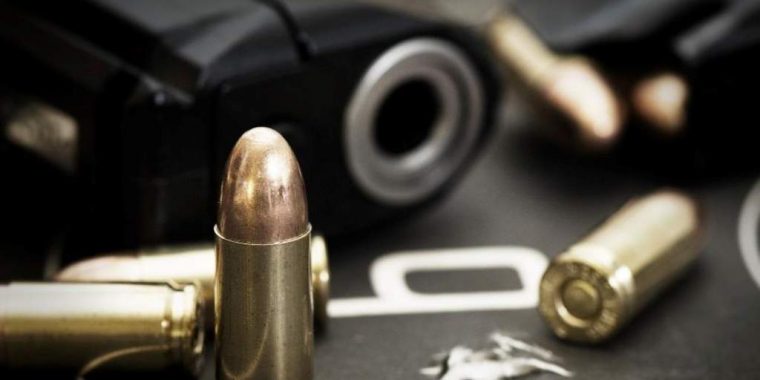
9mm
firearms
were
recovered.
Currently,
Zimbabwe
is
witnessing
an
increase
in
armed
robbery
cases.
Last
week,
the
Zimbabwe
Republic
Police
informed
Parliament
that
it
had
recorded
a
4%
increase
in
armed
robbery
cases
between
January
and
August
this
year,
compared
to
the
same
period
last
year.
“Our
analysis
of
crime
statistics
for
the
period
January
to
August
2025,
compared
to
the
same
period
in
2024,
reveals
a
different
picture.
We
have
recorded
an
overall
8%
decrease
in
total
robbery
cases.
“However,
there
is
a
concerning
4%
increase
in
the
most
violent
category,
robberies
committed
using
firearms,”
the
deputy
police
commissioner
for
administration,
Leny
Ncube,
told
the
Defence,
Security
and
Home
Affairs
Parliamentary
Portfolio
Committee.
Recently,
the
Zimbabwean
police
warned
businesses,
schools,
and
other
institutions
not
to
keep
large
sums
of
cash
at
home
or
in
offices,
but
to
deposit
them
in
banks.











 Kathryn