Mauritius Leads, Zimbabwe Trails in Africa’s 2025 Economic Freedom Ranking

Mauritius
remains
Africa’s
most
“economically
free”
country,
according
to
the
“Economic
Freedom
of
the
World
2025”
report
released
on
September
25,
2025,
by
the
Fraser
Institute,
a
Canadian
think
tank.
The
report
assesses
the
state
of
economic
liberty
across
165
countries
and
territories
based
on
45
distinct
indices
grouped
into
five
broad
categories.

The
categories
measured
are:
Size
of
Government
(including
tax
rates,
public
ownership,
and
government
investment);
Legal
System
and
Property
Rights
(judicial
independence,
military
interference,
and
police
effectiveness);
Sound
Money
(money
supply
growth,
inflation,
and
foreign
currency
accounts);
Freedom
to
Trade
Internationally
(average
tariff
rates,
capital
controls,
and
trade
barriers);
and
Regulation
(bank
ownership,
interest
rate
controls,
and
labor
market
rules).

Each
index
is
scored
from
0
(least
free)
to
10
points
(most
free).
These
scores
are
then
equally
weighted
and
aggregated
to
create
a
value
for
each
of
the
five
major
categories.
A
country’s
overall
score,
which
also
ranges
from
0
to
10,
is
the
average
of
the
five
category
scores.
Mauritius
ranked
21st
globally
with
an
overall
score
of
7.76
points.
The
Indian
Ocean
island
nation
achieved
its
best
performance
in
Freedom
to
Trade
Internationally
(8.76
points)
and
Sound
Money
(8.61
points).

With
a
score
of
7.58
points,
the
Seychelles
ranked
second
in
Africa
and
31st
globally.
They
were
followed
by
Cape
Verde
(44th),
Gambia
(68th),
Botswana
(69th),
Uganda
(72nd),
Kenya
(81st),
and
South
Africa
(83rd).
Morocco
and
Namibia
tied
for
94th
place
in
the
global
ranking,
completing
the
African
Top
10.
The
continent’s
least
economically
free
countries
were
Chad
(156th
globally),
Libya
(157th),
Algeria
(162nd),
Sudan
(163rd),
and
Zimbabwe
(164th).

Globally,
Hong
Kong
maintained
its
position
as
the
freest
economy
with
a
score
of
8.85
points,
ahead
of
Singapore,
New
Zealand,
Switzerland,
and
the
United
States.

The
ranking
also
highlighted
a
strong
statistical
correlation
between
a
nation’s
level
of
economic
freedom
and
both
its
GDP
growth
rate
and
average
income
level.
This
correlation
is
attributed
to
the
fact
that
economic
agents
operate
more
efficiently
when
they
have
the
right
to
initiative
and
are
motivated
to
innovate,
work,
and
save.


Walid
Kéfi


African
Countries
Ranked
by
Economic
Freedom,
2025


 Rank
in
Africa

Country

Global
Ranking
1 Mauritius 21
2 Seychelles 31
3 Cape
Verde
44
4 Gambia 68
5 Botswana 69
6 Uganda 72
7 Kenya 81
8 South
Africa
83
9 Morocco 94
10 Namibia 94
11 Rwanda 97
12 Benin 98
13 Somalia 101
14 Burkina
Faso
102
15 Tanzania 102
16 Zambia 104
17 Mozambique 105
18 Senegal 107
19 Liberia 109
20 Djibouti 110
21 Mauritania 111
22 Ivory
Coast
113
23 Togo 115
24 Madagascar 117
25 Lesotho 121
26 Nigeria 123
27 Tunisia 124
28 Guinea 125
29 Niger 125
30 Ghana 128
31 Mali 130
32 Cameroon 133
33 Sierra
Leone
135
34 Comoros 136
35 Eswatini 140
36 Guinea-Bissau 142
37 Gabon 143
38 Angola 146
39 Malawi 147
40 Egypt 149
41 Democratic
Republic
of
the
Congo
151
42 Burundi 152
43 Ethiopia 152
44 Central
African
Republic
154
45 Republic
of
the
Congo
155
46 Chad 156
47 Libya 157
48 Algeria 162
49 Sudan 163
50 Zimbabwe 164

Darkness descends — Eskom confirms blackout in Zambia and Zimbabwe after ‘incident’


Darkness
descends

Eskom
confirms
blackout
in
Zambia
and
Zimbabwe
after
‘incident’
© Copyright
(c)
Daily
Maverick
,
All
Rights
Reserved

At
around
12.55
on
Tuesday
afternoon,
the
lights
flickered
and
then
failed
across
Zimbabwe
and
Zambia.
This
synchronised
blackout,
the second in
recent
weeks,
was
triggered
by
cascading
failures
in
the
Southern
African
Power
Pool
(SAPP)

a
cooperative
framework
meant
to
bolster
regional
energy
resilience.

Towards
the
end
of
November,
another
such
blackout
occurred
which
was attributed to
“an
unexpected
development
on
the
Zambia-Zimbabwe interconnector”.

The
National
Transmission
Company
of
South
Africa
(NTCSA)

a
wholly
owned
subsidiary
of
Eskom

told
Daily
Maverick
that
Tuesday’s
incident
was
not
a
“power
surge”,
but
rather
an
“incident,
event
or
fault”.

“The
tripping
of
lines
occurs
automatically
to
protect
the
power
system
and
power
equipment,
and
it
is
misleading
to
suggest
that
Eskom
took
a
decision
to
disconnect
the
SAPP
region.”


SAPP
SADC
grid
map.
 (Source: SAPP)

The
Zimbabwe
Electricity
Transmission
and
Distribution
Company
(ZETDC)
said
an
“imbalance
in
power
on
the
international
connections”
caused
the
blackout.

In
statement,
the
ZETDC
said,
“[Zimbabwe
Electricity
Supply]
Holdings
would
like
to
advise
its
valued
customers
that
the
national
grid
experienced
a
system
disturbance
which
resulted
in
a
national
blackout
on
Tuesday,
December
17,
2024,
at
1255
hours.
This
incident
was
caused
by
an
imbalance
in
power
on
the
international
connections
which
affected
the
national
grid
of
Zimbabwe
and
some
parts
of
the
region.

“Restoration
to
most
parts
of
the
country
has
been
completed,
except
for
areas
under
load
shedding.”

The
incident
is
being
investigated
by
the
SAPP
Coordination
Centre
based
in
Harare.

The Lusaka
Times
reported
 that
on
Monday,
a
day
before
the
blackout,
Zimbabwe’s
power
generation
plummeted
to
its
lowest
level
in
more
than
12
months,
with
daily
electricity
production
hitting
736MW.
For
context,
just
one
of
Koeberg
Nuclear
Power
Station’s
two
units
can
produce
970MW.

Eskom
is
Africa’s
largest
electricity
producer,
supplying
nearly
30%
of
the
continent’s
power.
Accordingly,
it
plays
a
critical
role
in
the
SAPP.

Complementing
this
is
the
NTCSA,
which
operates
under
a
National
Energy
Regulator
of
South
Africa-issued
licence
which
allows
the
NTCSA
to
manage
imports,
exports
and
the
trade
of
electricity
within
the
SAPP,
ensuring
the
interconnected
grid
functions
smoothly
and
efficiently. DM

Post
published
in:

Featured

Byo urgently needs new provincial and district hospitals to decongest central hospitals

Dr
Siamuchembu
stresses
that
expanding
healthcare
infrastructure
is
essential
to
achieving
universal
access
to
health
in
Bulawayo.

In
an
interview
with
CITE,
the
PMD
said
the
current
system
forces
central
hospitals
to
operate
like
large
district
hospitals,
limiting
their
capacity
to
handle
complex
medical
cases.

“Basically,
the
central
hospitals
are
working
like
big
district
hospitals.
At
night,
everybody
flocks
to
Mpilo
and
UBH
because
all
the
clinics
are
closed,”
he
said.

The
solution,
according
to Dr
Siamuchembu lies
in
establishing
more
district-level
and
provincial
health
facilities.

“We
think
that
our
central
hospitals

Mpilo,
UBH
and
Ingutsheni
are
swamped
by
sicknesses
and
illnesses
that
should
be
managed
at
lower
level
health
facilities,”
he
said.

“So
to
decongest
the
central
hospitals,
I
would
like
to
have
three
district
level
hospitals
and
one
provincial
level
hospital.
Yes,
one
provincial
hospital,
three
district
hospitals.”

Dr
Siamuchembu
explained
that
Bulawayo
Metropolitan
Province
has
three
administrative
districts
under
the
Ministry
of
Health
and
Child
Care,
which
are
Emakhandeni,
Nkulumane
and
the
Northern
Suburbs,
with
each
of
those
needing
a
district
hospital.

“Then
I
think
we
need
a
provincial
hospital,
where
the
district
hospitals
can
be
referring
to,
before
patients
are
referred
to
the
Apex
hospitals,
which
are
the
central
hospitals,”
said
the
PMD.

He
also
stressed
having
additional
hospitals
would
allow
Mpilo,
UBH,
and
Ingutsheni
to
focus
on
specialised
care
and
complex
cases.

“That
would
leave
the
central
hospitals
to
provide
just
the
specialised
care
or
cater
for
complex
management
of
conditions,”
he
said.

Dr
Siamuchembu
said
he
has
engaged
the
Ministry
of
Health
and
Child
Care,
which
is
still
assessing
the
proposal
and
trying
to
secure
funding,
adding
that
as
a
medical
professional
he
hopes
the
plan
comes
to
fruition
and
welcomes
support
from
well-wishers.

“Yes
I
have
engaged
with
our
parent
ministry
and
they
are
looking
at
it.
They
are
still
trying
to
find
money
for
that.
Yes,
it’s
something
that
they’re
still
assessing.
This
is
something
that
I
hope
comes
true.
So
if
we
can
push
well
wishers,
good,”
he
said.

Although
funding
remains
a
challenge,
the PMD
hoped
the
Ministry
of
Finance
will
allocate
necessary
resources
for
the
province
to
achieve
universal
health
access
by
2030.

Dr
Siamuchembu
also
said
that
his
role
as
PMD
involves
assessing
the
healthcare
needs
of
Bulawayo
residents
and
communicating
them
to
the
government.

“I
am
a
provincial
medical
director
and
my
job
is
to
assess
the
needs
of
the
citizens
or
the
residents
of
my
province
and
tell
government
that
for
us
to
achieve
universal
access
to
health
by
2030,
this
is
what
we
need
in
Bulawayo
Metropolitan
Province.”

As
for
the
location
for
the
new
facilities,
the
PMD
said
these
were
still
under
consideration.

“We
will
have
to
assess
and
decide
which,
what
location
is
best.
One
of
our
dreams
is
to
integrate
mental
health
services
with
other
clinical
services
at
Ingutsheni.
So
Ingutsheni
is
a
possible
location
for
the
provincial
hospital.
Yeah.
But
we’ll
have
to
consult
with
all
the
stakeholders
and
agree
what
the
best
location
is.”

Dr
Siamuchembu
said
he
has
also
engaged
private
partners
on
this
initiative.

“Yes,
there
is
a
trust
or
an
organisation
that
came
to
my
office.
They
said
they
wanted
to
build
a
hospital
in
Nketa
in
memory
of
someone
important
to
them.
They
wanted
my
advice
and
I
told
them,
what
would
work
is
if
they
looked
at
the
provincial
desires
and
build
the
hospital
in
line
with
these
desires,”
he
said.

“So
they
said
they
were
going
to
look
at
it
and
come
back
to
me.
I’m
still
waiting
for
them
to
come
back.
It’s
been
maybe
two
months
ago.“

The
PMD
clarified
that
while
central
hospitals
are
not
overwhelmed,
minor
ailments
dominate
patient
visits.

“I
don’t
have
the
statistics
off
my
head
as
to
how
many
patients
pass
through
the
central
hospitals
but
understand
that
I
did
not
say
Mpilo
or
UBH
overwhelmed.
I
said
they
are
swamped
by
minor
ailments,”
he
said.

Zimbabwe Vigil Diary 27th September 2025


30.9.2025


1:23

Another
virtual
Vigil
today
continues
our
protest
against
the
human
rights
abuse
and
lack
of
democracy
in
Zimbabwe. 


https://www.flickr.com/photos/zimbabwevigil/54820135555/sizes/m/
 

Our
virtual
Vigil
activist
today
was
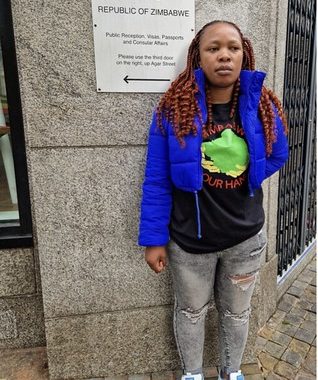
Melody
Mkwenje
who
was
expressing
her
dissatisfaction
with
ZANU
PF,
Zimbabwe’s
ruling
regime.  Photos: https://www.flickr.com/photos/zimbabwevigil/albums/72177720329336562/.

For
Vigil
pictures
check: http://www.flickr.com/photos/zimbabwevigil/.
Please
note:
Vigil
photos
can
only
be
downloaded
from
our
Flickr
website.


Events
and
Notices:  


  • Next
    Vigil
    meeting
    outside
    the
    Zimbabwe
    Embassy. 
    Saturday
    4th October
    from
    2

    5
    pm.
    We
    meet
    on
    the
    first
    and
    third
    Saturdays
    of
    every
    month.
    On
    other
    Saturdays
    the
    virtual
    Vigil
    will
    run.

  • The
    Restoration
    of
    Human
    Rights
    in
    Zimbabwe
    (ROHR)
     is
    the
    Vigil’s
    partner
    organisation
    based
    in
    Zimbabwe.
    ROHR
    grew
    out
    of
    the
    need
    for
    the
    Vigil
    to
    have
    an
    organisation
    on
    the
    ground
    in
    Zimbabwe
    which
    reflected
    the
    Vigil’s
    mission
    statement
    in
    a
    practical
    way.
    ROHR
    in
    the
    UK
    actively
    fundraises
    through
    membership
    subscriptions,
    events,
    sales
    etc
    to
    support
    the
    activities
    of
    ROHR
    in
    Zimbabwe.

  • The
    Vigil’s
    book
    ‘Zimbabwe
    Emergency’
     is
    based
    on
    our
    weekly
    diaries.
    It
    records
    how
    events
    in
    Zimbabwe
    have
    unfolded
    as
    seen
    by
    the
    diaspora
    in
    the
    UK.
    It
    chronicles
    the
    economic
    disintegration,
    violence,
    growing
    oppression
    and
    political
    manoeuvring

    and
    the
    tragic
    human
    cost
    involved. It
    is
    available
    at
    the
    Vigil.
    All
    proceeds
    go
    to
    the
    Vigil
    and
    our
    sister
    organisation
    the
    Restoration
    of
    Human
    Rights
    in
    Zimbabwe’s
    work
    in
    Zimbabwe.
    The
    book
    is
    also
    available
    from
    Amazon.


  • Facebook
    pages:   

  • Vigil : 
    https ://www.facebook.com/zimbabwevigil 
  • ROHR: https://www.facebook.com/Restoration-of-Human-Rights-ROHR-Zimbabwe-International-370825706588551/
  • ZAF: https://www.facebook.com/pages/Zimbabwe-Action-Forum-ZAF/490257051027515

The
Vigil,
outside
the
Zimbabwe
Embassy,
429
Strand,
London
meets
regularly
on
Saturdays
from
14.00
to
17.00
to
protest
against
gross
violations
of
human
rights
in
Zimbabwe.
The
Vigil
which started
in
October
2002
will
continue
until
internationally-monitored,
free
and
fair
elections
are
held
in
Zimbabwe.

Post
published
in:

Featured

Treasury orders tough spending cuts to contain budget deficit

HARARE

Treasury
has
announced
sweeping
new
measures
to
rein
in
government
spending,
including
a
freeze
on
recruitment,
a
25
percent
cut
in
fuel
allocations,
a
ban
on
workshops
in
hotels,
and
restrictions
on
foreign
travel.

The
directive,
contained
in
Treasury
Circular
Number
10
of
2025
signed
by
finance
secretary
George
Guvamatanga,
is
aimed
at
enforcing
fiscal
discipline
after
years
of
unbudgeted
expenditures
that
have
undermined
budget
credibility
and
widened
the
deficit.

With
immediate
effect,
ministries,
departments
and
agencies
(MDAs)
are
prohibited
from
entering
into
contracts
above
US$2
million
without
written
approval
from
treasury.
Any
agreements
signed
outside
the
new
vetting
process
will
be
declared
void,
the
circular
warned.

“All
accounting
officers
are
required
to
abide
by
the
constitution
and
the
Public
Finance
Management
Act
on
the
management
of
public
resources,
with
treasury
enforcing
penalties
on
non-compliance,”
Guvamatanga
said.


To
cut
operational
costs,
government
has
ordered
that
all
domestic
workshops
be
suspended
for
the
remainder
of
2025,
except
for
statutory
and
strategic
planning
meetings,
which
must
be
held
at
government
training
centres
such
as
the
Zimbabwe
Institute
of
Public
Administration
and
Management
(ZIPAM).

Foreign
trips
will
only
be
authorised
if
fully
funded
by
external
partners.

Special
allowances
for
travel
have
also
been
scrapped,
with
civil
servants
directed
to
use
standard
per-diem
rates.
Hiring
of
vehicles
by
ministries
has
been
banned,
while
government
pool
cars
will
now
be
closely
monitored
through
log
books
and
barred
from
being
taken
home
after
hours
or
on
weekends.

In
a
major
shift,
treasury
has
frozen
new
recruitment
in
the
public
sector,
except
for
essential
posts
in
health,
education
and
security
that
are
already
budgeted
for
in
2025.

Institutions
funded
from
the
Consolidated
Revenue
Fund
must
also
migrate
to
the
Salary
Service
Bureau
platform
for
payroll
management
to
improve
transparency
and
curb
leakages.

Fuel
allocations
for
operations
are
being
slashed
by
25
percent,
while
purchases
of
vehicles,
furniture
and
equipment
have
been
deferred
to
the
2026
budget.

Only
high-impact
capital
projects
and
those
with
running
payment
commitments
will
receive
funding
for
the
rest
of
the
year.

“These
expenditure
rationalisation
measures
are
effective
immediately,”
Guvamatanga
wrote,
adding
that
MDAs
should
negotiate
long-term
settlement
plans
with
service
providers
to
ensure
sustainability.

The
government’s
belt-tightening
comes
amid
mounting
pressure
to
restore
fiscal
stability
as
the
economy
battles
high
inflation,
currency
volatility
and
rising
debt.

Mnangagwa hands over first batch of 700 vehicles for army chiefs amid party tensions

HARARE

Facing
growing
unease
within
his
own
Zanu
PF
party,
President
Emmerson
Mnangagwa
on
Monday
handed
over
102
vehicles
to
senior
army
commanders
in
what
observers
say
is
a
calculated
bid
to
shore
up
loyalty
and
insulate
his
regime
against
the
threat
of
a
coup.

The
information
ministry
said
the
vehicles
would
“bridge
a
significant
gap
in
the
conditions
of
service
for
senior
army
officers,
ensuring
they
receive
their
entitled
benefits,
including
vehicles,
ultimately
enhancing
their
welfare
and
operational
effectiveness
within
the
Zimbabwe
Defence
Forces.”

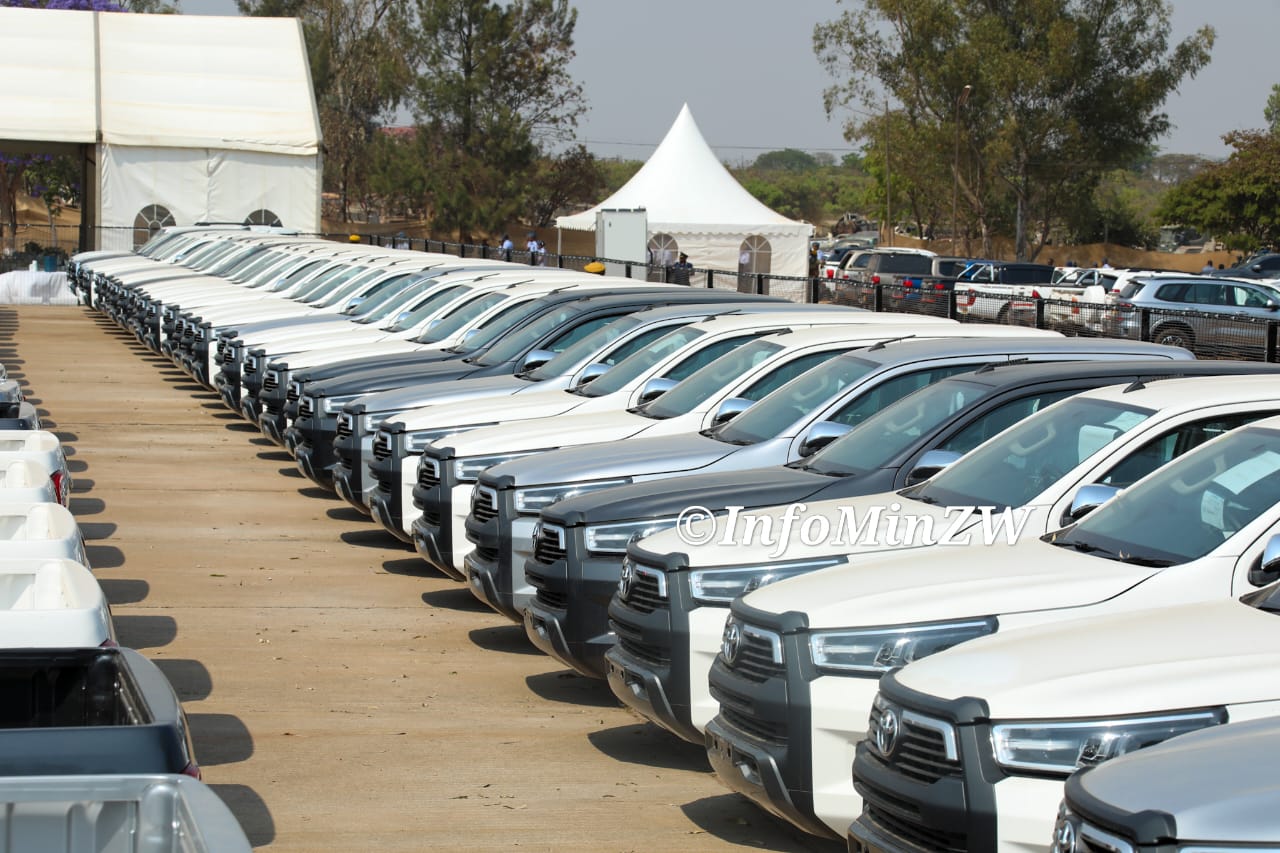
Pictures
released
by
the
ministry
showed
Mnangagwa
smiling
as
he
presented
the
keys
to
a
line
of
gleaming
off-road
trucks
at
the
Zimbabwe
National
Army
(ZNA)
Msasa
Logistics
Garrison
Depot
in
Harare.

Mnangagwa
said:
“The
vehicles
I’m
commissioning
today
are
under
the
first
phase
of
a
comprehensive
programme
that
will
see
the
government
procuring
vehicles,
inclusive
of
buses,
towards
enhancing
mobility
across
the
rank
and
file
of
the
ZDF.”


Presidency
spokesman
George
Charamba
said
“all
told,
the
ZDF
will
get
over
700
vehicles,
the
first
ever
time
that
ZDF
has
received
such
a
consignment
within
a
short-time
bracket.”

But
critics
immediately
questioned
the
timing
of
the
gesture,
noting
that
Mnangagwa
is
grappling
with
widening
cracks
in
Zanu
PF
following
his
sidelining
of
party
secretary
general
Obert
Mpofu
and
growing
tension
with
his
deputy,
Vice
President
Constantino
Chiwenga.

“This
is
classic
coup-proofing,”
a
Harare
political
analyst
told
ZimLive.

“Mnangagwa
knows
his
position
is
shaky,
and
in
Zimbabwe
the
army
remains
the
ultimate
arbiter
of
political
power.
Giving
generals
expensive
perks
is
a
way
of
buying
their
loyalty
at
a
time
when
the
succession
battle
is
heating
up.”

Colonel
Miniyothabo
Baloyi,
the
wife
of
vice
president
Constantino
Chiwenga,
attends
a
ceremony
where
military
chiefs
received
new
vehicles
on
September
29,
2025
Some
of
the
vehicles
handed
over
to
the
military
top
brass
by
President
Emmerson
Mnangagwa

The
army’s
role
in
Zimbabwean
politics
remains
deeply
sensitive.
It
was
the
military
that
intervened
in
2017
to
depose
longtime
ruler
Robert
Mugabe,
paving
the
way
for
Mnangagwa
to
take
power
with
Chiwenga’s
backing.

Now,
with
Chiwenga
positioning
himself
as
a
reformist
championing
an
anti-corruption
campaign
against
business
elites
aligned
to
Mnangagwa,
the
president
is
increasingly
relying
on
patronage
to
consolidate
his
authority.

Millionaire
Zanu
PF
oligarchs
Kudakwashe
Tagwirei
and
Wicknell
Chivayo
have
lavished
over
300
vehicles
on
members
of
the
party’s
central
committee
and
provincial
chairmen
in
recent
weeks.

Neither
the
Ministry
of
Defence
nor
the
Zimbabwe
Defence
Forces
provided
details
of
the
cost
of
the
vehicles.
Chivayo
is
known
to
have
a
million-dollar
procurement
deal
with
the
military.

Some
of
the
vehicles
handed
over
to
the
military
top
brass
by
President
Emmerson
Mnangagwa
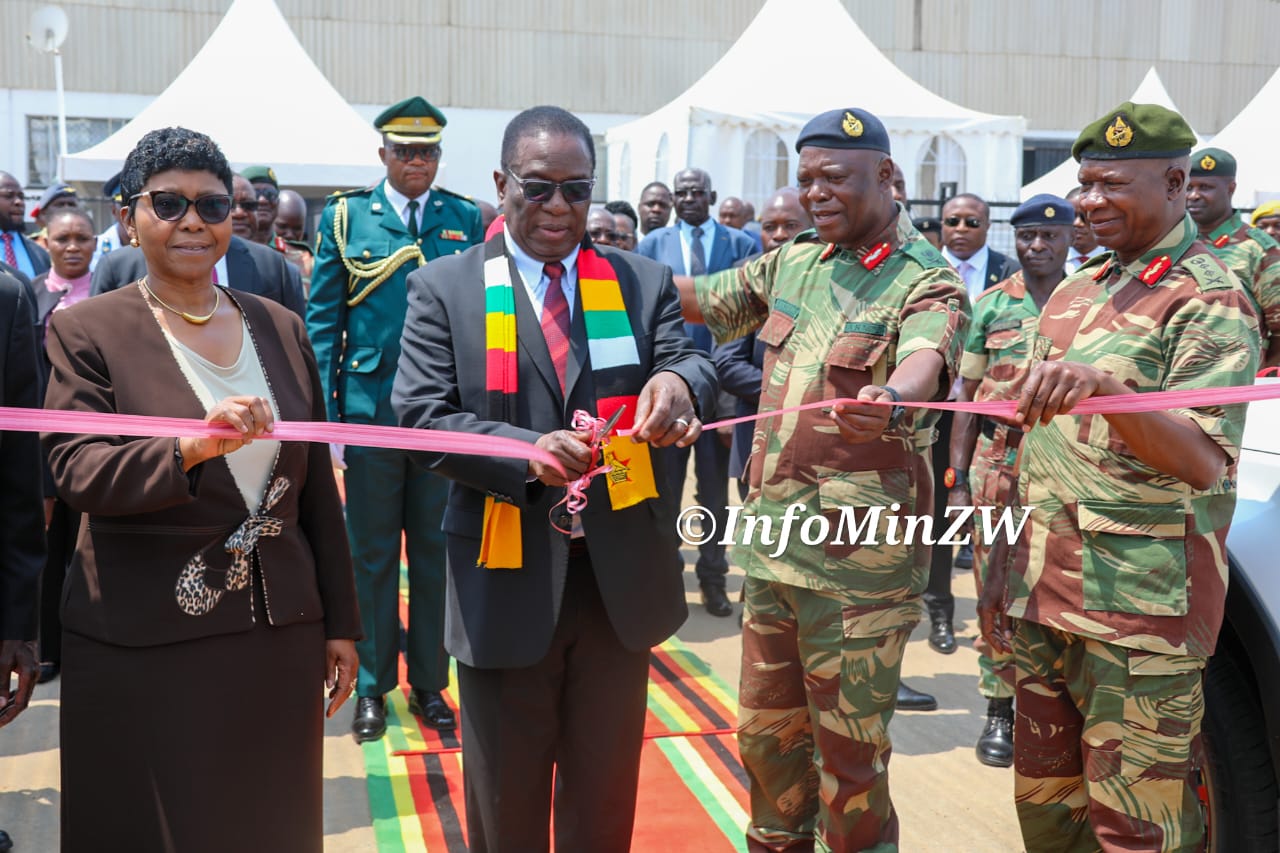
President
Emmerson
Mnangagwa
cuts
a
ribbon
before
handing
over
102
vehicles
to
military
chiefs
in
Harare
on
September
29,
2025

Zimbabwe is tobacco country. But some want to switch to a healthier crop – blueberries

Shingai
Nyoka
/
BBC

Zimbabwe
is
Africa’s
biggest
producer
of
tobacco
but
some
farmers
believe
the
country’s
long-term
future
could
lie
in
a
very
different
crop

blueberries.

Thanks
to
a
breakthrough
in
trade
talks
with
China,
the
world’s
biggest
importer
of
the
nutrient-rich
fruit,
Zimbabwe
has
taken
a
major
step
towards
achieving
its
ambition
of
becoming
Africa’s
blueberry
capital.

Tobacco
sales
surged
to
a
record
$1.3bn
(£1bn)
last
year,
helped
by
the
rising
number
of
smokers
in
China.

In
contrast,
blueberry
exports
were
worth
a
more
modest
$30m
but
horticulture
specialist
Clarence
Mwale
is
undaunted.

“The
future
is
food,
not
a
bad
habit,”
he
tells
the
BBC
at
his
warehouse
in
Harare.

For
the
first
time,
China
has
agreed
to
import
Zimbabwean
blueberries
and,
crucially,
has
exempted
them
from
tariffs,
in
a
boost
for
the
southern
African
state’s
struggling
economy.

“We
have
to
strike
while
the
iron
is
hot,”
exuberant
blueberry
farmer
Alistair
Campbell
tells
the
BBC.

Currently
exporting
to
Europe,
the
Middle
East
and
South
East
Asia,
farmers
like
Campbell
would
be
gaining
access
to
a
massive
new
market,
once
Zimbabwe
passes
China’s
compliance
tests
on
pest
and
disease
control.

A
former
captain
of
Zimbabwe’s
cricket
team,
53-year-old
Campbell
co-owns
a
high-tech
50
hectare
(123
acres)
blueberry
farm
about
an
hour
from
the
capital,
Harare.

Each
of
the
240,000
plants
on
the
farm
is
grown
in
a
pot
imported
from
the
Netherlands
or
South
Africa.
The
pot
soil
is
also
imported.

The
plants
are
watered
eight
times
a
day,
with
specially
treated
water,
and
the
blueberries
are
kept
in
refrigerators
soon
after
they
are
harvested
to
maintain
freshness.

Campbell
said
that
although
it
was
a
demanding
fruit
to
grow,
the
rewards
are
worth
it,
especially
as
global
demand
is
increasing
for
what
some
describe
as
a
superfood,
with
high
levels
of
vitamins
and
anti-oxidants.

Campbell
believes
Zimbabwe
can
cash
in
on
the
rising
demand,
as
the
fruit
comes
into
season
early,
in
late
March,
hitting
the
market
ahead
of
major
competitors
like
Peru.

“It’s
all
about
Peru
avoidance,”
laughs
Campbell.

Peru
is
both
a
bitter
rival
and
an
inspiration
for
Zimbabwe’s
farmers.
In
the
last
10
to
15
years,
it
has
gone
from
being
responsible
for
less
than
2%
of
global
blueberry
production
to
becoming
the
largest
exporter
of
the
fruit.

Zimbabwe’s
production
this
year
is
expected
to
rise
by
50%
to
12,000
tonnes.

Morocco
currently
leads
Africa’s
production
with
more
than
80,000
tonnes
in
2024.

South
Africa,
Zimbabwe’s
neighbour,
produced
25,000
tonnes.

With
South
Africa
being
severely
hit
by
US
tariffs,
it
is
looking
for
new
markets
for
its
fruit,
with
China
being
an
obvious
one,
especially
as
it
has
promised
zero
tariffs
for
all
African
states,
except
Eswatini
because
of
its
close
ties
with
Taiwan.

The Washington Post via Getty Images A cicada sits on a blueberry plant at a farm in the USThe
Washington
Post
via
Getty
Images
Blueberries
have
become
increasingly
popular
because
of
their
health
benefits


China
has
not
yet
agreed
to
take
South
African
blueberries
,
raising
hopes
among
farmers
in
Zimbabwe
that
they
will
enter
the
lucrative
market
first.

The
Zimbabwean
and
Chinese
governments
struck
the
deal
earlier
this
month,
offering
what
has
been
described
as
an “unprecedented
opportunity
for
local
producers
to
access
one
of
the
world’s
fastest-growing
blueberry
markets”
.

“This
agreement
is
a
milestone
for
Zimbabwe’s
horticultural
sector,”
says
Zimbabwe’s
Horticultural
Development
Council
executive
director
Linda
Nielsen.

“We
now
need
collaboration
to
design
policies
that
increase
investment,
boost
production,
and
ensure
our
blueberries
meet
China’s
strict
quality
and
phytosanitary
standards,”
she
adds.

Zimbabwe
farmers
are
now
looking
for
capital
to
boost
blueberry
production
to
30,000
tonnes
by
2030.

Expressing
caution
about
whether
this
can
be
achieved,
Campbell
tells
the
BBC:
“It’s
all
good
saying
Zimbabwe
is
open
for
business
but
the
underlying
fundamentals
need
to
be
correct.”

Many
analysts
say
that
more
than
20
years
after
the
government’s
controversial
land
reform
programme
led
to
the
seizure
of
many
white-owned
farms,
investors
remain
uncertain
about
the
security
of
their
land,
despite
a
new
law
that
does
away
with
leases
and
offers
full
title
to
resettled
farmers.

With
Zimbabwe
experiencing
a
severe
cash
crisis,
exporters
are
required
to
surrender
almost
a
third
of
their
foreign-currency
earnings
to
the
central
bank
in
exchange
for
local
currency

something
that
many
Zimbabweans
are
loathe
to
do,
fearing
it
will
lose
its
value.

Last
year
Zimbabwe
generated
$30m
(£22.5m)
from
blueberry
exports.

The
amount
may
be
modest,
but
with
unemployment
high,
the
jobs
the
industry
creates
are
welcome.
It
employs
about
6,000
people,
mostly
women.

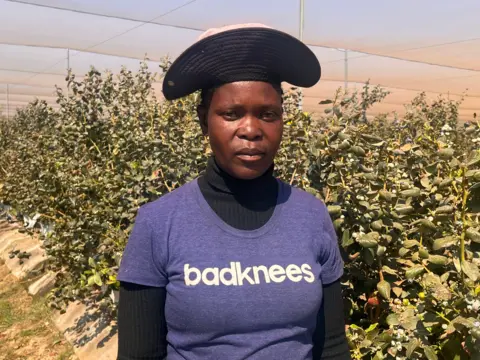
Shingai Nyoka / BBC Rebecca Bonzo, wearing a cap and a blue topShingai
Nyoka
/
BBC
Rebecca
Bonzo
says
blueberry
farms
are
a
source
of
employment
for
women

“It’s
delicate
hands
that
are
needed
for
a
delicate
fruit,”
Rebecca
Bonzo,
a
supervisor
at
Campbell’s
farm,
tells
the
BBC
in
the
Shona
language.

“Up
to
300
women
work
during
the
peak
harvesting
season.
Many
are
sole
breadwinners
who
can
now
take
care
of
their
families,”
she
says.

Clarence
Mwale

the
founder
of
Kuminda,
which
represents
a
collective
of
small-
and
medium-scale
farmers

says
he
is
pushing
more
of
them
to
become
involved
in
blueberry
farming.

He
says
he
has
achieved
this
with
other
crops

for
instance,
about
5,000
small-scale
farmers
now
supply
horticultural
products,
mainly
mange
touts
and
sugar
snap
peas,
to
the
UK
and
other
European
markets,
something
that
was
unheard
of
15
to
20
years
ago.

Mwale
says
he
is
now
looking
for
about
100
young
farmers
to
diversify
into
blueberry
farming
and
benefit
from
China’s
decision
to
open
the
market
to
Zimbabweans.

“As
the
Chinese
market
opens
up…it
gives
us
much
more
scope,”
he
tells
the
BBC.
“Where
we
were
scrambling
and
fighting
for
the
European
markets,
which
we
haven’t
been
able
to
fulfil,
now
we
have
a
vast
market
that
we
have
to
fill.

“It
gives
everyone
a
chance
to
get
into
the
blueberry
production.”

Zimbabwe
has
traditionally
been
tobacco
country.

But
having
fuelled
a
bad
habit
in
China,
it
now
wants
to
promote
a
health
food
there,
hoping
in
the
process
to
acquire
the
status
of
Africa’s
blueberry
capital.

Post
published
in:

Agriculture

THE ELEPHANT IN THE ROOM | 21 Years Living Under a Dictatorship

A
week
later
on
the
21st,
President
Mugabe
turned
in
his
resignation
letter
just
as
the
impeachment
process
in
Parliament
began.
I
watched
all
this
from
my
dorm
room,
terrified
that
the
bloodshed
and
pillage
that
I
had
seen
in
other
countries
like
Syria,
Somalia
and
Egypt
had
come
to
my
home.
I
feared
for
the
safety
of
my
family
back
home.
The
army,
however,
was
quick
to
put
out
the
disclaimer
that
its
actions
were
not
a
coup
and
news
from
my
family,
friends,
and
other
countrymen
mirrored
these
sentiments.
Watching
the
events
unfold,
the
peace
that
pervades
Zimbabwean
atmosphere
right
now
and
the
hope
for
a
future
without
Mugabe
has
me
reflecting
on
some
of
the
things
that
characterized
my
21
years
living
under
the
Mugabe
regime.


The
Cult
of
Personality

Whenever
people
who
know
the
political
situation
of
Zimbabwe
find
out
my
nationality,
they
always
ask
what
is
it
like
to
have
a
93-year
old
president.
While
my
American
classmates
have
lived
through
three
or
four
presidencies,
I
have
only
known
one.
Years
of
propaganda
and
Mugabe’s
charisma
have
not
left
me
unscathed.
Listening
to
his
speeches
had
the
same
effect
as
listening
to
Obama
speak
has
for
many
Americans.
Mugabe
is
charming,
energetic,
articulate,
funny,
and
smart.
He
has
a
way
of
working
a
crowd
such
that
you
can’t
help
but
feel
a
fondness
for
him.
I
was
part
of
the
population
in
my
country
that
even
believed
that
Mugabe
was
infallible,
almost
immortal.
Indeed,
there
are
several
myths
of
immortality
surrounding
him,
one
of
the
most
popular
being
that
Mugabe
ate
the
heart
of
a
tortoise
and
so
will
live
the
same
life
span
as
a
turtle,
which
can
live
up
to
200
years.
This
is
ridiculous,
of
course,
but
that’s
the
effect
of
the
Cult
of
Personality.


Fear
of
Speaking
Out

I
cannot
stress
the
level
of
anxiety
I
have
writing
this
article
right
now.
Even
though
Mugabe
has
resigned
and
seems
to
have
lost
his
political
clout,
I
am
still
afraid
of
him.
I
am
afraid
that
tomorrow
I
will
wake
up
and
be
charged
for
treason
for
even
putting
these
thoughts
down.
That’s
what
speaking
out
in
Zimbabwe
entailed
under
Mugabe

being
charged
with
“subverting
the
authority
of
a
constitutionally
elected
government.”
While
studying
abroad
I
have
often
been
envious
of
how
people
in
the
US
can
easily
express
their
dissatisfaction
and
not
expect
any
repercussions.
Coming
from
a
country
with
state
owned
media,
a
ruthless
secret
police,
and
a
highly
trained
riot
police,
organizing
and
attending
protests
is
not
as
easy
as
it
is
here.
Even
writing
an
op-ed
can
land
you
in
jail.


Loss
of
Hope

I’ve
lived
through
holding
a
10
billion
dollar
note
in
my
hand
that
couldn’t
buy
a
loaf
of
bread.
I’ve
lived
through
water
shortages
and
food
shortages
and
the
adoption
of
a
chaotic
multi-currency
system
in
which
you
buy
goods
in
one
currency
and
receive
change
in
another.
My
country
currently
has
one
of
the
highest
unemployment
rates

I
know
more
than
20
degreed
and
highly
educated
people
who
have
no
jobs.
This
made
me
and
many
others
my
age
lose
hope.
Most
of
us
looked
for
opportunities
beyond
borders;
many
Zimbabweans
are
in
South
Africa,
Canada,
Ireland,
and
the
US.
Those
who
remain
hope
to
leave
soon,
too.
Nobody
chooses
to
leave
the
familiarity
of
their
home
out
of
a
whim

all
Zimbabwean
immigrants
were
forced
beyond
their
borders
and
yearn
for
home.

While
Zimbabweans
wait
anxiously
to
see
how
Mugabe’s
successor
will
fair,
we
hope
that
after
this
cut-off
head
falls
down,
another
won’t
sprout
in
its
place.
The
experiences
I
have
detailed
are
not
at
all
exhaustive.
they’re
just
the
surface
of
a
very
rotten
regime.
Even
though
there
is
uncertainty
at
the
moment
in
my
country
and
in
the
diaspora,
this
is
the
first
time
in
37
years
that
Zimbabweans
have
hope
for
a
change.
As
we
move
into
a
new
era,
I
hope
we
can
consolidate
the
gains
of
this
“non-coup”
and
usher
in
a
stable
democracy
and
economic
prosperity.


Source:


THE
ELEPHANT
IN
THE
ROOM
|
21
Years
Living
Under
a
Dictatorship


The
Cornell
Daily
Sun

Post
published
in:

Featured

Coltart warns devolution failing local authorities

Speaking
at
a
National
Residents’
Summit
in
Bulawayo
on
Thursday,
hosted
by
the
Bulawayo
Progressive
Residents
Association
(BPRA),
Cllr
Coltart
said
national
policies
and
laws
were
running
contrary
to
the
principle
of
devolution
enshrined
in
the
constitution.

“Although
we
have
strong
constitutional
provisions
that
should
promote
devolution,
the
reality
on
the
ground
is
that
there
are
measures
in
place
which
are
accosted
to
devolution,”
he
said.

He
cited
road
maintenance
as
one
of
the
areas
affected,
saying
funds
previously
allocated
to
councils
through
vehicle
licence
fees
were
now
controlled
by
the
Zimbabwe
National
Road
Administration
(ZINARA).

“That
money
now
goes
to
ZINARA
and
we
literally
have
to
beg
to
get
some
of
our
money
back
to
repair
roads.
That
is
contrary
to
the
principle
of
devolution,”
he
added.

The
mayor
also
criticised
the
government’s
takeover
of
Bulawayo’s
water
infrastructure.

“Ratepayers
of
this
city
over
decades
built
our
own
dams
and
our
own
water
infrastructure.
But
those
dams
were
unilaterally
taken
over
by
the
Zimbabwe
National
Water
Authority
(ZINWA)
decades
ago
and
we
now
have
to
buy
our
own
water
back,”
he
said.

Cllr
Coltart
further
accused
central
government
of
directing
how
devolution
funds
should
be
spent,
citing
the
purchase
of
fire
engines
from
Belarus
at
US$400,000
each.

“We
could
have
got
top-of-the-range
Mercedes
Benz
or
Volvo
fire
engines
for
two-thirds
the
price.
It
is
another
example
of
how
we
pay
lip
service
to
the
principle
of
devolution,”
he
said.

The
mayor
also
raised
alarm
over
Bulawayo’s
worsening
water
crisis,
with
the
city
currently
on
a
130-hour
water
shedding
schedule.
Some
residents
report
receiving
water
only
once
every
two
or
three
weeks.

“Our
water
structure
is
groaning.
It
is
over
40
years
old
and
way
beyond
its
economic
lifespan.
Ncema
Dam’s
water
treatment
works,
built
in
the
1940s,
are
in
dire
need
of
complete
rehabilitation,”
he
said.

Cllr
Coltart
warned
that
without
urgent
investment
in
new
dams
and
infrastructure,
Bulawayo’s
water,
sanitation
and
hygiene
systems
would
remain
in
a
“critical
state.”

Police hold two 16-year-old schoolboys over alleged sex attack on classmate

MUTARE

Police
on
Monday
said
they
were
holding
two
schoolboys,
both
aged
16,
after
a
viral
video
of
them
allegedly
raping
a
fellow
pupil
was
leaked
online.

The
three
pupils
are
from
Masasi
High
School
in
Marange,
Manicaland
province.

National
police
spokesman
Commissioner
Paul
Nyathi,
in
a
briwf
statement,
said:
“The
ZRP
has
located
the
complainant
(17)
and
the
two
suspects,
both
aged
16.
More
details
will
be
released
as
inquiries
continue.”

Unverified
commentary
surrounding
the
video
posted
online
claimed
that
the
two
boys
took
turns
to
sexually
assault
the
victim
while
filming
themselves.
The
two
lads
are
also
seen
laughing.