COUCH
BOY,
I’M
NOT
MIMICKING
DOZY
DON.
I’M
MOCKING
HIM.
ONLY
SOMEONE
WITH
A
LAW
DEGREE
FROM
CHUCK
E.
CHEESE
COULD
BE
AS
DUMB
AS
YOU!!!
—
GCN
https://t.co/NtS2TGcpjT
Staci
Zaretsky is
the
managing
editor
of
Above
the
Law,
where
she’s
worked
since
2011.
She’d
love
to
hear
from
you,
so
please
feel
free
to
email
her
with
any
tips,
questions,
comments,
or
critiques.
You
can
follow
her
on Bluesky, X/Twitter,
and Threads, or
connect
with
her
on LinkedIn.
The
biggest
argument
I’ve
gotten
into
lately
—
in
the
legal
tech
space
anyway
—
is
over
so-called
“Agentic
AI.”
I
say,
“so-called”
because
most
of
the
tools
billing
themselves
as
“agentic”
don’t
bear
much
resemblance
to
the
“Agentic
AI”
being
talked
about
in
every
other
sector.
Consumer
AI
companies
extol
the
virtues
of
agents
that
autonomously
make
reservations
for
you
based
on
scanning
your
horoscope
that
morning.
“Agentic”
is
the
buzzword
of
the
hour.
It’s
what
gets
all
the
VCs
setting
their
money
on
fire
investing
in
AI
so
excited
and
the
technophiles
intrigued.
And
so
legal
tech
companies
need
to
adopt
that
vernacular
too.
However,
lawyers
considering
new
products
aren’t
necessarily
psyched
about
the
idea
of
AI
using
black
box
decision-making.
Because
the
buzzword
we
use
for
that
in
this
profession
is
“malpractice.”
The
good
news
is
that,
despite
the
moniker,
most
of
the
products
being
described
as
agentic
in
the
legal
space
more
closely
resemble
a
batch
file
of
professionally
manicured
chat
prompts.
Which
is
good!
The
providers
behind
these
elaborate
automations
have
spent
a
lot
of
time
and
money
to
make
sure
the
AI
provides
the
best
possible
results.
AI
hallucinations
are
real,
but
the
greatest
source
of
error
remains
between
the
keyboard
and
the
chair.
Bad
prompts
lead
to
bad
results…
and
even
hallucinated
ones.
Lawyers
—
whether
in-house
or
at
a
firm
—
are
likely
to
feel
a
lot
better
about
a
product
described
as
“an
expert-curated
workflow
to
maximize
AI’s
potential
while
protecting
against
errors”
than
an
“autonomous
agent.”
The
legal
industry
gets
its
cues
from
the
tech
providers
and
those
providers
need
to
be
able
to
communicate
what
they
can
offer
in
terms
that
lawyers
are
ready
to
hear.
Plat4orm
and
Lumen
Advisory
Group
just
dropped
a
report
to
help
translate
technobabble
to
legalese:
From
Hours
to
Outcomes:
The
Legal
Tech
Executive
Playbook
for
Value
Creation
in
the
AI
Era.
It’s
the
first
in
a
series
of
planned
playbooks,
this
one
offering
a
strategic
guide
to
coach
up
legal
tech
providers
on
how
they
can
guide
their
own
clients
through
the
AI
waters.
As
someone
who
interviews
tech
providers
all
the
time,
it’s
usually
clear
when
a
company
is
represented
by
folks
like
Plat4orm
and
when
they
aren’t.
This
guide
offers
a
slice
of
insight
into
why.
AI
providers
will
always
talk
about
time-savings,
but
it
matters
how
they
describe
time
savings.
Silicon
Valley
tech
bros
describe
time
savings
in
terms
of
AI
“taking
over”
decisions.
They
gush
about
how
they
have
built
something
to
replace
humans.
And,
yes,
they’ll
probably
drop
something
about
it
being
“agentic”
and
“autonomous.”
Contrast
that
with
the
description
above.
Note
that
words
like
“secure”
and
“trained
on
their
own
contract
data”
show
up
before
anyone
mentions
time.
Note
how
it’s
stressed
that
the
AI
created
“a
strong
first
draft,”
implicitly
reassuring
the
lawyer
customer
that
we’re
only
talking
about
a
draft
out
of
the
gate.
Legal
advice
is
“high-value”
and
“expert”
—
keeping
those
egos
stroked
—
while
describing
a
literal
decimation
of
billable
time.
Don’t
leave
it
in
terms
of
billed
time
lost,
focus
on
real
time
gained.
“Reframe
the
conversation
from
‘hours
saved’
to
‘strategic
capacity
unlocked,’”
as
the
playbook
explains.
An
MIT
study
found
that
some
95%
of
generative
AI
pilots
fail
to
deliver
measurable
business
impact.
There’s
no
single
cause
for
this,
but
at
least
part
of
it
is
the
general
confusion
among
lawyers
over
what
all
this
stuff
even
means.
How
do
you
make
the
plunge
and
sink
resources
into
AI
—
and
once
you
do,
how
do
you
commit
to
overcoming
the
adoption
hurdle
—
when
you
aren’t
even
sure
you’re
making
the
right
AI
decisions?
The
resulting
inaction
ends
up
like
a
middle
school
dance:
everyone
standing
awkwardly
along
the
walls
while
the
unruly
kids
try
to
spike
the
punch
with
bootleg
Four
Lokos
while
no
one’s
looking.
People
using
ChatGPT
for
legal
research
are
the
Four
Lokos
kids
of
this
analogy.
What
this
playbook
offers
is
a
responsible
chaperone
for
that
dance.
Thurgood
Marshall
in
front
of
the
Supreme
Court
in
1958
(Credit:
Library
of
Congress)
Before
the
actor
who
played
Black
Panther
brought
him
to
life
on
the
silver
screen,
Thurgood
Marshall
had
already
secured
his
place
as
a
real-life
superhero
of
civil
rights.
That’s
exactly
what
the
documentary
“Becoming
Thurgood:
America’s
Social
Architect”
focuses
on,
inviting
viewers
to
“reflect
on
his
work
shaping
the
American
legal
system.”
As
a
pioneering
force
in
the
legal
battle
for
civil
rights,
Marshall
cemented
his
legacy
as
the
first
African
American
man
to
be
appointed
to
the
Supreme
Court
of
the
United
States.
Through
interviews
with
acclaimed
authors,
legal
scholars,
and
family
members,
the
film
traces
Marshall’s
journey
from
his
childhood
and
work
with
the
NAACP
Legal
Defense
Fund
to
his
appointment
to
the
Supreme
Court
—
marking
his
inspirational
accomplishments
along
the
way.
“Legally
speaking,
he’s
one
of
the
founding
fathers,”
noted
author
Wil
Haygood.
Check
out
a
trailer
for
the
film,
below:
Born
in
1908
in
Baltimore,
Maryland,
Marshall
came
from
humble
beginnings
during
the
segregation
era,
and
as
a
child,
his
father
brought
him
to
court
to
watch
legal
proceedings.
According
to
his
son,
John,
Marshall
was
“very
impressed
with
watching
lawyers
argue
cases”
—
and
he
would
later
become
one
of
the
most
eloquent
advocates
ever
to
appear
before
the
Supreme
Court.
Marshall
pursued
a
path
of
academic
excellence,
attending
two
prominent
Historically
Black
Colleges
and
Universities,
Lincoln
University
and
Howard
University
School
of
Law.
From
there,
he
embarked
upon
a
career
that
would
make
racial
equality
a
reality
and
change
the
future
for
all
Americans.
Known
as
“Mr.
Civil
Rights,”
Marshall
time
and
again
took
up
challenging
causes,
winning
29
of
the
32
cases
he
argued
before
the
Supreme
Court,
including
the
landmark
case
of
Brown
v.
Board
of
Education,
which
ended
racial
segregation
in
public
schools.
His
fight
for
equality
didn’t
end
there,
however,
as
many
years
of
litigation
followed
thanks
to
“massive
resistance”
to
the
high
court’s
decision.
Marshall
never
gave
up,
and
secured
victory
after
victory
in
the
name
of
equality
and
justice
for
all.
“The
work
and
life
of
Thurgood
Marshall
literally
changed
this
country
in
ways
that
are
incredibly
positive
and
powerful
and
that
still
resonate
today,”
said
Sherrilyn
Ifill
of
Howard
Law.
Marshall’s
historic
rise
to
legal
prominence
was
rewarded
with
positions
of
note
within
the
judiciary
and
the
federal
government.
In
1961,
he
was
appointed
to
U.S.
Court
of
Appeals
for
the
Second
Circuit.
Four
years
later,
he
was
appointed
as
the
nation’s
first
Black
Solicitor
General.
Then,
in
1967,
he
was
nominated
to
become
the
first
Black
Supreme
Court
justice
in
the
United
States.
He
served
for
24
years,
where
he
continued
to
champion
equal
justice
under
the
law,
before
retiring
in
1991.
Executive
producer
Stanley
Nelson
said
this
of
the
film’s
iconic
subject
and
its
importance
given
today’s
fight
for
civil
rights:
“His
story
has
always
been
relevant
and
timely.
But
I
think
that
now,
when
we
have
a
real
attack
on
history,
especially
African
American
history,
it
becomes
more
relevant
than
ever.”
“Becoming
Thurgood:
America’s
Social
Architect”
premieres
Tuesday,
September
9,
2025,
at
10
p.m.
ET
on
PBS, PBS.org,
and
the PBS
app.
The
film
reminds
us
that
before
he
was
ever
portrayed
as
a
character,
Marshall
was
—
and
remains
—
a
true
superhero
of
American
justice.
Staci
Zaretsky is
the
managing
editor
of
Above
the
Law,
where
she’s
worked
since
2011.
She’d
love
to
hear
from
you,
so
please
feel
free
to
email
her
with
any
tips,
questions,
comments,
or
critiques.
You
can
follow
her
on Bluesky, X/Twitter,
and Threads, or
connect
with
her
on LinkedIn.
Civil
procedure:
that
weird
off-shoot
of
the
Constitution
that
has
burned
the
words
“traditional
notions
of
fair
play
and
substantial
justice”
into
our
minds
since
1L
year.
It
gets
a
hard
rap
in
the
memorable
department.
Con
Law
proper
can
stoke
up
New
Jersey/New
York
rivalries
with
an
odd
amount
of
trash
cases,
Property
can
get
you
racing
for
the
right
answer
depending
on
your
state’s
deed
recording
scheme,
and
Crim
Law
has
you
discussing
murders
in
class,
for
God’s
sake.
If
you
ever
have
trouble
falling
asleep,
just
try
and
recall
your
professor’s
lectures
on
proper
venue.
But
procedure
doesn’t
always
have
to
be
boring!
The
interesting
things
about
lawsuits
usually
happen
during
trial
or
in
the
holdings,
but
Megan
Thee
Stallion
and
Roc
Nation’s
legal
minds
managed
to
make
serving
notice
the
star
of
the
show:
You
can
hear
about
it
in
his
own
words
below:
This
probably
won’t
be
the
only
time
you’ll
hear
about
this
case
—
Ross
shared
intent
to
livestream
the
deposition
when
it
happens.
The
content
writes
itself!
Chris
Williams
became
a
social
media
manager
and
assistant
editor
for
Above
the
Law
in
June
2021.
Prior
to
joining
the
staff,
he
moonlighted
as
a
minor
Memelord™
in
the
Facebook
group Law
School
Memes
for
Edgy
T14s
.
He
endured
Missouri
long
enough
to
graduate
from
Washington
University
in
St.
Louis
School
of
Law.
He
is
a
former
boatbuilder
who
is
learning
to
swim, is
interested
in
critical
race
theory,
philosophy,
and
humor,
and
has
a
love
for
cycling
that
occasionally
annoys
his
peers.
You
can
reach
him
by
email
at [email protected]
and
by
tweet
at @WritesForRent.
In
many
organizations,
a
simple
contract
request
can
spiral
into
scattered
emails,
Slack
and
Teams
messages,
and
confusion
about
ownership.
Legal
teams
often
find
themselves
chasing
down
updates
or
clarifications
across
multiple
channels.
The
right
technology
can
replace
this
chaos
with
a
single,
structured
workflow
that
keeps
every
contract
request
on
track
from
intake
to
completion.
That
way,
you
spend
less
time
on
administrative
friction
and
more
time
making
legal
decisions.
In
this
eBook,
our
friends
at
LegalOn
Technologies
outline
a
practical,
AI-driven
path
forward:
capturing
every
request
in
one
place,
applying
playbook-guided
reviews
to
ensure
consistency,
and
keeping
drafts,
comments,
and
decisions
together
from
intake
to
signature.
The
result:
fewer
bottlenecks,
faster
deals,
and
legal
work
that
flows.
The
American
Lawyer
recently
revealed
its
2025
midlevel
survey,
which
showed
us
that midlevels
are
frustrated because
they
crave
training
and
mentorship
opportunities,
but
not
every
Biglaw
firm
has
been
able
to
fulfill
their
end
of
the
bargain.
On
top
of
that,
they
continue
to
be
absolutely
infuriated
by
their
firms’
technical
prowess
—
or
should
we
say,
the
lack
thereof.
As
part
of
Am
Law’s
annual
midlevel
survey,
associates
were
asked
to rank
their
firms
on
all
things
tech,
and
boy
oh
boy,
are
they
pissed.
How
mad
are
they?
As
noted
by
Am
Law,
“Even
as
law
firms
embrace
artificial
intelligence
and
double
down
on
technology
investments,
junior
lawyers
continue
to
complain
about
‘borderline
unusable’
laptops
and
software.”
Here’s
more:
More
than
half
of
the
66
Am
Law
200
firms
whose
associates
participated
in
The
American
Lawyer’s
2025
Midlevel
Associate
Tech
Survey,
roughly
56%,
had
at
least
one
associate
who
complained
about
the
firm’s
technology,
or
even
said
that
was
the
one
thing
they
would
tell
a
managing
partner
they
would
like
given
the
chance.
In
particular,
there
was
enduring
frustration
about
laptops,
and
several
associates
also
highlighted
the
need
for
better
remote
access.
Some
argued
they
were
bloated
with
security
software
that
slowed
the
devices
down,
while
other
associates
said
they
“can
barely
handle
a
few
open
PDFs
without
crashing.”
Which
firms
are
making
midlevels
gripe
the
most
about
their
tech
setups?
Am
Law
rounded
up
complaints
from
midlevels
at
firms
that
will
make
you
want
to
close
your
head
inside
your
laptop.
Here
are
some
examples:
Cahill
Gordon
&
Reindel
(“The
outdated
technology
is
borderline
unusable
and
significantly
slows
down
my
workflow
and
severely
impedes
my
efficiency,”
said
one
associate.);
Paul
Hastings
(where
an
associate
griped
that
“our
technology
fails
at
a
high
rate,”
and
that
it’s
“typical
to
require
multiple
restarts
a
day,
(and)
programs
fail
regularly.”);
Dechert
(“Our
laptops
barely
work,”
an
associate
complained.
“The
firm
should
devote
more
resources
to
hardware
before
worrying
about
AI
and
technology.”);
and
Morrison
&
Foerster
(“It’s
a
bad
look
when
a
firm
that
makes
a
million
dollars
per
attorney
is
giving
its
employees
the
cheapest
mouse
and
keyboard
that
is
offered,”
an
associate
said.).
Enough
about
the
firms
with
tech
that’s
making
midlevel
associates
angry
—
let’s
get
to
the
rankings.
Which
firms
landed
on
top
when
it
comes
to
their
technology?
Here
are
the
top
10,
courtesy
of
Am
Law:
Congratulations
to
all
the
firms
that
earned
good
grades
on
this
list!
Hopefully
Biglaw
firms
that
received
low
ratings
will
figure
out
a
way
provide
the
tech
upgrades
their
midlevel
associates
need.
Staci
Zaretsky is
the
managing
editor
of
Above
the
Law,
where
she’s
worked
since
2011.
She’d
love
to
hear
from
you,
so
please
feel
free
to
email
her
with
any
tips,
questions,
comments,
or
critiques.
You
can
follow
her
on Bluesky, X/Twitter,
and Threads, or
connect
with
her
on LinkedIn.
After
a
recent
appellate
decision
declared
Trump’s
sweeping
tariff
regime
unconstitutional,
the
administration
is
appealing
the
decision
to
the
Supreme
Court.
That’s
entirely
expected,
and
even
the
Fourth
Circuit
kept
the
tariffs
in
place
until
mid-October
to
give
Trump
the
opportunity
to
do
so.
Donald
Trump
reacted
to
the
appellate
court
loss
with
the
expected
over-the-top
social
media
post,
writing,
“If
allowed
to
stand,
this
Decision
would
literally
destroy
the
United
States
of
America.”
Solicitor
General
D.
John
Sauer
was
(slightly)
more
measured
in
the
appeal
filed
last
week,
writing,“That
decision
casts
a
pall
of
uncertainty
upon
ongoing
foreign
negotiations
that
the
President
has
been
pursuing
through
tariffs
over
the
past
five
months,
jeopardizing
both
already
negotiated
framework
deals
and
ongoing
negotiations.
The
stakes
in
this
case
could
not
be
higher.”
Now
the
full
court
press
is
on
from
the
Trump
administration
over
the
tariffs.
Treasury
Secretary
Scott
Bessent
went
on
NBC’s
Meet
the
Press
this
weekend
to
make
a
not
particularly
subtle
pitch
to
the
High
Court.
“I
am
confident
that
we
will
win
at
the
Supreme
Court,”
he
said.
And,
really,
why
wouldn’t
he
feel
that
way?
The
Court
has
bent
over
backwards
to
do
what
the
administration
wants.
Still,
Bessent
tightens
the
screws.
“But
there
are
numerous
other
avenues
that
we
can
take.
They
diminish
President
Trump’s
negotiating
position.”
He
also
played
the
money
card,
focusing
on
the
financial
impact
of
following
the
constitution.
“We
would
have
to
give
a
refund
on
about
half
the
tariffs,
which
would
be
terrible
for
the
Treasury,”
Bessent
said.
“If
the
court
says
it,
we’d
have
to
do
it,”
he
continued.
Well,
at
least
*he*
plans
on
following
the
Supreme
Court’s
ruling.
Progress!
Watch
the
full
interview
below.
Kathryn
Rubino
is
a
Senior
Editor
at
Above
the
Law,
host
of
The
Jabot
podcast,
and
co-host
of
Thinking
Like
A
Lawyer.
AtL
tipsters
are
the
best,
so
please
connect
with
her.
Feel
free
to
email
her
with
any
tips,
questions,
or
comments
and
follow
her
on
Twitter
@Kathryn1 or
Mastodon
@[email protected].
Ed.
note:
Please
welcome
Renee
Knake
Jefferson
back
to
the
pages
of
Above
the
Law.
Subscribe
to
her
Substack,
Legal
Ethics
Roundup,here.
August
went
too
fast! In
the
time
since
we
were
last
in
touch,
I’ve
traveled
to
Chicago
to
attend
my
first
meeting
as
a
member
of
the Council
for
the
ABA
Section
on
Legal
Education
and
Admission
to
the
Bar where,
among
other
things,
we
formally
adopted accreditation
goals
and
values.
(For
a
recap
of
the
meeting,
see here.)
And
I
spent
the
Labor
Day
holiday
weekend
in
NYC
with
my
kids
who
caught
tennis
matches
and
a
baseball
game
while
I
checked
out
new
yoga
studios.
(Shoutout
to Aura
Yoga on
the
Upper
West
Side
–
a
must
if
you’re
there,
especially
on
a
Sunday
morning!)
Since
this
is
the
first
Monday
I’m
posting
during
September,
you
get
a
“First
Monday
Edition”
even
though
technically
it
is
the
second
Monday
of
the
month.
Let’s
dive
in!
Highlights
from
the
Past
Few
Weeks –
Top
Ten
Headlines
#1. “Jack
Smith’s
Legal
Team
Fires
Back
Against
Ethics
Complaint.” From
the New
York
Times: “Lawyers
for Jack
Smith,
the
former
special
counsel
who
investigated Donald
J.
Trump,
have
struck
back
for
the
first
time
against
some
of
the
accusations
conservatives
have
leveled
against
him,
denouncing
an
ethics
complaint
as
‘imaginary
and
unfounded.’
For
months,
Mr.
Smith
has
remained
silent
as
the
president
and
some
of
his
senior
advisers,
including
top
Justice
Department
officials,
publicly
attacked
him,
accusing
Mr.
Smith
of
engaging
in
wrongdoing
for
overseeing
two
criminal
inquiries
and
indictments
of
Mr.
Trump.
The
investigations
involved
whether
Mr.
Trump
mishandled
classified
documents
after
he
left
office
as
well
as
his
efforts
to
overturn
the
results
of
the
2020
election.
On
Monday,
Mr.
Smith’s
legal
team
sent
a
letter
to
the Office
of
Special
Counsel,
which
has
no
affiliation
with
Mr.
Smith’s
former
position.
The
Office
of
Special
Counsel
conducts
ethics
investigations
of
government
employees,
primarily
into
whether
people
have
violated
the
Hatch
Act,
which
bars
federal
workers
from
using
their
jobs
to
work
on
behalf
of
a
political
campaign.”
Read
more here.
#2
“L.A.
Judge
Who
Threatened
to
Shoot
People
in
His
Courtroom
Admonished
by
State
Panel.” From
the LA
Times: “A
state
judicial
panel
publicly
admonished Los
Angeles
County
Superior
Court
Judge
Enrique
Monguia for
threatening
to
shoot
people
in
his
courtroom.
The
judge
made
other
inappropriate
remarks,
including
suggesting
one
woman
would
raise
a
‘meth
baby’
and
labeling
a
prospective
juror
a
‘hot
mess.’
Monguia
acknowledged
wrongdoing
and
expressed
remorse.”
Read
more here.
#3
“Trial
for
Milwaukee
County
Judge
Hannah
Dugan
in
immigration
case
set
for
Dec.
15.” From
the Milwaukee
Sentinel: “Milwaukee
County
Judge
Hannah
Dugan will
be
tried
Dec.
15
on
federal
criminal
charges
accusing
her
of
obstructing
immigration
agents
trying
to
arrest
an
undocumented
Mexican
migrant
outside
her
courtroom
earlier
this
year. U.S.
District
Judge
Lynn
Adelman set
the
trial
date
in
the
high-stakes
case
at
a
seven-minute
hearing
in
the
federal
courthouse
on
Sept.
3.
The
trial
is
expected
to
last
a
week.”
Read
more here.
#4
“DOJ
Permits
Attorneys
Without
Immigration
Case
Experience
to
be
Temporary
Judges
Amid
Major
Backlog.” From Fox
News: “In
an
apparent
effort
to
address
the
millions
of
backlogged
immigration
cases,
the
Justice
Department
made
a
rule
change
to
allow
attorneys
without
immigration
law
experience
to
act
as
temporary
immigration
judges.
The
DOJ’s
Office
of
Immigration
Review
published
the
rule
in
the
federal
register
Thursday,
which
removes
the
requirement
that
temporary
immigration
judges
have
substantive
prior
experience
in
immigration
law.
Jurists
who
are
approved
by Attorney
General
Pam
Bondi may
serve
as
immigration
judges,
which
represents
a
tide
change
after
more
than
100
judges
were
fired
or
bought
out
by
the
Trump
administration
earlier
in
2025.”
Read
more here.
#5
“Court
Extends
Suspension
of
98-Year-Old
US
Circuit
Judge
Newman.” From Reuters: “The
U.S.
Court
of
Appeals
for
the
Federal
Circuit
on
Friday
adopted
a
recommendation
to
extend
the
suspension
of
the
court’s
longest-serving
judge
for
another
year
after
determining
that
she
had
not
complied
with
an
internal
investigation
into
her
fitness
to
serve.
The
Federal
Circuit’s
Judicial
Council,
consisting
of
the
court’s
active
judges, said
it
would
continue the
suspension
of
98-year-old Pauline
Newman as
long
as
she
refuses
to
take
a
proposed
battery
of
neurological
tests.”
Read
more here.
#
6.“New
Firm
Seeks
to
Confront
Trump
on
Executive
Power.” Fromthe New
York
Times: “Cathy
A.
Harris learned
she
was
fired
for
a
third
time
during
her
daughter’s
high
school
graduation.
It
was
a
gut
punch,
she
said,
on
what
was
meant
to
be
a
happy
occasion.
The
former
chairwoman
of
an
obscure
but
critical
panel
that
mediates
federal
employee
discipline,
Ms.
Harris
was
among
an
early
slate
of
federal
employees
President
Trump
fired
without
cause.
She
sued
the
administration
and
went
through
four
months
of
employment
limbo
before
the Supreme
Court
ordered that
she
remain
fired
while
her
case
wound
through
the
legal
system.
…
As
she
carves
a
path
expected
to
lead
back
to
the
Supreme
Court,
she
has
added
a
new
law
firm
to
her
team
of
lawyers.
The
four-lawyer
firm,
called
the Washington
Litigation
Group,
is
the
latest
to
join
a coterie
of
pro
bono
organizations that
have
emerged
in
recent
months
to
challenge
the
Trump
administration,
which
is
already facing
about
375
lawsuits,
according
to
The
Times’s
latest
count.”
Read
more here (gift
link).
#7
“‘Virtually
All
of
Us
Are
Committed’
to
SCOTUS’s
Ethics
Code,
Justice
Sotomayor
Tells
Swiss
Audience
in
Newly
Unearthed
Audio.” From Fix
the
Court: “At
a
July
11,
2024,
appearance
at
the
University
of
Zurich, Justice
Sotomayor offered
insights
on
ethics
codes
and
term
limits
proposals
that
she’s
not
given
stateside,
owning
up
to
a
‘mistake’
she
made
—
first
identified
by
Fix
the
Court
—
by
not
recusing
in
a
petition
and
highlighting
the
positives
for
ending
life
tenure
at
SCOTUS.
In
what
might
have
been
the
most
telling
comment
of
the
event,
Sotomayor
said
that
‘virtually
all
of
us
(justices)
are
committed’
to
the
Court’s
new
ethics
code,
albeit
without
specifying
what
she
meant
by
‘virtually.’
Unfortunately,
there
was
no
follow
up
question
to
that
comment.”
Read
more here.
#8
“A
Florida
Judge
Tried
To
Strip
Me
Of
My
Law
License.” From Let’s
Address
This
with
Qasim
Rashid: “It
all
started
when
a
Florida
Chief
Judge
filed
a
formal
bar
complaint
against
me
for
my
alleged
‘misconduct’
of
criticizing
an
unjust
judicial
ruling
on
my
Substack
and
Twitter.
On
May
12th
I
received
a
daunting
First-Class
mail
letter,
the
likes
of
which
I
had
never
before
received.
An
official
warning
from
the Virginia
State
Bar (‘VSB’)
informing
me
that
a
Judge
had
filed
a
bar
and
ethics
complaint
against
me.
The
complaint
called
on
the
VSB
to
investigate
me
and
determine,
effectively,
whether
I
should
be
allowed
to
continue
to
practice
law.
I
read
the
sentence
repeatedly,
hoping
each
time
I
had
misread
what
was
obvious.
Worse,
I
only
had
21
days
to
respond.
For
context—between
undergrad,
LSAT
prep,
law
school,
and
working
as
a
licensed
attorney,
I
have
invested
25
years
of
my
life
into
my
legal
career.
And
now,
I
risked
losing
25
years
of
my
life
in
just
21
days.
The
complaint
came
from Francis
J.
Allman,
Chief
Judge
of
Florida’s
Second
Judicial
District.
(NOTE:
No
one
reading
this
should
attempt
to
contact
him
or
address
him
for
any
reason.
That
is
not
what
I
seek,
nor
will
it
help
me
in
any
way).
But
now
I
was
even
more
confused.
I
am
licensed
to
practice
law
in
Illinois
and
in
Virginia.
I
have
never
appeared
before
any
judge
in
Florida,
much
less
handled
any
Florida
case
or
client.
Why
was
a
Florida
Judge
filing
an
attorney
misconduct
claim
against
an
Illinois
based
attorney
by
going
after
my
Virginia
law
license?”
Read
more here.
#9
“OnlyFans’
Parent
Says
AI-Tainted
Briefs
Are
Unsalvageable.” From Law360: “The
online
platform
OnlyFans’
parent
company
said
that
a
bid
to
correct
legal
briefs
in
a
proposed
class
action
against
the
company
should
be
denied,
arguing
that
the
decision
to
uses
artificial
intelligence
to
create
mistake-riddled
documents
is
severe
misconduct
and
the
briefs
should
be
struck
instead.”
Read
more here.
#10“Legal
Complicity
and
the
Futile
Dream
of
Resistance.” From Sida
Liu (University
of
Hong
Kong)
in JOTWELL reviewing Jedidiah
Kroncke’s (University
of
Hong
Kong)
article Legal
Complicity
in
an
Age
of
Resurgent
Authoritarianism,
38
Geo.
J.
Legal
Ethics
___
(forthcoming
2025):
“As
authoritarianism
gains
momentum
globally,
the
rule-of-law
ideal
is
increasingly
compromised.
Lawyers
are
confronting
a
wave
of
attacks,
ranging
from
the
persecution
of
human
rights
advocates
and
the
restriction
of
criminal
defenders
to
the
suppression
of
corporate
law
firms,
including
some
of
the
most
prestigious
ones
worldwide.
Recent
actions
by
the
U.S.
government
against
elite
law
firms
like Paul
Weiss and Perkins
Coie,
along
with
the
consequential
deals
struck
by
some
firms,
exemplify
the
daunting
circumstances
that
lawyers
encounter
in
today’s
world.
In
this
context,
Jedidiah
Kroncke’s
new
article
on
legal
complicity
is
particularly
compelling.
Written
a
year
before Donald
J.
Trump’s return
to
power,
Kroncke
could
not
have
anticipated
the
subsequent
aggressive
actions
against
U.S.
law
firms.
His
primary
focus
is
the
ethical
dilemmas
faced
by
American
lawyers
practicing
abroad,
especially
in
authoritarian
regimes
like
Russia
and
China.”
Read
the
rest
of
Liu’s
review here and
download
Kroncke’s
article here.
Recommended
Reading
“Legal
Ethics
and
the
Rule
of
Law” by
the Brennan
Center
for
Justice. Here’s
an
excerpt:
All
practicing
lawyers,
including
government
lawyers,
are
bound
by
a
variety
of
rules
and
standards
enforced
by
state
and
federal
courts,
bar
authorities,
and
the
broader
profession.
The
erosion
of
both
formal
checks
and
informal
constraints
on
abuse
of
power
in
the
executive
branch
has
cast
a
spotlight
on
the
question
of
what
conduct
these
rules
and
standards
do
and
do
not
proscribe.
To
help
answer
this
question,
we
have
consulted
with
dozens
of
legal
ethics
experts
and
practitioners,
and
our
conclusions
reflect
their
input.
Broadly
speaking,
the
most
relevant
constraints
found
in
constitutional
and
statutory
law,
court
rules,
codes
of
professional
conduct,
and
long-standing
policy
guidance
from
DOJ
and
other
agencies
can
be
distilled
into
at
least
six
broad
principles:
Dishonesty
is
prohibited. Criminal
and
civil
law
and
rules
of
professional
responsibility
and
court
procedure
strictly
prohibit
dishonesty
to
courts,
clients,
other
participants
in
legal
proceedings,
and
in
some
cases
even
the
general
public.
Dishonesty
can
include
both
affirmative
misrepresentations
and
omissions
of
relevant
facts.
Abuses
of
power,
including
politicized
or
partisan
prosecutions,
will
often
necessitate
some
form
of
dishonesty,
which
would
be
the
basis
for
an
actual
rule
violation.
Defiance
of
court
orders
is
prohibited. Overtly
disobeying
or
encouraging
a
client
to
disobey
a
court
order
violates
multiple
disciplinary
rules
and
could
subject
an
attorney
to
legal
sanctions
or
a
finding
of
criminal
contempt.
Criminal
investigations,
prosecutions,
and
lawsuits
must
have
some
good-faith,
credible
basis
in
law
and
fact.
Bringing
criminal
proceedings
without
probable
cause
or
pursuing
frivolous
civil
actions
that
lack
a
cognizable
basis
in
either
fact
or
law
violates
numerous
rules. Particularly
in
civil
cases,
however,
the
bar
for
formal
sanctions
is
high.
The
fact
that
a
civil
claim,
particularly
one
brought
by
a
private
party,
is
novel
in
some
respect
generally
does
not
establish
a
sanctionable
violation.
Law
enforcement
cannot
be
used
to
harass,
intimidate,
or
exact
political
retribution
or
as
leverage
to
achieve
unrelated
political
goals. Pursuing
even
nonfrivolous
investigations
or
prosecutions
primarily
to
harass
or
intimidate
targets
or
as
a
form
of
political
leverage
violates
numerous
agency
policies
and
other
long-accepted
ethical
standards
for
government
lawyers.
It
also
potentially
violates
specific
disciplinary
rules
in
certain
jurisdictions.
Conflicts
of
interest
and
similar
misuses
of
office
are
generally
prohibited. All
lawyers
must
adhere
to
attorney
conflict
rules.
These
rules
include
restrictions
on
concurrent
representation
of
a
client
who
is
directly
adverse
to
another
client,
“switching
sides”
between
two
clients
in
a
particular
matter
or
a
set
of
related
matters,
and
representing
a
client
whose
interests
are
materially
adverse
to
a
former
client
in
the
same
or
a
substantially
related
matter
(proscribing
government
lawyers
from
participating
in
official
matters
that
they
previously
worked
on
outside
of
government).
These
rules
can
generally
be
waived
if
both
the
former
and
current
clients
explicitly
agree
(for
waiver
purposes,
a
government
attorney’s
“client”
is
usually
the
agency
that
employs
the
attorney).
Government
lawyers
are
also
subject
to
various
ethical
rules
for
federal
employees,
including
gift
restrictions,
criminal
prohibition
on
participating
in
a
specific
matter
in
which
they
have
a
financial
interest,
and
other
constraints.
Most
of
these
restrictions
cannot
be
waived.
Lawyers
are
responsible
for
their
own
conduct
and
that
of
supervisees. Every
practicing
lawyer
is
required
to
obey
rules
of
professional
conduct
and
other
ethical
standards.
Line
prosecutors
and
other
subordinate
government
lawyers
generally
cannot
evade
responsibility
for
ethical
violations
on
the
grounds
that
they
were
following
a
supervisor’s
directives.
Moreover,
supervisors
can
be
held
responsible
for
directing
unethical
conduct
by
the
lawyers
whose
work
they
oversee.
“Do
The
Wrong
Thing
–
How
Attorney
Facilitation
of
Anti-
Environment,
Social,
and
Governance
Policies
May
Violate
Attorney
Ethics” by Victor
Flatt (Case
Western).
From
the
abstract:
Soon
after
the
ascension
of
Environment,
Social,
and
Governance
(“ESG”)
factors
in
private
sector
shareholder,
financing,
and
consumer
decisions,
a
torrid
Republican
political
backlash
against
ESG
has
taken
hold
and
is
being
accelerated
in
the
second
Trump
Administration.
American
proponents
of
the
consideration
of
ESG
in
corporate
decisions
argue
that
it
is
financially
material
and
blocking
its
consideration
amounts
to
possible
breaches
of
fiduciary
duty.
But
what
of
the
role
of
attorneys?
Very
few
political
or
private
financial
decisions
are
made
or
enforced
without
the
work
of
attorneys.
This
article
reviews
the
current
flux
in
attorney
ethics
scholarship
and
the
increasing
use
of
attorney
ethical
complaints
to
ask
whether
a
politically
motivated
anti-ESG
action
that
could
financially
harm
consumers
or
the
public
raise
attorney
ethical
considerations.
If
so,
what
are
they
and
how
can
these
issues
be
reconciled?
“Justice
Work
as
Democracy
Work:
Reimagining
Access
to
Justice
as
Democratization” by Matthew
Burnett (Arizona
State,
American
Bar
Foundation) and
Rebecca
Sandefur (Arizona
State,
American
Bar
Foundation).
From
the
abstract:
In
democracy,
justice
is
supposed
to
be
everyone’s:
everyday
people
are
meant
to
participate
meaningfully
in
shaping
law’s
content,
using
its
protections,
and
fulfilling
the
obligations
it
creates.
Research
demonstrates
very
clearly,
however,
that
justice
is
not
available
to
everyone.
Global
estimates
suggest
that
over
5
billion
people,
nearly
two-thirds
of
the
world’s
population,
live
outside
the
protection
of
the
law.
Critical
to
justice
being
everyone’s
is
everyone
having
access
to
it.
Yet
all
too
often
access
to
justice
is
constrained
by
regulatory
capture,
administrative
burden,
and
institutional
failures
that
estrange
people
from
their
own
law.
The
estrangement
of
people
from
their
own
law
is
not
just
a
problem
of
social
welfare
policy
or
justice
service
delivery,
it
is
a
failure
of
democracy.
In
this
paper,
we
explore
the
role
of
access
to
justice
in
building
and
enlivening
democracy
through
a
critical
mechanism
to
demonopolize
and
democratize
the
law:
justice
workers.
Justice
workers
are
community
members
who
enable
their
neighbors
to
access
justice
by
helping
them
to
understand,
use,
and
shape
the
laws
that
order
their
lives.
They
may
do
this
as
part
of
their
formal
roles
such
as
religious
leaders,
teachers,
social
workers,
librarians,
or
healthcare
providers,
or
simply
as
fellow
members
of
a
community.
We
argue
that
justice
work
makes
democracy
work.
From
the
Texas
Center
for
Legal
Ethics,
here’s
the
question
of
the
month:
“Can
an
attorney
agree
to
be
bound
by
a
non-disparagement
clause
in
a
client
settlement
agreement?” Test
yourself
at
this
website where
you
can
read
a
short
hypothetical,
select
an
answer,
and
see
your
results.
So
far,
only
49%
have
gotten
it
right.
Will
you?
Get
Hired
Did
you
miss
the
300+
job
postings
from
previous
weeks?
Find
them
all here.
Assistant/Associate
Professor
of
Law,
Washington
&
Lee
University
School
of
Law
—
Lexington,
VA. From
the
posting:
”The
Washington
and
Lee
University
School
of
Law
warmly
invites
applications
for
up
to
two
tenure-track
or
tenured
faculty
positions
that
will
begin
on
July
1,
2026.
A
J.D.
from
an
ABA-accredited
law
school
or
equivalent
is
required.
We
particularly
encourage
applications
from
entry-level
and
junior
lateral
candidates
(either
pre-tenure
or
recently
tenured)
to
join
our
faculty
at
the
Assistant
or
Associate
Professor
level,
but
we
encourage
applications
from
candidates
at
all
levels
of
experience.
Candidates
should
have
a
distinguished
record
of
scholarly
achievement
or
demonstrated
potential
for
high
scholarly
achievement,
effective
teaching,
active
service,
and
a
record
of
inclusion.
Our
search
will
focus
on
applicants
whose
research
and
teaching
interests
include
tax
law,
professional
responsibility/legal
ethics,
and/or
constitutional
law.”
Learn
more
and
apply here.
Compliance
Counsel,
Citizens
for
Responsibility
and
Ethics
in
Washington
—
Washington
DC. From
the
posting:
“Citizens
for
Responsibility
and
Ethics
in
Washington
(CREW)
seeks
a
passionate
and
creative
Compliance
Counsel
to
join
our
team
to
temporarily
assist
CREW’s
General
Counsel
in
all
legal
matters
pertaining
to
the
organization
and
the
legal
department.
This
six-month
position
is
a
unique
opportunity
to
be
on
the
front
lines
of
the
fight
for
a
more
ethical,
equitable
and
accountable
government,
while
working
alongside
smart,
creative
and
kind
people.”
Salary
range
$120,000-$150,000
annually.
Learn
more
and
apply here.
Conflicts
Counsel,
Husch
Blackwell—
Multiple
Locations.
From
the
posting:
Conflicts
Counsel
directs
and
conducts
specific
processes
in
the
Conflicts
department,
including
efficient
review,
identification
and
resolution
of
conflicts
of
interest,
drafting
conflicts
waivers,
review
of
lateral
candidates,
outside
counsel
guidelines,
and
provides
recommendations
regarding
ethical
wall
implementation
and
conflicts-related
language
for
engagement
letters.
Further
responsibilities
will
include
timely
and
clear
communication
with
partners,
staff,
and
firm
leadership
regarding
conflicts
requests
and
complex
conflicts
questions;
maintaining
thorough
and
accurate
records
of
conflicts
resolutions;
and
assistance
with
identifying,
resolving,
and
documenting
erroneous,
outdated,
or
incomplete
conflicts
information
in
existing
records
in
order
to
maintain
the
integrity
of
information.”
Salary
range
$123,000
–
$239,000.
Learn
more
and
apply here.
Conflicts
Counsel,
Kirkland
&
Ellis
–
Multiple
Locations. From
the
posting:
“You’ll
research
complex
legal
relationships,
offer
strategic
guidance,
and
help
refine
the
Firm’s
conflicts
processes—all
while
supporting
high-stakes
decisions
that
impact
daily
operations.
This
role
demands
strong
judgment,
clear
communication,
and
the
ability
to
thrive
in
a
fast-paced,
high-responsibility
environment.”
Salary
range
$158,000
–
$180,000.
Learn
more
and
apply here.
Deputy
Ethics
Counsel,
New
Jersey
Courts
—
Ewing,
NJ. From
the
posting:
“The
New
Jersey
Judiciary
is
seeking
well-rounded
attorneys
proficient
in
handling
a
caseload
of
investigations,
capable
of
litigating
disciplinary
hearings
and
able
to
prepare
well-drafted
pleadings
and
legal
briefs.
The
Office
of
Attorney
Ethics
seeks
candidates
with
highly
developed
organizational,
decision
making,
interpersonal,
and
conflict
management
skills
who
are
adept
with
legal
research
and
word
processing
technology.
The
Deputy
Ethics
Counsel
will
direct
assigned
investigators
in
the
conduct
of
disciplinary
investigations.”
Salary
range
$96,767.80
to
$140,941.95
annually.
Learn
more
and
apply here.
Legal
AI
Governance
and
Integration
Lead,
American
Arbitration
Association
—
NYC/Hybrid. From
the
posting:
“The
Legal
AI
Governance
&
Integration
Lead
will
be
a
key
architect
in
shaping
the
AAA’s
legal
frameworks
and
compliance
strategies
for
AI-infused
products.
This
leadership
role
integrates
legal
expertise
with
AI
fluency
to
ensure
trustworthy,
ethical,
and
strategically
aligned
deployment
of
machine
intelligence.
As
a
linchpin
between
legal,
technical,
and
executive
teams,
the
Lead
steers
governance
protocols,
AI
knowledge
ecosystems,
and
model
validation
pipelines—empowering
AI
innovation
while
ensuring
defensibility,
fairness,
and
regulatory
readiness.”
Salary
range
$163,000
to
$175,000
annually
plus
20%
incentive
target.
Learn
more
and
apply here.
Legal
Counsel,
Ethics,
Campaign
Legal
Center
—
Washington
DC. From
the
posting:
“Reporting
to
the
Ethics
Director,
the
Legal
Counsel
works
on
both
proactive
and
responsive
actions
consistent
with
mission
of
CLC’s
ethics
program,
including
conducting
legal
and
factual
research,
ethics
investigations,
drafting
complaints,
rulemaking
petitions,
letters,
testimony
and
other
public
documents,
as
well
as
working
with
outside
groups
to
advance
our
mission.
The
Legal
Counsel
will
advise
on
the
application
of
various
ethics
laws
and
rules,
including
the
Ethics
in
Government
Act,
18
U.S.C.
§208,
the
Lobbying
Disclosure
Act,
the
Honest
Leadership
and
Open
Government
Act,
congressional
ethics
rules,
and
the
Code
of
Conduct
for
Justices
of
the
Supreme
Court.
The
Legal
Counsel’s
duties
will
include
bringing
legal
actions
before
the
Office
of
Government
Ethics,
the
Office
of
Special
Counsel,
the
U.S.
Senate
Committee
on
Ethics,
the
U.S.
House
Committee
on
Ethics,
the
Office
of
Congressional
Conduct,
the
Judicial
Conference,
the
Department
of
Justice,
and
state
and
local
ethics
commissions.”
Salary
range
$107,759.00
to
$145,793.00
annually.
Learn
more
and
apply here.
Upcoming
Ethics
Events
&
Other
Announcements
Did
you
miss
an
announcement
from
previous
weeks?
Find
them
all here.
Keep
in
Touch
News
tips?
Announcements?
Events?A
job
to
post?Reading
recommendations? Email [email protected] –
but
be
sure
to
subscribe
first,
otherwise
the
email
won’t
be
delivered.
Renee
Knake
Jefferson
holds
the
endowed
Doherty
Chair
in
Legal
Ethics
and
is
a
Professor
of
Law
at
the
University
of
Houston.
Check
out
more
of
her
writing
at
the Legal
Ethics
Roundup.
Find
her
on
X
(formerly
Twitter)
at @reneeknake or
Bluesky
at legalethics.bsky.social.
On
Wednesday,
lawmakers
and
health
policy
experts
gathered
in
Washington
D.C.
for
the
House
health
subcommittee’s
hearing
on
the
use
of
AI
in
healthcare.
Below
are
three
of
the
main
topics
they
discussed
during
the
hearing.
Expanding
practical
uses
of
AI
in
healthcare
In
his
opening
remarks,
Representative
Morgan
Griffith
(R-Virginia),
who
chairs
the
House
health
subcommittee,
focused
on
the
importance
of
supporting
providers
and
reducing
red
tape.
He
mentioned
several
areas
where
AI
is
already
demonstrating
promise
in
healthcare.
On
the
research
side
of
things,
Griffith
noted
that
AI
can
accelerate
drug
discovery
and
speed
up
clinical
trial
recruitment,
which
could
help
patients
gain
access
to
new
therapies
more
quickly.
As
for
administrative
use
cases,
he
highlighted
tools
that
allow
for
more
accurate
claims
processing
for
payers
and
reduce
the
paperwork
burden
on
clinicians.
Griffith
argued
that
these
types
of
improvements
could
free
up
clinicians
to
spend
more
time
focusing
on
their
patients
rather
than
being
mired
in
back-office
tasks.
Representative
Nick
Langworthy
(R-New
York)
also
emphasized
AI’s
potential
to
close
care
gaps
in
rural
communities.
He
noted
that
the
technology
is
starting
to
expand
diagnostic
capabilities
in
these
areas,
as
well
as
give
patients
access
to
specialty
expertise
without
having
to
drive
for
hours.
Additionally,
Representative
Diana
Harshbarger
(R-Tennessee)
discussed
how
AI
could
improve
care
coordination
between
pharmacists
and
physicians,
particularly
in
rural
areas
where
pharmacists
are
people’s
most
accessible
providers.
She
argued
that
better
data
sharing,
powered
by
AI,
could
help
pharmacists
play
a
larger
role
in
managing
chronic
disease
and
ensuring
patients’
medication
adherence.
Concerns
about
oversight
Several
members
of
Congress
were
adamant
about
the
idea
that
AI
should
augment
the
work
done
by
clinicians
rather
than
replace
it.
They
stressed
that
healthcare
organizations
need
better
oversight
to
ensure
a
human
is
always
in
the
loop
when
it
comes
to
clinical
AI
tools.
Representative
Brett
Guthrie
(R-Kentucky)
—
who
chairs
the
House
Energy
and
Commerce
Committee,
which
oversees
the
health
subcommittee
—
framed
this
issue
as
a
matter
of
patient
trust,
saying
that
“human
judgment
must
remain
at
the
center
of
care.”
Representative
Diana
DeGette
(D-Colorado)
echoed
Guthrie’s
remarks,
warning
that
an
overreliance
on
AI
could
erode
the
physician–patient
relationship
if
the
correct
oversight
mechanisms
aren’t
established.
Some
leaders
also
raised
doubts
about
whether
the
FDA
currently
has
sufficient
authority
to
effectively
regulate
AI-powered
medical
products.
Michelle
Mello,
a
health
policy
scholar
at
Stanford
University,
pointed
out
that
the
FDA’s
existing
frameworks
were
designed
for
static
technologies
—
not
algorithms
that
continuously
learn
and
evolve.
Without
stronger
post-market
surveillance,
she
said
the
industry
risks
“putting
products
into
practice
that
drift
away
from
their
intended
safety
and
effectiveness
profiles.”
Worries
about
AI’s
use
in
prior
authorization
Lawmakers
expressed
caution
about
AI-powered
prior
authorization
systems,
especially
within
Medicare
Advantage
plans.
Payers
are
increasingly
using
AI
to
automate
claims
reviews,
which
boosts
their
profits
through
predictive
denials
but
often
limits
patients’
access
to
care.
CMS
has
initiated
a
pilot
program
to
introduce
AI
into
prior
authorization
for
traditional
Medicare
services
that
have
been
identified
as
high-risk
for
abuse.
However,
Mello
warned
that
requiring
a
human
reviewer
isn’t
enough
—
she
said
“they
could
be
‘primed’
by
AI
to
accept
denials,”
essentially
just
rubber-stamping
machine
decisions.
Representative
Greg
Landsman
(D-Ohio)
strongly
criticized
the
pilot
and
called
for
it
to
be
shut
down
until
better
guardrails
are
in
place.
He
highlighted
the
perverse
incentive
for
companies
to
deny
more
claims.
“You
get
more
money
if
you’re
that
AI
tech
company
if
you’re
able
to
deny
more
and
more
claims.
That
is
going
to
lead
to
people
getting
hurt,”
Landsman
declared.




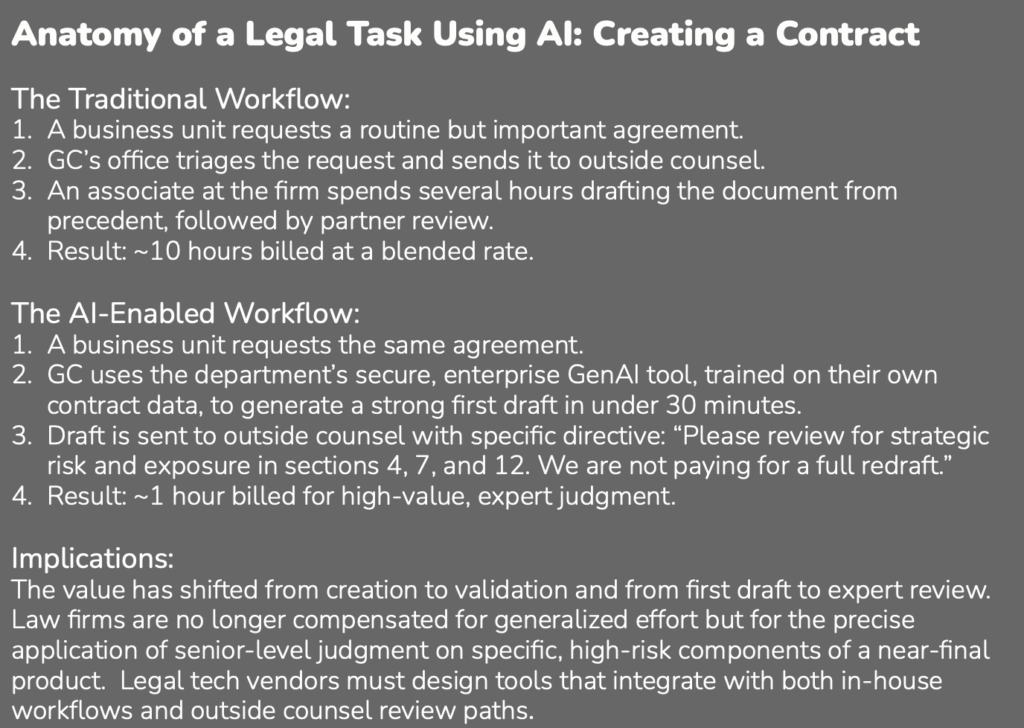
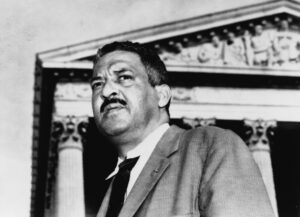






 Kathryn