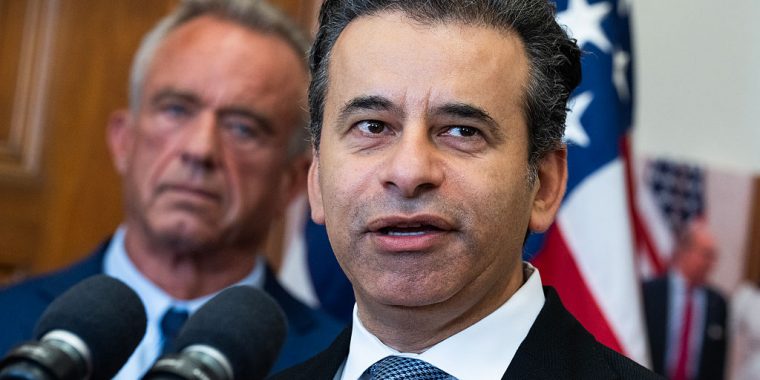

Embracing Transparency, FDA Will Make All Future Drug Rejection Letters Public – MedCity News

The
next
time
the
FDA
turns
down
a
drug
application,
the
letter
outlining
the
decision
and
the
regulator’s
reasoning
will

become
public
record
.
The
agency
said
it
will
release
future
complete
response
letters
(CRLs)
“promptly
after
they
are
issued
to
sponsors.”

The
Thursday
announcement
follows
the

FDA’s
July
move
to
publish
more
than
200
letters
from
2000
to
2024

as
part
of
its
pledge
for
greater
transparency.
Along
with
pledging
to
publish
all
CRLs
going
forward,
the
FDA
said
in
its
latest
announcement
that
89
previously
unpublished
letters
issued
from
2024
to
the
present
have
been
published.
The
agency
said
each
letter
details
specific
safety
and
efficacy
deficiencies
that
prevented
an
FDA
approval.

Companies
have
generally
opposed
publishing
of
CRLs.
Besides
not
wanting
a
public
airing
of
bad
news
about
their
drugs,
they
also
do
not
want
proprietary
information
disclosed.
The
FDA
said
published
letters
will
be
redacted
to
remove
confidential
commercial
information,
trade
secrets,
and
personal
private
information.
But
company
names
will
be
made
public.

There’s
more.
When
the
FDA
approves
a
drug,
it
will
also
release
all
CRLs
associated
with
that
drug’s
application.
The
agency
said
it
will
also
publish
batches
of
previously
issued
CRLs
associated
with
drug
applications
that
were
withdrawn
or
abandoned.
The
agency
said
publishing
the
letters
benefits
the
public
and
industry.
Information
about
what
happened
to
a
drug
helps
other
companies
avoid
the
same
missteps
while
also
providing
insights
for
patients
and
their
physicians.
The
FDA
added
that
the
investment
community
benefits
from
information
about
a
drug
in
the
proper
context.

“By
embracing
radical
transparency

one
of
the
guiding
principles
of
this
administration

we’re
giving
invaluable
insights
to
help
speed
therapies
and
cures
to
market,
providing
complete
context
to
investors
and
shareholders,
and
above
all,
restoring
public
trust,”
FDA
Commissioner
Marty
Makary
said
in
the
FDA
announcement.

The
CRL
announcement
comes
two
weeks
after
the
FDA
announced
that
new
reports
to
the

FDA
Adverse
Event
Reporting
System
(FAERS)

would
be

published
daily
.
The
database

a
repository
of
drug
complications
reported
by
the
members
of
the
public,
physicians,
and
product
manufacturers

was
previously
updated
on
a
quarterly
basis.

In
the
July
announcement,
Makary
said
people
should
not
have
to
wait
months
for
adverse
event
reports
to
become
public.
He
called
the
change
part
of
the
FDA’s
data
modernization
strategy.
It’s
important
to
note
that
adverse
event
reports
in
FAERS
have
not
been
vetted
and
a
report
of
a
complication
listed
in
the
database
does
not
definitively
mean
a
drug
was
the
cause.

The
FDA’s
CRL
announcement
said
publication
of
the
letters
complies
with
an

executive
order

issued
by
President
Trump
in
May
for
“restoring
gold
standard
science.”
In
a
section
regarding
the
communication
of
scientific
data,
the
order
directs
agencies
to
release
“data,
analyses,
and
conclusions
associated
with
scientific
and
technological
information
produced
or
used
by
the
agency
that
the
agency
reasonably
assesses
will
have
a
clear
and
substantial
and
substantial
effect
on
important
public
policies
or
important
private
sector
decisions
(influential
scientific
information),
including
data
cited
in
peer-review
literature.”

The
CRL
database
may
be
freely
accessed

here
.


Photo:
Tom
Williams/CQ-Roll
Call,
Inc,
via
Getty
Images

Leveraging CLEs For Networking And Client Development – Above the Law

Getty
Images


Ed
note:

Latest
in
a
series.

Read
the
prior
installment
here.

As
we
continue
our
journey
into
the
strategic
value
of
presenting
a
CLE,
we’ve
already
discussed
how
CLEs
can
elevate
your
professional
reputation
by
establishing
you
as
a
thought
leader
in
your
field.

However,
reputation
building
is
just
one
piece
of
the
puzzle.
The
next
critical
component
is
how
CLEs
can
be
leveraged
for
networking
and
client
development.

In
this
article,
we’ll
explore
how
to
transform
the
connections
you
make
during
CLEs
into
long-term
relationships
and,
ultimately,
into
clients.
We’ll
also
touch
on
the
importance
of
personal
engagement
and
the
role
of
multiple
interactions
in
building
trust
and
converting
relationships
into
clients.


Networking:
Beyond
the
Surface
Level

Networking
during
and
after
a
CLE
is
more
than
just
exchanging
business
cards
or
connecting
on
LinkedIn.
It’s
about
creating
meaningful
interactions
that
lay
the
foundation
for
long-term
professional
relationships.

The
key
to
successful
networking
at
CLEs
lies
in
engaging
with
attendees
on
a
personal
level—understanding
why
they
attended,
what
they
found
interesting,
and
how
you
can
add
value
to
their
professional
and
personal
lives.


Why
Personal
Engagement
Matters:


Building
Trust:

Trust
is
the
cornerstone
of
any
successful
client
relationship.
By
taking
the
time
to
understand
your
attendees’
interests,
challenges,
and
goals,
you
begin
to
establish
a
rapport
that
goes
beyond
surface-level
interactions.


Memorable
Connections:

When
you
connect
with
someone
on
a
personal
level,
you
stand
out
from
the
crowd.
These
connections
are
more
likely
to
remember
you
when
they
need
the
expertise
you
offer.


Effective
Follow-Up:

Knowing
personal
details
about
your
contacts—whether
it’s
their
hobbies,
family
life,
or
reasons
for
attending
your
CLE—makes
following
up
more
meaningful.
This
type
of
follow-up
is
not
just
about
work;
it’s
about
showing
genuine
interest
in
them
as
individuals.


The
Power
of
Personal
Conversations

Building
relationships
that
lead
to
client
development
doesn’t
happen
overnight.
Research
shows
that
it
typically
takes
7-8
interactions
to
convert
a
relationship
into
a
client.

This
is
why
personal
conversations
during
and
after
your
CLE
are
so
crucial.
These
interactions
don’t
have
to
be
strictly
about
business.
In
fact,
conversations
about
personal
interests,
family,
or
hobbies
can
be
more
impactful
in
establishing
a
connection.


Strategies
for
Personal
Engagement:


Ask
Why
They
Came:

Start
by
asking
attendees
why
they
chose
to
attend
your
session.
This
can
give
you
insights
into
their
current
challenges
and
how
you
might
help
them.


Learn
About
Their
Interests:

During
breaks
or
networking
sessions,
take
the
time
to
learn
about
what
they
do
outside
of
work.
Whether
it’s
a
shared
hobby
or
a
similar
family
situation,
finding
common
ground
can
strengthen
your
connection.


Follow-Up
with
Purpose:

When
you
follow
up
after
the
CLE,
refer
back
to
the
personal
details
you
discussed.
This
shows
that
you
were
paying
attention
and
that
you
care
about
them
as
individuals,
not
just
as
potential
clients.


Building
Relationships:
The
Long
Game

Understanding
that
it
takes
multiple
interactions
to
build
trust
and
convert
relationships
into
clients
is
crucial.
Each
interaction,
whether
it’s
during
the
CLE,
in
follow-up
emails,
or
at
subsequent
meetings,
should
be
viewed
as
a
step
toward
deepening
the
relationship.


Consistency
is
Key:


Stay
in
Touch:

Regular
follow-up
is
essential.
Don’t
wait
until
you
need
something
to
reach
out.
Instead,
keep
the
lines
of
communication
open
with
periodic
check-ins
that
aren’t
necessarily
about
work.


Add
Value:

Each
interaction
should
add
value
to
the
relationship.
Whether
you’re
sharing
insights
from
a
recent
legal
development
or
simply
checking
in
on
a
personal
matter
you
discussed,
your
goal
is
to
consistently
demonstrate
your
value
as
both
a
professional
and
a
person.


Be
Patient:

Building
relationships
takes
time.
Don’t
rush
the
process.
Focus
on
nurturing
the
connection,
and
the
business
opportunities
will
naturally
follow.


Crafting
Your
Networking
Strategy

As
you
prepare
for
your
next
CLE,
plan
your
networking
strategy
with
the
understanding
that
building
relationships
is
a
long-term
investment.
Think
about
how
you
can
create
multiple
touchpoints
with
attendees
and
how
you
can
engage
with
them
on
both
a
professional
and
personal
level.

In
the
next
article,
we’ll
dive
deeper
into
how
staying
current
and
sharing
knowledge
through
CLEs
not
only
keeps
you
ahead
in
your
field
but
also
reinforces
these
long-term
relationships,
turning
them
into
sustained
client
development
opportunities.


Checklist
for
Part
2,
Article
2:


Building
Personal
Relationships:

✔️  Engage
on
a
Personal
Level:

Ask
attendees
why
they
came
and
learn
about
their
interests
beyond
work.

✔️  Build
Trust:

Use
personal
conversations
to
establish
rapport
and
stand
out
from
other
professionals.

✔️  Prepare
for
Follow-Up:

Take
note
of
personal
details
that
can
be
used
for
meaningful
follow-up
interactions.


Leveraging
Multiple
Interactions:


✔️  Plan
for
Ongoing
Engagement:

Recognize
that
it
takes
7-8
interactions
to
convert
a
relationship
into
a
client.
✔️  Maintain
Consistent
Contact:

Regularly
check
in
with
contacts,
focusing
on
adding
value
with
each
interaction.

✔️  Be
Patient:

Understand
that
building
these
relationships
takes
time
and
should
not
be
rushed.

With
the
right
approach,
your
CLE
can
be
more
than
just
an
educational
session—it
can
be
a
strategic
tool
for
building
relationships
that
grow
your
practice
and
establish
your
reputation
as
a
trusted
advisor.


Sejal
Bhasker
Patel is
a
Rainmaking
Consultant
and
Author
of Rainmaker:
Unleashed

a
sharp,
strategic
playbook
for
attorneys
who
don’t
fit
the
traditional
mold.
She’s
the
founder
of
Sage
Ivy,
a
consulting
firm
that
works
directly
with
law
firms
and
attorneys
to
turn
relationships
into
revenue

without
selling
their
soul.
Her
work
is
blunt,
tailored,
and
built
on
one
core
belief:
Authenticity
isn’t
a
liability

it’s
your
strongest
competitive
edge.
www.sageivyconsulting.com

Lawyers Should Never Go Down Without A Fight – Above the Law

Lawyers
often
need
to
represent
clients
that
do
not
have
too
many
defenses
for
the
crimes
charged
or
the
civil
wrongs
alleged. However,
our
adversarial
system
of
justice
requires
that
people
get
solid
representation
since
justice
is
easier
to
attain
when
the
best
arguments
are
presented
by
all
sides. As
attorneys,
it
can
sometimes
be
easy
to
give
up
and
throw
in
the
towel
on
certain
aspects
of
a
representation. 
However,
in
most
situations,
lawyers
should
not
go
down
without
a
fight.

I
do
not
handle
criminal
matters,
but
I
handle
civil
cases,
including
landlord-tenant
issues,
commercial
disputes,
and
other
matters. In
many
situations,
I
can
advance
easy
arguments
in
court
to
represent
my
client’s
interest. However,
sometimes
my
client
is
guilty
of
the
conduct
alleged,
and
it
is
difficult
to
argue
that
my
client
therefore
should
not
be
subject
to
the
consequences
of
these
actions.

Earlier
in
my
career,
I
represented
a
client
in
an
eviction
matter
that
was
filed
by
a
landlord. My
client
had
not
paid
the
rent
as
owed
under
the
lease.
As
a
result,
the
landlord
instituted
an
eviction
action. None
of
the
typical
arguments
for
tenants
existed
since
the
landlord
was
not
in
breach
of
the
lease
itself
nor
had
the
landlord
constructively
evicted
the
tenant
or
committed
any
other
type
of
harm.

Landlord’s
lawyer
asked
me
before
the
eviction
trial
if
I
would
allow
landlord
to
take
a
judgment
of
possession
against
my
client
without
opposition. I
quickly
rejected
this
proposal. As
an
attorney,
I
had
an
obligation
to
diligently
represent
my
client,
and
I
did
not
believe
I
would
be
fulfilling
this
obligation
by
refusing
to
put
up
a
fight. I
told
landlord’s
lawyer
that
I
would
hold
landlord
to
its
burden
of
proof,
so
I
would
not
allow
landlord
to
obtain
a
judgment
of
possession
against
my
client
without
a
fight. The
landlord’s
lawyer
did
not
seem
pleased
with
this
response
since
the
landlord’s
attorney
would
have
to
put
on
a
case
before
a
judgment
of
possession
was
entered.

At
the
eviction
trial,
landlord
had
a
witness
who
did
not
have
firsthand
knowledge
of
the
lease
at
issue
in
that
case. This
witness
also
did
not
sign
the
lease
nor
did
he
witness
the
execution
of
the
lease. Moreover,
landlord’s
witness
did
not
have
firsthand
knowledge
of
how
rent
was
paid
to
landlord
and
did
not
personally
track
all
of
the
rent
payments
made
from
tenants. I
then
submitted
to
the
court
that
the
landlord
was
not
able
to
authenticate
the
lease
at
trial
and
did
not
submit
enough
evidence
to
show
that
my
client
did
not
submit
rent
as
required
by
the
lease.

The
court
ended
up
ruling
in
favor
of
landlord,
but
these
authentication
issues
put
my
client
in
a
good
place
if
we
wanted
to
appeal
the
decision. Ultimately,
my
client
settled
with
the
landlord,
and
an
eviction
was
avoided. It
is
possible
that
had
my
client
simply
permitted
landlord
to
obtain
a
judgment
of
possession
without
a
fight,
landlord
would
have
been
in
a
better
position
and
would
have
negotiated
a
less-favorable
settlement
to
resolve
this
situation.

Of
course,
lawyers
have
a
responsibility
to
avoid
frivolous
arguments,
and
in
some
situations,
it
is
almost
impossible
to
make
an
argument
that
favors
a
client.
However,
lawyers
should
never
go
down
without
a
fight,
and
lawyers
can
usually
use
some
creativity
and
research
to
advance
some
kind
of
argument
in
favor
of
a
client. Making
every
argument
available
to
a
client
can
help
promote
a
client’s
interests
and
ensure
that
a
client
receives
the
best
outcome
possible
when
facing
a
legal
issue.


Jordan
Rothman
is
a
partner
of 
The
Rothman
Law
Firm
,
a
full-service
New
York
and
New
Jersey
law
firm.
He
is
also
the
founder
of 
Student
Debt
Diaries
,
a
website
discussing
how
he
paid
off
his
student
loans.
You
can
reach
Jordan
through
email
at 
jordan@rothman.law.

NetDocuments Judge Analytics App: Mining For Gold – Above the Law

NetDocuments
recently
announced
the

Judge
Analytics
App
,
 an
addition
to
18
other
apps
in
its

ndMax
Studio
.
The
new
App
is
designed
to
extract
information
in
a
firm’s
files
about
particular
judges.

I
have
often
said
particularly
in
Biglaw
firms,
there’s
a
lot
of
gold
in
them
thar
hills,
aka
past
efforts
of
the
firm.
From
forms,
standard
pleadings,
and
pure
information,
there’s
a
lot
of
valuable
stuff.
The
problem
has
always
been
how
to
mine
that
gold.
Finding
it
and
getting
to
it
takes
time,
time
you
might
not
be
able
to
bill.

And
I
have
written
before
about
how
vendors
like
NetDocuments
have
used
automation
and
AI
tools
to
take
away
the
time
element
to
mining
the
value
out
of
these
tools.
Now,
NetDocuments
has
taken
this
one
step
further
with
the
introduction
with
the
Judge
Analytics
App.


What
It
Does

So,
what
does
Judge
Analytics
do?
According
to
NetDocuments,
it
“transforms
curated
collections
of
judicial
orders
into
a
structured
data
set.
It
enables
user
to
generate
clear,
on-demand
profiles
that
reflect
a
judge’s
procedural
patterns,
reasoning
methods
and
tendencies
across
key
motion
types.”

That’s
a
mouthful.
Let
me
put
it
in
lawyer
speak.
It’s
an
AI
tool
that
searches
your
firm’s
database
to
extract
information
about
judges
your
lawyers
have
appeared
before,
pulling
out
useful
intelligence
about
a
particular
judge’s
style,
preferences,
and
how
they
may
rule
on
motions.


An
Example

Describing
a
tool
like
this
and
its
benefits
is
one
thing.
Seeing
it
is
another.
Here
is
an
example
from
the
App
about
what
the
tool
can
do:


Why
It
May
Be
So
Useful

If
this
tool
can
do
this,
wow.
This
would
give
you
a
leg
up
over
those
who
aren’t
using
it
and
are
walking
into
court
blind.

I
assume
the
tool
could
also
provide
information
about
the
judge’s
experience
in
certain
matters.
It
was
always
a
roll
of
the
dice
when
I
appeared
before
a
judge
with
whom
I
had
little
familiarity
as
to
whether
he
or
she
was
knowledgeable
about
the
type
of
matter
my
case
might
involve.
The
risk
in
that
situation
is
that
you
either
waste
the
judge’s
time
telling
them
what
they
already
know,
or
you
don’t
tell
them
enough
to
understand
the
issues.

The
App
is
designed
to
eliminate
some
of
the
guess
work
about
judges.
It
also
eliminates
the
time
spent
(and
perhaps
wasted
if
you
don’t
find
anything)
trying
to
find
the
information
and/or
taking
the
time
to
read
all
the
information
about
and
rulings
of
the
judge.
Even
if
billable,
the
amount
of
time
required
to
do
this
kind
of
analysis
would
make
the
task
too
expensive
to
be
practical.

The
tool
could
be
a
particular
benefit
to
younger
lawyers.
I
remember
walking
into
a
courtroom
and
having
no
clue
about
the
judge
I
was
about
to
argue
before
and
their
disposition
about
certain
matters.
It’s
a
scary
prospect,
particularly
when
you’re
young
and
inexperienced.
As
I
have
written
before,
it’s
hard
for
younger
lawyers
to
get
courtroom
experience
these
days.
With
this
kind
of
tool,
it
might
reduce
some
of
the
trepidation
about
letting
a
younger
lawyer
handle
a
hearing.

Not
only
would
the
tool
provide
you
this
information,
perhaps
more
importantly,
it
could
give
your
client
the
information
so
they
could
better
assess
exposure
and
better
enable
a
cost-benefit
analysis
on
whether
a
particular
motion
should
be
filed.
More
transparency.
Better
decision
making.


But
Will
the
Rich
Just
Get
Richer?

Of
course,
being
able
to
obtain
an
effective
analysis
depends
on
the
data
you
have,
and
NetDocuments
is
working
on
tools
to
make
that
kind
of
collection
better
and
more
seamless.
But
quantity
is
important.
If,
in
the
prior
example,
your
database
only
had
one
appearance
before
Judge
Rodriguez,
then
the
value
and
quality
of
the
output
will
be
reduced.

What
this
would
seem
to
mean
though
is
that
firms
with
lots
of
data
and
who
use
NetDocuments
will
be
better
able
to
effectively
use
the
tool
and
have
a
leg
up
over
smaller
firms
without
the
data.
If
so,
that
would
be
unfortunate
and
is
yet
another
example
of
the
rich
getting
richer.


Dan
Hauck
,
NetDocuments
Chief
Product
Officer,
nevertheless
believes
the
tool
will
be
useful
to
smaller
firms
that
lack
the
data
of
their
larger
competitors:
“While
some
firms
might
have
more
data
than
others,
not
every
application
requires
significant
data,
we
are
finding
that
many
smaller
firms
are
using
ndMAX
to
scale
their
practices
far
beyond
what
was
possible
without
gen
AI.”


Heather
Harris
,
NetDocuments
Sr.
Director,
recognizes
that
more
data
is
better
but
feels
the
tool
is
still
useful
for
smaller
firms:
“Of
course,
with
analytics,
the
more
data
you
have,
the
better,
but
that
doesn’t
mean
you
need
vast
collections
to
derive
intelligence
that
is
relevant
to
your
practice.”  

I’ve
known
the
NetDocuments
folks
for
years;
my

old
law
firm

was
an
early
customer.
They
are
in
the
business
to
sell
products,
yes.
But
they
are
straight
shooters.


The
Value
of
Gold

Tools
like
this
are
beneficial
for
lots
of
reasons.
Not
the
least
of
which,
in
today’s
world,
is
the
familiarity
lawyers
have
with
judges
gained
through
years
of
trying
cases
before
them;
knowing
them
even
socially
is
not
what
it
once
was.
Quite
simply,
we
try
fewer
cases
than
ever.

And
lawyers
are
practicing
more
in
multiple
jurisdictions
and
are
more
transient
today.
So
being
able
to
assess
the
judge’s
characteristics
through
your
own
firm’s
experience
is
important.
It
ensures
that
all
litigators
have
access
to
their
partners’
experience
with
a
judge.
Presumably
the
information
from
your
partners
about
a
judge
should
be
the
information
you
trust
the
most.

If
it
works
as
advertised,
it’s
a
“net”
win.


Stephen
Embry
is
a
lawyer,
speaker,
blogger,
and
writer.
He
publishes TechLaw
Crossroads
,
a
blog
devoted
to
the
examination
of
the
tension
between
technology,
the
law,
and
the
practice
of
law
.

No Bills Are Only The Beginning Of Jeanine Pirro’s F-Ups – Above the Law

Judge
Jeanine
Pirro
(Photo
by
MIKE
THEILER/AFP/Getty
Images)

Going
to
war
with
the
magistrate
judges
is
a
weird
move
for
a
prosecutor.
But
Jeanine
Pirro,
the
improbable
US
Attorney
for
the
District
of
Columbia,
is
kind
of
a
weirdo.
And,
of
course,
these
are
very
weird
times.
So
it’s
perhaps
unsurprising
that
Pirro
finds
herself
unable
to
indict
the
proverbial
ham
sandwich
and
crosswise
with
the
judiciary.

“It
is
without
a
doubt
the
most
illegal
search
I’ve
ever
seen
in
my
life,”
Magistrate
Judge
Zia
Faruqui

rebuked

prosecutors
in
August
as
he
tossed
gun
charges
against
a
Black
man
intercepted
at
Trader
Joe’s
with
a
bag
that
“looked
heavy.”

“I’m
absolutely
flabbergasted
at
what
has
happened.
A
high
school
student
would
know
this
was
an
illegal
search.”

In
a
separate
case,
Judge
Faruqui

excoriated

the
DOJ
for
holding
a
woman
in
custody
for
two
days
before
charging
her,
not
requesting
detention,
then
actually
failing
to
release
her.

“What
is
especially
troubling
is
that
this
is
not
even
the
first
time
in
the
past
four
months
that
the
Court
has
encountered
this
same
problem
of
false
imprisonment,”
the
magistrate
noted.

The
courthouse
chaos
isn’t
happening
in
a
vacuum:
The
streets
of
the
nation’s
capital
are
flooded
with
troops.
Half
the
attorneys
in
the
federal
prosecutors’
office,
which
handles
felonies
for
the
District,
were
fired
or
quit.
And
meanwhile,
Pirro
is
demanding
that
prosecutors
upcharge
everything.

“In
line
with
President
Trump’s
directive
to
make
D.C.
safe,
U.S.
Attorney
Pirro
has
made
it
clear
that
the
old
way
of
doing
things
is
unacceptable,”
her
spokesman
Tim
Lauer
barked
to
the

New
York
Times
.
“She
directed
her
staff
to
charge
the
highest
crime
that
is
supported
by
the
law
and
the
evidence.”

But
after
weeks
of
military
occupation,
grand
juries
made
up
of
local
citizens
are
telling
prosecutors
to
get
bent,
returning
at
least
seven
no-bills
in
the
past
month.
That
includes
Sean
Dunn,
the
man
caught
on
camera
throwing
a
sandwich
at
an
ICE
agent.
Pirro,
who
moved
to
the
District
in
May,
insists
that
this
is
because
its
residents
don’t
actually
know
what’s
going
on
in
their
own
city.

“There
are
a
lot
of
people
who
sit
on
juries,
and
they
live
in
Georgetown
or
in
Northwest,
or
in
some
of
these
better
areas,
and
they
don’t
see
the
reality
of
crime
that
is
occurring,”
Pirro
burbled
on
Fox.
“And
my
office
has
been
instructed
to
move
for
the
highest
crime
possible
consistent
with
the
law,
the
statute
and
the
evidence.”

Her
record
is

mixed.
After
three
separate
grand
juries

refused
to
indict

a
woman
named
Sidney
Reid
for
feloniously
assaulting
an
ICE
agent
and
causing
him
to
bruise
his
knuckles
while
roughing
her
up,
the
DOJ
was
forced
to
convert
her
case
to
a
misdemeanor.
The
same
thing
happened
with
“Sandwich
Man”
Dunn,
although
the
DOJ
cut
its
losses
before
striking
out
with
three
grand
juries.
In
multiple
cases,
Pirro’s
office
seems
to
be
trying
to
save
face
by
securing
a
dismissal
without
prejudice,
allowing
it
to
refile
charges
after
further
rumination.
(We
hear
one
or
12
Bota
boxes
can
really
get
those
creative
legal
juices
flowing!)

Indeed,
in
the
case
of
a
man
named
Eduarda
Dana,
they
appear
to
have
skipped
the
rumination

and
the
dismissal
,
and
instead
charged
him
in
DC
Superior
Court
with
his
federal
case
still
pending.
Judge
Faruqui

hit
the
roof
.

On
September
4,
2025
at
12:30
p.m.,
the
parties
appeared
before
the
Court
for
a
Preliminary
Hearing.
At
12:04
p.m.
the
government
emailed
the
Court
stating
that
“a
short
time
ago”
they
filed
misdemeanor
charges
in
D.C.
Superior
Court
against
Mr.
Dana.
Based
on
this,
the
government
stated
that
it
“no
longer
intends
to
pursue
the
federal
charge
that
is
at
issue.”
The
government
concluded
that
it
“anticipate[s]
filing
a
motion
to
dismiss
the
federal
case
before
the
close
of
business
today.”
The
government
sought
to
cancel
the
hearing
before
the
undersigned
based
on
this.
However,
doing
so
would
have
precluded
any
oversight
of
the
government’s
inexcusable
actions.

He
pointed
out
that
the
DOJ’s
practice
manual
precludes
bringing
cases
which
the
US
Attorney
does
not
believe
she
can
win,
observing
dryly:
“Given
that
there
have
been
an
unprecedented
number
of
cases
that
the
U.S.
Attorney
dismissed
in
the
past
ten
days,
all
of
whom
were
detained
for
some
period
of
time,
the
Court
is
left
to
question
if
this
principle
still
applies.”

Judge
Faruqui

instructed

prosecutors
to
show
cause
why
they
shouldn’t
be
required
to
dismiss
the
case
with
prejudice
and
expunge
the
criminal
record
of
Defendant
Dana,
a
man
with
longstanding
mental
health
and
substance
abuse
problems
who
allegedly

slurred
out
threats

to
the
president
in
the
back
of
a
police
cruiser

after
explaining
that
he
was
descended
from
Huguenots,
affiliated
with
the
Russian
mafia,
and
was
going
to
have
Putin
bomb
America.

Judge
Faruqui
was
not
impressed,
predicting
that
magistrate
judges
will
have
so
little
faith
in
DOJ
declarations
that
they’ll
refuse
to
issue
warrants
without
cross
examining
declarants
themselves.

“This
is
not
going
to
work.
Complaints
will
not
be
signed.
We’re
past
the
Rubicon,”
he
said
during
Dana’s
hearing,
according
to
the

Washington
Post
.

But
US
Attorney
Pirro
knows
that
Faruqui,
a
12-year
veteran
of
the
office
she
now
leads,
is
just
a
pinko
with
an
agenda.

“This
judge
took
an
oath
to
follow
the
law,
yet
he
has
allowed
his
politics
to
consistently
cloud
his
judgment
and
his
requirement
to
follow
the
law.
America
voted
for
safe
communities,
law
and
order,
and
this
judge
is
the
antithesis
of
that,”
she
blustered.


Wait
’til
she
finds
out
that
petit
juries
have
to
be
unanimous


Liz
Dye
 lives
in
Baltimore
where
she
produces
the
Law
and
Chaos substack and podcast.

Midlevel Associates Are ‘Ashamed’ To Work At Firms That Made Deals With Trump – Above the Law


Ed.
note
:
Welcome
to
our
daily
feature,

Quote
of
the
Day
.


The
firm’s
choices
to
dismantle
its
DEI
recruiting
initiatives
and
to
engage
in
an
agreement
offering
pro
bono
services
to
the
Trump
administration
are
steeped
in
hypocrisy,
cowardice,
and
greed.
It
makes
me
feel
ashamed
to
work
here.


A
midlevel
associate
at
Latham
&
Watkins,
in
comments
given
in
response
to
the American
Lawyer
Midlevel
Associates
Survey
, about
how
their
disappointment
over
the
firm’s
decision
to

make
a
deal
with
the
Trump
administration

and
to
go
along
with
other
conservative
ideals.
More
notable
and
quotable
responses
can
be
found here.


Staci Zaretsky


Staci
Zaretsky
 is
the
managing
editor
of
Above
the
Law,
where
she’s
worked
since
2011.
She’d
love
to
hear
from
you,
so
please
feel
free
to

email

her
with
any
tips,
questions,
comments,
or
critiques.
You
can
follow
her
on BlueskyX/Twitter,
and Threads, or
connect
with
her
on LinkedIn.

Stop Random Acts Of Marketing And Start Getting Clients  – Above the Law

Getty
Images

In
this
episode
of
“Be
That
Lawyer,”
I
spoke
with
legal
marketing
strategist
and
entrepreneur
Viktoria
Altman
about
why
so
many
lawyers
waste
time
and
money
on
scattershot
marketing

and
how
to
replace
guesswork
with
intentional,
scalable
strategy.

Viktoria
brings
a
unique
blend
of
technical
know-how
and
real-world
client
insights
that
make
legal
marketing
more
predictable
and
profitable. 


How
Google
Actually
Sees
You 

Search
engines
today
don’t
just
respond
to
keywords

they
use
AI
to
anticipate
intent.
Viktoria
explained
how
Google
pulls
from
review
sites
like
Avvo,
legal
directories
like
FindLaw,
and
even
guest
posts
or
media
mentions
to
build
a
profile
of
your
firm.

When
someone
searches
“New
York
personal
injury
attorney,”
Google
factors
in
their
location,
recent
searches
like
“slip
and
fall,”
and
other
user
behavior
to
tailor
results.
That
means
your
online
reputation,
content,
and
reviews
must
be
aligned
and
consistent
to
win
visibility.

Lawyers
who
ignore
this
reality
are
falling
behind
in
an
AI-driven
search
landscape. 


Define
Your
Ideal
Clients 

Viktoria
emphasized
that
the
foundation
of
strong
legal
marketing
starts
with
clarity.

You
need
to
define
your
ideal
client

whether
that’s
a
high-net-worth
individual
approaching
retirement
or
a
newly
pregnant
couple
planning
for
the
future.
You
can
have
multiple
profiles,
but
they
must
be
specific.

Once
you
know
exactly
who
you’re
trying
to
reach,
your
messaging
and
targeting
become
far
more
effective.
Without
this
level
of
focus,
marketing
becomes
diluted
and
inefficient. 


Vet
Vendors
Who
Know
Your
World 

Legal
marketing
is
an
unregulated
space,
and
Viktoria
didn’t
hold
back
in
expressing
her
frustration
with
how
many
lawyers
get
burned
by
bad
vendors.

Her
advice?
Ask
agencies
for
references
from
clients
just
like
you,
same
practice
area,
same
marketing
budget.

If
you’re
an
estate
planning
attorney,
talk
to
other
estate
lawyers
who’ve
spent
similar
amounts.
That’s
the
only
way
to
get
an
honest
sense
of
what
you
can
expect.
Don’t
settle
for
general
promises.
Get
proof,
and
make
sure
your
agency
understands
the
unique
needs
of
your
firm. 

This
episode
is
a
must-listen
for
lawyers
ready
to
ditch
random
tactics
and
start
building
a
marketing
engine
that
brings
in
real
clients.
Viktoria’s
no-nonsense
advice
is
both
practical
and
immediately
actionable.


Want
more
from
Viktoria
Altman? 


Get
to
know
her
work
and
insights
here
.


Catch
the
full
podcast
episode
here
.

And
if
you’re
serious
about
growing
your
practice,
don’t
miss
my
new
book,
now
on
Amazon. Check
it
out
here.


Steve
Fretzin
is
a
bestselling
author,
host
of
the
“Be
That
Lawyer”
podcast,
and
business
development
coach
exclusively
for
attorneys.
Steve
has
committed
his
career
to
helping
lawyers
learn
key
growth
skills
not
currently
taught
in
law
school.
His
clients
soon
become
top
rainmakers
and
credit
Steve’s
program
and
coaching
for
their
success.
He
can
be
reached
directly
by
email
at 
[email protected].
Or
you
can
easily
find
him
on
his
website
at 
www.fretzin.com or
LinkedIn
at 
https://www.linkedin.com/in/stevefretzin.

How AI Should Replace My In-House Law Job – Above the Law

There’s
understandable
concern
that
AI
is
replacing
in-house
legal
jobs.
Whether
it’s

increasing

layoffs,
reducing
headcount,
or
shifting
resources
and
priorities,
the
potential
of
AI
tools
has
impacted
everyone’s
role.

AI
is
already
replacing
my
job
without
firing
me
(for
now).
Legal
executives
expect
the
work
of
in-house
legal
teams
to
start
and
end
with
AI
tools.
This
expectation
makes
sense
given
that
a
key
role
of
legal
executives
is
to
use
legal
costs
efficiently,
and
AI
tools
have
the
most
appealing
potential
to
reduce
time
and
costs
on
research,
contract
drafting,
case
management,
providing
guidance,
and
other
projects.

The
problem
is
that
in-house
lawyers
do
not
need
legal
executives
to
remind
them
that
AI
tools
exist.
We
need
legal
executives
to
do
what
they
are
best
at,
removing
hurdles
to
any
solution
that
can
streamline
our
work,
whether
AI-based
or
not.
Doing
so
will
free
up
energy
for
lawyers
to
work
on
tasks
that
truly
require
an
AI
tool.

Here
are
three
ways
legal
executives
should
work
to
increase
AI
adoption
among
their
teams. 

Legal
executives
going
“What
about
AI?”
to
every
problem
risks
fostering
an
environment
where
teams
feel
pressured
to
center
AI
in
every
solution.
My
colleagues
and
I
have
seen
firsthand
how
amazing
solutions
sit
on
the
backburner
as
legal
executives
pivot
to
AI.
This

overreliance

could

hinder

lawyers’

ability

to

think

critically
about
what
parts
of
a
team’s
work
should
be
changed.

We
don’t
need
ChatGPT
to
perform
math
a
calculator
can
accomplish.
The
same
logic
should
apply
to
legal
practice.
AI
tools
might
take
longer
to
implement,
present
new
risks,
address
only
part
of
the
problem,
or
fail
to
adapt
to
the
changing
needs
of
the
company.
We
can
streamline
hours-intensive
processes
with
non-AI
tools
such
as
fillable
forms,
business-facing
guidance,
and
precedent
repositories.
In
fact,
the
best
solution
to
a
lawyer-intensive
process
may
be
to
accept
the
risks
of
not
doing
parts
of
the
process
at
all
or
allowing
business
teams
to
manage
the
process
alone.

Legal
executives
should
not
expect
an
AI-based
approach
to
replace
an
entire
process
as
it
exists.
Few
streamlining
solutions
in
legal
practice
involve
a
single
tool
or
else
we
would
have
come
up
with
it
sooner.
For
many
automation
tools
available
before
large
language
models,
lawyers
had
to
adjust
processes
and
standards
to
meet
those
automation
tools
where
they
were.

We
didn’t
refuse
to
lay
tracks
for
trains.
So,

AI

solutions

will

require

both

human

and

AI

inputs.
To
start
using
AI
tools
to
draft
some
contracts,
you
should
first
simplify
the
contracting
forms
and
processes
down
to
something
digestible
and
then
use
AI
tools
in
places
where
they
are
less
likely
to
fail.
To
start
using
AI
tools
to
conduct
research
or
draft
a
memo
for
me,
I
might
still
run
that
research
by
outside
counsel
to
confirm
the
sources
and
point
out
any
considerations
I
missed.

Many
legal
executives
require
their
teams,
on
top
of
their
typical
workload,
to
come
up
with
AI
solutions
independently
despite
insufficient
training,
guidance,
and
resources.
The
in-house
AI
training
and
guidance
for
many
of
my
colleagues
involve
a
group
call
about
how
one
person
used
an
AI
tool
from
a
list
of
approved
AI
tools
(often
inferior
to
unapproved
AI
tools)
to
improve
one
aspect
of
their
job.
That’s
great
for
them.
Although
a
bottom-up
approach
to
discovering
AI
solutions
allows
in-house
lawyers
to
look
closely
at
how
to
streamline
their
own
tasks,
we
still
need
top-down
coordination
to
efficiently
implement
AI
tools
at
the
pace
expected
from
legal
executives.

Imagine
a
company
where
every
in-house
legal
team
sought
their
own
outside
counsel
or
legal
technology
for
research,
case,
and
contract
management
with
zero
coordination.
We
would
consider
that
company
prone
to
inconsistent
standards
and
time-intensive
redundancies
in
their
work.
That
is
why
most
large
companies
dedicate
internal
and
external
professionals
to
maintaining
and
improving
in-house
legal
teams’
relationships
with
outside
counsel
and
legal
technology. 

We
would
never
expect
in-house
legal
teams
to
adopt
law
firms
and
other
legal
technology
without
any
top-down
coordination,
so
why
should
AI
be
any
different?


Earl
Grey
(not
his
real
name)
is
an
in-house
attorney
at
a
Fortune
500 tech
company.
You
can reach him by
email
at [email protected].

Jury Reaches Verdict In Donna Adelson Trial – Above the Law

For
years
now,
prosecutors
have
been
fighting
to
bring
Dan
Markel’s
killers
to
justice.

Katharine
Magbanua

received
a
life
sentence
plus
60
years.

Charlie
Adelson
got
life
,
and
his
mother

Donna
Adelson

recently
got
a
jury
verdict
from
her
trial.
She
was
found
guilty
accross
the
board.

CNN

has
coverage:

The
matriarch
of
a
wealthy
South
Florida
family
was
convicted
Thursday
of
murder
in
the
killing
of
her
former
son-in-law,
a
prominent
law
professor
who
was
locked
in
a
bitter
custody
battle
with
his
ex-wife
when
he
was
gunned
down
in
2014.

When
the
judge
announced
that
the
jury
had
convicted
Adelson
of
first-degree
murder,
the
defendant
exclaimed,
“Oh!”
and
started
shaking
and
crying.

You
can
see
her
reaction
to
the
verdicts
here:

Speculation
has
already
begun
on
if
Wendi
Adelson,
Dan
Markel’s
former
wife,
will
also
be
charged
with
his
murder:

I’m
sure
there’s
at
least
one
person
whose
job
it
is
to
make
sure
that
Wendi
doesn’t
book
any
flights
to
Vietnam.


Jury
Convicts
Florida
Matriarch
In
Murder-For-Hire
Killing
Of
Her
Former
Son-In-Law

[CNN]


Earlier
:

Donna
Adelson
Pushes
Judge
For
Another
Delay


Chris
Williams
became
a
social
media
manager
and
assistant
editor
for
Above
the
Law
in
June
2021.
Prior
to
joining
the
staff,
he
moonlighted
as
a
minor
Memelord™
in
the
Facebook
group Law
School
Memes
for
Edgy
T14s
.
 He
endured
Missouri
long
enough
to
graduate
from
Washington
University
in
St.
Louis
School
of
Law.
He
is
a
former
boatbuilder
who
is
learning
to
swim, is
interested
in
critical
race
theory,
philosophy,
and
humor,
and
has
a
love
for
cycling
that
occasionally
annoys
his
peers.
You
can
reach
him
by
email
at [email protected]
and
by
tweet
at @WritesForRent.

Midlevel Biglaw Associates Crave Mentorship In A Post-Pandemic World – Above the Law

Making
it
to
midlevel
in
Biglaw
isn’t
easy,
especially
when
the
vast
majority
of
what
you
know
is
pandemic
and
post-pandemic
Biglaw
life.
Today’s
midlevels

third-,
fourth-
and
fifth-year
associates

worked
incredibly
long
hours
during
the
uncertain
times
COVID-19
brought
upon
the
legal
profession
and
the
world
at
large,
and
then
they
were
thrust
back
into
office
life
they
knew
little
about
for
an
ever-increasing
number
of
days.

That
is,
of
course,
no
easy
task,
but
if
you did make
it
to
your
firm’s
midlevel
ranks
during
the
past
few
years,
it
was
arguably
more
difficult
than
ever.
Associates
crave
training
and
mentorship
opportunities,
but
not
every
Biglaw
firm
has
been
able
to
fulfill
their
end
of
the
bargain.
The American
Lawyer
 just
released
its
midlevel
associates
survey,
and
as
noted
by
Dan
Roe, “the
sheer
existence
of
a
mentorship
program
or
formal
training
doesn’t
guarantee
that
midlevel
associates
are
being
adequately
mentored.”
He
goes
on
to
explain
that
today’s
midlevels
are
seeking
out
guidance,
but
that
some
programs
are
missing
the
mark:

When
given
the
opportunity
to
expand
on
how
they
felt
about
their
firms,
midlevels
talked
about
mentorship
more
than
nearly
every
other
topic,
including
compensation.

Indeed,
midlevels
were
quick
to
differentiate
between
the
roll-out
of
firmwide
or
practice-wide
training
efforts
and
the
importance
of
having
relationships
with
more-senior
attorneys. “Provide
actually
effective
mentoring
as
opposed
to
formal
mentoring
programs
that
feel
forced
and
do
not
contribute
much,”
said
one
Latham
&
Watkins
midlevel.

The
challenge
for
partners,
of
course,
is
that
they
already
have
extensive
demands
on
their
time,
and
large
associate
classes
in
recent
years
have
resulted
in
even
more
midlevels
for
each
partner
to
look
after.
Therefore,
some
associates
suggested
that
firms
recognize
mentorship
contributions
when
considering
who
to
promote.

To
come
up
with
these
results,
Am
Law
asked
midlevel
associates
to
evaluate
how
satisfied
they
are
with
their
firm
on
a
variety
of
different
questions:
compensation
and
benefits;
training
and
guidance;
relations
with
partners
and
other
associates;
interest
in
and
satisfaction
level
with
the
work;
the
firm’s
policy
on
billable
hours;
and
management’s
openness
about
firm
strategies
and
partnership
chances.

Overall,
midlevels’
satisfaction
was
flat
compared
to
last
year,
at
4.371
out
of
5.
Why
could
that
have
been?
As
noted
by
Am
Law,
while
billable
hours
are
up
to
1,951
annually,
average
base
salary
was
“mostly
flat,”
up
just
a
hair
to
$290,740.
Total
average
bonuses,
however,
increased
by
nearly
$10,000
to
$58,046.
Mentorship
was
a
“bright
spot”
on
the
survey,
however:

Midlevels
rated
their
relationships
with
partners
at
4.45
out
of
5
points
on
average,
higher
than
they
rated
every
other
category
(including
the
importance
of
their
work,
compensation
and
benefits,
communications
from
management,
billable
hours
and
partner
track
clarity)
besides
relationships
with
fellow
associates
and
firm
attitudes
toward
pro
bono.

More
than
two-thirds
of
midlevels
said
they
were
getting
the
right
amount
of
feedback,
while
28%
said
they
were
getting
too
little.
Meanwhile,
91%
said
they
had
a
mentor
of
some
sort,
while
9%
didn’t.

That
said,
let’s
get
down
to
the
rankings.
The
full
list
is
available here,
but
these
are
the
firms
that
make
the
top
20
in
terms
of
midlevel
satisfaction:

  1. O’Melveny
    &
    Myers
  2. Blank
    Rome
  3. Morgan
    Lewis
  4. Gibson
    Dunn
  5. Akin
    Gump
  6. Winston
    &
    Strawn
  7. Munger
    Tolles
  8. McDermott
    Will
  9. Patterson
    Belknap
  10. Baker
    &
    Hostetler
  11. Paul
    Hastings
  12. Sheppard
    Mullin
  13. Finnegan
    Henderson
  14. Fish
    &
    Richardson
  15. Mayer
    Brown
  16. Alston
    &
    Bird
  17. Clifford
    Chance
  18. Loeb
    &
    Loeb
  19. Cahill
    Gordon
  20. Jenner
    &
    Block

Congratulations
to
all
the
firms
that
made
the
list

and
to
the
midlevels
who
have
jobs
they’re
relatively
happy
with,
all
things
considered.
Who
knows,
maybe
in
the
future
they’ll
enjoy
their
Biglaw
firms
even
more
if
they
receive
the
mentorship
and
guidance
they’ve
been
yearning
for.


The
2025
Midlevel
Associates
Survey:
The
Rankings

[American
Lawyer]


Engaged
Mentors
Can
Make
or
Break
the
Midlevel
Associate
Experience

[American
Lawyer]


Staci Zaretsky


Staci
Zaretsky
 is
the
managing
editor
of
Above
the
Law,
where
she’s
worked
since
2011.
She’d
love
to
hear
from
you,
so
please
feel
free
to

email

her
with
any
tips,
questions,
comments,
or
critiques.
You
can
follow
her
on BlueskyX/Twitter,
and Threads, or
connect
with
her
on LinkedIn.