We
should
be
concerned
in
this
country
about
the
tone
of
our
political
discourse
[and]
identity
politics
that
are
used
so
that
a
person
is
characterized
by
his
or
her
partisan
affiliation.
That’s
not
what
democracy
and
civil
discourse
is
about.
What
democracy
and
civil
discourse
are
about
are
taking
issues
and
discussing
them.
And
this
is
what
judges
do,
and
this
is
why
judges
are
of
central
importance.
Many
in
the
world
look
to
the
United
States
to
see
what
democracy
is,
to
see
what
democracy
ought
to
be.
If
they
see
a
hostile,
fractious
discourse,
if
they
see
a
discourse
that
uses
identity
politics,
rather
than
to
talk
about
issues,
democracy
is
at
risk.
Freedom
is
at
risk.
—
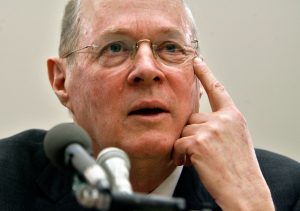
Retired
Supreme
Court
Justice
Anthony
Kennedy,
in
comments
given
during
a
virtual
forum
held
by
Speak
Up
for
Justice
and
noted
by
Law.com,
where
he
spoke
on
the
importance
of
civic
education,
calling
for
political
rhetoric
in
the
U.S.
to
be
toned
down
for
the
sake
of
our
democracy
and
the
safety
of
our
judges.
Staci
Zaretsky is
a
senior
editor
at
Above
the
Law,
where
she’s
worked
since
2011.
She’d
love
to
hear
from
you,
so
please
feel
free
to
email
her
with
any
tips,
questions,
comments,
or
critiques.
You
can
follow
her
on Bluesky, X/Twitter,
and Threads, or
connect
with
her
on LinkedIn.
Chicago
is
brimming
with
business
opportunities
for
Biglaw
firms,
and
it’s
proving
to
be
quite
attractive
for
lateral
moves
and
office
openings
alike.
Unlike
the
majority
of
its
sports
teams’
records,
it’s
a
winning
city
for
the
legal
profession.
But
which
firm
is
right
for
you?
Thanks
to
Vault’s
recently
released regional
rankings,
we
now
know
which
Biglaw
firms
are
dominating
the
legal
scene
in
the
Windy
City.
This
ranking
is
based
on
votes
tabulated
from
associates
who
were
asked
to
rate
firms
on
a
1
to
10
scale
based
on
their
prestige
within
the
region.
Here
are
the
top
10
most
prestigious
firms
in
Chicago
(you
can
see
the
full
list
from
Vault
by
clicking here):
Kirkland
&
Ellis
Sidley
Austin
Latham
&
Watkins
Skadden
Mayer
Brown
Winston
&
Strawn
McDermott
Will
&
Emery
Jenner
&
Block
Jones
Day
Ropes
&
Gray
Congrats
to
all
of
the
Biglaw
firms
that
made
the
latest
edition
of
Vault’s
Chicago
rankings.
How
did
your
firm
do
this
time? Email
us,
text
us
at (646)
820-8477,
or
tweet
us @atlblog
to
let
us
know
how
you
feel.
Staci
Zaretsky is
a
senior
editor
at
Above
the
Law,
where
she’s
worked
since
2011.
She’d
love
to
hear
from
you,
so
please
feel
free
to
email
her
with
any
tips,
questions,
comments,
or
critiques.
You
can
follow
her
on Bluesky, X/Twitter,
and Threads, or
connect
with
her
on LinkedIn.
According
to
internal
data,
the
University
of
California’s
faculty
is
54.9%
White
and
22.2%
Asian.
Skews
a
little
whiter
than
you’d
expect
based
off
of
California’s
demographics,
but
it
doesn’t
scream
of
racial
bias
happening
in
hiring.
Still,
the
Department
of
Justice
wants
to
investigate
the
school
system
to
root
out
the
spectre
of
race-based
hiring.
Washington
Post
has
coverage:
In
a
letter
to
University
of
California
President
Michael
Drake
dated
Thursday,
the
Justice
Department
claimed
a
strategic
growth
plan
created
by
the
UC
system
that
mentions
diversity
in
hiring
suggests
that
the
educational
institution
“may
be
engaged”
in
discriminatory
employment
practices
based
on
race
or
sex.
In
response,
University
of
California
spokesperson
Rachel
Zaentz
said
the
system
is
“committed
to
fair
and
lawful
processes
in
all
of
our
programs
and
activities,
consistent
with
federal
and
state
antidiscrimination
laws.”
The
University
of
California
system
was
one
of
the
first
places
that
schools
concerned
with
diversity
and
equity
looked
to
following
SFFA
v.
Harvard.
Affirmative
action
has
been
prohibited
by
California’s
constitution
since
Proposition
209
was
voted
on
in
1996.
On
the
one
hand,
University
of
California
should
be
the
last
school
targeted.
While
they’ve
had
goals
for
racial
equity,
year
after
year,
they’ve
failed
to
meet
them
since
Prop
209
became
the
law
of
the
land.
But
pointing
out
a
30-year
failure
streak
isn’t
enough
apparently:
aspiring
to
racial
equity,
even
without
the
results,
seems
to
run
afoul
of
the
Fourteenth
Amendment.
Maybe
the
DOJ
will
manage
to
get
that
White
faculty
rate
up
to
100%
once
this
is
all
over.
I
mean,
make
merit
great
again.
Chris
Williams
became
a
social
media
manager
and
assistant
editor
for
Above
the
Law
in
June
2021.
Prior
to
joining
the
staff,
he
moonlighted
as
a
minor
Memelord™
in
the
Facebook
group Law
School
Memes
for
Edgy
T14s
.
He
endured
Missouri
long
enough
to
graduate
from
Washington
University
in
St.
Louis
School
of
Law.
He
is
a
former
boatbuilder
who
is
learning
to
swim, is
interested
in
critical
race
theory,
philosophy,
and
humor,
and
has
a
love
for
cycling
that
occasionally
annoys
his
peers.
You
can
reach
him
by
email
at [email protected]
and
by
tweet
at @WritesForRent.
Writing
separately
in
the
transgender
care
case,
Sam
Alito
injected
the
weird
non-sequitur
that
“[t]he
Court
has
also
suggested
that
religion
is
a
suspect
class.”
It
turns
out
that
was
a
preview
of
coming
attractions,
with
Alito
writing
the
majority
in
Mahmoud
v.
Taylor,
officially
ramming
strict
scrutiny
into
every
situation
where
the
most
cloistered
parent
in
your
school
district
gets
hot
and
bothered
that
serving
Dino
Nuggets
intrudes
upon
their
religious
belief
that
the
Earth
is
6,000
years
old.
Technically,
the
Court’s
conservative
majority
ruled
for
parents
objecting
to
a
handful
of
books
in
Montgomery
County’s
elementary
curriculum
that
dared
to
suggest
LGBTQ+
people
both
(a)
exist
and
(b)
might
not
be
monsters.
No
one
really
expected
this
Supreme
Court
to
bypass
an
opportunity
to
memorialize
anti-gay
bigotry
into
the
federal
reporter.
But
there
was
an
opportunity
for
the
Court
to
say
the
schools
have
no
rational
basis
to
deny
parents
an
option
to
keep
their
kids
walled
off
from
books
with
gay
characters.
It
would
be
a
stretch,
but
the
current
majority
is
nothing
if
not
creative.
The
parents
in
this
case
could
get
the
relief
they
—
ostensibly
—
sought
and
the
public
education
system
would
muddle
forward.
Instead,
the
majority
offered
Alito
a
chance
to
upend
the
whole
public
education
system,
extending
strict
scrutiny
to
every
parental
complaint
based
in
religion.
A
government
burdens
the
religious
exercise
of
parents
when
it
requires
them
to
submit
their
children
to
instruction
that
poses
“a
very
real
threat
of
undermining”
the
religious
beliefs
and
practices
that
the
parents
wish
to
instill.
Historically,
this
sort
of
protection
applied
to
cases
where
the
state
tried
to
compel
Amish
parents
to
send
their
kids
to
school
and
not
micromanaging
curriculum.
Alito
handwaves
this
away
with
a
rousing
rendition
of
dictionary
dissembling,
“The
primary
definition
of
‘coercion’
is
little
different
from
compulsion.
See
Webster’s
Third
New
International
Dictionary
439
(1971)
(‘use
of
physical
or
moral
force
to
compel
to
act
or
assent’);
Random
House
Webster’s
Unabridged
Dictionary
398
(2d
ed.
2001)
(‘use
of
force
or
intimidation
to
obtain
compliance’).”
Alito
is
absolutely
the
asshole
who
thinks
wedding
toasts
should
begin
with
a
dictionary
definition.
It’s
also
hard
to
understand
Alito’s
deep
concern
about
religious
coercion
when
he’s
been
right
there
to
constitutionally
bless
students
being
forced
to
pray
in
school.
The
problem,
as
Justice
Sotomayor
notes
in
dissent,
is
“[i]f
that
is
sufficient
to
trigger
strict
scrutiny,
then
little
is
not.”
The
flaws
in
the
majority’s
reasoning
are
legion.
The
Court’s
reading
of
Yoder
is
not
simply
incorrect;
it
is
definitively
foreclosed
by
precedent.
The
majority’s
novel
test,
moreover,
imposes
no
meaningful
limits
on
the
types
of
school
decisions
subject
to
strict
scrutiny,
as
the
Court’s
own
application
of
its
test
confirms.
Today’s
ruling
thus
promises
to
wreak
havoc
on
our
Nation’s
public
schools
and
the
courts
tasked
with
resolving
this
new
font
of
litigation.
There’s
really
nothing
in
this
opinion
limiting
some
neo-Bob
Jones
University
types
from
demanding
public
schools
stop
talking
about
interracial
marriage
on
religious
grounds.
Or
evolution.
Or
climate
change.
Or
women
wearing
pants,
for
that
matter.
In
an
environment
where
conservative
political
viewpoints
are
increasingly
bolted
onto
religion
—
with
prosperity
Gospel
churches
out
there
stirring
tax
policy
and
an
unswerving
belief
that
Democrats
worship
Satan
into
scripture
—
it’s
hard
to
imagine
where
the
line
gets
drawn.
And
it
doesn’t
end
with
opt-outs.
Worse
yet,
the
majority
closes
its
eyes
to
the
inevitable
chilling
effects
of
its
ruling.
Many
school
districts,
and
particularly
the
most
resource
strapped,
cannot
afford
to
engage
in
costly
litigation
over
opt-out
rights
or
to
divert
resources
to
tracking
and
managing
student
absences.
Schools
may
instead
censor
their
curricula,
stripping
material
that
risks
generating
religious
objections.
The
Court’s
ruling,
in
effect,
thus
hands
a
subset
of
parents
the
right
to veto
curricular
choices
long
left
to
locally
elected
school
boards.
Because
I
cannot
countenance
the
Court’s
contortion
of
our
precedent
and
the
untold
harms
that
will
follow,
I
dissent.
Put
aside
the
chilling…
we’re
just
starting
the
countdown
to
a
parent
rolling
in
claiming
the
constant
opt-outs
from
5th
grade
life
sciences
are
discriminatory
and
the
only
solution
is
for
the
school
to
purge
the
curriculum
for
all
students.
Today,
the
Supreme
Court
discovered
that
district
court
judges
have
no
power
to
issue
nationwide
injunctions.
It’s
a
brand
new
policy
they
unearthed
after
cheerfully
blessing
four
years
of
nationwide
injunctions
issued
by
some
wingnut
in
Amarillo.
Justice
Amy
Coney
Barrett’s
6-3
opinion
cabins
lower
federal
courts
to
issuing
relief
“to
the
plaintiffs
before
the
court.”
So
unless
you’re
willing
to
sue,
the
government
can
violate
your
rights
at
will.
The
six
conservatives
made
this
miraculous
discovery
in
Trump
v.
CASA,
a
challenge
to
President
Trump’s
executive
order
banning
birthright
citizenship.
And
the
president
wasted
no
time
celebrating
his
victory
over
the
Fourteenth
Amendment.
Trump:
“Thanks
to
this
decision,
we
can
now
promptly
file
to
proceed
with
numerous
policies
that
have
been
wrongly
enjoined
on
a
nationwide
basis,
and
some
of
the
cases
we’re
talking
about
would
be
ending
birthright
citizenship,
which
now
comes
to
the
fore.
That
was
meant
for
the
babies
of
slaves.”
The
Supreme
Court
greenlit
the
administration’s
plans
to
deny
social
security
numbers
and
passports
to
thousands
of
American
citizens.
They’ll
decide
whether
that’s
legal
some
time
next
year.
Justice
Barrett
insists
that
plaintiffs
are
no
worse
off
than
they
were
yesterday:
“Here,
prohibiting
enforcement
of
the
Executive
Order
against
the
child
of
an
individual
pregnant
plaintiff
will
give
that
plaintiff
complete
relief:
Her
child
will
not
be
denied
citizenship.”
But
with
respect
to
the
rest
of
the
country,
“[e]xtending
the
injunction
to
cover
all
other
similarly
situated
individuals
would
not
render
her
relief
any
more
complete.”
So,
unless
and
until
each
and
every
undocumented
pregnant
person
in
the
country
files
a
lawsuit
—
conveniently
outing
herself
as
someone
to
be
deported
post
haste
—
federal
courts
are
powerless
to
stop
the
Trump
administration
from
violating
the
Constitution.
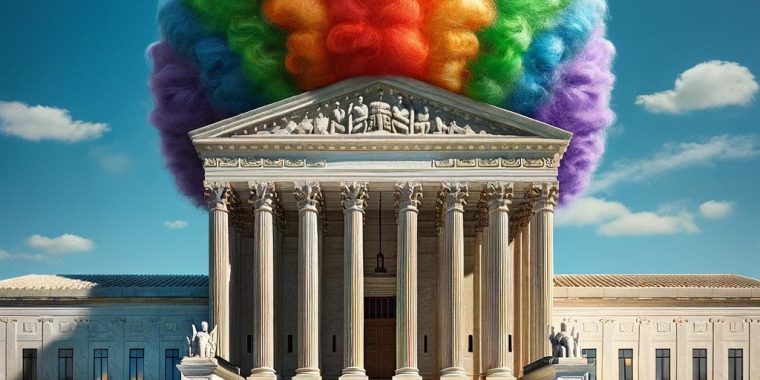
The
opinion
is
larded
with
a
waxy
coating
of
originalism,
rhetorical
vaseline
on
the
lens,
softening
the
gross
illegality
and
abject
cruelty
that
is
the
conservative
project.
The
issue
isn’t
un-personing
babies,
but
rather “whether
universal
injunctions
are
sufficiently
‘analogous’
to
the
relief
issued
by
the
High
Court
of
Chancery
in
England”
in
1798.
And
—
oh,
too
bad!
—the
answer
they
came
up
with
was
that
the
“bill
of
peace”
used
by
a
bunch
of
dudes
in
powdered
wigs
in
the
18th
century
to
issue
nationwide
injunctions
isn’t
quite
close
enough
to
count.
Writing
for
the
Court’s
liberal
dissenters,
Justice
Ketanji
Brown
Jackson
ripped
the
majority’s
deliberate
use
of
“legalese”
as
a
“smokescreen”
designed
to
mask
the
“far
more
basic
question
of
enormous
legal
and
practical
significance:
May
a
federal
court
in
the
United
States
of
America
order
the
Executive
to
follow
the
law?”
Apparently
not.
She
also
notes
that
the
majority
was
so
busy
on
its
field
trip
to
Ye
Old
Englande,
that
it
couldn’t
be
bothered
with
the
threshold
question
of
whether
the
government
met
its
burden
to
justify
the
“extraordinary
relief”
of
staying
a
lower
court’s
order:
likelihood
of
success
on
the
merits
and
“irreparable
harm”
in
the
interim
absent
such
relief.
The
majority
devotes
exactly
one
sentence
to
that
question
in
its
30-page
opinion,
asserting
that
universal
injunctions
“improperly
intrude”
on
the
executive
branch
by
preventing
the
government
from
“enforcing
its
policies
against
nonparties.”
As
Justice
Sotomayor
points
out,
the
government
has
no
right
to
enforce
an
unconstitutional
policy
against
anyone,
regardless
as
to
whether
or
not
that
person
is
a
party
before
the
court
or
not.
“Suppose
an
executive
order
barred
women
from
receiving
unemployment
benefits
or
black
citizens
from
voting,”
she
asks.
“Is
the
Government
irreparably
harmed,
and
entitled
to
emergency
relief,
by
a
district
court
order
universally
enjoining
such
policies?
The
majority,
apparently,
would
say
yes.”
The
majority,
in
fact,
said
nothing
at
all,
handwaving
away
the
question
of
whether
the
birthright
citizenship
order
is
unconstitutional
as
“not
before
us,”
and
therefore
“we
take
no
position
on
whether
the
dissent’s
analysis
is
right.”
Indeed,
they
seem
wholly
uninterested
in
ensuring
that
the
president
follow
the
law
at
all.
“No
one
disputes
that
the
Executive
has
a
duty
to
follow
the
law,”
Justice
Barrett
chides
the
dissent.
“But
the
Judiciary
does
not
have
unbridled
authority
to
enforce
this
obligation—in
fact,
sometimes
the
law
prohibits
the
Judiciary
from
doing
so.”
In
support
of
this
proposition,
she
cites
Marbury
v.
Madison.
Oh,
you
thought
the
holding
of
that
case
was
that
“It
is
emphatically
the
province
and
duty
of
the
judicial
department
to
say
what
the
law
is?”
The
votes
are
in,
and
it’s
officially
time
to
say
hello
to
what
could
be
a
new
Am
Law
Top
20
Biglaw
firm.
With
news
of
the
potential
tie-up
first
announced
in
May,
and
following
an
“overwhelmingly”
positive
partnership-wide
poll,
McDermott
Will
&
Emery
and
Schulte
Roth
&
Zabel
are
poised
to
sign
a
merger
agreement
by
July
1.
Combined,
the
firm
will
have
more
than
1,750
lawyers
spread
across
more
than
20
offices
globally,
with
joint
revenue
of
more
than
$2.8
billion.
On
top
of
that,
the
merger
will
create
a
new
top
New
York
firm,
with
more
than
540
lawyers
servicing
clients
in
the
city
that
never
sleeps.
Ira
Coleman,
McDermott’s
chairman,
said
in
a
statement
that
through
this
merger,
the
firms
are
“not
just
expanding
our
expertise,
we’re
redefining
what
it
means
to
be
a
modern,
elite
law
firm—deeply
specialized,
relentlessly
client-focused,
and
committed
to
a
people-first
culture.”
Marc
Elovitz
and
David
Efron,
Schulte’s
co-managing
partners,
echoed
Coleman’s
words,
with
Elovitz
noting
that
by
adding
SRZ’s
“extraordinary
talent
and
premier
client
base
with
McDermott’s
world-class
platform,
we’re
creating
a
unique
firm
with
unmatched
capabilities.
It’s
truly
transformational.”
Efron
agreed,
stating,
“This
is
a
first-of-its-kind
deal
in
our
profession—with
two
elite
firms
performing
at
the
highest
levels
choosing
to
come
together—and
we’re
incredibly
excited
to
bring
it
to
life.”
Together,
the
firms
have
agreed
to
go
forward
under
the
name
McDermott
Will
&
Schulte,
kicking
Emery,
Roth,
and
Zabel
to
the
curb.
The
American
Lawyer
has
some
additional
details
on
the
combined
firm’s
rebranding
efforts:
In
his
email,
Coleman
said
the
combination
and
new
name
will
bring
“together
our
two
elite
brands
while
preserving
our
proud
legacies,”
and
McDermott
will
schedule
a
town
hall
in
the
coming
weeks
to
share
more
details
as
the
merger
process
unfolds.
He
said
the
firms
will
merge
brands
“in
a
phased
approach
to
fully
leverage
our
shared
strengths
and
market
positions
and
minimize
disruptions.”
He
noted
that
in
early
September,
the
combined
firm’s
brand
will
incorporate
“new
colors,
imagery,
and
designs—but,
don’t
worry,
our
beloved
‘M’
logo
will
continue
to
live
on.”
“Of
course,
combining
two
firms
of
our
size
will
take
time,
and
we
appreciate
everyone’s
patience
as
we
move
forward.
Our
functional
teams,
in
particular,
are
working
diligently
to
ensure
a
smooth
integration
while
supporting
our
regular
processes
and
functions,”
Coleman’s
note
added.
Now
that
the
merger
has
been
approved,
McDermott
Will
&
Schulte
is
expected
to
be
effective
by
August
1.
Congratulations!
Staci
Zaretsky is
a
senior
editor
at
Above
the
Law,
where
she’s
worked
since
2011.
She’d
love
to
hear
from
you,
so
please
feel
free
to
email
her
with
any
tips,
questions,
comments,
or
critiques.
You
can
follow
her
on Bluesky, X/Twitter,
and Threads, or
connect
with
her
on LinkedIn.
In
this
episode,
I
chat
with
Marnie
Dale
Ragan,
Ariella
Gutman,
and
Kara
Olesky
of
Haber
Law.
They
share
insights
on
their
unique
journeys
in
the
legal
field,
focusing
on
the
intricacies
of
condominium
law,
litigation,
and
business.
Explore
how
they
balance
professional
growth
with
personal
life,
tackle
high-stakes
disputes,
and
the
dynamics
of
partnership.
Perfect
for
aspiring
lawyers
or
anyone
intrigued
by
the
law’s
diverse
career
paths.
Highlights
Navigating
high
stakes
business
disputes.
Journey
to
unconventional
practice
areas.
The
personal
and
corporate
intersection
in
condo
law.
Condo
governance:
challenges
and
responsibilities.
Evolving
legal
issues
in
condo
management.
The
path
to
partnership:
experiences
and
expectations.
Balancing
career
ambitions
with
personal
life.
Collective
support
among
partners.
Growth
beyond
partnership.
Celebrating
career
milestones
and
victories.
The
Jabot
podcast
is
an
offshoot
of
the
Above
the
Law
brand
focused
on
the
challenges
women,
people
of
color,
LGBTQIA,
and
other
diverse
populations
face
in
the
legal
industry.
Our
name
comes
from
none
other
than
the
Notorious
Ruth
Bader
Ginsburg
and
the
jabot
(decorative
collar)
she
wore
when
delivering
dissents
from
the
bench.
It’s
a
reminder
that
even
when
we
aren’t
winning,
we’re
still
a
powerful
force
to
be
reckoned
with.
Happy
listening!
Kathryn
Rubino
is
a
Senior
Editor
at
Above
the
Law,
host
of
The
Jabot
podcast,
and
co-host
of
Thinking
Like
A
Lawyer.
AtL
tipsters
are
the
best,
so
please
connect
with
her.
Feel
free
to
email
her
with
any
tips,
questions,
or
comments
and
follow
her
on
Twitter
@Kathryn1 or
Mastodon
@[email protected].
President
Donald
Trump
doesn’t
like
anyone
asking
too
many
questions
about
the
Iran
strikes
he
unilaterally
authorized.
In
fact,
when
news
outlets
report
that
the
bombings
were
not
as
destructive
as
Trump
initially
boasted,
he
(and
other
members
of
his
administration)
lashed
out
at
members
of
the
media.
On
Truth
Social,
he
called
out
journalists
from
CNN
and
the
New
York
Times
as
“fake
news
reporters”
who
are
“bad
people
with
evil
intentions.”
But
that
wasn’t
the
end
of
Trump’s
tantrum.
His
personal
attorney
Alejandro
Brito
sent
letters
to
the
NYT
and
CNN,
full
of
legal
bluster.
The
missives
demand
they
“retract
and
apologize”
the
reporting
for
“false,”
“defamatory,”
and
“unpatriotic”
reporting,
First
Amendment
be
damned!
The
Fourth
Estate
is
more
functional
than
Biglaw,
so
in
the
face
of
these
threats,
the
outlets
responded
with
stinging
rebukes.
David
McCraw, the
lawyer
for
the
Times
replied,
“No
retraction
is
needed.”
He
continued,
“No
apology
will
be
forthcoming.
We
told
the
truth
to
the
best
of
our
ability.
We
will
continue
to
do
so.”
And
CNN’s
statement
was
a
bit
less
forceful,
but
still
defended
their
reporting.
“CNN’s
reporting
made
clear
that
this
was
an
initial
finding
that
could
change
with
additional
intelligence.
We
have
extensively
covered
President
Trump’s
own
deep
skepticism
about
it,”
said
CNN’s
statement.
“However,
we
do
not
believe
it
is
reasonable
to
criticize
CNN
reporters
for
accurately
reporting
the
existence
of
the
assessment
and
accurately
characterizing
its
findings,
which
are
in
the
public
interest.”
At
least
someone
is
still
defending
the
Constitution.
Kathryn
Rubino
is
a
Senior
Editor
at
Above
the
Law,
host
of
The
Jabot
podcast,
and
co-host
of
Thinking
Like
A
Lawyer.
AtL
tipsters
are
the
best,
so
please
connect
with
her.
Feel
free
to
email
her
with
any
tips,
questions,
or
comments
and
follow
her
on
Twitter
@Kathryn1 or
Mastodon
@[email protected].
Ed.
Note:
A
weekly
roundup
of
just
a
few
items
from
Howard
Bashman’s
How
Appealing
blog,
the
Web’s
first
blog
devoted
to
appellate
litigation.
Check
out
these
stories
and
more
at
How
Appealing.
“Justice
Department
Says
the
Trump
Administration
Plans
to
Re-Deport
Abrego
Garcia;
The
assertion
raised
questions
about
how
seriously
the
administration
takes
the
criminal
charges
filed
against
the
migrant;
A
White
House
official
reiterated
support
for
prosecuting
him
in
America”: Alan
Feuer
of
The
New
York
Times
has this
report.
“Wisconsin
Supreme
Court
rejects
bid
to
reconsider
congressional
maps
before
the
2026
midterms”: Lawrence
Andrea
of
The
Milwaukee
Journal
Sentinel
has this
report.
“What
the
Supreme
Court
Does
in
the
Shadows”: NPR
has
posted
online this
new
episode of
its
“Throughline”
podcast.
“Senate
Panel
Advances
Trump’s
First
Appeals
Court
Nominee”: Suzanne
Monyak
of
Bloomberg
Law
has this
report.
“The
Archaic
Sex-Discrimination
Case
the
Supreme
Court
Is
Reviving:
In Skrmetti,
the
Court
turned
to
a
decades-old
decision
once
thought
to
be
consigned
to
history.” Law
professor Leah
Litman has this
essay online
at
The
Atlantic.
“The
Federalist
Society
isn’t
going
anywhere;
Even
as
Donald
Trump
has
fumed
at
the
conservative
legal
group,
it
remains
the
most
influential
player
in
Republican
judicial
nominations”: Hailey
Fuchs
and
Daniel
Barnes
of
Politico
have this
report.
Within
days
of
each
other,
two
federal
judges
in
the
same
district
reached
completely
opposite
conclusions
about
AI
training
on
copyrighted
works.
Judge
William
Alsup
said
it’s
likely
fair
use
as
transformative.
Judge
Vince
Chhabria
said
it’s
likely
infringing
because
of
the
supposed
impact
on
the
market.
Both
rulings
came
out
of
the
Northern
District
of
California,
both
involve
thoughtful
judges
with
solid
copyright
track
records,
and
both
can’t
be
right.
The
disconnect
reveals
something
important:
we’re
watching
judges
fixate
on
their
personal
bugbears
rather
than
grappling
with
the
fundamental
questions
about
how
copyright
should
work
in
the
age
of
AI.
It’s
a
classic
case
of
blind
men
and
an
elephant,
with
each
judge
touching
one
part
of
the
problem
and
declaring
that’s
the
whole
animal.
The
summary:
AI
training
is
likely
infringing.
But
here,
the
plaintiff
authors
failed
to
present
evidence,
and
thus,
their
case
against
Meta
is
dismissed.
Ironically,
Alsup’s
ruling
was
probably
a
win
for
AI
innovation
but
a
loss
for
Anthropic.
Chhabria’s
is
the
opposite:
a
clear
win
for
Meta,
but
potentially
devastating
for
AI
innovation
generally.
Chhabria’s
Flawed
Market
Harm
Analysis
Chhabria’s
ruling
seems
to
overweight
(and,
I
think
incorrectly
predict)
the
“effect
on
the
market”
aspect
of
the
fair
use
analysis:
Because
the
performance
of
a
generative
AI
model
depends
on
the
amount
and
quality
of
data
it
absorbs
as
part
of
its
training,
companies
have
been
unable
to
resist
the
temptation
to
feed
copyright-protected
materials
into
their
models—without
getting
permission
from
the
copyright
holders
or
paying
them
for
the
right
to
use
their
works
for
this
purpose.
This
case
presents
the
question
whether
such
conduct
is
illegal.
Although
the
devil
is
in
the
details,
in
most
cases
the
answer
will
likely
be
yes.
What
copyright
law
cares
about,
above
all
else,
is
preserving
the
incentive
for
human
beings
to
create
artistic
and
scientific
works.
Therefore,
it
is
generally
illegal
to
copy
protected
works
without
permission.
And
the
doctrine
of
“fair
use,”
which
provides
a
defense
to
certain
claims
of
copyright
infringement,
typically
doesn’t
apply
to
copying
that
will
significantly
diminish
the
ability
of
copyright
holders
to
make
money
from
their
works
(thus
significantly
diminishing
the
incentive
to
create
in
the
future).
Generative
AI
has
the
potential
to
flood
the
market
with
endless
amounts
of
images,
songs,
articles,
books,
and
more.
People
can
prompt
generative
AI
models
to
produce
these
outputs
using
a
tiny
fraction
of
the
time
and
creativity
that
would
otherwise
be
required.
So
by
training
generative
AI
models
with
copyrighted
works,
companies
are
creating
something
that
often
will
dramatically
undermine
the
market
for
those
works,
and
thus
dramatically
undermine
the
incentive
for
human
beings
to
create
things
the
old-fashioned
way
I
find
this
entire
reasoning
extremely
problematic,
and
it’s
why
I
mentioned
in
the
Alsup
piece
that
I
don’t
think
the
“effect
of
the
use
upon
the
market”
should
really
be
a
part
of
the
fair
use
calculation.
Because any type
of
competition
can
lead
fewer
people
to
buy
a
different
work.
Or
it
can
inspire
people
to
actually
buy more
works because
of
more
interest.
Chhabria’s
example
here
seems
particularly…
weird:
Take,
for
example,
biographies.
If
a
company
uses
copyrighted
biographies
to
train
a
model,
and
if
the
model
is
thus
capable
of
generating
endless
amounts
of
biographies,
the
market
for
many
of
the
copied
biographies
could
be
severely
harmed.
Perhaps
not
the
market
for
Robert
Caro’s
Master
of
the
Senate,
because
that
book
is
at
the
top
of
so
many
people’s
lists
of
biographies
to
read.
But
you
can
bet
that
the
market
for
lesser-known
biographies
of
Lyndon
B.
Johnson
will
be
affected.
And
this,
in
turn,
will
diminish
the
incentive
to
write
biographies
in
the
future.
This
is
where
Chhabria’s
reasoning
completely
falls
apart.
He
admits
in
his
own
example
that
Robert
Caro’s
biography
would
be
fine
because
“that
book
is
at
the
top
of
so
many
people’s
lists.”
But
that
admission
destroys
his
entire
argument:
people
recognize
that
a
good
biography
is
a
good
biography,
and
AI
slop—even
AI
slop
generated
from
reading
other
good
biographies—is
not
a
credible
substitute.
More
fundamentally,
his
logic
would
make
any
learning
from
existing
works
potentially
infringing.
If
you
go
to
Ford’s
Theatre
in
DC,
where
Lincoln
was
shot
and
killed,
you
can
actually
see a
very
cool
tower
of
every
book they
could
find
written
about
Lincoln.
Under
Chhabria’s
reasoning,
this
abundance
should
have
killed
the
market
for
Lincoln
biographies
decades
ago.
Instead,
new
ones
keep
getting
published
and
finding
audiences.
If
any
of
the
authors
of
any
of
those
books
read
any
of
the
other
books,
learned
from
them,
and
then
wrote
their
own
take
which
did
not
copy
any
of
the
protectable
expression
of
the
other
books,
would
that
be
infringing?
Of
course
not.
Yet
Chhabria’s
analysis
seems
to
argue
that
it
would
likely
be
so.
Or
take
magazine
articles.
If
a
company
uses
copyrighted
magazine
articles
to
train
a
model
capable
of
generating
similar
articles,
it’s
easy
to
imagine
the
market
for
the
copied
articles
diminishing
substantially.
Especially
if
the
AI-generated
articles
are
made
available
for
free.
And
again,
how
will
this
affect
the
incentive
for
human
beings
to
put
in
the
effort
necessary
to
produce
high-quality
magazine
articles?
This
argument
would
be
more
compelling
if
the
internet
hadn’t
already
been
flooded
with
free
content
for
decades.
Plenty
of
the
internet
(including
this
very
site)
consists
of
freely
available
articles
based
on
our
reading
and
analysis
of
magazine
articles.
This
hasn’t
destroyed
the
market
for
original
journalism—it’s
just
competition.
And,
indeed,
some
of
that
competition
can
actually increase the
market
for
the
original
works
as
well.
If
I
read
a
short
summary
of
a
magazine
article,
that
may
make
me
even
more
likely
to
want
to
read
the
original,
professionally
written
one.
So
I
don’t
find
either
of
these
examples
particularly
compelling,
and
am
a
bit
surprised
that
Chhabria
does.
He
does
admit
that
other
kinds
of
works
are
“murkier”:
With
some
types
of
works,
the
picture
is
a
bit
murkier.
For
example,
it’s
not
clear
how
generative
AI
would
affect
the
market
for
memoirs
or
autobiographies,
since
by
definition
people
read
those
works
because
of
who
wrote
them.
With
fiction,
it
might
depend
on
the
type
of
book.
Perhaps
classic
works
of
literature
like
The
Catcher
in
the
Rye
would
not
see
their
markets
diminished.
But
the
market
for
the
typical
human-created
romance
or
spy
novel
could
be
diminished
substantially
by
the
proliferation
of
similar
AI-created
works.
And
again,
the
proliferation
of
such
works
would
presumably
diminish
the
incentive
for
human
beings
to
write
romance
or
spy
novels
in
the
first
place.
Again,
even
his
murkier
claims
seem
weird.
There
are
so
many
romance
and
spy
novels
out
there,
with
more
coming
out
all
the
time,
and
the
fact
that
the
market
is
flooded
with
such
books
doesn’t
seem
to
diminish
the
demand
for
new
ones.
This
all
feels
suspiciously
like
the
debunked
arguments
during
the
big
internet
piracy
wars
about
how
downloading
music
for
free
would
magically
make
it
so
that
no
one
wanted
to
make
music
ever
again.
The
reality
was
actually
quite
different:
the
fact
that
the
tools
for
production
and
distribution
became
much
easier
and
more
democratic,
meant
that
more
music
than
ever
before
was
actually
produced,
released,
distributed…
and
monetized
in
some
form.
So
the
entire
premise
of
Chhabria’s
argument
just
seems…
wrong.
The
Alsup
vs.
Chhabria
Split
Chhabria
also
takes
a
fairly
dismissive
tone
on
the
question
of
transformativeness.
And
even
though
he
likely
wrote
most
of
this
opinion
before
Alsup’s
became
public,
he
adds
in
a
short
paragraph
addressing
Alsup’s
ruling:
Speaking
of
which,
in
a
recent
ruling
on
this
topic,
Judge
Alsup
focused
heavily
on
the
transformative
nature
of
generative
AI
while
brushing
aside
concerns
about
the
harm
it
can
inflict
on
the
market
for
the
works
it
gets
trained
on.
Such
harm
would
be
no
different,
he
reasoned,
than
the
harm
caused
by
using
the
works
for
“training
schoolchildren
to
write
well,”
which
could
“result
in
an
explosion
of
competing
works.”
Order
on
Fair
Use
at
28,
Bartz
v.
Anthropic
PBC,
No.
24-cv-5417
(N.D.
Cal.
June
23,
2025),
Dkt.
No.
231.
According
to
Judge
Alsup,
this
“is
not
the
kind
of
competitive
or
creative
displacement
that
concerns
the
Copyright
Act.”
Id.
But
when
it
comes
to
market
effects,
using
books
to
teach
children
to
write
is
not
remotely
like
using
books
to
create
a
product
that
a
single
individual
could
employ
to
generate
countless
competing
works
with
a
miniscule
fraction
of
the
time
and
creativity
it
would
otherwise
take.
This
inapt
analogy
is
not
a
basis
for
blowing
off
the
most
important
factor
in
the
fair
use
analysis.
Here
we
see
the
fundamental
disagreement:
Alsup
thinks
transformativeness
is
the
key
factor;
Chhabria
thinks
market
impact
trumps
everything
else.
Both
can’t
be
right,
and
the
fair
use
four-factor
test
gives
judges
enough
wiggle
room
to
justify
either
conclusion.
Chhabria
does
agree
that
training
LLMs
is
transformative:
This
factor
favors
Meta.
There
is
no
serious
question
that
Meta’s
use
of
the
plaintiffs’
books
had
a
“further
purpose”
and
“different
character”
than
the
books—that
it
was
highly
transformative.
The
purpose
of
Meta’s
copying
was
to
train
its
LLMs,
which
are
innovative
tools
that
can
be
used
to
generate
diverse
text
and
perform
a
wide
range
of
functions.
Cf.
Oracle,
593
U.S.
at
30
(transformative
to
use
copyrighted
computer
code
“to
create
a
new
platform
that
could
be
readily
used
by
programmers”).
Users
can
ask
Llama
to
edit
an
email
they
have
written,
translate
an
excerpt
from
or
into
a
foreign
language,
write
a
skit
based
on
a
hypothetical
scenario,
or
do
any
number
of
other
tasks.
The
purpose
of
the
plaintiffs’
books,
by
contrast,
is
to
be
read
for
entertainment
or
education.
But
he
thinks
market
harm
is
more
important—a
conclusion
that
would
gut
much
of
fair
use
doctrine
if
applied
consistently.
Also,
while
Alsup
focused
heavily
on
the
unauthorized
works
that
Anthropic
downloaded
and
then
stored
in
an
internal
“library”
and
Chhabria
goes
into
great
detail
about
how
Meta
used
BitTorrent
to
download
similar
(and
in
some
cases,
identical)
copies
of
books,
he
leaves
for
another
day
the
question
of
whether
that
aspect
is
infringing.
Indeed,
in
some
ways,
these
two
cases
represent
the
old
claim
that
the
fair
use
four
factors
is
just
an
excuse
to
do
whatever
the
judge
wants
to
do
and
then
try
to
work
backwards
to
try
to
justify
it
in
more
legalistic
terms
using
those
for
factors.
The
Plaintiffs’
Spectacular
Failure
Given
all
this,
you
might
think
that
Chhabria
ruled
against
Meta,
but
he
did
not,
mainly
because
the
crux
of his opinion—that
these
AI
tools
will
flood
the
market
and
diminish
the
incentives
for
new
authors—is
so
ludicrous
that
the
plaintiffs
in
this
case barely
even
raised
it
as
an
issue and
presented
no
evidence
in
support.
In
connection
with
these
fair
use
arguments,
the
plaintiffs
offer
two
primary
theories
for
how
the
markets
for
their
works
are
affected
by
Meta’s
copying.
They
contend
that
Llama
is
capable
of
reproducing
small
snippets
of
text
from
their
books.
And
they
contend
that
Meta,
by
using
their
works
for
training
without
permission,
has
diminished
the
authors’
ability
to
license
their
works
for
the
purpose
of
training
large
language
models.
As
explained
below,
both
of
these
arguments
are
clear
losers.
Llama
is
not
capable
of
generating
enough
text
from
the
plaintiffs’
books
to
matter,
and
the
plaintiffs
are
not
entitled
to
the
market
for
licensing
their
works
as
AI
training
data.As
for
the
potentially
winning
argument—that
Meta
has
copied
their
works
to
create
a
product
that
will
likely
flood
the
market
with
similar
works,
causing
market
dilution—the
plaintiffs
barely
give
this
issue
lip
service,
and
they
present
no
evidence
about
how
the
current
or
expected
outputs
from
Meta’s
models
would
dilute
the
market
for
their
own
works.
Given
the
state
of
the
record,
the
Court
has
no
choice
but
to
grant
summary
judgment
to
Meta
on
the
plaintiffs’
claim
that
the
company
violated
copyright
law
by
training
its
models
with
their
books.
In
short,
the
court’s
ruling
in
this
case
is
that
the
winning
argument
is
the
impact
on
the
market,
while
the
plaintiffs
in
this
case
focused
on
the
claim
that
the
outputs
of
AI
tools
trained
on
their
works
was
infringing.
But,
Chhabria
notes,
that
argument
is
silly.
The
irony
is
delicious:
Chhabria
essentially
handed
the
authors
a
roadmap
for
how
to
beat
AI
companies
in
future
cases,
but
these
particular
authors
were
too
focused
on
their
other
weak
theories
to
follow
it.
It’s
a
clear
win
for
Meta,
but
potentially
devastating
precedent
for
AI
development
generally.
What
we’re
watching
is
how
the
fair
use
four-factor
test
can
be
manipulated
to
justify
almost
any
conclusion
a
judge
wants
to
reach.
Alsup
prioritized
transformativeness
and
found
for
fair
use.
Chhabria
prioritized
market
harm
and
found
against
it
(even
while
ruling
for
Meta
on
procedural
grounds).
Both
wrote
lengthy,
seemingly
reasoned
opinions
reaching
opposite
conclusions
from
largely
similar
facts.
This
case
isn’t
settled.
Neither
is
the
broader
question
of
AI
training
and
copyright.
We’re
still
years
away
from
definitive
answers,
and
in
the
meantime,
companies
and
developers
are
left
navigating
a
legal
minefield
where
identical
conduct
might
be
fair
use
in
one
courtroom
and
infringement
in
another.








 Kathryn