[It’s]
not
surprising
that
a
conservative
judge
who
values
the
judiciary
as
an
institution
and
its
indispensable
role
in
our
system
would
hesitate
to
retire
or
take
senior
status.
…
I
very
much
would
suspect
that
a
nomination
like
[Emil]
Bove
will
gives
judges
otherwise
contemplating
taking
senior
status
a
reason
to
continue
their
service
instead.
—
Gregg
Nunziata,
executive
director
of
the
Society
for
the
Rule
of
Law,
a
conservative
legal
group
that’s
critical
of
Donald
Trump,
in
comments
given
to
Bloomberg
Law,
on
the
likelihood
that
more
conservative
judges
will
opt
to
take
senior
status
under
the
president’s
second
term.
Very
few
Republican-appointed
judges
eligible
for
retirement
have
done
so,
denying
Trump
the
chance
to
replace
moderate
jurists
with
more
conservative
candidates.
Staci
Zaretsky is
a
senior
editor
at
Above
the
Law,
where
she’s
worked
since
2011.
She’d
love
to
hear
from
you,
so
please
feel
free
to
email
her
with
any
tips,
questions,
comments,
or
critiques.
You
can
follow
her
on Bluesky, X/Twitter,
and Threads, or
connect
with
her
on LinkedIn.
Ed.
note:
Please
welcome
Liz
Dye
back
to
the
pages
of
Above
the
Law.
Subscribe
to
her
Substack,
“Law
and
Chaos,”here.
“It
is
my
great
honor
to
nominate
Emil
Bove
to
serve
as
a
Judge
on
the
United
States
Court
of
Appeals
for
the
Third
Circuit,”
the
president
screeched
out
on
social
media
on
May
28.
“Emil
is
SMART,
TOUGH,
and
respected
by
everyone.
He
will
end
the
Weaponization
of
Justice,
restore
the
Rule
of
Law,
and
do
anything
else
that
is
necessary
to,
MAKE
AMERICA
GREAT
AGAIN.
Emil
Bove
will
never
let
you
down!”
So
much
for
the
wages
of
sin.
The
president’s
personal
lawyer
spent
the
past
five
months
disgracing
the
Justice
Department
and
his
professional
oath.
He
is
currently
the
subject
of
a
whistleblower
complaint
alleging
that
he
deliberately
defied
court
orders
and
instructed
DOJ
lawyers
to
do
the
same.
And
for
his
loyalty,
he’s
being
rewarded
with
lifetime
tenure
on
the
appellate
bench.
Worst
villain
origin
story
ever
Emil
Bove,
III
began
his
career
at
the
Southern
District
of
New
York,
where
he
was
by
all
accounts
a
competent
prosecutor.
His
management
style
left
something
to
be
desired,
however,
and
he
was
denied
promotion
for
“abusive”
behavior
toward
his
subordinates.
In
2022,
he
left
the
DOJ
for
private
practice,
and
the
following
year
teamed
up
with
Todd
Blanche,
another
SDNY
alum
who
left
the
white-shoe
law
firm
Cadwalader,
Wickersham
&
Taft
to
represent
Donald
Trump
in
his
criminal
cases.
The
only
one
that
went
to
trial
was
the
Manhattan
prosecution,
where
a
jury
found
their
client
guilty
of
34
counts
of
creating
a
false
business
record.
But
Trump
values
obedience
over
competence,
and
so
he
gave
Blanche
and
Bove
the
top
jobs
at
DOJ,
serving
under
another
of
his
personal
lawyers,
Pam
Bondi.
Heel
turn
Back
in
2021,
Bove
worked
January
6
cases
at
SDNY.
But
one
of
the
first
things
he
did
on
his
return
to
the
Department
was
to
launch
a
mass
purge
of
prosecutors
who
worked
January
6
cases.
“I
do
not
believe
the
current
leadership
of
the
Justice
Department
can
trust
these
FBI
employees
to
assist
in
implementing
the
President’s
agenda
faithfully,”
he
wrote
in
a
memo
obtained
by
the
Washington
Post.
As
Trump’s
personal
lawyer,
Bove
signed
his
name
to
dozens
of
briefs
lobbing
baseless
charges
of
politicization
at
the
DOJ.
But
once
ensconced
at
Main
Justice,
he
set
about
reordering
the
DOJ
to
achieve
Trump’s
political
ends.
He
tried
without
success
to
gin
up
criminal
charges
in
connection
with
billions
of
dollars
in
greenbanking
funds
allocated
by
Congress
and
disbursed
in
the
final
year
of
Biden’s
presidency.
He
threatened
to
arrest
local
officials
who
exercise
their
rights
under
the
the
Tenth
Amendment
not
to
cooperate
with
federal
immigration
mandates.
And
he
blew
up
the
prosecution
of
New
York
City
Mayor
Eric
Adams
in
hopes
of
blackmailing
the
elected
Democrat
to
enact
the
administration’s
immigration
priorities.
On
February
10,
he
ordered
Danielle
Sassoon,
the
then-acting
US
Attorney
for
SDNY,
to
dismiss
the
pending
prosecution
of
the
mayor
for
taking
bribes
from
Turkish
officials.
Bove
ordered
her
to
seek
a
dismissal
without
prejudice,
allowing
the
government
to
hold
the
threat
of
re-indictment
over
Adams
if
he
failed
to
do
what
they
asked,
particularly
when
it
came
to
immigration.
“If
a
criminal
prosecution
cannot
be
used
to
punish
political
activity,
it
likewise
cannot
be
used
to
induce
or
coerce
such
activity,”
she
wrote
in
her
resignation
letter.
“Threatening
criminal
prosecution
even
to
gain
an
advantage
in
civil
litigation
is
considered
misconduct
for
an
attorney.”
He
responded
with
an
absolutely
deranged
letter,
defending
the
propriety
of
a
political
quid
pro
quo
with
a
criminal
defendant
and
accusing
Sassoon
of
insubordination
and
dereliction
of
duty.
But
it
turns
out
that
behind
the
scenes,
Bove
was
doing
even
more
crazy
illegal
shit
to
carry
out
the
president’s
agenda.
Whistle
while
you
work
On
June
24,
the
New
York
Times
published
a
whistleblower
complaint
filed
by
former
Justice
Department
lawyer
Erez
Reuveni.
Reuveni
served
as
Acting
Deputy
Director
for
the
Office
of
Immigration
Litigation
until
April
5,
when
he
was
fired
for
telling
the
truth
to
a
federal
judge
in
the
case
of
Kilmar
Abrego
Garcia,
the
Maryland
man
wrongfully
deported
to
El
Salvador.
Reuveni
refused
to
say
that
Abrego
was
a
known
terrorist
(he
wasn’t)
and
argue
that
this
voided
the
immigration
judge’s
order
staying
his
removal
as
a
matter
of
law
(it
didn’t).
But
before
he
was
fired,
Reuveni
witnesssed
a
shocking
pattern
of
disregard
for
court
orders
by
leadership
at
the
DOJ,
particularly
Bove.
Bove
was
instrumental
in
structuring
the
rollout
of
the
Alien
Enemies
Act
proclamation
so
as
to
ensure
that
the
men
renditioned
to
CECOT
in
El
Salvador
could
never
get
due
process.
According
to
Reuveni,
Bove
instructed
the
DOJ
get
it
done,
even
if
they
had
to
disregard
court
orders:
Bove
then
made
a
remark
concerning
the
possibility
that
a
court
order
would
enjoin
those
removals
before
they
could
be
effectuated.
Bove
stated
that
DOJ
would
need
to
consider
telling
the
courts
“fuck
you”
and
ignore
any
such
court
order.
Mr.
Reuveni
perceived
that
others
in
the
room
looked
stunned,
and
he
observed
awkward,
nervous
glances
among
people
in
the
room.
Silence
overtook
the
room.
Mr.
Reuveni
and
others
were
quickly
ushered
out
of
the
room.
And
in
fact
the
DOJ
did
disregard
Judge
James
Boasberg’s
order
to
turn
the
planes
around.
Reuveni
says
that
Deputy
Assistant
AG
Drew
Ensign
lied
in
court
when
he
said
he
did
not
know
if
and
when
planes
of
detainees
were
taking
off.
Reuveni
alleges
that
“Ensign
had
been
present
in
the
previous
day’s
meeting
when
Emil
Bove
stated
clearly
that
one
or
more
planes
containing
individuals
subject
to
the
AEA
would
be
taking
off
over
the
weekend
no
matter
what.”
Bove
is
credited
with
coming
up
with
the
plan
to
allege
that
the
DOJ
complied
with
Judge
Boasberg’s
order
because
the
planes
were
out
of
US
air
space
by
the
time
the
judge
put
his
oral
order
in
writing.
Notably
Bove
refused
to
put
his
name
on
the
motion
making
this
fakakta
argument
on
the
public
docket.
And
Ensign
is
now
smack
in
the
middle
of
Judge
Boasberg’s
contempt
inquiry.
Bove
also
encouraged
the
DOJ
to
defy
another
court’s
immigration
order
in
Massachusetts.
In
that
case,
Judge
Brian
Murphy
barred
the
Department
of
Homeland
Security
from
deporting
immigrants
to
third
countries
without
notice
and
opportunity
to
object
under
the
Convention
Against
Torture.
The
government
repeatedly
defied
this
order,
including
in
one
episode
where
DHS
flew
detainees
to
Gitmo
and
handed
them
over
to
the
Department
of
Defense
to
transport
them
to
CECOT.
Reuveni
does
not
say
if
Bove
was
the
brain
genius
behind
the
plan
to
argue
that
this
did
not
violate
the
court’s
order,
since
DOD
wasn’t
a
party
to
the
case,
and
no
DHS
employees
were
on
the
plane
to
El
Salvador.
But
he
says
that
Bove
was
pissed
that
he
tried
to
comply
with
the
court
order
to
ascertain
how
this
violation
had
occurred:
Mr.
Reuveni
received
phone
call
from
Acting
AAG
Roth
in
which
Roth
relayed
that
Bove
was
very
unhappy
that
Mr.
Reuveni
had
contacted
counsel
at
various
agencies
to
ascertain
whether
DOJ
had
violated
court
order
Roth
conveyed
that
Mr.
Reuveni
should
stop
emailing
agency
counsel
on
the
matter
to
instead
communicate
by
phone
only
where
possible.46
Mr.
Reuveni
understood
this
instruction
to
be
based
on
leadership’s
aim
to
avoid
generating
written
material
subject
to
disclosure
through
FOIA.
Third
Circuit,
here
he
comes!
On
Wednesday,
June
25,
Bove
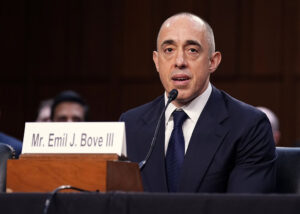
appeared
before
the
Senate
Judiciary
Committee,
which
is
considering
his
nomination
to
the
Third
Circuit.
He
opened
by
insisting,
“I
am
not
anybody’s
henchman,
I
am
not
an
enforcer.
I’m
a
lawyer
from
a
small
town,
who
never
expected
to
be
in
an
arena
like
this.”
That
is
horseshit,
of
course.
No
one
gets
to
“an
arena
like
this”
without
a
healthy
dose
of
ambition.
Note
that
Bove’s
aw
shucks
modesty
didn’t
extend
to
telling
the
White
House
that
he’d
be
a
more
appropriate
nominee
the
US
District
Court.
And
although
his
tone
during
the
hearing
was
measured,
his
willingness
to
twist
the
truth
was
on
full
display
Asked
about
the
Adams
case,
Bove
pointed
to
the
order
dismissing
the
charges
as
proof
that
he’d
behaved
appropriately.
In
reality,
the
Justice
Department’s
refusal
to
prosecute
left
the
court
little
choice.
And
Judge
Dale
Ho
denied
the
DOJ’s
request
to
dismiss
without
prejudice,
because
allowing
the
Trump
administration
to
reap
the
benefits
of
a
corrupt
bargain
would
be
“difficult
to
square
with
the
words
engraved
above
the
front
entrance
of
the
United
States
Supreme
Court:
‘Equal
Justice
Under
Law.’”
Bove
denied
telling
subordinates
to
defy
a
court
order,
but
said
he
just
plum
couldn’t
remember
if
he’d
told
them
to
give
the
bird
to
a
federal
judge.
Over
and
over
he
simply
refused
to
answer
questions
based
on
spurious
claims
about
the
deliberative
process
privilege.
But,
he
assured
the
senators,
all
was
on
the
up
and
up,
even
if
he
couldn’t
commit
to
recusing
from
cases
involving
his
former
client
Donald
Trump.
And
if
any
Republican
senator
might
be
tempted
to
vote
no,
he
brought
out
the
big
guns.
Alan
Dershowitz,
late
of
Harvard
Law
(and
his
marbles),
sent
a
letter
to
the
Judiciary
Committee
gushing
that
“Mr.
Bove’s
superior
character,
demeanor
and
diligence
are
evident
throughout
his
time
as
Principal
Associate
Deputy
Attorney
General,
as
well
as
in
private
practice.”
FACTS
NOT
IN
EVIDENCE!
But
when
you’ve
got
the
votes,
it
doesn’t
really
matter.
Earlier
this
week,
the
New
York
Times
reported
that
University
of
Florida
law
professor
—
Trump-appointed
federal
judge,
by
the
way
—
John
L.
Badalamenti
awarded
the
top
prize
in
his
course
to
a
student
on
the
strength
of
a
paper
arguing
that
the
Constitution
was
written
for
white
people
and
therefore
we
shouldn’t
have
voting
rights
protections
and
we
should
shoot-to-kill
migrants
making
unauthorized
border
crossings.
Aside
from
everything
else,
the
University
of
Florida
law
school
community
has…
concerns.
In
an
effort
to
address
those
worries,
Florida
dean
Merritt
McAlister
wrote
an
email
to
the
greater
UF
Law
community
to
explain
the
school’s
position
on
the
paper.
It
falls
flat.
She
lays
out
the
requisite
affirmations
that
the
paper
“do[es]
not
reflect
the
values
of
UF
Law,
its
faculty,
or
its
administration”
and
that
“We
welcome
all,
we
discriminate
against
none,
and
we
aim
to
create
a
community
where
students
feel
a
sense
of
belonging
and
connection—without
experiencing
fear
or
threats
or
hatred.”
But
from
there
the
letter
jumps
into
so
here’s
why
our
top-20
law
school
is
cool
with
giving
top
grades
to
Nazi
Constitution
fan
fiction.
I
understand
that
these
events
and
this
article
have
caused
many
in
our
community
pain,
disappointment,
and
fear.
I
know
that
many
of
you
are
outraged
at
the
law
school
for
not
taking
the
book
award
away
from
the
student.
But
the
administration
does
not
second-guess
grading
decisions
at
the
law
school,
except
in
very
narrow
circumstances,
and
those
circumstances
did
not
apply
here.
But
this
completely
misunderstands
the
problem.
The
issue
isn’t
really
about
changing
the
grade
THIS
paper
got
—
schools
shouldn’t
generally
change
grades
after
the
fact
—
it’s
what
the
hell
is
the
school
doing
to
prospectively
address
a
professor
who
thinks
this
kind
of
paper
is
good.
The
paper’s
views
also
in
no
way
reflect
the
views
of
the
professor
in
this
course.
The
professor
had
no
knowledge
of
this
student’s
history
at
the
law
school
or
his
deeply
held
personal
views.
The
professor
took
the
paper
on
its
face—as
a
student
paper
attempting
to
use
originalist
methodology
to
reach
a
detestable
and
extreme
position.
As
abhorrent
as
the
paper’s
thesis
may
be,
that
work
still
falls
within
the
bounds
of
academic
freedom
and
the
First
Amendment,
and,
as
such,
was
graded
consistent
with
the
grading
standard
for
the
course.
No
one’s
arguing
that
it
falls
outside
“the
bounds
of
academic
freedom
and
the
First
Amendment,”
they’re
arguing
that
a
paper
making
a
batshit
insane
argument
ripped
from
the
Ku
Klux
Klan’s
online
CLE
course
shouldn’t
be
the
top
grade
in
the
class.
Isn’t
this
a
law
school
class?
Because
part
of
that
requires
student
work
to,
you
know,
REFLECT
THE
ACTUAL
LAW.
In
Josh
Blackman’s
contrarian
effort
to
defend
the
paper,
he
applauded
the
Bluebooking
which
the
journal
editor
in
me
appreciates,
but
law
schools
shouldn’t
be
in
the
business
of
giving
out
top
grades
for
meticulously
cited
slop.
Unless
it’s
actually
the
1L
legal
writing
course
maybe.
This
claim
that
“The
professor
took
the
paper
on
its
face—as
a
student
paper
attempting
to
use
originalist
methodology
to
reach
a
detestable
and
extreme
position”
is
dubious
at
best.
If
a
student
took
the
Civ
Pro
issue
spotter
and
wrote
“I
don’t
know
about
this
International
Shoe
stuff
because
the
plaintiff
should
not
accept
the
authority
of
the
district
court
because
it
is
an
Admiralty
Court
with
gold-fringed
flags,”
it
wouldn’t
matter
if
the
prose
read
like
someone
put
Faulkner,
Tolstoy,
and
Bryan
Garner
into
a
human
centipede
and
gave
it
a
typewriter.
Oh,
it’s
an
originalism
course
so
he
was
just
graded
on
his
ability
to
use
originalism
to
justify
horrible
stuff.
That’s
not
hard!
It’s
kind
of
the
whole
point
of
originalism!
Actually,
scratch
that…
the
whole
point
of
originalism
is
getting
to
a
whites-only
constitution
without
looking
like
that’s
what
you’re
doing.
So
even
by
the
measure
of
originalism
it’s
falling
short.
Anyone
can
point
out
the
Constitution
was
intended
to
benefit
a
white,
slaveholder
ethnostate…
the
trick
of
originalism
is
getting
back
there
through
all
those
pesky
Reconstruction
amendments.
Just
handwaving
those
away
is
bad
originalism.
Rescinding
the
honor
might
feel
righteous,
but
it
would
betray
those
principles
and
set
a
dangerous
precedent
in
a
law
school
that
trains
students
to
confront
unpopular
ideas
and
represent
unpopular
clients.
Defending
free
expression
is
easiest
when
we
approve
of
the
speech;
it
is
hardest
when,
as
in
this
instance,
the
speech
tears
at
the
fabric
of
our
community.
But
that
is
precisely
when
our
commitment
must
hold.
Free
speech
is
not
a
“Get
out
of
being
dumb
free”
card.
The
kid
can
write
whatever
trash
viewpoint
he
wants,
but
this
strays
so
far
from
any
basic
understanding
of
how
constitutional
law
works
that
it’s
mind-boggling
how
it
could
be
graded
so
highly
outside
of
a
Roger
Taney
lookalike
contest.
The
paper’s
thesis
was
that
putting
“We
the
People”
meant
white
people
originally
so
therefore
we
shouldn’t
have
to
honor
voting
rights
protections.
We’re
not
talking
about
a
Brandeis
brief
here.
The
Supreme
Court
wrote
“well-regulated
militia”
out
of
the
Second
Amendment
and
it’s
in
the
same
sentence.
Even
they
would
balk
at
porting
the
first
three
words
of
the
preamble
into
striking
down
the
Fifteenth
Amendment.
It’s
just
a
bad
argument
unless
it’s
intended
as
satire
to
rip
originalism,
which
it
(a)
wasn’t
and
(b)
there’s
no
indication
the
professor
mistakenly
thought
it
was.
Honestly,
the
school
would
be
in
better
shape
if
instead
of
“The
professor
took
the
paper
on
its
face”
they
were
able
to
say
“the
professor
thought
this
was
the
originalism
corollary
to
Jonathan
Swift’s
Modest
Proposal.”
That
could
actually
be
a
quality
paper.
But
that’s
not
the
story.
We
have
protected
academic
freedom
and
the
student’s
First
Amendment
rights
while
also
prioritizing
the
safety
and
security
of
our
community.
As
soon
as
the
student’s
conduct
became
threatening
and
substantially
disruptive,
in
collaboration
with
UFPD
and
UF
administration,
the
student
was
barred
from
campus.
We
heightened
security
across
the
college.
It
is
important
to
note
that
the
escalation
in
the
student’s
conduct
that
led
to
his
trespass
happened
three
months
after
the
book
award
had
been
announced
in
January.
Sadly,
this
article
has
given
an
extremist
provocateur
exactly
what
he
wanted:
a
platform
for
greater
visibility.
And
it
has
caused
hurt
and
pain
within
our
community
in
the
process.
I
also
regret
that
this
has
led
an
honorable
public
servant—one
who
has
served
his
country
for
decades
as
a
federal
public
defender
and
a
federal
judge—to
receive
death
threats
because
of
an
impartial
grading
decision
he
made.
No
one
deserves
that
treatment
for
selflessly
teaching
as
a
part-time
instructor
in
a
law
school.
Blaming
the
messenger?
This
email
is
really
playing
all
the
hits!
Everything
was
fine
before
you
pesky
kids
started
“asking
questions
about
our
white
nationalism
grades!”
Yes,
it’s
very
wrong
that
anyone
is
getting
death
threats,
but
don’t
try
to
foist
the
blame
on
people
very
understandably
concerned
about
the
standards
at
a
highly
ranked
law
school.
It’s
probably
tough
heading
a
public
law
school
in
Florida
when
Ron
DeSantis
keeps
ranting
the
institutions
of
higher
learning
are
just
Antifa
Hogwarts.
But
it’s
one
thing
to
“defend
to
the
death
his
right
to
say
it”
and
another
for
the
dean
to
shrug
off
the
fact
that
the
school’s
credibility
is
on
the
line
when
it
hands
a
gold
star
to:
“We
the
People”
Means
Never
Having
To
Say
You’re
Sorry
(…To
Women
and
Minorities!).
Or
maybe
there
really
wasn’t
any
student
in
the
class
capable
of
a
better
reasoned
paper.
In
which
case,
Florida
would
have
far,
far
deeper
problems
to
deal
with.
ProfitSolv,
the
parent
company
to
a
group
of
practice
management
and
payments
products
for
legal,
accounting
and
professional
services
firms,
said
today
that
it
has
secured
a
significant
strategic
investment
co-led
by
private
equity
firms
FTV
Capital
and
Lightyear
Capital.
The
company
said
that
the
investment
will
be
used
to
drive
product
innovation,
strengthen
its
payments
offering
and
expand
the
business
through
accretive
M&A.
It
was
formed
in
2020
by
Lightyear
Capital,
starting
with
the
acquisitions
that
year
of
TimeSolv,
Rocket
Matter
and
LexCharge.
It
acquired
Tabs3
and
Cosmolex
in
2021,
as
this
blog
reported
at
the
time.
Last
November,
Fortune
reported
that
Lightyear
was
planning
to
seek
a
buyer
for
ProfitSolv.
Last
month,
it
reported
that
the
process
of
seeking
a
buyer
was
actively
underway.
But
today’s
announcement
suggests
that
Lightyear
is
retaining
a
significant
interest
in
the
company,
even
as
FTV
comes
aboard
as
a
lead
investor.
The
company
and
its
investors
declined
to
disclose
details
of
the
amount
or
terms
of
the
deal.
In
announcing
the
investment,
ProfitSolv
said
that
it
has
a
client
base
serving
approximately
21,000
businesses
across
the
United
States
and
processing
over
$20
billion
in
annual
invoicing.
“We
are
thrilled
to
welcome
FTV
as
a
new
investor
–
a
firm
that
brings
unique
expertise
in
scaling
vertical
software
and
payments
businesses
and
shares
our
product-centric
and
customer-first
approach,”
Kelley
Castell,
CEO
of
ProfitSolv,
said
in
the
announcement.
“With
FTV
and
Lightyear,
ProfitSolv
is
optimally
positioned
to
continue
our
ambitious
growth
trajectory
while
remaining
steadfast
in
our
commitment
to
delivering
exceptional
value
to
our
clients.”
Kyle
Griswold,
partner
at
FTV
Capital,
said
of
the
investment:
“ProfitSolv
has
established
itself
as
a
leader
across
the
legal,
accounting
and
professional
services
ecosystem
thanks
to
its
robust
technology
offering
combining
best-in-class
software
and
payments
capabilities.
Unlocking
growth
for
leading
vertical
software
businesses
is
a
key
focus
area
for
FTV.
We
have
strong
conviction
in
the
company’s
platform
and
its
future
growth
prospects
and
look
forward
to
partnering
with
the
ProfitSolv
team
and
Lightyear
to
capitalize
on
the
company’s
exceptional
market
position.”
Michal
Petrzela,
partner
at
Lightyear,
said:
“ProfitSolv’s
value
proposition
has
been
validated
by
strong
market
demand
and
our
ability
to
scale
the
business
10x
since
its
2020
launch.
We
are
excited
to
continue
to
partner
with
Kelley
and
team
for
this
next
chapter
of
growth.
We
welcome
FTV
Capital
to
this
partnership
and
believe
that
our
shared
vision
and
expertise
will
drive
continued
innovation
for
ProfitSolv
in
the
years
to
come.”
Ed.
note:
Please
welcome
Liz
Dye
back
to
the
pages
of
Above
the
Law.
Subscribe
to
her
Substack,
“Law
and
Chaos,”here.
“It
is
my
great
honor
to
nominate
Emil
Bove
to
serve
as
a
Judge
on
the
United
States
Court
of
Appeals
for
the
Third
Circuit,”
the
president
screeched
out
on
social
media
on
May
28.
“Emil
is
SMART,
TOUGH,
and
respected
by
everyone.
He
will
end
the
Weaponization
of
Justice,
restore
the
Rule
of
Law,
and
do
anything
else
that
is
necessary
to,
MAKE
AMERICA
GREAT
AGAIN.
Emil
Bove
will
never
let
you
down!”
So
much
for
the
wages
of
sin.
The
president’s
personal
lawyer
spent
the
past
five
months
disgracing
the
Justice
Department
and
his
professional
oath.
He
is
currently
the
subject
of
a
whistleblower
complaint
alleging
that
he
deliberately
defied
court
orders
and
instructed
DOJ
lawyers
to
do
the
same.
And
for
his
loyalty,
he’s
being
rewarded
with
lifetime
tenure
on
the
appellate
bench.
Worst
villain
origin
story
ever
Emil
Bove,
III
began
his
career
at
the
Southern
District
of
New
York,
where
he
was
by
all
accounts
a
competent
prosecutor.
His
management
style
left
something
to
be
desired,
however,
and
he
was
denied
promotion
for
“abusive”
behavior
toward
his
subordinates.
In
2022,
he
left
the
DOJ
for
private
practice,
and
the
following
year
teamed
up
with
Todd
Blanche,
another
SDNY
alum
who
left
the
white-shoe
law
firm
Cadwalader,
Wickersham
&
Taft
to
represent
Donald
Trump
in
his
criminal
cases.
The
only
one
that
went
to
trial
was
the
Manhattan
prosecution,
where
a
jury
found
their
client
guilty
of
34
counts
of
creating
a
false
business
record.
But
Trump
values
obedience
over
competence,
and
so
he
gave
Blanche
and
Bove
the
top
jobs
at
DOJ,
serving
under
another
of
his
personal
lawyers,
Pam
Bondi.
Heel
turn
Back
in
2021,
Bove
worked
January
6
cases
at
SDNY.
But
one
of
the
first
things
he
did
on
his
return
to
the
Department
was
to
launch
a
mass
purge
of
prosecutors
who
worked
January
6
cases.
“I
do
not
believe
the
current
leadership
of
the
Justice
Department
can
trust
these
FBI
employees
to
assist
in
implementing
the
President’s
agenda
faithfully,”
he
wrote
in
a
memo
obtained
by
the
Washington
Post.
As
Trump’s
personal
lawyer,
Bove
signed
his
name
to
dozens
of
briefs
lobbing
baseless
charges
of
politicization
at
the
DOJ.
But
once
ensconced
at
Main
Justice,
he
set
about
reordering
the
DOJ
to
achieve
Trump’s
political
ends.
He
tried
without
success
to
gin
up
criminal
charges
in
connection
with
billions
of
dollars
in
greenbanking
funds
allocated
by
Congress
and
disbursed
in
the
final
year
of
Biden’s
presidency.
He
threatened
to
arrest
local
officials
who
exercise
their
rights
under
the
the
Tenth
Amendment
not
to
cooperate
with
federal
immigration
mandates.
And
he
blew
up
the
prosecution
of
New
York
City
Mayor
Eric
Adams
in
hopes
of
blackmailing
the
elected
Democrat
to
enact
the
administration’s
immigration
priorities.
On
February
10,
he
ordered
Danielle
Sassoon,
the
then-acting
US
Attorney
for
SDNY,
to
dismiss
the
pending
prosecution
of
the
mayor
for
taking
bribes
from
Turkish
officials.
Bove
ordered
her
to
seek
a
dismissal
without
prejudice,
allowing
the
government
to
hold
the
threat
of
re-indictment
over
Adams
if
he
failed
to
do
what
they
asked,
particularly
when
it
came
to
immigration.
“If
a
criminal
prosecution
cannot
be
used
to
punish
political
activity,
it
likewise
cannot
be
used
to
induce
or
coerce
such
activity,”
she
wrote
in
her
resignation
letter.
“Threatening
criminal
prosecution
even
to
gain
an
advantage
in
civil
litigation
is
considered
misconduct
for
an
attorney.”
He
responded
with
an
absolutely
deranged
letter,
defending
the
propriety
of
a
political
quid
pro
quo
with
a
criminal
defendant
and
accusing
Sassoon
of
insubordination
and
dereliction
of
duty.
But
it
turns
out
that
behind
the
scenes,
Bove
was
doing
even
more
crazy
illegal
shit
to
carry
out
the
president’s
agenda.
Whistle
while
you
work
On
June
24,
the
New
York
Times
published
a
whistleblower
complaint
filed
by
former
Justice
Department
lawyer
Erez
Reuveni.
Reuveni
served
as
Acting
Deputy
Director
for
the
Office
of
Immigration
Litigation
until
April
5,
when
he
was
fired
for
telling
the
truth
to
a
federal
judge
in
the
case
of
Kilmar
Abrego
Garcia,
the
Maryland
man
wrongfully
deported
to
El
Salvador.
Reuveni
refused
to
say
that
Abrego
was
a
known
terrorist
(he
wasn’t)
and
argue
that
this
voided
the
immigration
judge’s
order
staying
his
removal
as
a
matter
of
law
(it
didn’t).
But
before
he
was
fired,
Reuveni
witnesssed
a
shocking
pattern
of
disregard
for
court
orders
by
leadership
at
the
DOJ,
particularly
Bove.
Bove
was
instrumental
in
structuring
the
rollout
of
the
Alien
Enemies
Act
proclamation
so
as
to
ensure
that
the
men
renditioned
to
CECOT
in
El
Salvador
could
never
get
due
process.
According
to
Reuveni,
Bove
instructed
the
DOJ
get
it
done,
even
if
they
had
to
disregard
court
orders:
Bove
then
made
a
remark
concerning
the
possibility
that
a
court
order
would
enjoin
those
removals
before
they
could
be
effectuated.
Bove
stated
that
DOJ
would
need
to
consider
telling
the
courts
“fuck
you”
and
ignore
any
such
court
order.
Mr.
Reuveni
perceived
that
others
in
the
room
looked
stunned,
and
he
observed
awkward,
nervous
glances
among
people
in
the
room.
Silence
overtook
the
room.
Mr.
Reuveni
and
others
were
quickly
ushered
out
of
the
room.
And
in
fact
the
DOJ
did
disregard
Judge
James
Boasberg’s
order
to
turn
the
planes
around.
Reuveni
says
that
Deputy
Assistant
AG
Drew
Ensign
lied
in
court
when
he
said
he
did
not
know
if
and
when
planes
of
detainees
were
taking
off.
Reuveni
alleges
that
“Ensign
had
been
present
in
the
previous
day’s
meeting
when
Emil
Bove
stated
clearly
that
one
or
more
planes
containing
individuals
subject
to
the
AEA
would
be
taking
off
over
the
weekend
no
matter
what.”
Bove
is
credited
with
coming
up
with
the
plan
to
allege
that
the
DOJ
complied
with
Judge
Boasberg’s
order
because
the
planes
were
out
of
US
air
space
by
the
time
the
judge
put
his
oral
order
in
writing.
Notably
Bove
refused
to
put
his
name
on
the
motion
making
this
fakakta
argument
on
the
public
docket.
And
Ensign
is
now
smack
in
the
middle
of
Judge
Boasberg’s
contempt
inquiry.
Bove
also
encouraged
the
DOJ
to
defy
another
court’s
immigration
order
in
Massachusetts.
In
that
case,
Judge
Brian
Murphy
barred
the
Department
of
Homeland
Security
from
deporting
immigrants
to
third
countries
without
notice
and
opportunity
to
object
under
the
Convention
Against
Torture.
The
government
repeatedly
defied
this
order,
including
in
one
episode
where
DHS
flew
detainees
to
Gitmo
and
handed
them
over
to
the
Department
of
Defense
to
transport
them
to
CECOT.
Reuveni
does
not
say
if
Bove
was
the
brain
genius
behind
the
plan
to
argue
that
this
did
not
violate
the
court’s
order,
since
DOD
wasn’t
a
party
to
the
case,
and
no
DHS
employees
were
on
the
plane
to
El
Salvador.
But
he
says
that
Bove
was
pissed
that
he
tried
to
comply
with
the
court
order
to
ascertain
how
this
violation
had
occurred:
Mr.
Reuveni
received
phone
call
from
Acting
AAG
Roth
in
which
Roth
relayed
that
Bove
was
very
unhappy
that
Mr.
Reuveni
had
contacted
counsel
at
various
agencies
to
ascertain
whether
DOJ
had
violated
court
order
Roth
conveyed
that
Mr.
Reuveni
should
stop
emailing
agency
counsel
on
the
matter
to
instead
communicate
by
phone
only
where
possible.46
Mr.
Reuveni
understood
this
instruction
to
be
based
on
leadership’s
aim
to
avoid
generating
written
material
subject
to
disclosure
through
FOIA.
Third
Circuit,
here
he
comes!
On
Wednesday,
June
25,
Bove
appeared
before
the
Senate
Judiciary
Committee,
which
is
considering
his
nomination
to
the
Third
Circuit.
He
opened
by
insisting,
“I
am
not
anybody’s
henchman,
I
am
not
an
enforcer.
I’m
a
lawyer
from
a
small
town,
who
never
expected
to
be
in
an
arena
like
this.”
That
is
horseshit,
of
course.
No
one
gets
to
“an
arena
like
this”
without
a
healthy
dose
of
ambition.
Note
that
Bove’s
aw
shucks
modesty
didn’t
extend
to
telling
the
White
House
that
he’d
be
a
more
appropriate
nominee
the
US
District
Court.
And
although
his
tone
during
the
hearing
was
measured,
his
willingness
to
twist
the
truth
was
on
full
display
Asked
about
the
Adams
case,
Bove
pointed
to
the
order
dismissing
the
charges
as
proof
that
he’d
behaved
appropriately.
In
reality,
the
Justice
Department’s
refusal
to
prosecute
left
the
court
little
choice.
And
Judge
Dale
Ho
denied
the
DOJ’s
request
to
dismiss
without
prejudice,
because
allowing
the
Trump
administration
to
reap
the
benefits
of
a
corrupt
bargain
would
be
“difficult
to
square
with
the
words
engraved
above
the
front
entrance
of
the
United
States
Supreme
Court:
‘Equal
Justice
Under
Law.’”
Bove
denied
telling
subordinates
to
defy
a
court
order,
but
said
he
just
plum
couldn’t
remember
if
he’d
told
them
to
give
the
bird
to
a
federal
judge.
Over
and
over
he
simply
refused
to
answer
questions
based
on
spurious
claims
about
the
deliberative
process
privilege.
But,
he
assured
the
senators,
all
was
on
the
up
and
up,
even
if
he
couldn’t
commit
to
recusing
from
cases
involving
his
former
client
Donald
Trump.
And
if
any
Republican
senator
might
be
tempted
to
vote
no,
he
brought
out
the
big
guns.
Alan
Dershowitz,
late
of
Harvard
Law
(and
his
marbles),
sent
a
letter
to
the
Judiciary
Committee
gushing
that
“Mr.
Bove’s
superior
character,
demeanor
and
diligence
are
evident
throughout
his
time
as
Principal
Associate
Deputy
Attorney
General,
as
well
as
in
private
practice.”
FACTS
NOT
IN
EVIDENCE!
But
when
you’ve
got
the
votes,
it
doesn’t
really
matter.
Well,
Milbank
is
showing
the
world
that
despite
inking
a
deal
with
the
administration,
they
just
might
be
willing
to
court
Trump’s
ire.
Back
in
April,
Milbank
promised
$100
million
for
Trump’s
pro
bono
war
chest
to
avoid
an
onerous
EO.
But
yesterday,
the
firm
signed
onto
a
lawsuit
challenging
some
of
Trump’s
actions.
Milbank
partner
and
former
acting
solicitor
general
Neal
Katyal,
along
with
former
federal
judge
Michael
McConnell,
now
at
Wilson
Sonsini,
have
signed
on
to
be
co-counsel
in
a
case
challenging
the
president’s
so-called
“Liberation
Day”
tariffs.
Katyal
said
in
a
statement,
“These
presidential
actions
fall
on
the
wrong
side
of
the
line.
I
look
forward
to
vindicating
our
Founders’
view
of
the
separation
of
powers,
and
to
restoring
the
primacy
of
Congress
over
such
major
questions.”
The
plaintiffs
are
a
group
of
small
businesses
impacted
by
the
tariffs.
Represented
by
the
libertarian-leaning
legal
non-profit
the
Liberty
Justice
Center,
they
won
a
case
in
front
of
the
U.S.
Court
of
International
Trade
arguing
that
Trump
overstepped
his
authority.
The
government
has
appealed
the
decision
(as
well
as
a
separate
decision
against
the
tariffs),
and
plaintiffs
brought
in
the
Biglaw
guns
for
the
appellate
fight.
It
must
be
quite
reassuring
to
clients,
as
well
as
the
rank-and-file
at
the
firm,
to
know
that
Milbank
is
more
than
just
the
administration’s
legal
lapdog.
Kathryn
Rubino
is
a
Senior
Editor
at
Above
the
Law,
host
of
The
Jabot
podcast,
and
co-host
of
Thinking
Like
A
Lawyer.
AtL
tipsters
are
the
best,
so
please
connect
with
her.
Feel
free
to
email
her
with
any
tips,
questions,
or
comments
and
follow
her
on
Twitter
@Kathryn1 or
Mastodon
@[email protected].
There’s
been
some
big
news in
legal
tech
circles
recently. Harvey,
a
broad-based
AI
provider
to
law
firms across
practice
areas
and
workflows,
and
LexisNexis announced a
strategic
alliance that will enable Harvey
users to now
have
access
to and integrate with the
LexisNexis
database.
This
is
huge
since
firms
using
Harvey
to
leverage
internal
data
will
now
be
able
to
leverage
the
LexisNexis
database
for public legal materials within
the
Harvey
platform. I
have written before that
this
is
akin
to
the
holy
grail
since
it
means
a
one
stop
location
for
AI
needs.
Here’s
why
it
matters: it
means
that Harvey customers
can
use the
tool
to respond
to
natural
language
queries
based
not
only
on internal documents
but
also
on case
law
in
the LexisNexis
extensive database.It
means
Harvey
users
no
longer
need
to
toggle
between
internal
knowledge
bases
and
external
research
tools.
Everything can happen
in
one
place,
accelerating
workflows
and
reducing
cognitive
friction.
For
firms
evaluating
AI
tools,
that
kind
of
seamless
integration
is a
real
benefit
and incentive.
How
Did
Harvey
Do
It?
What
is interesting though
is
how
Harvey became
such
a
big
player
in
legal
AI
so
quickly.
The typical game
plan
for
vendors
in
the
legal
tech
and
AI
field
is
to
make
a
big announcement.
Offer
a
lot
of
press
releases to
the
media about
what
they
are
doing.
Invite
media
and
potential
customers
for product demos
of
anything
and
everything.
Show
up
at
legal
tech
shows
like LegalWeek and
host big and
elaborate parties.
Harvey
did
little
of
this.
Harvey representatives only
recently
began
showing
up
at
the
big
shows.
They have provided little
information
to
media representatives about
their
products.
Most
of
us
reporting
on
legal
tech
have
had
no
demos
of
the
Harvey
product
and
only
get
word-of-mouth
information
from
users
about
the
product,
what
it
does,
and
how
well
it
performs.
Harvey representatives don’t
regularly
appear
on
legal
tech
podcasts.
How
did it get
to
the
point
that
Zach
Abramowitz,
a well-known
legal
tech
commentator, last week
proclaimed that
the
legal
AI competition was
over
and
Harvey
won?
I
have
to
admit
I laughed a
little
when
I
first
saw Abramowitz’s
post since I
wasn’t sure if
he
was
serious
or
writing tongue in
cheek. I’m
not laughing
now.
The
Right
Question
So what did
Harvey
do? Harvey was
founded
in
2022 by Winston
Weinberg,
a
former
O’Melveny
&
Meyers litigator, and
Gabriel
Pereyra, a
former
DeepMind researcher. A
scant
three
years
ago.
It
built
its
product
on
ChatGPT
and fine
tuned it for
legal.
Okay.
So
have
a
lot
of
others.
What
was
different?
Harvey
understood
something
that
I
knew
but
forgot.
The
single
most-asked
question
by
law
firm representatives when confronted with
a
product
sales
pitch, particularly when
it
comes
to new technology like AI
and
tech
in general is:
What
other
firms
are
using
this
product?
To
busy
lawyers
and
legal
professionals, use
by
others
is the
talisman
of
a
good
product.
Of
a
reliable
product.
Of
a
mainstream
product.
Not
demos,
although
that
may
come
later.
Not
what
will
it
do,
although
that’s
later
as
well. The
fact
that
other
firms
are using
it is
THE
validation
question.
Being
able
to
answer
that
question
in
a
way
that
resonates
gets
you
in
the
door. It
provides
credibility. It
gets
you
to
the
next
level.
Yes,
you have
to have
a
good
product.
But
that’s
table
stakes.
What
set
Harvey
apart? It
started
by
recruiting former Biglaw
partners
to
join
their
team who
understood
how Biglaw works,
what it’s interested
in,
and
how
it makes technology decisions.
Harvey
then
went
to
the Biglaw firm
Allen
&
Overy
with its
some 3,500 lawyers
and
talked
it
into
doing
an
extensive
trial.
That
was
the
first
major
hurdle.
The
second
major
hurdle: securing the
Allen
&
Overy
adoption
in
early
2023.
That
led
to
Harvey
securing
a
trial
and
adoption at the Biglaw firm Paul
Weiss. Then
Harvey secured
a
strategic parentship with
the
Big
Four accounting
firm
PwC.
The
Right
Answer
Now
Harvey could
give
a good
answer to the
fundamental and
first
question law
firms
ask.
It
had commitments
from well-known firms and
it
was
off
to
the
races. It
went
from
a stealth
startup
to
a
$5
billion valuation by
following
its
own
playbook
and
understanding its
customers’ most fundamental concern.
Instead
of
trying
to
dazzle
with
early
demos
or
influencer
endorsements,
it
focused
quietly
on refining
and testing
the model and building
relationships
with
the
right
people
inside
the
right
firms. And
understanding
its
potential
customers.
Stephen
Embry
is
a
lawyer,
speaker,
blogger
and
writer.
He
publishes TechLaw
Crossroads,
a
blog
devoted
to
the
examination
of
the
tension
between
technology,
the
law,
and
the
practice
of
law.
Ed.
note:
Please
welcome
Liz
Dye
back
to
the
pages
of
Above
the
Law.
Subscribe
to
her
Substack,
“Law
and
Chaos,”here.
“It
is
my
great
honor
to
nominate
Emil
Bove
to
serve
as
a
Judge
on
the
United
States
Court
of
Appeals
for
the
Third
Circuit,”
the
president
screeched
out
on
social
media
on
May
28.
“Emil
is
SMART,
TOUGH,
and
respected
by
everyone.
He
will
end
the
Weaponization
of
Justice,
restore
the
Rule
of
Law,
and
do
anything
else
that
is
necessary
to,
MAKE
AMERICA
GREAT
AGAIN.
Emil
Bove
will
never
let
you
down!”
So
much
for
the
wages
of
sin.
The
president’s
personal
lawyer
spent
the
past
five
months
disgracing
the
Justice
Department
and
his
professional
oath.
He
is
currently
the
subject
of
a
whistleblower
complaint
alleging
that
he
deliberately
defied
court
orders
and
instructed
DOJ
lawyers
to
do
the
same.
And
for
his
loyalty,
he’s
being
rewarded
with
lifetime
tenure
on
the
appellate
bench.
Worst
villain
origin
story
ever
Emil
Bove,
III
began
his
career
at
the
Southern
District
of
New
York,
where
he
was
by
all
accounts
a
competent
prosecutor.
His
management
style
left
something
to
be
desired,
however,
and
he
was
denied
promotion
for
“abusive”
behavior
toward
his
subordinates.
In
2022,
he
left
the
DOJ
for
private
practice,
and
the
following
year
teamed
up
with
Todd
Blanche,
another
SDNY
alum
who
left
the
white-shoe
law
firm
Cadwalader,
Wickersham
&
Taft
to
represent
Donald
Trump
in
his
criminal
cases.
The
only
one
that
went
to
trial
was
the
Manhattan
prosecution,
where
a
jury
found
their
client
guilty
of
34
counts
of
creating
a
false
business
record.
But
Trump
values
obedience
over
competence,
and
so
he
gave
Blanche
and
Bove
the
top
jobs
at
DOJ,
serving
under
another
of
his
personal
lawyers,
Pam
Bondi.
Heel
turn
Back
in
2021,
Bove
worked
January
6
cases
at
SDNY.
But
one
of
the
first
things
he
did
on
his
return
to
the
Department
was
to
launch
a
mass
purge
of
prosecutors
who
worked
January
6
cases.
“I
do
not
believe
the
current
leadership
of
the
Justice
Department
can
trust
these
FBI
employees
to
assist
in
implementing
the
President’s
agenda
faithfully,”
he
wrote
in
a
memo
obtained
by
the
Washington
Post.
As
Trump’s
personal
lawyer,
Bove
signed
his
name
to
dozens
of
briefs
lobbing
baseless
charges
of
politicization
at
the
DOJ.
But
once
ensconced
at
Main
Justice,
he
set
about
reordering
the
DOJ
to
achieve
Trump’s
political
ends.
He
tried
without
success
to
gin
up
criminal
charges
in
connection
with
billions
of
dollars
in
greenbanking
funds
allocated
by
Congress
and
disbursed
in
the
final
year
of
Biden’s
presidency.
He
threatened
to
arrest
local
officials
who
exercise
their
rights
under
the
the
Tenth
Amendment
not
to
cooperate
with
federal
immigration
mandates.
And
he
blew
up
the
prosecution
of
New
York
City
Mayor
Eric
Adams
in
hopes
of
blackmailing
the
elected
Democrat
to
enact
the
administration’s
immigration
priorities.
On
February
10,
he
ordered
Danielle
Sassoon,
the
then-acting
US
Attorney
for
SDNY,
to
dismiss
the
pending
prosecution
of
the
mayor
for
taking
bribes
from
Turkish
officials.
Bove
ordered
her
to
seek
a
dismissal
without
prejudice,
allowing
the
government
to
hold
the
threat
of
re-indictment
over
Adams
if
he
failed
to
do
what
they
asked,
particularly
when
it
came
to
immigration.
“If
a
criminal
prosecution
cannot
be
used
to
punish
political
activity,
it
likewise
cannot
be
used
to
induce
or
coerce
such
activity,”
she
wrote
in
her
resignation
letter.
“Threatening
criminal
prosecution
even
to
gain
an
advantage
in
civil
litigation
is
considered
misconduct
for
an
attorney.”
He
responded
with
an
absolutely
deranged
letter,
defending
the
propriety
of
a
political
quid
pro
quo
with
a
criminal
defendant
and
accusing
Sassoon
of
insubordination
and
dereliction
of
duty.
But
it
turns
out
that
behind
the
scenes,
Bove
was
doing
even
more
crazy
illegal
shit
to
carry
out
the
president’s
agenda.
Whistle
while
you
work
On
June
24,
the
New
York
Times
published
a
whistleblower
complaint
filed
by
former
Justice
Department
lawyer
Erez
Reuveni.
Reuveni
served
as
Acting
Deputy
Director
for
the
Office
of
Immigration
Litigation
until
April
5,
when
he
was
fired
for
telling
the
truth
to
a
federal
judge
in
the
case
of
Kilmar
Abrego
Garcia,
the
Maryland
man
wrongfully
deported
to
El
Salvador.
Reuveni
refused
to
say
that
Abrego
was
a
known
terrorist
(he
wasn’t)
and
argue
that
this
voided
the
immigration
judge’s
order
staying
his
removal
as
a
matter
of
law
(it
didn’t).
But
before
he
was
fired,
Reuveni
witnesssed
a
shocking
pattern
of
disregard
for
court
orders
by
leadership
at
the
DOJ,
particularly
Bove.
Bove
was
instrumental
in
structuring
the
rollout
of
the
Alien
Enemies
Act
proclamation
so
as
to
ensure
that
the
men
renditioned
to
CECOT
in
El
Salvador
could
never
get
due
process.
According
to
Reuveni,
Bove
instructed
the
DOJ
get
it
done,
even
if
they
had
to
disregard
court
orders:
Bove
then
made
a
remark
concerning
the
possibility
that
a
court
order
would
enjoin
those
removals
before
they
could
be
effectuated.
Bove
stated
that
DOJ
would
need
to
consider
telling
the
courts
“fuck
you”
and
ignore
any
such
court
order.
Mr.
Reuveni
perceived
that
others
in
the
room
looked
stunned,
and
he
observed
awkward,
nervous
glances
among
people
in
the
room.
Silence
overtook
the
room.
Mr.
Reuveni
and
others
were
quickly
ushered
out
of
the
room.
And
in
fact
the
DOJ
did
disregard
Judge
James
Boasberg’s
order
to
turn
the
planes
around.
Reuveni
says
that
Deputy
Assistant
AG
Drew
Ensign
lied
in
court
when
he
said
he
did
not
know
if
and
when
planes
of
detainees
were
taking
off.
Reuveni
alleges
that
“Ensign
had
been
present
in
the
previous
day’s
meeting
when
Emil
Bove
stated
clearly
that
one
or
more
planes
containing
individuals
subject
to
the
AEA
would
be
taking
off
over
the
weekend
no
matter
what.”
Bove
is
credited
with
coming
up
with
the
plan
to
allege
that
the
DOJ
complied
with
Judge
Boasberg’s
order
because
the
planes
were
out
of
US
air
space
by
the
time
the
judge
put
his
oral
order
in
writing.
Notably
Bove
refused
to
put
his
name
on
the
motion
making
this
fakakta
argument
on
the
public
docket.
And
Ensign
is
now
smack
in
the
middle
of
Judge
Boasberg’s
contempt
inquiry.
Bove
also
encouraged
the
DOJ
to
defy
another
court’s
immigration
order
in
Massachusetts.
In
that
case,
Judge
Brian
Murphy
barred
the
Department
of
Homeland
Security
from
deporting
immigrants
to
third
countries
without
notice
and
opportunity
to
object
under
the
Convention
Against
Torture.
The
government
repeatedly
defied
this
order,
including
in
one
episode
where
DHS
flew
detainees
to
Gitmo
and
handed
them
over
to
the
Department
of
Defense
to
transport
them
to
CECOT.
Reuveni
does
not
say
if
Bove
was
the
brain
genius
behind
the
plan
to
argue
that
this
did
not
violate
the
court’s
order,
since
DOD
wasn’t
a
party
to
the
case,
and
no
DHS
employees
were
on
the
plane
to
El
Salvador.
But
he
says
that
Bove
was
pissed
that
he
tried
to
comply
with
the
court
order
to
ascertain
how
this
violation
had
occurred:
Mr.
Reuveni
received
phone
call
from
Acting
AAG
Roth
in
which
Roth
relayed
that
Bove
was
very
unhappy
that
Mr.
Reuveni
had
contacted
counsel
at
various
agencies
to
ascertain
whether
DOJ
had
violated
court
order
Roth
conveyed
that
Mr.
Reuveni
should
stop
emailing
agency
counsel
on
the
matter
to
instead
communicate
by
phone
only
where
possible.46
Mr.
Reuveni
understood
this
instruction
to
be
based
on
leadership’s
aim
to
avoid
generating
written
material
subject
to
disclosure
through
FOIA.
Third
Circuit,
here
he
comes!
On
Wednesday,
June
25,
Bove
appeared
before
the
Senate
Judiciary
Committee,
which
is
considering
his
nomination
to
the
Third
Circuit.
He
opened
by
insisting,
“I
am
not
anybody’s
henchman,
I
am
not
an
enforcer.
I’m
a
lawyer
from
a
small
town,
who
never
expected
to
be
in
an
arena
like
this.”
That
is
horseshit,
of
course.
No
one
gets
to
“an
arena
like
this”
without
a
healthy
dose
of
ambition.
Note
that
Bove’s
aw
shucks
modesty
didn’t
extend
to
telling
the
White
House
that
he’d
be
a
more
appropriate
nominee
the
US
District
Court.
And
although
his
tone
during
the
hearing
was
measured,
his
willingness
to
twist
the
truth
was
on
full
display
Asked
about
the
Adams
case,
Bove
pointed
to
the
order
dismissing
the
charges
as
proof
that
he’d
behaved
appropriately.
In
reality,
the
Justice
Department’s
refusal
to
prosecute
left
the
court
little
choice.
And
Judge
Dale
Ho
denied
the
DOJ’s
request
to
dismiss
without
prejudice,
because
allowing
the
Trump
administration
to
reap
the
benefits
of
a
corrupt
bargain
would
be
“difficult
to
square
with
the
words
engraved
above
the
front
entrance
of
the
United
States
Supreme
Court:
‘Equal
Justice
Under
Law.’”
Bove
denied
telling
subordinates
to
defy
a
court
order,
but
said
he
just
plum
couldn’t
remember
if
he’d
told
them
to
give
the
bird
to
a
federal
judge.
Over
and
over
he
simply
refused
to
answer
questions
based
on
spurious
claims
about
the
deliberative
process
privilege.
But,
he
assured
the
senators,
all
was
on
the
up
and
up,
even
if
he
couldn’t
commit
to
recusing
from
cases
involving
his
former
client
Donald
Trump.
And
if
any
Republican
senator
might
be
tempted
to
vote
no,
he
brought
out
the
big
guns.
Alan
Dershowitz,
late
of
Harvard
Law
(and
his
marbles),
sent
a
letter
to
the
Judiciary
Committee
gushing
that
“Mr.
Bove’s
superior
character,
demeanor
and
diligence
are
evident
throughout
his
time
as
Principal
Associate
Deputy
Attorney
General,
as
well
as
in
private
practice.”
FACTS
NOT
IN
EVIDENCE!
But
when
you’ve
got
the
votes,
it
doesn’t
really
matter.
One
of
my
favorite
pastimes
in
recent
months
has
been
reading
newly
released
reports
on
legal
professionals’
use
of
generative
artificial
intelligence
(AI).
As
the
author
of
one
of
those
reports,
the
2025
AffiniPay
Legal
Industry
Report,
I
find
it
particularly
interesting
to
review
the
analyses
and
insights
offered
in
other
publications.
Lately,
new
reports
have
been
announced
nearly
every
other
week.
While
that
may
seem
excessive,
this
onslaught
of
legal
AI
data
is
really
quite
helpful.
The
technology
is
advancing
quickly
and
is
increasingly
pervasive,
so
every
statistic
provides
much-needed
visibility
into
overarching
adoption
trends
across
the
profession.
One
recent
example
is
the
Ironclad
2025
State
of
AI
Report,
which
was
released
in
early
June.
It’s
based
on
survey
responses
from
800
legal
practitioners
equally
split
between
law
firms
and
corporate
legal
teams.
One
of
the
most
notable
data
points
from
the
survey
relates
to
AI
adoption,
which
is
at
69%
overall.
However,
there
is
a
26-point
gap
between
law
firms
and
in-house
teams,
with
law
firm
adoption
at
55%
and
in-house
at
81%.
These
AI
adoption
levels
are
significantly
higher
than
those
from
most
other
recent
reports.
Generally
speaking,
most
other
sources
indicate
that
AI
adoption
in
the
legal
profession
is
much
lower,
with
approximately
one-third
of
respondents
using
AI
for
work-related
purposes.
It’s
unclear
to
me
why
the
Ironclad
percentages
are
so
much
higher.
Perhaps
it
has
to
do
with
the
phrasing
of
the
survey
question
or
the
population
that
was
surveyed.
The
report
indicates
that
an
independent
research
firm
with
double
opt-in
conducted
the
survey,
but
in
the
absence
of
further
information,
it’s
difficult
to
hypothesize
the
reason
for
this
statistical
disparity.
Another
really
interesting
finding
is
that
25%
of
respondents
reported
being
comfortable
with
AI
acting
as
an
agent
on
their
behalf.
This
statistic
is
surprising
since
the
concept
of
AI
agents
is
a
relatively
new
one.
Legal
professionals
tend
to
be
risk-averse
and
are
often
unwilling
to
be
the
first
to
adopt
experimental
technologies.
That
a
full
quarter
of
those
surveyed
are
“comfortable”
with
this
emerging
AI
use
case
is
both
unusual
and
promising.
One
reason
could
be
that
positive
pandemic-era
experiences
with
technology,
combined
with
the
obvious
time-saving
benefits
of
AI,
have
led
the
profession
to
be
more
receptive
to
cutting-edge
technologies.
Other
survey
findings
support
this
hypothesis:
legal
professionals
are
convinced
that
AI
is
a
game-changing
tool.
The
vast
majority
—
93%
—
agree
that
AI
has
improved
the
way
they
work,
and
96%
say
it
has
made
achieving
business
objectives
easier.
Another
57%
say
it
allows
them
to
focus
more
on
strategic
work,
and
48%
value
AI
for
managing
routine
tasks,
including
case
law
summarization
(61%),
document
review
for
litigation
(45%),
high-level
research
(42%),
drafting
legal
documents
(42%),
and
communication
with
stakeholders
(37%).
Of
those
who
use
it
for
communication
purposes,
64%
agree
that
AI
helps
them
communicate
better.
Survey
respondents
also
reported
other
benefits
from
using
AI,
with
76%
agreeing
that
AI
helped
decrease
feelings
of
burnout,
and
46%
percent
believing
AI
creates
more
career
opportunities.
Job
replacement
concerns
dropping
8%
year
over
year
across
all
respondents.
However,
not
all
legal
professionals
view
AI’s
impact
on
their
livelihoods
through
rose-colored
glasses.
Just
over
a
third
(36%)
of
respondents
believe
AI
creates
fewer
opportunities
for
legal
professionals,
with
those
in
firms
(40%)
more
likely
to
be
worried
than
their
in-house
counterparts
(33%).
Other
hurdles
cited
regarding
AI
adoption
included
security
issues
(48%).
Accuracy
concerns
are
close
behind
at
44%,
up
4%
from
last
year.
Other
challenges
mentioned
were
training
deficiencies
(24%)
and
issues
navigating
AI
policies
(23%).
One
interesting
question
asked
in
the
survey
that
I’ve
not
seen
addressed
elsewhere
was
whether
AI
should
be
regulated
by
the
government.
The
overwhelming
majority
of
respondents,
75%,
think
it
needs
some
type
of
governmental
oversight,
while
only
9%
believe
AI
should
be
wholly
unregulated.
Overall,
this
report
offers
an
interesting
snapshot
of
legal
professionals’
perspectives
on
generative
AI.
From
surprisingly
high
adoption
rates
to
an
unexpected
comfort
with
agent-based
use
cases,
these
findings
add
food
for
thought
to
the
ongoing
AI
conversation.
For
those
closely
following
this
space
or
who
are
simply
interested
in
how
our
profession
is
approaching
AI
implementation,
this
report
is
worth
reviewing
and
comparing
with
others
released
this
year
to
better
understand
where
we’ve
been,
what’s
next,
and
where
we’re
headed
after
that.
Summer
associate
programs
are
still
underway
at
Biglaw
firms
across
the
country,
but
soon,
for
those
who
haven’t
already
been
precruited,
early
recruitment
interviews
will
begin
for
next
year’s
eager
crop
of
would-be
summer
associates.
With
current
summers
itching
to
receive
their
offers,
what
better
time
to
release
Vault’s
closely
watched
rankings
for
the
best
summer
associate
programs?
Hot
on
the
heels
of
Vault’s
rankings
of
the
most
prestigious
law
firms
and
the
law
firms
with
the
best
quality
of
life
comes
the
career
website’s
ranking
of
the
best
summer
associate
programs
in
Biglaw.
Junior
associates
(first-
through
third-year
attorneys)
who
summered
at
their
current
firms
were
asked
to
rank
their
experiences
on
how
much
fun
the
program
was
and
how
well
it
prepared
them
for
life
at
the
firm
through
six
different
categories
(attorney
interactions,
substantive
assignments,
training
and
mentoring,
preparation
for
associate
life,
quality
of
events,
and
satisfaction
with
firm-sponsored
social
opportunities
and
social
interactions).
From
those
ratings,
Vault
ranked
the
best
summer
associate
programs
in
three
categories:
Attorney
Interactions,
Career
Development,
and
Social
Experiences.
It
shouldn’t
come
as
a
surprise
that
many
of
the
firms
that
made
the
Top
10
list
for
having
the
best
quality
of
life
made
the
Top
10
for
having
the
best
summer
associate
program.
There
was
once
again
a
huge
amount
of
movement
in
the
Top
10
this
year.
Which
firms
made
the
cut?
Without
any
further
ado,
here
are
the
Top
10
Firms
With
the
Best
Summer
Associate
Programs
based
on
Vault’s
Annual
Associate
Survey
for
2026:
1.
O’Melveny
&
Myers
(no
change) 2.
Bracewell
(no
change) 3.
Morgan
Lewis
&
Bockius
(no
change) 4.
Clifford
Chance
(up
from
#6) 5.
Benesch
(up
from
#10) 6.
McDermott
Will
&
Emery
(up
from
#9) 7.
Pillsbury
(up
from
#23) 8.
Eversheds
Sutherland
(up
from
#18) 9.
Vedder
Price
(unranked) 10.
Mayer
Brown
(up
from
#39)
O’Melveny,
Bracewell,
Morgan
Lewis,
Clifford
Chance
US,
McDermott,
Eversheds,
and
Mayer
Brown
each
made
appearances
in
the
Top
10
for
firms
with
the
best
quality
of
life.
Let’s
give
these
firms
a
round
of
applause
for
keeping
their
attorneys
happy
from
their
days
as
summers
through
their
days
as
junior
associates.
Congratulations
to
all
50
of
the
Biglaw
firms
that
made
the
latest
edition
of
the
Vault
Best
Summer
Associate
Program
rankings
—
and
an
even
bigger
congratulations
to
O’Melveny
for
coming
out
on
top
in
yet
another
ranking.
How
did
your
firm
do?
Email
us,
text
us
at
(646)
820-8477,
or
tweet
us @atlblog
to
let
us
know.
Staci
Zaretsky is
a
senior
editor
at
Above
the
Law,
where
she’s
worked
since
2011.
She’d
love
to
hear
from
you,
so
please
feel
free
to
email
her
with
any
tips,
questions,
comments,
or
critiques.
You
can
follow
her
on Bluesky, X/Twitter,
and Threads, or
connect
with
her
on LinkedIn.


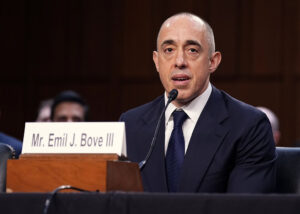


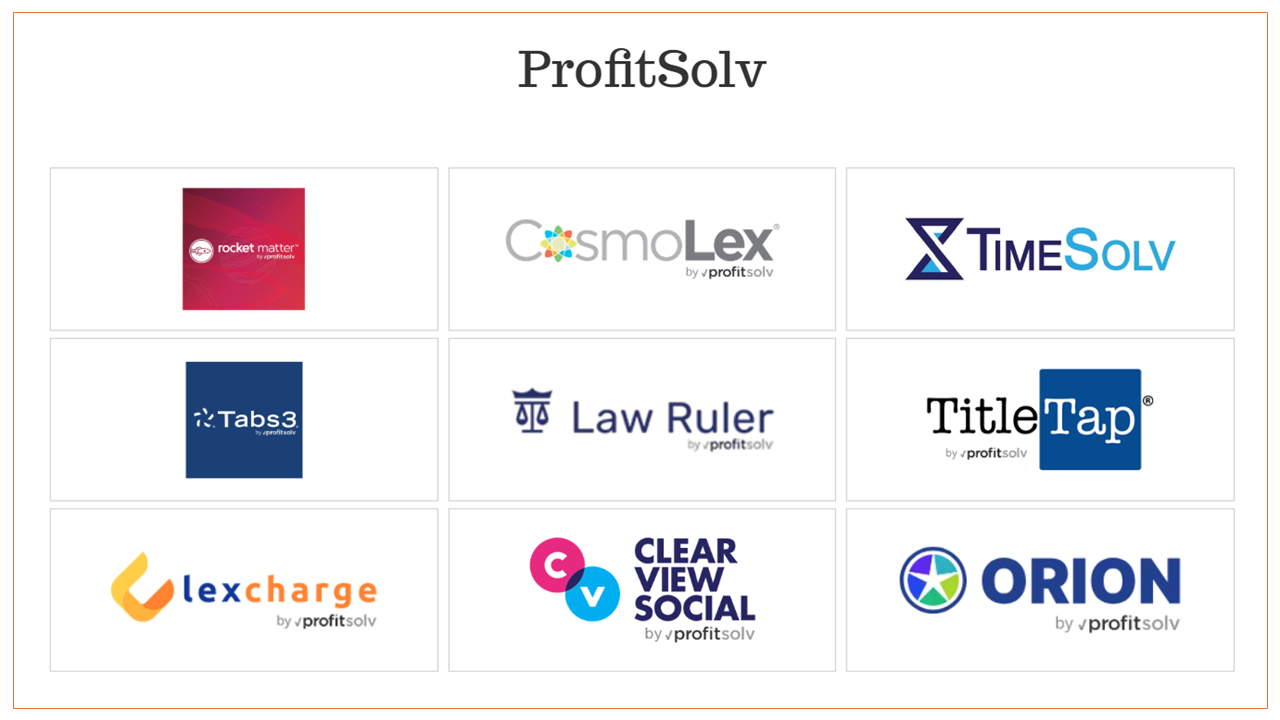
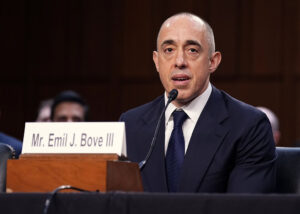

 Kathryn