The Lawyer Who Never Went Home – Above the Law

There
was
a
lawyer
I
knew
early
in
my
career
who
never
went
home.
Not
really.
He
left
the
office,
sure.
He
drove
home,
had
dinner,
and
maybe
watched
something
on
TV.
But
mentally,
he
was
still
at
work,
running
through
arguments,
replaying
conversations,
anticipating
disasters
that
hadn’t
happened
yet.

He
wore
it
like
a
badge
of
honor.
If
you
weren’t
exhausted,
if
you
weren’t
consumed,
if
you
weren’t
carrying
every
case
like
it
was
a
personal
burden,
then
maybe
you
didn’t
care
enough.
At
least
that’s
what
he
believed.
And
for
a
while,
I
thought
he
was
right.

Because
when
you’re
young
in
this
profession,
you
assume
intensity
equals
excellence.

I
remember
watching
him
prepare
for
hearings.
He
would
sit
at
his
desk
long
after
everyone
left,
surrounded
by
stacks
of
paper,
yellow
pads
filled
with
notes,
cases
highlighted
within
an
inch
of
their
life.
He
wasn’t
just
preparing,
he
was
bracing
for
impact,
like
every
hearing
was
a
collision
he
needed
to
survive.

And
the
thing
is,
he
was
good.
Judges
respected
him.
Opposing
counsel
took
him
seriously.
Clients
trusted
him.
From
the
outside,
it
looked
like
the
model
of
a
committed
lawyer.

But
there
was
a
cost
that
didn’t
show
up
on
his
resume.

He
was
always
tired.
Not
the
kind
of
tired
you
fix
with
a
weekend
off,
but
the
kind
that
settles
into
your
bones.
Conversations
with
him
felt
rushed,
as
if
he
were
always
somewhere
else
mentally.
Even
when
he
was
talking
to
you,
he
was
also
talking
to
himself
about
a
case,
a
strategy,
a
mistake
he
thought
he
made.

And
over
time,
something
started
to
shift.

He
wasn’t
getting
better.

He
was
getting
more
worn
down.

That’s
the
part
no
one
tells
you
early
on.
There’s
a
difference
between
working
hard
and
carrying
everything.
One
makes
you
sharper.
The
other
makes
you
heavy.

And
when
you’re
heavy,
you
start
to
lose
the
very
thing
that
makes
you
effective,
judgment.

You
second-guess
more.
You
react
instead
of
thinking.
You
start
solving
problems
emotionally
instead
of
strategically.

And
in
this
profession,
that’s
when
mistakes
happen.

I
had
my
own
version
of
that
phase.
Maybe
not
as
extreme,
but
close
enough.
I
would
go
home
and
replay
depositions
in
my
head,
thinking
about
the
one
question
I
should
have
asked
differently.
I’d
wake
up
in
the
middle
of
the
night
thinking
about
a
motion
I
needed
to
file
or
a
deadline
I
might
have
miscalculated.

It
felt
responsible.
It
felt
like
ownership.

It
also
felt
exhausting.

At
some
point,
you
realize
something
important:
your
cases
don’t
need
you
to
suffer.
They
need
you
to
think.

There’s
this
quiet
shift
that
happens
when
you
stop
trying
to
carry
everything
and
start
focusing
on
what
actually
matters.
You
prepare
the
same
way.
You
care
the
same
way.
But
you
don’t
internalize
every
outcome
like
it’s
a
reflection
of
your
worth.

You
create
space.

And
that
space
is
where
good
decisions
live.

The
best
lawyers
I
know
aren’t
the
ones
who
are
constantly
grinding
themselves
into
the
ground.
They’re
the
ones
who
can
step
back,
assess,
and
act
with
clarity.
They
don’t
confuse
urgency
with
importance.
They
don’t
treat
every
issue
like
a
five-alarm
fire.

They’re
deliberate.

They
know
when
to
push
and
when
to
pause.

And
that
balance
is
what
makes
them
dangerous
in
the
courtroom.

There
was
a
case
I
handled
where
everything
escalated
quickly:
heated
emails,
aggressive
motions,
and
a
client
who
wanted
to
fight
every
point.
A
younger
version
of
me
would
have
matched
that
energy,
fired
back,
tried
to
win
every
exchange.

Instead,
I
slowed
it
down.

Picked
up
the
phone.
Lowered
the
temperature.
Focused
on
what
mattered
instead
of
what
felt
urgent.

The
case
resolved
faster
than
it
should
have.

Not
because
I
worked
harder,
but
because
I
thought
more
clearly.

That’s
the
trap
a
lot
of
young
lawyers
fall
into.
They
think
the
job
is
about
doing
more,
more
hours,
more
emails,
more
arguments.
But
the
job
is
really
about
doing
better.

Better
questions.
Better
judgment.
Better
timing.

And
you
don’t
get
better
by
running
yourself
into
the
ground.

The
lawyer
I
mentioned
at
the
beginning
eventually
burned
out.
Not
in
some
dramatic,
walk-out-the-door
way.
It
was
quieter
than
that.

He
just
stopped
enjoying
any
part
of
the
job.

Everything
became
a
burden.

Everything
felt
like
pressure.

And
once
that
happens,
it’s
hard
to
come
back
from
it.

This
profession
will
take
as
much
from
you
as
you’re
willing
to
give.
That’s
not
a
criticism,
it’s
just
reality.
There’s
always
more
to
do.
Another
case.
Another
deadline.
Another
fire
to
put
out.

If
you
don’t
set
boundaries,
the
job
will
set
them
for
you.

And
you
may
not
like
where
they
land.

So,
what
do
you
do
with
that?

You
stay
committed
but
not
consumed.

You
prepare,
but
you
don’t
obsess.

You
care
about
outcomes,
but
you
don’t
tie
them
to
your
identity.

You
learn
to
mentally
leave
the
office,
not
just
physically.

Because
the
truth
is,
the
lawyers
who
last
in
this
profession
aren’t
the
ones
who
burn
the
brightest
for
a
short
time.

They’re
the
ones
who
find
a
way
to
sustain
it.

Who
can
think
clearly
under
pressure?

Who
can
keep
perspective
when
everything
feels
urgent?

Who
can
go
home
and
actually
be
home?

And
I
still
think
about
that
lawyer
sometimes,
the
one
who
never
really
went
home.

He
believed
that
carrying
everything
made
him
better.

But
in
the
end,
it
just
made
him
tired.
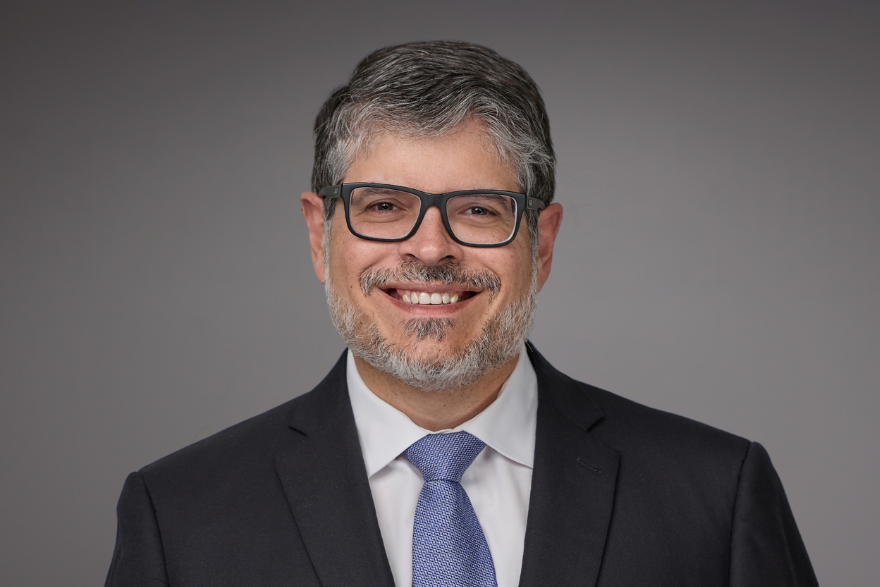


Frank
Ramos
is
a
partner
at
Goldberg
Segalla
in
Miami,
where
he
practices
commercial
litigation,
products,
and
catastrophic
personal
injury. You
can
follow
him
on LinkedIn,
where
he
has
about
80,000
followers
.

Biglaw Firm Doubles Down On Pro Bono, And Lets The Billable Chips Fall Where They May – Above the Law

(photo
by
David
Lat).


Ed.
note
:
Welcome
to
our
daily
feature, Quote
of
the
Day
.


My
overall
view
is,
I’m
incredibly
proud
of
the
firm
and
what
we’ve
accomplished
in
the
last
year.
We
had
certainly,
the
year
before,
a
historic
year
financially,
[and]
this
year
was
also
historic
in
being
one
of
our
best
financial
years
in
history.
At
the
same
time,
we
devoted
so
much
in
terms
of
firm
resources,
commitment,
and
frankly,
courage,
to
upholding
the
rule
of
law
and
really
standing
up
for
our
profession
in
a
time
when
it
was
desperately
needed.


— Munger,
Tolles
&
Olson
‘s


co-managing
partner
Martin
Estrada


downplayed
the
firm’s
small
dip
in
revenue
(1.8%)

to
Law.com

while
focusing
on
the
firm’s
commitment
to
pro
bono
and
the
rule
of
law
in
2025.
Pro
bono
hours
were
up
at
the
firm
~50%,
and
according
to
the
other
co-managing
partner,
Daniel
Levin,
“it
was
a
conscious
choice
to
undertake
that.”

The Price Of Justice And The Promise Of AI – Above the Law

For
decades,
the
cost
of
legal
services
has
continued
to
rise,
even
as
funding
for
access-to-justice
organizations
has
declined.
This
unfortunate
trend
has
widened
the
moat
between
the
justice
system
and
those
who
need
its
protections
the
most. 

Technology
has
long
been
offered
as
a
possible
solution
to
this
problem,
with
many
suggesting
that
online
platforms
or
tools
could
bridge
the
gap
by
either
connecting
legal
consumers
with
more
affordable
legal
services
or
enabling
them
to
better
represent
themselves. 

Unfortunately,
in
most
cases,
the
only
people
who
benefited
from
those
efforts
were
technology
executives
and
investors.
Capitalism
repeatedly
trumped
altruism,
leaving
legal
consumers
to
fend
for
themselves.

Enter
generative
artificial
intelligence
(AI),
a
technology
with
so
much
potential,
for
both
good
and
bad
outcomes.
The
tension
between
the
possibilities
is
what
makes
AI
so
exciting
in
this
context:
Is
it
the
silver
bullet
that
will
solve
the
access
to
justice
problem

or,
at
the
very
least,
meaningfully
improve
it?

It’s
an
interesting
question,
and
one
that
was
explored
in

8am’s
2026
Legal
Industry
Report
,
which
was
released
in
March.
This
year,
1,300
legal
professionals
were
surveyed
about
topics
ranging
from
AI
adoption
trends
and
productivity
gains
to
perspectives
on
the
current
state
of
access
to
justice
and
the
rule
of
law. 

The
section
devoted
to
access
to
justice
explored
differences
in
viewpoints
across
legal
roles,
perceptions
of
the
past
and
present
challenges
legal
consumers
face
when
seeking
legal
assistance,
and
ideas
for
improving
access
to
justice,
whether
through
leveraging
new
technologies
like
AI
or
by
other
means.
The
data
offered
lots
of
interesting
insights
from
legal
professionals
on
the
efficacy
of
our
justice
system.

One
interesting
finding
was
that
when
asked
about
the
current
state
of
access
to
justice,
responses
varied
notably
across
legal
roles.
More
than
half
(53%)
of
lawyers
felt
that
access
to
justice
was
less
than
ideal,
while
only
35%
of
other
legal
professionals
agreed.
Similarly,
38%
of
nonlawyers
were
neutral
on
the
issue
compared
to
only
22%
of
lawyers. 

This
disparity
likely
reflects
differences
in
both
training
and
experience.
Lawyers
spend
semesters
in
law
school
learning
about
the
rights
imbued
in
our
Constitution
and
are
more
closely
involved
in
the
day-to-day
machinations
of
the
court
system.
These
factors
likely
color
their
perspectives
on
the
state
of
the
justice
system,
leading
to
the
difference
between
their
responses
and
those
of
other
legal
professionals.

Respondents
also
weighed
in
on
whether
access
to
justice
had
improved
over
the
past
decade.
Responses
across
roles
were
more
aligned
on
this
issue:
40%
of
those
surveyed
concluded
that
the
situation
hadn’t
changed
much
and
was
“about
the
same,”
38%
said
it
was
“somewhat
worse”
or
“much
worse,”
and
22%
said
it
had
improved. 

Only
8%
of
respondents
said
the
legal
profession
had
been
“very
effective”
in
addressing
the
issue,
while
38%
described
it
as
“somewhat
effective,”
and
22%
said
it
had
been
ineffective.
In
other
words,
the
overall
consensus
reflected
a
less-than-enthusiastic
view
of
the
profession’s
attempts
to
expand
access.

There
was
more
agreement
regarding
the
barriers
to
obtaining
effective
legal
representation.
For
example,
72%
believed
that
the
cost
of
legal
services
is
the
most
significant
barrier,
followed
by
court
inefficiencies
and
backlogs
(48%),
and
the
complexity
of
legal
processes
(46%). 

Systemic
barriers
such
as
language
and
socioeconomic
status
were
identified
by
45%
of
participants,
while
44%
suggested
that
a
lack
of
public
legal
education
prevents
people
from
navigating
the
system
effectively.
Lastly,
unequal
distribution
of
legal
resources
between
urban
and
rural
areas
concerned
42%
of
respondents,
insufficient
funding
was
seen
as
a
problem
by
34%,
and
33%
thought
that
a
shortage
of
pro
bono
services
limits
access
to
justice. 

Perspectives
on
solutions
to
the
problem
varied,
with
55%
of
respondents
selecting
expanded
legal
aid
and
funding
for
public
defenders
as
the
most
plausible
fix.
Court
modernization
and
efficiency
initiatives
were
favored
by
51%,
simplification
of
legal
processes
and
procedures
was
identified
by
50%,
and
increased
civic
and
legal
education
was
seen
as
a
key
improvement
by
47%
of
participants.
Another
38%
chose
greater
availability
of
pro
bono
services,
followed
by
alternative
dispute
resolution
options
(31%). 

Fewer
respondents
believed
that
technology
could
singlehandedly
bridge
the
gap,
with
only
17%
concluding
that
AI
tools
for
lawyers
would
improve
access
and
13%
selecting
AI
tools
for
legal
consumers.
Regarding
AI’s
potential
more
generally,
37%
of
respondents
rated
it
as
high
or
very
high,
while
39%
saw
only
moderate
potential,
and
24%
believed
it
had
low
or
no
potential
to
improve
access
to
justice.

When
asked
how
AI
and
technology
could
improve
access
to
justice,
the
top
choice
was
automating
routine
legal
tasks
such
as
document
preparation,
selected
by
53%.
This
was
followed
closely
by
expanding
access
to
self-help
legal
tools
and
resources
(52%),
increasing
availability
of
remote
and
virtual
services
(51%),
and
improving
legal
research
and
efficiency
(48%).
Streamlining
court
procedures
was
identified
by
47%
of
participants,
and
reducing
the
cost
of
legal
services
by
46%. 

Despite
the
future-facing
pessimism,
most
respondents
believed
technology
had
made
a
difference
over
the
past
decade:
79%
said
technology
has
improved
access
to
justice
either
somewhat
(51%)
or
significantly
(28%),
while
17%
saw
no
real
change
and
only
4%
believed
it
has
made
access
worse.

Overall,
the
data
showed
that
respondents
were
not
without
hope.
Despite
decades
of
rising
costs
and
declining
funding,
most
believed
technology
had
already
made
a
difference
over
the
past
decade,
in
large
part
because
of
sustained
focus
on
improving
access.
Technology,
and
AI
in
particular,
was
seen
as
a
meaningful
part
of
the
solution,
and
a
sense
of
optimism
prevailed,
even
as
the
jury
is
still
out
on
whether
it
will
finally
close
the
gap
between
the
justice
system
and
the
people
who
need
it
most. 


Nicole
Black
 is
a
Rochester,
New
York
attorney
and
Principal
Legal
Insight
Strategist
at 
8am,
the
team
behind
8am
MyCase,
LawPay,
CasePeer,
and
DocketWise.
She’s
been 
blogging since
2005,
has
written
weekly
column
 for
the
Daily
Record
since
2007,
is
the
author
of 
Cloud
Computing
for
Lawyers
,
co-authors 
Social
Media
for
Lawyers:
the
Next
Frontier
,
and
co-authors 
Criminal
Law
in
New
York
.
She’s
easily
distracted
by
the
potential
of
bright
and
shiny
tech
gadgets,
along
with
good
food
and
wine.
You
can
follow
her
on
Twitter
at 
@nikiblack and
she
can
be
reached
at 
[email protected].

Former Trump White House Lawyer: He’s ‘Insane.’ Current Cabinet: [Crickets] – Above the Law

Ty
Cobb


Ty
Cobb

is
back
on
his
bullshit.
And
by
that,
I
mean
back
on
a
talk
show
calling
out
his
former
boss,
Donald
Trump.

The
former
Hogan
&
Lovells
partner
turned White
House
 special
counsel
(in
the
Trump
I
regime) has
taken
to
the cable
news
circuit
 to
make
some biting
comments
 about
Trump.
Cobb
left
the
hallowed
halls
of
Biglaw
to
join
the
first
Trump
administration,
but
he quickly
left. 
Since
then,
he’s
taken
to
the
airwave
with
his
signature
facial
hair
with
folksy way
of cutting
through 
the right-wing
BS
.

His
latest
appearance,
this
time
on

The
Jim
Acosta
Show
,
keeps
that
streak
alive,
and
then
some.

Cobb
didn’t
hedge.
He
didn’t
soften.
He
didn’t
even
do
that
lawyerly
thing
where
you
bury
the
lede
under
a
pile
of
qualifiers.
Instead,
he
went
straight
for
the
jugular:

“It’s
not
a
surprise
that
we’re
in
this
much
trouble.
It’s
not
a
surprise
given
the
fact
that
the
cabinet
will
not
invoke
the
25th
Amendment
for
a
man
who’s
clearly
insane.”

That’s…
not
exactly
subtle.
But
then
again,
subtlety
has
never
really
been
Cobb’s
brand
in

this
phase
of
his
post-White
House
life
.

And
he
wasn’t
done.

Cobb
pointed
to
Trump’s
late-night
posting
habits
that
read
less
like
presidential
communications
and
more
like
someone
lost
a
fight
with
their
group
chat,
as
evidence
of
something
deeper.
“And
this
war
highlights
that.
And
these
screeds
that
come
out
nightly,
at
2
a.m.
or
4
a.m.
or
whatever
time
Trump
decides
to
vent
without
oversight,
it
highlights
the
level
of
his
insanity
and
depravity,”
Cobb
said.

Acosta,
perhaps
channeling
the
audience
at
home,
asked
the
obvious
follow-up,
“You
think
he’s
just
gone?”

Cobb’s
answer,
“I
think
he’s
gone.
And
he
makes
it
obvious
every
day.”

The
former
Biglaw
partner
turned
White
House
lawyer
turned
media
critic,
is
making
increasingly
dire
pronouncements
into
the
void,
while
the
people
with
actual
authority
pretend
not
to
hear
it.

At
some
point,
you
have
to
wonder
who
this
is
for.
The
cabinet?
The
public?
Himself?

Or
maybe
it’s
simpler
than
that.
Maybe
this
is
just
what
accountability
looks
like
in
2026.
No
formal
consequences,
no
institutional
checks,
but
a
series
of
increasingly
blunt
TV
hits
where
former
insiders
say
the
quiet
part
very,
very
loud.

You
can
watch
Cobb’s
appearance
below.


Kathryn
Rubino
is
a
Senior
Editor
at
Above
the
Law,
host
of

The
Jabot
podcast
,
and
co-host
of

Thinking
Like
A
Lawyer
.
AtL
tipsters
are
the
best,
so
please
connect
with
her.
Feel
free
to
email

her

with
any
tips,
questions,
or
comments
and
follow
her
on
Twitter

@Kathryn1
 or
Mastodon

@[email protected].

DOJ Cracks Down on Unfair Contracts with New Lawsuit Against NewYork-Presbyterian – MedCity News

The
Department
of
Justice
filed
an
antitrust
lawsuit
against

NewYork-Presbyterian
Hospital

this
week,
alleging
the
provider
used
restrictive
payer
contracts
to
block
lower-cost
plans.

The
agency
claims
the
health
system
required
payers
to
include
all
of
its
hospitals
in
their
networks
if
they
wanted
access
to
any
of
them.
According
to

the
complaint
,
those
provisions
limited
insurers’
ability
to
offer
more
affordable
plans
and
slashed
competition
from
lower-priced
providers.

Essentially,
the
Justice
Department
is
arguing
that
NewYork-Presbyterian’s
allegedly
anticompetitive
conduct
insulates
it
from
price
competition
and
allows
it
to
maintain
high
prices. 

“Without
its
unlawful
contracts,
NYP
would
need
to
compete
more
vigorously
against
other
providers,
and
its
rivals
could
compete
to
attract
additional
patients
by
lowering
their
own
prices
or
investing
in
quality
improvements.
All
employers
and
patients
who
purchase
healthcare
in
New
York
City
would
benefit
from
lower
prices
and
higher
quality
as
the
healthcare
marketplace
becomes
more
competitive,”
the
complaint
read.

The
Justice
Department
contends
that
NewYork-Presbyterian’s
contract
provisions
violate
The
Sherman
Act
by
suppressing
competition
among
hospitals
and
physician
groups
in
New
York
City.

NewYork-Presbyterian
is
the
largest
health
system
in
New
York
City,
operating
eight
hospitals
and
dozens
of
outpatient
care
sites. 

In
2024,
the
health
system’s
share
of
general
acute
care
discharges
was
more
than
25%
across
Manhattan,
Brooklyn,
Queens
and
the
Bronx,
the
complaint
stated.
This
is
far
more
than
its
competitors,
which
include

Mount
Sinai
,

NYU
Langone
Health
,

Northwell
Health

and

NYC
Health
+
Hospitals
.

In
a
statement
sent
to

MedCity
News
,
NewYork-Presbyterian
said
the
lawsuit
is
meritless.
The
health
system
also
stated
that
it
has
cooperated
with
the
Justice
Department,
complies
with
all
federal
and
state
laws,
and
believes
its
contracting
policies
are
pro-competitive.

“We
do
not
seek
to
exclude
any
other
hospital
from
any
insurer’s
network.
Nor
do
we
require
more
favorable
treatment
than
any
other
hospital.
In
our
contract
negotiations
with
insurers,
we
seek
to
maximize
access
to
the
highest
quality
of
care.
Insurance
companies
hold
the
market
power
and
use
it
to
restrict
patient
choice,”
the
statement
read.

The
lawsuit
could
mark
an
apparent
crackdown
on
hospitals’
payer
contracting
practices,
given
the
Justice
Department
filed
a

similar
antitrust
lawsuit

against

OhioHealth

five
weeks
ago.
The
case
centers
on
the
alleged
use
of
“all-or-nothing”
contracts
that
force
payers
to
include
every
hospital
and
physician
affiliated
with
OhioHealth
in
their
networks.

Depending
on
the
rulings,
these
cases
could
reshape
how
large
health
systems
negotiate
with
payers,
potentially
giving
patients
and
employers
more
options.


Photo:
krisanapong
detraphiphat,
Getty
Images

Morning Docket: 04.02.26 – Above the Law

*
DOJ
has
dropped
some
23,000
criminal
cases

including
terrorism
and
drug
cases

to
focus
on
deporting
law-abiding
roofers
instead.
[ABA
Journal
]

*
In
an
all-around
bad
day
for
the
government,
Justice
Barrett’s
question
might
have
done
the
most
damage.
[Slate]

*
But
even
if
Trump
only
gets
one
vote
on
this
case,
that
dissent
is
just
the
seed
from
which
the
next
wave
of
assaults
will
grow.
[Balls
and
Strikes
]

*
Mahmoud
Khalil
wants
Emil
Bove
recused
from
his
appeal
given
Bove’s
role
in
telling
prosecutors
to
say
“f**k
you”
to
judges
who
wouldn’t
go
along
with
illegal
deportations
like
the
one
attempted
on
Khalil.
[Law360]

*
Luigi’s
state
trial
delayed
until
the
fall.
[Reuters]

*
Solicitor
General
wants
some
Supreme
Court
argument
time
in
the
Roundup
case.
If
he
does
as
well
as
he
did
in
the
birthright
citizenship
case,
Monsanto
may
have
to
go
bankrupt.
[Law.com]

*
After
taking
airport
to
court,
sexual
harassment
firm
has
its
ad
displayed.
[AP
News
]

Govt Shifts To Performance-Based Remuneration For Civil Servants

This
marks
a
departure
from
the
civil
service
pay
structure
introduced
in
2009,
shortly
after
Zimbabwe
emerged
from
hyperinflation
and
adopted
a
multi-currency
system.

At
the
time,
a
largely
uniform
salary
system
was
put
in
place,
which
ignored
differences
in
skills,
experience,
and
job
complexity.

Under
the
new
framework,
all
public
sector
employees
will
be
reassessed
and
placed
into
updated
salary
grades
that
reflect
the
nature,
scope,
and
demands
of
their
roles.
The
change
is
meant
to
create
a
fairer,
more
transparent,
and
performance-based
remuneration
system.

When
Zimbabwe
abandoned
its
own
currency
and
adopted
the
US
dollar–dominated
multi-currency
regime
in
February
2009,
the
government
introduced
a
flat
US$100
monthly
allowance
for
all
civil
servants.

As
the
economy
stabilised,
wages
were
gradually
adjusted—rising
to
US$150
in
July
2009
and
averaging
US$204
by
January
2010.
By
January
2014,
the
lowest-paid
government
worker
was
earning
about
US$375.

Despite
these
increases,
the
salary
structure
remained
compressed,
with
little
differentiation
based
on
job
weight.

The
new
exercise
is
expected
to
rationalise
civil
service
pay,
recognising
the
varying
responsibilities
and
skills
across
government
roles.

Public
Service,
Labour,
and
Social
Welfare
Minister
Edgar
Moyo
confirmed
that
the
process
is
now
underway.
He
said:

“Salary
adjustments
are
going
to
take
effect
from
April
1,
and
this
means
these
salaries
will
now
be
paid
according
to
the
job
evaluation.

“The
reforms
are
part
of
the
broader
National
Development
Strategy
2
and
Vision
2030,
which
seek
to
build
a
responsive
and
motivated
public
service
as
a
key
driver
of
socio-economic
transformation.”

The
job
evaluation
exercise
was
completed
in
2025
using
the
Paterson
System,
which
sorts
roles
into
bands,
from
lower-level
operational
tasks
to
top
executive
positions,
ensuring
that
jobs
demanding
more
judgment,
accountability,
and
complexity
are
rewarded
with
higher
pay.

The
president
of
the
Zimbabwe
Confederation
of
Public
Sector
Trade
Unions,
Cecelia
Alexander,
said
while
the
unions
agreed
on
the
new
remuneration
framework
with
the
government,
they
have
reservations
about
the
job
evaluation
exercise
itself.

She
added
that
the
union
plans
to
hold
a
stakeholder
meeting
to
discuss
the
matter
further.

Advocacy groups pull out of constitution amendment hearings

HARARE

Three
constitutional
advocacy
organisations
have
formally
withdrawn
from
the
ongoing
public
hearings
on
the
proposed
Constitutional
Amendment
Bill
No.
3,
declaring
the
process
a
sham
and
announcing
a
coordinated
citizen-driven
campaign
in
its
place.

Jameson
Timba,
convenor
of
the
Defend
the
Constitution
Platform
(DCP),
made
the
announcement
at
a
joint
press
conference
in
Harare
on
Wednesday,
flanked
by
veteran
opposition
leader
Tendai
Biti
of
the
Constitutional
Defenders
Forum
(CDF)
and
Professor
Lovemore
Madhuku
of
the
National
Constitutional
Assembly
(NCA).

The
Bill,
which
has
ignited
fierce
opposition
across
civil
society,
proposes
a
series
of
far-reaching
changes
to
Zimbabwe’s
constitutional
order.
Among
its
most
contentious
provisions
is
a
proposal
to
extend
the
presidential
term
of
office
by
two
years,
designed
to
keep
President
Emmerson
Mnangagwa
in
power
beyond
2028.

The
Bill
also
proposes
that
the
president
be
elected
by
Members
of
Parliament
rather
than
directly
by
the
people

a
fundamental
shift
away
from
popular
suffrage.

Other
amendments
would
grant
the
president
the
power
to
appoint
10
senators,
further
consolidating
executive
control
over
the
legislature.
Opponents
argue
that
taken
together,
the
amendments
represent
a
deliberate
dismantling
of
the
checks
and
balances
enshrined
in
the
2013
constitution.

“This
is
not
consultation.
It
is
orchestration,”
Timba
said
of
an
outreach
by
parliament
to
canvass
public
opinion
on
the
planned
amendments
to
the
constitution.

He
cited
what
he
described
as
the
systematic
exclusion
of
dissenting
voices,
intimidation
of
citizens,
and
outright
violence
against
those
who
sought
to
speak
against
the
Bill.

“What
we
witnessed
on
March
31
in
Harare,
and
indeed
in
other
parts
of
the
country,
cannot
be
described
as
a
genuine
consultative
process,”
Timba
said.

“Citizens
were
denied
the
opportunity
to
speak,
voices
were
drowned
out,
and
in
some
instances,
violence
and
intimidation
were
deployed
against
those
expressing
dissenting
views.”

The
three
organisations
said
they
could
no
longer
participate
in
or
lend
legitimacy
to
a
process
they
described
as
“fundamentally
flawed”
and
inconsistent
with
the
spirit
and
letter
of
the
constitution.

The
March
30
to
April
2
public
consultations,
which
are
non-binding,
will
culminate
in
a
vote
on
the
Bill
by
MPs,
likely
on
May.

The
groups
were
emphatic
that
their
withdrawal
from
the
hearings
did
not
signal
a
retreat
from
the
constitutional
struggle.
Timba
announced
that
the
DCP
would
establish
a
framework
for
lawful
civic
engagement
anchored
in
Section
59
of
the
constitution,
which
guarantees
the
right
to
demonstrate
and
present
petitions
peacefully.

The
platform,
he
said,
would
give
citizens
the
ability
to
express
their
views
freely,
participate
in
organised
civic
action,
and
assert
their
constitutional
rights.

The
three
organisations
also
issued
a
joint
demand
for
a
proper,
comprehensive
consultation
process
to
be
conducted
in
every
constituency
across
the
country.

The
DCP,
CDF
and
NCA
announced
they
would
establish
a
coordinated
framework
to
act
collectively
in
defence
of
the
constitution.
Timba
said
they
would
also
be
reaching
out
to
a
broader
coalition
of
stakeholders,
including
the
church
and
war
veterans’
organisations.

“This
is
not
about
organisations,”
Timba
said.
“It
is
about
the
people.
It
is
about
ensuring
that
the
constitution
remains
a
true
expression
of
their
will.”

The
driving
demand
by
the
organisations
is
that
the
amendments
be
subjected
to
a
referendum,
which
they
argue
is
a
constitutional
requirement.
“We
cannot
legitimise
a
process
that
silences
the
very
people
it
claims
to
consult.
The
constitution
belongs
to
the
people
of
Zimbabwe,
and
its
future
must
be
determined
by
them,
not
imposed
upon
them,”
Timba
said.

He
called
on
all
Zimbabweans
to
remain
peaceful,
vigilant
and
engaged,
declaring
that
the
defence
of
the
constitution
was
now
firmly
in
the
hands
of
citizens.

Chinese Lithium Miners Deny Smuggling, Blame Unregistered Operators

Speaking
at
a
recent
event
on
the
raw
minerals
ban,
the
Second
Secretary
at
the
Chinese
Embassy,
Liu
Yang,
pointed
an
accusing
finger
at
small,
unregistered
operators
who,
he
says,
are
using
legitimate
companies’
documents
to
smuggle
lithium
across
borders.

“Legitimate
enterprises
do
not
need
to
engage
in
smuggling.
Instead,
small,
unqualified
enterprises
exploit
the
documents
of
legitimate
companies
to
conduct
smuggling,”
Liu
said,
as
he
sought
to
clear
the
names
of
major
Chinese
investors
who
dominate
the
country’s
lithium
sector.

“We
Have
Too
Much
to
Lose”

Liu
revealed
that
during
investigations,
large
Chinese
lithium
firms
made
it
clear
they
have
no
interest
in
illegal
exports,
they
are
too
busy
protecting
their
multi-million
dollar
investments.
He
said:

“The
large
enterprises
said
that
they
have
proper
export
documents,
no
motive
to
smuggle,
and
cannot
afford
the
penalties
of
being
caught
smuggling;
they
are
more
focused
on
the
security
of
the
investments
they
have
already
made.”

It’s
a
powerful
argument.
Since
2021,
Chinese
companies
have
poured
over
US$2
billion
into
Zimbabwe’s
lithium
sector
in
the
past
3
years.
The
last
thing
they
want,
Liu
suggested,
is
to
risk
it
all
on
smuggled
concentrates.

But
the
embassy
official
also
dropped
a
bombshell:
the
government
has
had
opportunities
all
along
to
stop
the
leakages
but
failed
to
act.
He
said:

“At
various
stages,
the
government
has
multiple
opportunities
to
intervene
and
crack
down
on
such
activities.”

He
added
that
formal
lithium
mining
enterprises
are
ready
and
willing
to
work
with
authorities
to
combat
smuggling,
if
only
the
government
would
step
up.

The
Ban
That
Shook
the
World

The
comments
come
barely
five
weeks
after
Zimbabwe
dropped
a
bombshell
on
the
global
lithium
market,
suspending
all
raw
mineral
and
lithium
concentrate
exports
with
immediate
effect
on
25
February
2026.

Mines
Minister
Polite
Kambamura
cited
“widespread
leakages,
licence
abuse,
and
failure
to
declare
valuable
by-minerals”
as
the
trigger.

Ministry
of
Mines
Permanent
Secretary
Pfungwa
Kunaka
later
told
Parliament
that
studies
had
confirmed
Zimbabwe
was
losing
rare
earths,
tantalum,
and
niobium,
valuable
minerals
hidden
in
lithium
ore,
that
were
being
shipped
out
without
a
cent
paid
to
the
treasury.

Who
Is
Really
to
Blame?

The
finger-pointing
has
begun
in
earnest.
Chinese
investors
say
they
are
being
unfairly
tarred.
The
government
says
the
leakages
were
out
of
control.
Small-scale
operators,
the
ones
Liu
says
are
using
legitimate
papers
to
smuggle,
remain
in
the
shadows.

What
is
clear
is
that
Zimbabwe’s
lithium
wealth
has
been
bleeding
out
through
a
system
where
export
permits
meant
for
a
few
were
being
used
dozens
of
times
over,
where
high-grade
material
was
declared
as
waste,
and
where
the
country
was
getting
just
7
per
cent
of
the
value
of
its
own
resources.

Now,
with
the
ban
in
place
and
Chinese
firms
promising
cooperation,
the
question
is
whether
the
government
can
finally
close
the
loopholes—and
whether
the
“small,
unqualified”
smugglers
Liu
describes
can
finally
be
brought
to
heel.

Four arrested as Zimbabwe moves to repatriate citizens trafficked to fight in Russia-Ukraine war

Mangwana
also
confirmed
that
the
number
of
Zimbabweans
killed
in
the
conflict
has
risen
to
18.

“Trafficked
to
be
a
foreign
fighter.
The
number
of
Zimbabweans
killed
in
a
foreign
conflict
is
now
18.
The
State
is
seized
with
the
repatriation
of
only
four
of
those
as
there
are
issues
around
the
documentation
around
the
others,” Mangwana
said
on
X
.

His
statement
follows
growing
official
concern
over
what
authorities
have
described
as
a
human
trafficking
syndicate
luring
Zimbabweans
to
enlist
in
foreign
militaries
under
false
pretenses.

In
a
significant
breakthrough,
four
men
accused
of
running
a
recruitment
ring
were
arrested
in
Harare.

The
four

Obert
Hlavati,
Tonderai
Maphosa,
Tanaka
Malcolm
Gwarada
and
Edson
Dudzayi
Nyamudeza
appeared
before
Harare
magistrate
Jessi
Kufa
on
human
trafficking
charges
and
were
not
asked
to
plead.

Prosecutor
Oscar
Madhume
alleged
that
from
last
month,
the
four
conspired
with
a
Russian
national
identified
only
as
Ivan
to
traffic
six
Zimbabweans
to
Russia.

Reports
from
Harare
indicated
the
victims
were
recruited
through
social
media
platforms
including
Facebook,
Telegram
and
WhatsApp,
were
they
were
told
they
would
work
as
firefighters
with
lucrative
salaries
and
favourable
conditions.

Ivan
referred
victims
to
Gwarada,
a
local
agent
and
InDrive
taxi
driver,
who
completed
the
recruitment
process.
Gwarada
allegedly
received
US$8,167
at
various
intervals
through
Ecocash
and
a
Bureau
de
Change
at
5
Londonderry
in
Eastlea,
Harare.

He
then
placed
the
victims
in
hotels,
lodges
and
safe
houses
in
the
Harare
central
business
district
while
they
awaited
completion
of
the
recruitment
process.

Gwarada
reportedly
handed
over
the
money
to
Maphosa,
who
arranged
food
and
accommodation.

Hlavati
was
tasked
with
making
sure
the
men
obtained
travel
documents
and
medical
reports.

Nyamudeza,
an
airport
official,
allegedly
helped
the
victims
pass
through
Robert
Mugabe
International
Airport
without
difficulty.

Upon
arrival
in
Russia,
the
men
were
received
by
Ivan,
who
confiscated
their
travel
documents.
Instead
of
working
as
firefighters,
they
were
drafted
into
fighting
in
the
Russia-Ukraine
war.

The
victims
alerted
relatives
in
Zimbabwe,
who
then
contacted
police
and
the
Department
of
Social
Welfare
is
now
making
efforts
to
fly
the
men
back
home.

Last
week,
authorities
received
information
that
the
quartet
had
recruited
four
more
men
who
were
due
to
travel
to
Russia.

Detectives
intercepted
the
victims
at
Robert
Mugabe
International
Airport,
leading
to
the
arrests.

The
arrests
came
after
CITE’s
investigative
journalism
unit,
exposed
the
recruitment
of
Zimbabwean
civilians
to
fight
for
Russia,
a
story
that
prompted
official
acknowledgment
from
the
government.

Presidential
spokesperson,
George
Charamba,
publicly
acknowledged
CITE’s
role
and
expressed
gratitude
to
the
media
house
for
bringing
the
matter
to
light,
saying
the
organisation
had
broken
this
story
after
painstaking
investigative
journalism
”.

This
was
after
Information
Minister
Soda
Zhemu
had
confirmed
that
15
Zimbabweans
had
died
in
the
conflict
at
the
time,
marking
the
first
official
statement
on
the
scale
of
local
involvement.

The
minister
added
that
66
others
who
were
recruited
are
still
alive,
with
authorities
working
to
facilitate
their
return.

“The
president
has
directed
this
government
to
act
with
urgency
and
resolve
this
issue,”
Zhemu
said.

He
described
the
repatriation
of
remains
as
diplomatically
and
logistically
complex
but
said
efforts
were
underway.
Zhemu
added
that
the
security
cluster
had
been
instructed
to
intensify
investigations
into
the
trafficking
syndicate.

“Those
who
are
trading
in
the
lives
of
our
citizens
for
profit
will
face
the
full
wrath
of
the
law,”
he
said.

The
government
has
since
warned
Zimbabweans
against
enlisting
in
foreign
militaries,
describing
emerging
reports
of
citizens
recruited
to
fight
abroad
as
a
form
of
human
trafficking.

Authorities
say
they
remain
concerned
about
the
safety
of
Zimbabweans
who
may
be
lured
into
conflicts
under
misleading
circumstances.