ERC Worried Over Safety, Organisation Of Constitutional Amendment Bill Public Hearings

In
a
statement
released
on
Wednesday,
1
April,
the
ERC
warned
that
these
problems
could
undermine
the
credibility
of
the
consultation
process
and
discourage
citizens
from
freely
sharing
their
views.

The
organisation
said
that
for
public
hearings
to
be
meaningful,
they
need
to
be
conducted
in
a
safe,
well-organised,
and
transparent
manner
that
allows
everyone
to
participate
without
fear
or
hindrance.
Part
of
the
statement
reads:

“Overall,
the
political
environment
on
day
2
was
not
always
conducive
to
the
making
of
free
and
informed
submissions
at
the
public
hearings.

“The
atmosphere
at
the
public
hearings
was
tense
and
subdued
but
underpinned
by
palpable
tensions.”

The
ERC
reported
serious
disruptions
during
public
hearings
on
the
Constitutional
Amendment
(No.
3)
Bill.

At
the
Harare
City
Sports
Centre,
there
were
incidents
of
physical
violence,
including
the
assault
of
human
rights
lawyer
Doug
Coltart.
Meanwhile,
at
Beit
Hall
in
Mutare,
observers
noted
a
tense,
coercive
atmosphere,
with
signs
of
organised
intimidation.

The
ERC
also
highlighted
a
lack
of
coordination
between
Parliamentary
Committees
and
the
Zimbabwe
Republic
Police
(ZRP).

This
unclear
division
of
responsibilities
allowed
unauthorised
disruptions
to
continue
unchecked,
creating
what
the
ERC
described
as
a
“chilling
effect”
that
prevented
citizens
from
participating
freely
in
the
hearings.
It
said:

“The
ERC
observed
that,
in
several
instances,
perpetrators
of
violence
were
not
promptly
removed
or
held
to
account
by
onsite
authorities,
further
damaging
public
confidence
in
the
safety
of
the
proceedings.”

The
ERC
noted
that
many
attendees
were
unable
to
share
their
views,
as
time
limits
and
large
crowds
meant
only
a
small
number
of
participants
could
make
oral
submissions. It
said:

“While
those
selected
to
speak
were
generally
given
adequate
time
and
were
able
to
express
themselves
freely,
concerns
persist
regarding
freedom
after
expression,
with
increasing
reports
of
victimisation
and
reprisals
against
individuals
following
their
participation.

“Additionally,
the
absence
of
standardised
and
transparent
criteria
for
selecting
speakers
from
the
floor
created
a
risk
of
perceived
partiality,
thereby
undermining
meaningful
participation.”

The
ERC
has
urged
the
ZRP
and
Parliament
to
investigate
the
reported
incidents
and
take
the
necessary
steps
to
ensure
a
safe
and
conducive
environment.

Advocate Mpofu Denies Claims He Took US$20 Million To Support “Agenda 2030”

The
claims
were
made
in
a
Facebook
post
by
Wafawarova
(Rizz
Wafa),
who
alleged
that
Mpofu
is
part
of
a
so-called
“Matebeleland
Cabal”
working
behind
the
scenes
to
give
legal
justification
to
ZANU-PF’s
Agenda
2030.
He
wrote:

“Canaan
Dube,
Jonathan
Moyo,
Thabani
Mpofu,
Mbuso
Fuzwayo,
Nqobani
Sithole
and
Method
Ndlovu

The
Matebeleland
Cabal
that
has
collectively
pocketed
$20
million
for
sanitizing
and
legally
dressing
Mnangagwa’s
2030
Term
Extension
Agenda.”

In
response,
Mpofu
demanded
that
Wafawarova
provide
evidence
to
support
his
claims,
warning
that
he
would
take
action
if
he
failed
to
do
so.
Mpofu
wrote
on
X:

“In
the
interests
of
robust
engagement
and
scrutiny,
Mr
Wafawarova
must
be
encouraged
to
produce
his
evidence.

“He
will
obviously
fail
to
do
so
because
he
is
lying,
and
thereafter
I
will
proceed
against
him.

“At
the
present
moment,
I
can
say
this
without
impeding
his
ability
to
establish
his
case:

“Everything
that
Mr
Wafawarova
has
said
about
me
is
not
only
false
but
also
inane.

“This
goes
even
for
basic
facts
like
my
place
of
origin.
I’m
from
the
Midlands.”

Mpofu
asserted
that
he
has
not
been
briefed
by
Dube
at
any
point
over
the
past
eight
years.
He
said:

“I
have
not
been
briefed
by
Mr
Dube,
maybe
in
some
8
years
now.
I
have
obviously
been
briefed
by
some
lawyers
from
his
firm
over
the
years.

“The
allegation
that
I
was
briefed
to
handle
this
term
limit
nonsense
is
therefore
not
only
false
but
could
not
have
been
responsibly
made
by
any
journalist
interested
in
telling
the
truth.

“I
have
put
my
life
on
the
line
in
my
fight
against
2030.
I
fight
on
the
frontline,
and
I
fight
with
everything
that
I’ve
got.

“Like
most
of
you,
I’m
interested
in
knowing
the
real
allegations
against
me.
Mr
Wafawarova
has
up
to
midday
to
pitch
in.

“In
the
meantime,
I
must
say
this
and
trust
to
say
it
twice
over;
I
absolutely
detest
both
Mnangagwa
and
this
2030
agenda,
which
is
fronted
by
dubious
characters
with
whom
I
have
been
openly
at
loggerheads.

“I’ll
differ
with
people
on
how
to
push
back
against
Mnangagwa,
but
I’ll
maintain
my
independence
and
will
not
let
anyone
tell
me
how
to
prosecute
my
protest.”

If The World Ridicules You, Make It Worse – See Also – Above the Law

Judge
Nathan
Milliron’s
Bad
IT
Interaction
Is
Just
The
Tip:
Did
you
read
about
his
clerk
tantrums?
And
It
Gets
Even
Worse!:
He’s
also
been
fined
by
the
Texas
Ethics
Commission!
Law
Students
Gifted
$10K
Graduation
Present:
That’ll
help
pay
off
those
loans!
Its
The
White
House,
Not
Your
House:
Judge
Leon
rules
against
Trump’s
unilateral
“renovations”.
Today
We
Think
About
ASS:
This
law
school
re-naming
will
go
down
in
infamy.
Look
What
They’re
Doing
To
My
Boy!:
Trump
attends
oral
argument
to
see
anti-
birthright
citizenship
arguments
ripped
to
shreds.

Wait, Viral Video Judge Has Fines From Texas Ethics Commission?!? – Above the Law

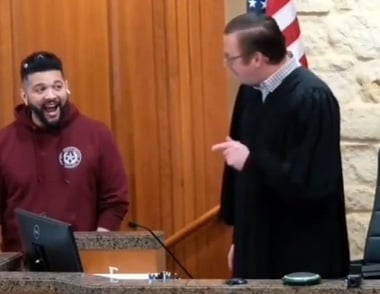
Judge
Nathan
Milliron
is
having
a
rough
week
in
a
reminder
that
karma
is,
sometimes,
still
real.
The
Harris
County,
Texas
civil
court
judge
caught
on
camera

flipping
out
on
a
court
staffer

for
helping
him
figure
out
his
own
IT
errors
before
demanding
to
speak
to
the
guy’s
supervisor,
responded
to
constructive
criticism
from
the
legal
community
by

ordering
an
attorney
into
the
courtroom

to
answer
for
daring
to
question
the
judge’s
behavior.
This
earned
the
judge
even
more
notoriety
as
the
legal
community
called
out
the
abuse
of
power,
and
then
things
got
worse
as
his
past
transgressions
against
everyone
from
area
attorneys,
to
the
local
Republican
party
apparatus,
to
the
clerk’s
office
started
circulating.
Even
the
NY
Post
and
TMZ
got
in
on
the
action.

And
because
things
can
always
get
worse,
the
Houston
NBC
affiliate
now
reports
that

Judge
Milliron
faces
some
fines
from
the
Texas
Ethics
Commission

for
delinquent
filings:

Records
from
the
Texas
Ethics
Commission
show
Judge
Nathan
Milliron
is
listed
as
delinquent
on
two
separate
required
filings,
including
both
campaign
finance
and
personal
financial
disclosure
reports.

According
to
the
Texas
Ethics
Commission,
individuals
are
placed
on
delinquent
filer
lists
when
they
fail
to
submit
required
reports
on
time
and
have
unpaid
civil
penalties
associated
with
those
filings.

Milliron
appears
on
the
Commission’s
candidate/officeholder
delinquent
filer
list,
where
records
show
he
is
facing
a
$1,000
civil
penalty
tied
to
missed
campaign
finance
filings.
He
is
also
listed
on
the
personal
financial
statement
delinquent
filer
list,
where
he
is
facing
a
$500
fine
for
failing
to
submit
required
financial
disclosures.

In
fairness,
he
might’ve
been
able
to
get
those
in
on
time
if
he
hadn’t
alienated
all
the
clerks
helping
him
keep
up
on
his
actual
work
paperwork.

Missing
financial
filings
has
nothing
to
do
with
in
court
temperament,
of
course.
But
the
problem
with
becoming
“the
internet’s
official
main
character
of
the
week”
is
that
everything
starts
coming
out.


Harris
County
judge
in
viral
video
missed
two
required
filings,
faces
fines
by
Texas
Ethics
Commission

[Click
2
Houston]


Earlier
Judge
Throws
IT
Worker
Out
Of
Courtroom
For
Doing
His
Job


Judge
Who
Embarrassed
Himself
With
IT
Outrburst
Doubles
Down

Law School Commits To Mental Health Awareness By Having Professors Cold Call You About Your Anxiety – Above the Law

Struggling
with
your
mental
health?
Of
course
you
are,
you’re
in
law
school!
And
thanks
to
freely
given
data
from
your
career
services
office
and
Palantir,
it
is
abundantly
clear
that
you
haven’t
been
making
the
most
out
of
law
school’s
most
important
lifeline
for
reducing
your
anxiety

office
hours!
As
part
of
the
ABA’s
ongoing
commitment
to
diversity,
all
ABA
accredited
law
schools
will
be
required
to
demand
that
law
professors
meet
their
“Mental
Check-In”
quota

wellness
check
tinged
cold
calls
made
directly
to
your
personal
phones

all
in
the
interest
of
fair
play
and
substantial
well-being!
While
you
won’t
be
legally
required
to
divulge
any
personal
information,
it
is
worth
noting
that
professors
may
take
note
of
your
responses
if
their
syllabi
require
classroom
participation.
Arizona’s
Sandra
Day
O’Connor
School
of
Law
is
the
first
school
to
opt-in
to
the
mandatory
program.
You
can
see
the
professors
at
work
below:

Coming
to
a
school
near
you!
Unless
you
happen
to
attend
a
school
in
Florida
or
Texas
where
ABA
standards
have
no
power.

Happy
April
Fools’
Day!


Chris
Williams
became
a
social
media
manager
and
assistant
editor
for
Above
the
Law
in
June
2021.
Prior
to
joining
the
staff,
he
moonlighted
as
a
minor
Memelord™
in
the
Facebook
group Law
School
Memes
for
Edgy
T14s
.
 He
endured
Missouri
long
enough
to
graduate
from
Washington
University
in
St.
Louis
School
of
Law.
He
is
a
former
boat
builder
who
is
learning
to
swim
and
is
interested
in
rhetoric,
Spinozists
and
humor.
Getting
back
in
to
cycling
wouldn’t
hurt
either.
You
can
reach
him
by
email
at [email protected]
and
by
tweet
at @WritesForRent.

Ken Jennings Asked About One Of Above The Law’s Greatest Law School Moments – Above the Law

(Photo
by
Ben
Hider/Getty
Images)

I’ve
not
been
keeping
up
with
The
Chase,
the
ABC
primetime
game
show
that
offers
Jeopardy’s
Trinity
of
Ken
Jennings,
Brad
Rutter,
and
James
Holzhauer
to
beat
random
folks
senseless
at
trivia.
Which
is
too
bad,
because
a
few
weeks
ago
they
asked
a
question
that
harkened
back
to
one
of
the
greatest
days
in
the
history
of
this
website.

The
day
that
George
Mason
University
School
of
Law
took
its
reputation
as
the
Island
of
Misfit
FedSoc
Profs
and
double
down
as
a
law
school
dedicated
publicly
to
the
right-wing
argle-bargle
that
was
Antonin
Scalia’s
legacy.
They
just
miffed
that
name
change
a
bit.

Option
3
is…
wow.

In
any
event,
the
question
brings
back
sweet
memories,
even
if
crediting
“Twitter
users”
seems
like
a
bit
of
a
slight
to
this
particular
website.

The
year
was
2016,
and
it
was
March
31.
With
April
Fools’
Day
around
the
corner,
everyone
in
the
office
was
a
little
skeptical
to
see
an
announcement
that
George
Mason
University
would
rename
its
law
school
the
“Antonin
Scalia
School
of
Law.”
Within
moments
of
hearing
the
news,
we
were
already
tamping
down
speculation,
claiming
that
this
had
to
be
a
joke:

But
it
wasn’t!
In
fact,
what
had
happened
was
the
school
had
apparently
tried
to
give
the
Wall
Street
Journal
an
exclusive
on
the
announcement
but
gotten
scooped
by
Nina
Totenberg,

causing
the
administration
to
go
into
a
crisis
mode
that
they
dealt
with
by
refusing
to
comment
on
inquiries
for
hours
,
only
fueling
more
speculation
that
this
had
to
be
a
gag.

I
was
attending
a
conference
out
of
the
office
that
day
so
I
was
furiously
corresponding
with
the
other
editors
over
chat
as
the
news
broke.
“How
can
we
confirm
this?”
“Are
these
sources
just
playing
along
with
the
elaborate
gag?”
“Did
they
really
con
Nina
Totenberg?”
While
we
waited
for
answers
to
these
questions,
it
took
a
while
to
even
notice
the
acronym
in
front
of
us.
“I
remember
that
initially
I
was
going
to
write
about
how
it
was
kind
of
disrespectful
*to
Scalia*
to
name
a
law
school
after
him
whose
students
Scalia
himself
would
never
hire,”
Elie
Mystal
told
me
today.

I’d
estimate
it
took
about
10-15
minutes
of
shock
over
the
mere
fact
that
a
public
university
would
name
a
school
after
a
naked
partisan
before
someone
tried
typing
out
the
acronym.
I
don’t
remember
who
did
it
first,
but
as
soon
as
it
came
up,
we
doubled
down
on
our
faith
that
this
was
an
elaborate
prank.

Right
up
until
it
wasn’t.
We
weren’t
exactly
sure
which
nickname
would
stick
that
day.
I
always
preferred
this
version
because
I
thought
it
said
a
little
something
more
about
how
history
should
remember
the
honoree.

But
brevity
will
always
win
out.
About
two
hours
earlier,
Twitter
user
@ChancellorDaws
coined
#ASSLaw
and
Tweeted
multiple
times
to
give
it
momentum.
Five
other
accounts

all
with
fewer
than
a
couple
hundred
followers

mentioned
it
in
the
interim
before
Elie
decided
to
make
#ASSLaw
canon
in
a
post
published

about
an
hour
after
we
received
real
confirmation
:

And
the
rout
was
on.

So
to
some
extent,
“Twitter
users”
is
a
correct
definition
of
who
blew
up
George
Mason’s
nonsense
to
the
extent
that
the
intrepid
Chancellor
was
the
first
to
put
it
out
into
the
Twitter
ether
and
the
fact
that
Above
the
Law
does
have
its
own
Twitter
account.
But
in
another,
far
more
accurate
way,
the
question
should
read
“until
Above
the
Law
pointed
out
its
unfortunate
acronym”
since
that’s
the
moment
that
hundreds
upon
hundreds
of
instances
of
the
hashtag
started.

Though
this
oversight
is
not
entirely
the
fault
of
The
Chase,
because
the
history
was
intentionally
obscured
by
the
ASSLaw
administration,
who
tried
to
rebrand
the
school
as
“Antonin
Scalia
Law
School”
a
few
days
later,
citing
a
vague
“acronym
controversy
on
social
media.”
And,
weirdly,
other
media
outlets
that
took
up
the
story
kept
repeating
the
idea
that
this
was
an
organic,
grassroots
phenomenon
instead
of
something
directly
stoked
by
the
established
snarkmongers
of
the
legal
industry:


Take
this
story
on
the
WSJ
Law
Blog
:
the
Wall
Street
Journal
would
have
never
referenced
ASSLaw,
even
obliquely
as
they
do
here,
but
for
the
fact
that
George
Mason’s
struggle
against
it
is
now,
itself,
a
“story.”
And
they
link
out
(not
to Above
the
Law’s
story
,
which
they
should
have,
instead
of
being
dicks
about
it)
to
full
discussion
of
ASSoL.

Alas,
it’s
just
worth
it
to
have
played
a
role
in
getting
the
ball
rolling
on
this.
Whether
one
credits
the
ChancellorDaws
account
for
coming
up
with
the
tag
first,
Above
the
Law
for
blasting
it
to
the
masses,
or
the
thousands
of
you
all
who’ve
taken
that
ball
and
run
it
down
GMU’s
throat,
it’s
been
a
wonderful
journey
to
watch
a
cultural
phenomenon

even
one
in
this
crazy
little
niche
called
law

become
so
entrenched
that
game
shows
ask
the
greatest
TV
trivia
master
of
all
time
a
question
about
it
five
years
later.


Earlier
:

George
Mason
Law
Changing
Name
To
Antonin
Scalia
School
Of
Law


#ASSLaw
At
George
Mason
Attempts
Re-Brand,
Will
Fail


HeadshotJoe
Patrice
 is
a
senior
editor
at
Above
the
Law
and
co-host
of

Thinking
Like
A
Lawyer
.
Feel
free
to email
any
tips,
questions,
or
comments.
Follow
him
on Twitter if
you’re
interested
in
law,
politics,
and
a
healthy
dose
of
college
sports
news.
Joe
also
serves
as
a

Managing
Director
at
RPN
Executive
Search
.

4 armed robbery suspects killed in Warren Park shootout with police

HARARE

Four
suspected
armed
robbers
were
killed
in
a
shootout
with
police
in
Warren
Park,
Harare,
following
a
crackdown
on
a
gang
linked
to
a
series
of
violent
robberies
across
the
capital
in
February
and
March
2026,
police
said
on
Wednesday.

Two
other
suspects

Nelson
Chitima,
28,
and
Edson
Guvira,
38,

were
arrested.

The
four
who
died
were
identified
as
Mike
Manyima,
37,
Office
Chanakira,
38,
and
two
others
known
only
as
Atenzi
and
Chris.
All
four
were
pronounced
dead
upon
admission
to
Parirenyatwa
Group
of
Hospitals.

On
March
30,
detectives
from
CID
Homicide
Harare
moved
on
a
tip-off
and
arrested
Nelson
Chitima
at
his
Glenview
7
Extension
residence.

Chitima
named
his
accomplices
and
assisted
detectives
in
luring
Edson
Guvira
to
Mhishi
Shopping
Centre.
When
Guvira
spotted
the
officers
and
fled,
police
fired
warning
shots.
He
allegedly
did
not
stop
and
was
shot
in
the
leg,
leading
to
his
arrest.

A
Nissan
NV350
getaway
vehicle,
a
white
balaclava,
two
pairs
of
gloves
and
an
assortment
of
liquor
were
recovered.

Further
investigations
led
detectives
to
Warren
Park
1
Shopping
Centre,
where
Manyima,
Chanakira,
Atenzi
and
Chris
were
observed
arriving
in
a
Toyota
Passo,
reportedly
planning
another
robbery.
When
police
identified
themselves
and
ordered
the
suspects
to
surrender,
the
suspects
allegedly
opened
fire.

A
shootout
ensued
and
all
four
were
fatally
wounded,
national
police
spokesman
Commissioner
Paul
Nyathi
said.

A
search
of
the
suspects’
getaway
vehicle
yielded
a
significant
cache
of
weapons
and
evidence,
including
a
.70
Vozol
pistol
with
a
three-round
magazine,
a
.38
Rossi
revolver
loaded
with
one
round,
a
Supercat
1911
pellet
gun,
35
x
9mm
live
rounds,
eight
detonators,
four
fuses,
a
paper
spray,
a
balaclava,
four
mobile
phones
and
two
national
identity
cards
belonging
to
Manyima
and
Chanakira.

Three
additional
vehicles
were
also
recovered:
a
Black
Toyota
Hiace,
a
purple
Toyota
Passo
and
a
red
Honda
Fit.

Nyathi
said
the
gang
is
being
linked
to
multiple
robberies,
including
a
break-in
at
Kuwadzana
2
Shopping
Centre
on
February
25
in
which
goods
worth
US$500
were
stolen;
an
attack
on
security
guards
at
Aspindale
on
February
26,
2026,
during
which
a
.38
Rossi
revolver
was
stolen;
and
a
raid
on
a
Glen
Norah
liquor
store
on
March
25,
2026,
in
which
lager
beers
and
whisky
valued
at
US$1,989
were
taken.

Nyathi
said
“there
is
no
going
back
in
the
fight
against
armed
robbery
cases
in
the
country”
and
police
would
“decisively
respond
appropriately
to
any
form
of
violent
confrontation
by
armed
robbery
gangs.”

A hearing on extending Zimbabwe president’s term erupts in chaos

The
situation
at
a
sports
complex
in
the
capital,
Harare,
turned
violent
when
prominent
human
rights
lawyer
Doug
Coltart
was
attacked,
leaving
him
bruised.
His
cellphone
was
taken
and
his
glasses
were
broken.
The
unrest
came
amid
a
broader
crackdown
on
critics
of
the
proposed
changes.

People
shouting
support
for
the
presidential
term
extension
shoved
and
slapped
Coltart
as
he
tried
to
exit
the
complex.
He
was
one
of
the
critics
walking
out
in
protest
over
the
intimidation
characterizing
the
meeting.

The
amendments
would
allow
President
Emmerson
Mnangagwa,
a
former
guerrilla
fighter,
to
remain
in
power
for
two
more
years
beyond
his
current
term,
which
expires
in
2028.
They
would
also
shift
the
election
of
the
president
from
a
popular
vote
to
Parliament
and
extend
the
terms
of
both
the
president
and
lawmakers
from
five
to
seven
years.

The
hearings,
taking
place
nationwide,
are
a
mandatory
step
before
lawmakers
vote
on
the
bill,
though
the
public
input
isn’t
binding
on
Parliament.

At
several
hearings
that
began
across
the
country
on
Monday,
critics
of
the
amendments
were
drowned
out
by
boos,
heckling
and
intimidation,
or
denied
the
chance
to
speak,
said
Tendai
Biti,
leader
of
the
Constitutional
Defenders
Forum,
a
group
campaigning
against
the
proposals.

Biti,
a
former
finance
minister,
was
released
on
bail
last
week
after
being
detained
for
allegedly
holding
an
unsanctioned
meeting
opposing
the
amendments.

Earlier
this
month,
another
opposition
figure
was
hospitalized
after
being
beaten
by
unidentified
men
that
he
said
were
police
officers,
following
a
meeting
on
the
proposed
changes.
Police
denied
involvement,
saying
the
gathering
had
been
banned.

Authorities
have
rejected
accusations
of
suppressing
dissent,
saying
the
reforms
are
being
pursued
within
the
law.
Mnangagwa
has
said
that
he
will
step
down
at
the
end
of
his
second
term
in
2028,
but
he
hasn’t
publicly
opposed
efforts
by
his
governing
ZANU-PF
party
to
extend
it.

Mnangagwa
came
to
power
after
a
popular
2017
military
coup
ousted
Zimbabwe’s
longtime
leader,
the
late
Robert
Mugabe.
Mnangagwa
later
won
disputed
elections
in
2018
and
2023,
both
of
which
were
criticized
by
international
rights
groups
over
alleged
crackdowns
on
opposition
candidates
and
supporters.

Critics
argue
that
any
move
to
extend
presidential
terms
requires
approval
through
a
national
referendum.

Fear grips students amid signs of intensifying repression

The
drive
to
silence
critics
of
extending
Mnangagwa’s
presidency
has
deepened
campus
anxiety
and
triggered
rights
groups’
warnings
of
mounting
repression.

After
long-time
ruler
Robert
Mugabe’s
2017
ouster,
Mnangagwa
inherited
power
and
pledged
to
step
down
at
the
constitutional
limit

two
five-year
terms.

That
has
not
stopped
Zanu-PF
from
pressing
a
constitutional
amendment
to
keep
him
in
office.
Mnangagwa’s
cabinet
approved
the
plan,
and
parliament
is
now
weighing
a
bill
to
extend
his
term.

This
plan
has
been
mooted
for
years,
but
the
ruling
party
first
resolved
to
implement
it
in
October
2025.

Authorities
are
tightening
their
grip:
academic
freedom
and
student
activism
are
under
direct
assault,
with
speech
stifled,
gatherings
broken
up
and
dissent
met
with
punishment

undermining
basic
student
rights
and
campus
life.


Students
oppose
term
extension

On
20
March,
Midlands
State
University
(MSU)
students
Anenyasha
Moyo
and
Langton
Muhoma
(both
22),
arrested
last
year
for
opposing
Mnangagwa’s
term
extension,
had
charges
withdrawn
before
plea.

A
third
student
charged
alongside
them,
Milton
Muchayana
(21),
disappeared
before
the
court
appearance
and
his
family
now
fears
he
was
murdered.

statement by
the
Zimbabwe
Lawyers
for
Human
Rights
on
the
case
says
the
three
students
were
initially
arrested
on
8
August
2025
by
Zimbabwe
Republic
Police
officers
at
the
MSU
Gweru
campus
and
charged
with
subverting
constitutional
government.

The
human
rights
lawyers
said
in
court
that
prosecutors
alleged
that
Muchayana,
Moyo
and
Muhoma
connived
to
originate
information
inciting
public
violence
against
government,
which
was
inscribed
on
12
fliers
and
distributed
to
some
MSU
students.

Prosecutors
told
the
Gweru
Magistrate’s
Court
that
two
mobile
phone
handsets
allegedly
used
to
originate
and
print
the
inciting
information
were
seized
from
the
students
and
were
being
held
as
exhibits
for
use
during
the
trial.

The
lawyers
said
the
three
students
spent
14
days
in
detention
before
they
were
granted
bail
by
Masvingo
High
Court
Judge
Justice
Regis
Dembure.


One
student
feared
murdered

In
an
interview
with University
World
News
,
Reginald
Chidawanyika
of
Zimbabwe
Lawyers
for
Human
Rights
said
that,
while
Moyo
and
Muhoma
had
charges
withdrawn
on
20
March,
Muchayana
was
not
in
court
on
the
day,
as
he
disappeared
months
ago
and
his
mother
now
suspects
that
he
could
have
been
murdered.

Chidawanyika
said
that,
after
Muchayana
got
bail
at
the
High
Court,
he
resumed
lectures
but
was
later
suspended
by
MSU.

“He
was
served
with
a
suspension
letter
and
escorted
out
of
the
premises
with
his
belongings.
[In]
his
last
call
he
advised
[his]
mum
of
his
predicament.
He
called
using
a
phone
he
had
borrowed
from
a
student.
He
had
no
phone;
his
had
been
seized
by
police
as
an
exhibit,”
said
the
lawyer.

Chidawanyika
said
Muchayana
has
since
been
declared
a
missing
person.

“He
was
last
seen
the
day
MSU
security
served
him
with
a
suspension
letter
and
escorted
him
from
university
premises,”
said
Chidawanyika.

“The
mother
is
convinced
now
the
boy
was
murdered.”


Mounting
risks

Risks
for
opposing
Mnangagwa’s
term
extension
plans
are
mounting
by
the
day.

A
statement
by
Amnesty
International
Zimbabwe noted that,
on
20
March,
Delano
Cole,
a
Zimbabwe
National
Students
Union
leader
at
Chinhoyi
University
of
Technology,
was
abducted
from
a
lecture
debating
the
constitutional
amendment
seeking
to
remove
presidential
term
limits.

The
human
rights
watchdog
said
the
latest
abduction
not
only
threatens
freedom
of
assembly,
association
and
expression,
but
also
academic
freedom
and
participation
in
university
public
life.

It
said
other
students
have
previously
been
kidnapped
at
the
same
institution.

“On
10
November
2025,
two
other
students
from
the
same
institution,
23-year-old
Marlvin
Madanda
and
21-year-old
Lindon
Zanga,
were
allegedly
abducted
and
found
the
next
day
reportedly
dumped,
beaten
and
injured,”
Amnesty
International
Zimbabwe
said
in
a
statement.

“We
urge
the
authorities
to
investigate
the
latest
abduction
and
ensure
that
students
can
exercise
their
freedom
of
expression
and
peaceful
assembly
and
organise
without
fear
of
reprisals,
intimidation
and
torture.”

A
student
leader
who
was
present
when
Cole
was
abducted
at
Chinhoyi
University
of
Technology
told University
World
News
 that
the
victim
had
since
been
freed
but
gave
no
details,
fearing
for
his
own
life
after
escaping
the
kidnappers.

“Currently
my
security
is
compromised,”
said
the
student,
who
declined
to
be
named
for
fear
of
reprisals.

“About
30
ZINASU
[Zimbabwe
National
Students
Union]
cadres
are
hiding.
This
has
affected
them
both
academically
and
emotionally.
You
cannot
feel
comfortable
reading,
knowing
that
you
can
be
captured
anytime.”

The
campaign
of
intimidation
to
railroad
changes
to
benefit
Mnangagwa
by
silencing
critics
goes
beyond
targeting
students.


Lecturer
attacked

On
1
March,
armed
unidentified
men
forced
their
way
into
a
meeting
chaired
by
University
of
Zimbabwe
law
lecturer
Professor
Lovemore
Madhuku
and
attacked
several
participants.

Madhuku,
who
leads
the
National
Constitutional
Assembly
and
has
filed
an
application
in
court
to
oppose
Mnangagwa’s
term
extension
plans,
suffered
some
injuries.

A
statement
by
Amnesty
International
Zimbabwe
issued
following
the
attack said there
is
an
escalating
crackdown
on
peaceful
dissent,
which
has
seen
public
meetings
banned
and
critics
brutally
attacked,
arbitrarily
detained
and
silenced.

“Political
activist
Godfrey
Karembera
has
been
in
pretrial
detention
since
his
arrest
on
20
October
2025.
He
faces
charges
of
incitement
to
commit
public
violence
for
allegedly
distributing
flyers
ahead
of
a
protest
march
that
was
scheduled
for
17
October
2025.
Over
90
other
activists
opposed
to
the
extension
of
term
limits
were
arrested
on
31
March
2025
for
allegedly
gathering
with
intent
to
promote
public
violence,”
said
the
statement.

On
21
March,
human
rights
lawyer
and
Zimbabwean
opposition
leader
Tendai
Biti,
who
leads
the
Constitution
Defenders
Forum,
was arrested while
campaigning
to
oppose
Mnangagwa’s
term
extension
manoeuvres.

Biti
was
later
granted
bail
under
conditions
that
curtail
his
rights
to
continue
speaking
out
against
efforts
to
remove
the
presidential
term
limit
to
benefit
the
incumbent.

Source:


Fear
grips
students
amid
signs
of
intensifying
repression

Post
published
in:

Featured

Prestige Is Out, Flexibility Is In! But Did Biglaw Get The Memo? – Above the Law

If
Biglaw
thinks
its
shiny
new
four
days
in
the
office

mandate
is
a
show
of
discipline,
Paragon
Legal’s
latest
report
suggests
it
may
actually
be
a
stress
test…
and
not
one
the
industry
is
guaranteed
to
pass.

In

The
Flexibility
Tipping
Point:
What
Legal
Professionals
Really
Want
From
Work
in
2026
,”

Paragon
surveyed
legal
professionals
and
found
something
that
would
have
been
heresy
in
the
not-so-distant
past:
flexibility
isn’t
just
nice
to
have,
it’s
now
tightly
linked
to
retention,
burnout,
and
whether
lawyers
stick
around
at
all.

While
firms
are
busy
congratulating
themselves
for
not
demanding
five
days,
the
data
shows
that
even
a
three-to-five-day
in-office
requirement
is
enough
to
send
lawyers
heading
for
the
exits.
A
full
55%
of
remote
and
hybrid
attorneys
say
they
would
start
job
hunting
if
forced
back
into
the
office
that
often.

And
if
firms
think
those
threats
are
empty,
the
rest
of
the
data
says
otherwise.
Paragon’s
broader
research
paints
a
profession
that
has
fundamentally
re-ordered
its
priorities.
Only
3%
of
attorneys
now
say
prestige
is
what
matters
most,
while
65%
define
success
by
work-life
balance.
The
old
bargain

grind
now,
prestige
later

has
lost
its
hold,
replaced
by
a
much
simpler
demand:
control
over
your
time.

Lawyers
aren’t
just
talking
about
it,
either.
More
than
one
in
four
have
turned
down
promotions
or
raises
to
protect
flexibility,
and
46%
have
quit
roles
outright
when
flexibility
was
poorly
managed.

And
it
gets
worse
for
the
“just
come
back
already”
crowd.
The
report
shows
that
the
people
firms
are
trying
hardest
to
bring
back
into
the
office
are
also
the
ones
struggling
the
most
there.
Nearly
half
of
in-office
lawyers
report
burnout
(47%),
compared
to
just
27%
of
remote
workers,
even
though
productivity
levels
are
comparable.
So
the
return-to-office
push
is
both
unpopular
AND
correlated
with
worse
outcomes.

Meanwhile,
flexibility
has
become
so
valuable
that
lawyers
are
willing
to
literally
pay
for
it.
A
striking
74%
of
remote
workers
say
they
would
take
a
pay
cut
to
keep
their
flexibility,
compared
to
just
39%
of
their
in-office
counterparts.
Something
Biglaw
really
needs
to
think
about
the
next
time
they
try
to
throw
money
at
their
retention
problem.

And
the
cultural
disconnect
runs
even
deeper.
Younger
lawyers,
in
particular,
aren’t
just
prioritizing
flexibility,
they’re
doing
it
quietly,
because
they
don’t
trust
the
profession
to
accept
it.
More
than
80%
of
Gen
Z
attorneys
say
they
feel
pressure
to
hide
their
work-life
balance
goals.
Hmmm,

wonder
why

that
could
be?

So
as
more
and
more
Biglaw
firms
push
for
associates
to
spend
more
and
more
days
in-office,
this
research
suggests
it
may
just
push
a
meaningful
number
of
them
to
leave


Kathryn
Rubino
is
a
Senior
Editor
at
Above
the
Law,
host
of

The
Jabot
podcast
,
and
co-host
of

Thinking
Like
A
Lawyer
.
AtL
tipsters
are
the
best,
so
please
connect
with
her.
Feel
free
to
email

her

with
any
tips,
questions,
or
comments
and
follow
her
on
Twitter

@Kathryn1
 or
Mastodon

@[email protected].