Halloween
is
always
a
terrific
time
for
members
of
the
legal
community
—
especially
law
students
—
who
are
able
to
celebrate
the
holiday’s
festivities
with
costumes
of
note.
As
usual,
we
want
to
see
your
creativity
in
action.
For
the
sixteenth
year
in
a
row,
we
here
at
Above
the
Law
are
soliciting
legally
themed
costumes
for
our
annual
Halloween
contest.
We’re
continually
impressed
with
how
creative
lawyers
and
law
students
can
be
when
they
take
their
noses
out
of
their
books.
Please email
us or
text
us
(646-820-8477)
your
pictures
and
then
we’ll
vote
on
the
winner
of
our
annual
competition.
Please
send
us
your
submissions
as
soon
as
you
can.
We’re
all
looking
forward
to
judging
you!
Staci
Zaretsky is
the
managing
editor
of
Above
the
Law,
where
she’s
worked
since
2011.
She’d
love
to
hear
from
you,
so
please
feel
free
to
email
her
with
any
tips,
questions,
comments,
or
critiques.
You
can
follow
her
on Bluesky, X/Twitter,
and Threads, or
connect
with
her
on LinkedIn.
Many
articles
have
been
written
detailing
the
murder-for-hire
conspiracy
that
took
the
life
of
Florida
State
law
professor
Dan
Markel
11
years
ago.
And
while
the
posts
at
Original
Jurisdiction
and
Above
the
Law
go
into
the
details
of
the
case,
different
mediums
can
do
a
better
job
of
conveying
the
details,
testimony,
and
emotional
weight
of
the
case.
NBC’s
Dateline
recently
released
an
in-depth
report
on
Donna
Adelson,
the
matriarch
behind
the
conspiracy
that
is
well
worth
the
watch.
Here’s
a
preview:
You
can
find
the
in-depth
discussion
of
Charlie
and
Donna
Adelson’s
involvement
on
Peacock
and
Hulu.
Chris
Williams
became
a
social
media
manager
and
assistant
editor
for
Above
the
Law
in
June
2021.
Prior
to
joining
the
staff,
he
moonlighted
as
a
minor
Memelord™
in
the
Facebook
group Law
School
Memes
for
Edgy
T14s
.
He
endured
Missouri
long
enough
to
graduate
from
Washington
University
in
St.
Louis
School
of
Law.
He
is
a
former
boatbuilder
who
is
learning
to
swim, is
interested
in
critical
race
theory,
philosophy,
and
humor,
and
has
a
love
for
cycling
that
occasionally
annoys
his
peers.
You
can
reach
him
by
email
at [email protected]
and
by
tweet
at @WritesForRent.
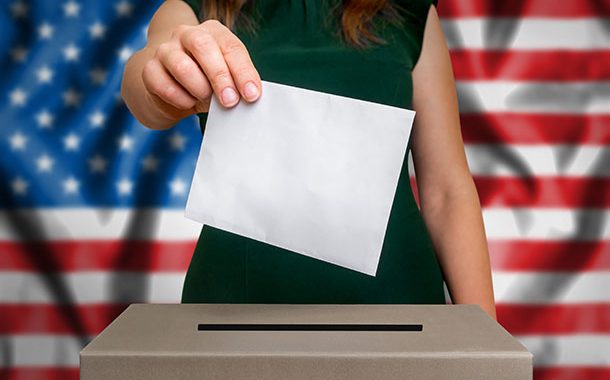
Imagine
an
election
whose
outcome
doesn’t
just
determine
the
next
two
years,
but
the
next
decade.
One
where
not
just
voting
rights,
reproductive
rights,
and
civil
rights
—
but
democracy
itself
—
is
on
the
line,
and
candidates’
rulings
have
implications
for
the
next
several
election
cycles,
and
the
state’s
once-in-a-decade
census
and
redistricting.
One
with
notoriously
low
turnout,
but
historically
high
stakes.
Unless
you
live
in
Pennsylvania
(and
even
if
you
do),
you
may
not
know
a
judicial
election
is
happening
right
now.
Alongside
other
critical
races
in
Virginia,
New
Jersey,
and
California,
voters
head
to
the
polls
through
November
4,
2025.
Off-year
elections
are
typically
sleepy
affairs.
But
before
we
approach
the
sexier
midterm
elections
in
2026,
we
must
ensure
three
Pennsylvania
Supreme
Court
justices
—
Kevin
Dougherty,
Christine
Donohue,
and
David
Wecht
—
are
retained
for
another
10-year
term,
especially
since
election
matters
will
come
before
their
court
in
2026.
Retention
is
reelection
for
a
second
10-year
term:
but,
rather
than
face
Republican
opponents,
voters
vote
“yes”
to
keep
judges
on
the
bench
if
they
upheld
their
oaths
and
fairly,
impartially
interpreted
the
Constitution.
Judges
are
typically
retained,
mostly
because
voters
don’t
know
who
they
are
or
why
they’d
vote
“no.”
But
these
are
also
low-information
elections,
and
judicial
races
are
on
the
back
of
Pennsylvanians’
ballots,
meaning
eligible
voters
might
not
vote
at
all.
We’ve
endured
nearly
a
year
of
federal
abuses
of
power
—
from
the
dismantling
of
federal
agencies
to
weaponizing
the
Justice
Department
against
perceived
enemies
—
in
part
because
too
many
people
didn’t
vote
in
2024.
Now,
everything
we
care
about
is
on
the
ballot
again
this
fall,
with
greater
urgency.
Voters
have
another
opportunity
to
get
this
right.
Whether
you
care
about
voting
rights,
reproductive
rights,
the
environment,
or
public
education
—
the
Pennsylvania
Supreme
Court,
like
other
state
courts,
is
the
backstop
for
democracy,
and
a
bulwark
against
autocracy
and
federal
overreach.
Pennsylvania’s
Supreme
Court
has
the
final
say
on
Pennsylvania
law.
So,
here
are
a
few
areas
where
the
justices
have
vindicated
Pennsylvanians’
rights
over
the
past
10
years.
Voting
Rights
The
Justices
strengthened
voting
rights
across
Pennsylvania
by
protecting
mail-in
voting
and
drop
boxes
—
including
during
the
COVID-19
pandemic
—
and
ensuring
ballots
cannot
be
discarded
due
to
signature
mismatch
or
slow
mail
service.
Voters
are
literally
voting
for
the
judges
who
decide
whether
their
votes
count.
Partisan
gerrymandering
is
in
the
news
now:
Pennsylvanians
fought
this
nearly
a
decade
ago.
Back
in
2018,
Pennsylvania
had
the
most
gerrymandered
congressional
map
in
the
country:
the
delegation
had
13
Republicans
and
just
five
Democrats,
even
though
Pennsylvania
had
nearly
1
million
more
registered
Democrats.
As
many
as
1
million
Pennsylvanians’
voices
did
not
count.
Beyond
that,
some
districts
were
barely
contiguous:
Republicans’
brazen
map-drawing
efforts
created
GOP-held
districts
where
as
little
as
a
parking
lot
connected
parts
of
the
district.
One
well-known
example
is
a
district
resembling
Goofy
kicking
Donald
Duck.
The
Pennsylvania
Supreme
Court
held
this
obscenely
gerrymandered
map
unconstitutional:
Pennsylvania
went
from
the
most
gerrymandered
map
in
the
U.S.,
to
the
fairest.
The
new
map
had
nine
Democrats
and
nine
Republicans
(Democrats
have
since
lost
one
seat):
this
ruling
is
the
reason
Congresswomen
Madeleine
Dean
and
Mary
Gay
Scanlon
represent
Montgomery
County.
Judicial
elections
have
consequences
far
beyond
one
race
or
election
year:
judges’
rulings
have
decades-long
implications
for
fair
and
equal
representation,
and
whether
the
rights
guaranteed
in
theory
by
our
Constitution
can
be
realized
in
practice.
Free
and
fair
elections
are
on
the
line:
this
election
could
determine
the
outcomes
of
the
2026
midterm
elections,
2028
presidential
election,
and
2030
census
and
redistricting.
Election
integrity
is
a
state
issue:
voting
rights
will
come
before
the
court
in
2026
and
2028.
Republicans
are
warming
up
for
2026
by
challenging
voting
laws
across
Pennsylvania,
and
nationwide.
Judicial
elections
don’t
just
affect
Pennsylvania:
dozens
of
states
elect
some
judges.
Just
last
year,
North
Carolina
Supreme
Court
Justice
Allison
Riggs’
election
extended
six
months
beyond
Election
Day
due
to
Republican
lawsuits.
And
we’re
all
affected
by
the
makeup
of
Congress
—
it’s
why
Texas,
California,
and
other
states
are
gerrymandering
right
now,
trying
to
offset
each
other.
Frankly,
whether
Pennsylvania’s
four
flippable
congressional
districts
are
competitive
in
2026
—
and
whether
every
voter’s
ballot
counts
—
starts
with
ensuring
Pennsylvania
has
a
Democratic
Supreme
Court
to
uphold
the
rule
of
law
if
those
elections
are
challenged
in
court.
Reproductive
Rights
Even
after
the
U.S.
Supreme
Court
gutted
Roe
v.
Wade,
Pennsylvanians
still
have
a
constitutionally
protected
right
to
abortion.
In
Allegheny
Health,
the
Pennsylvania
Supreme
Court
held
that
the
use
of
state
Medicaid
funds
to
cover
men’s
health
services,
but
not
women’s
reproductive
health
services,
was
unconstitutional
sex
discrimination,
pursuant
to
Pennsylvania’s
Equal
Rights
Amendment.
Environment
The
Pennsylvania
Constitution,
unlike
the
U.S.
Constitution,
guarantees
an
environmental
right.
Pennsylvanians
have
more
rights
than
the
federal
Constitution
affords.
But
ensuring
clean
air
and
clean
water
rests
upon
having
justices
to
safeguard
them.
Public
Education
Pennsylvania’s
Supreme
Court
safeguarded
Pennsylvanians’
right
to
a
free
and
fair
public
education.
A
2023
ruling
held
Pennsylvania’s
school
funding
system
unconstitutional
and
affirmed
the
constitutional
right
to
a
quality
public
education,
regardless
of
zip
code.
Despite
the
dismantling
of
the
U.S.
Department
of
Education,
Democratic
justices
can
deflect
federal
assaults
on
public
education.
What
happens
if
the
justices
are
not
retained?
Pennsylvania
currently
has
a
5-2
majority
Democrat
Supreme
Court.
If
three
justices
aren’t
retained,
the
court
will
remain
2-2
until
at
least
2027.
The
court’s
work,
and
justice,
will
grind
to
a
halt.
That’s
because,
while
the
state’s
Democratic
governor,
Josh
Shapiro,
can
appoint
new
nominees,
they
need
to
be
confirmed
by
the
Senate.
Pennsylvania’s
Republican-held
Senate,
which
has
refused
to
pass
a
state
budget
for
more
than
100
days
to
prevent
Democratic
strongholds
from
receiving
public
transportation
funding,
will
not
confirm
those
nominees.
Slow
justice
is
no
justice.
As
we’ve
observed
in
the
federal
courts
since
the
government
shutdown,
we
can
expect
similar,
magnified
effects
if
Pennsylvania’s
Supreme
Court
loses
three
of
its
seven
justices
for
two
whole
years.
Republicans
are
trying
to
defang
the
courts
for
ruling
against
their
perceived
interests
(and
in
favor
of
democracy
and
expanded
rights
for
Pennsylvanians)
over
the
past
decade.
We
should
care
as
much
about
who
judges
are
as
people
as
we
do
about
their
rulings.
Judges’
lived
experiences
influence
their
decision-making,
often
leading
to
better,
fairer
outcomes
for
litigants.
Impartial
justice
doesn’t
mean
indifference.
So,
who
are
these
jurists?
Justice
Dougherty
began
his
judicial
career
in
family
court,
where
he
spearheaded
an
innovative,
statewide
Autism
and
the
Courts
initiative,
as
well
as
a
diversion
program
so
fewer
children’s
futures
were
derailed
by
criminal
records.
His
colleague
Justice
Donohue
is
the
daughter
of
a
coal
miner
and
a
seamstress,
and
the
first
Pennsylvania
state
Supreme
Court
justice
with
a
state
school
degree:
she
brings
that
humility
to
the
bench.
And
their
colleague
Justice
Wecht
initiated
a
five-point
plan
to
foster
judicial
ethics
and
transparency
in
the
courts.
As
someone
who
has
seen
the
best
and
worst
of
judges’
conduct
behind
the
bench,
these
are
exactly
the
type
of
jurists
we
want
on
the
bench.
The
stakes
couldn’t
be
higher.
As
I
explained
during
Montgomery
County’s
No
Kings
rally
earlier
this
month,
if
you’re
concerned
about
federal
overreach,
creeping
autocracy,
and
whether
we’ll
have
free
and
fair
elections
in
2026
and
2028,
state
supreme
courts
are
one
of
the
most
important
backstops
for
democracy.
Election
integrity
is
a
state
issue:
challenges
to
voting
provisions,
such
as
mail-in
ballots,
drop
boxes,
signature
mismatch,
voter
ID,
and
ballot
curing
and
provisional
ballots,
just
to
name
a
few
—
will
likely
come
before
the
courts
again.
Pennsylvania
Republicans
have
consistently
challenged
voting
laws:
this
will
crescendo
during
the
2026
midterms,
since
Pennsylvania
is
a
key
battleground
state
with
at
least
four
flippable
districts
in
play.
And,
the
specific
issue
of
partisan
gerrymandering
may
come
before
the
courts.
Jeffrey
Yass,
the
richest
man
in
Pennsylvania
(Pennsylvania’s
Elon
Musk),
has
poured
millions
of
dollars
into
a
misleading
“Vote
No”
campaign
targeting
every
mail-in
voter
in
the
Commonwealth.
Because
he
recognizes
the
stakes.
Justice
Wecht
called
these
mailings
“outright,
brazen
misrepresentation”
and
“probably
the
most
shameless
political
ad
I’ve
ever
seen.”
Our
courts
shouldn’t
be
for
sale.
Why
should
you
care
about
Pennsylvania’s
Supreme
Court
election
if
you’re
not
a
Pennsylvania
voter?
Not
just
because
the
outcome
of
this
election
will
be
a
bellwether
for
the
2026
midterms
and
2028
presidential
election
—
and
our
democracy.
But
also,
because
what’s
happening
in
Pennsylvania
—
and
recently
in
Wisconsin’s
and
North
Carolina’s
judicial
elections
—
will
happen
elsewhere.
Increasingly,
wealthy
interests
attempt
to
buy
our
courts.
Republicans
have
long
understood
the
importance
of
the
courts,
much
more
than
Democrats.
They’ve
invested
time
and
money
grooming
candidates
to
run
for
and
serve
in
judicial
offices.
As
someone
who
cares
deeply
about
ensuring
fair,
accountable,
and
ethical
courts,
and
who
works
almost
as
hard
to
keep
good
jurists
on
the
bench
as
to
hold
abusive
ones
accountable,
I
know
the
stakes
could
not
be
higher
this
November.
Voting
“yes”
to
retain
Justices
Dougherty,
Donohue,
and
Wecht
is
a
vote
for
the
rule
of
law.
These
justices
protected
democracy
when
it
was
tested,
including
during
a
global
pandemic
—
ensuring
our
votes
were
our
voices,
even
when
we
were
quarantined
in
our
houses.
At
a
time
when
democracy
is
under
grave
threat,
casting
your
ballot
is
a
small
but
consequential
way
to
ensure
state
courts
can
continue
serving
as
a
bulwark
against
autocracy.
Aliza
Shatzman
is
the
President
and
Founder
of The
Legal
Accountability
Project,
a
nonprofit
aimed
at
ensuring
that
law
clerks
have
positive
clerkship
experiences,
while
extending
support
and
resources
to
those
who
do
not.
She
regularly
writes
and
speaks
about
judicial
accountability
and
clerkships.
Reach
out
to
her
via
email
at [email protected] and
follow
her
on
Twitter
@AlizaShatzman.
On
Friday
morning,
lawyers
from
Weil
Gotshal
and
Steptoe,
facing
off
in
WarnerMedia
Network
Sales
v.
DISH
Network
L.L.C.,
will
convene
at
the
Southern
District
of
New
York
courthouse
for
a
morning
meeting
with
Judge
Arun
Subramanian.
It’s
your
standard,
sign-of-our-times
media
feud:
Warner
has
a
deal
allowing
DISH
to
air
Warner
programming,
but
DISH
packaged
some
of
that
content
so
it
could
be
purchased
on
a
day-to-day
or
week-to-week
basis
through
SlingTV
and
Warner
isn’t
happy
about
it.
It’s
a
“can
the
roommate
keep
using
the
Netflix
account
we
got
for
the
house?”
situation
ramped
up
to
corporate
boardroom
level.
A
Friday
hearing
is
pretty
normal.
But
Friday
is
Halloween,
so
the
judge
has
one
special
trick
for
the
parties.
Here’s
the
thing
about
the
words
“Costumes
optional.”
It
may
seem
“optional,”
but
that
reads
a
whole
lot
like
a
dare.
Do
you
want
to
show
up
in
business
attire
when
the
other
side
agreed
to
the
judge’s
whimsical
invitation?
Is
there
some
junior
associate
at
Weil
billing
.3
to
“Trip
to
Spirit
Halloween”
for
a
David
S.
Pumpkins
suit
right
now?
The
odds
are
probably
right
around
the
same
as
an
appearance
of
the
Great
Pumpkin.
That
said,
if
any
litigation
could
bring
out
a
little
lawyer
cosplay,
it
would
be
one
involving
media
companies.
We
reached
out
to
both
Weil
and
Steptoe
to
ask
if
they
had
any
reaction
to
the
order,
but
have
not
heard
back.
We
will
update
if
either
decides
on
a
costume.
To
demonstrate
the
parties’
good
faith
negotiation
powers,
maybe
the
lead
attorneys
could
coordinate
and
arrive
in
a
Vincent
Gambini
maroon
tuxedo
and
an
Elle
Woods
pink
Jackie
Kennedy
outfit?
Unfortunately,
My
Cousin
Vinny
is
a
20th
Century
Fox
production
and
it
might
be
more
gauche
than
the
tuxedo
for
Warner’s
attorney
to
show
up
as
a
rival
studio’s
character.
We’ve
all
heard
the
hype
about
artificial
intelligence’s
capabilities
to
do
the
heavy
lifting
in
the
legal
world,
but
a
recent
faceplant
by
a
Biglaw
firm
shows
how
far
we
still
have
to
go.
In
yet
another
case
of
an
attorney
failing
to
check
the
work
performed
by
AI,
Gordon
Rees
—
a
firm
that
brought
in
$759,869,000
gross
revenue
in
2024,
putting
it
at
No.
71
on
the
Am
Law
100
—
found
itself
apologizing
profusely
to
a
judge
and
all
parties
affected,
saying
its
attorneys
were
“profoundly
embarrassed”
after
submitting
a
bankruptcy
filing
that
was
riddled
with
“inaccurate
and
non-existent
citations.”
Reuters
has
additional
details
on
this
benchslap
brought
on
by
an
AI-handicapped
court
filing:
Gordon
Rees
and
some
of
its
lawyers
submitted
the
filings
ahead
of
a
hearing
scheduled
for
Tuesday
before
U.S.
Bankruptcy
Judge
Christopher
Hawkins
in
Montgomery[,
Alabama].
Hawkins
in
August
had
asked
the
firm
and
Cassie
Preston,
the
lawyer
representing
creditor
Progressive
Perfusion,
to
explain
why
they
should
not
be
sanctioned
after
submitting
a
filing
with
what
the
judge
called
“pervasive
inaccurate,
misleading,
and
fabricated
citations,
quotations,
and
representations
of
legal
authority.”
Gordon
Rees
—
a
firm
with
1,800
lawyers
that
has
an
office
in
every
state
in
the
country
—
is
now
one
of
the
largest
law
firms
(joining
K&L
Gates
on
this
front)
to
face
potential
sanctions
over
the
misuse
of
AI.
In
response
to
the
court’s
order
to
show
cause,
Preston
said
that
while
she
“did
not
personally
use
generative
AI
to
prepare
the
filing,
she
was
aware
that
generative
AI
was
used.”
She
went
on
to
ask
that
the
court
“show
mercy,”
further
stating
that
“[t]here
can
be
little
doubt
that
[she
would]
lose
her
job
and
source
of
income
for
her
family
because
of
her
actions
in
this
matter.”
At
this
time,
Preston’s
profile
is
still
available
on
the
Gordon
Rees
site.
For
its
part,
Gordon
Rees
said
it
had
updated
its
AI
policies
to
include
a
“cite
checking
policy,”
and
would
accept
any
sanctions
the
court
imposed.
This
should
be
a
cautionary
tale
for
all
lawyers
and
law
firms
—
artificial
intelligence
can
certainly
speed
things
up,
but
it
can
in
no
way
replace
the
fundamentals
of
law
practice.
Robust
human
oversight
is
still
needed
when
it
comes
to
AI
usage,
because
as
Gordon
Rees
just
learned,
when
you
submit
something
to
a
judge,
it
needs
to
be
based
in
fact,
not
hallucination.
Staci
Zaretsky is
the
managing
editor
of
Above
the
Law,
where
she’s
worked
since
2011.
She’d
love
to
hear
from
you,
so
please
feel
free
to
email
her
with
any
tips,
questions,
comments,
or
critiques.
You
can
follow
her
on Bluesky, X/Twitter,
and Threads, or
connect
with
her
on LinkedIn.
It
kind
of
seems
that
way.
Not
only
is
the
richest,
most
influential
female
rock
star
in
the
world
hinting
in
her
latest
album
that
she’s
ready
to
hang
it
up
for
life
as
Mrs.
Travis
Kelce
(they’ve
been
spotted house
hunting
in
the
suburbs
of
Ohio,
of
all
places),
but
some
worrisome
data
on
women
in
the
American
workforce
has
come
out.
According
to
the
US
Bureau
of
Labor
Statistics, women
are
dropping
out of
the
job
market
in
notable
numbers.
In
the
last
year,
over
600,000
women
abandoned
ship
(from
a
participation
rate
of
57.7%
in
2024
to
56.9%
this
year).
That’s
a
huge
deal,
reports
the
Economist,
marking
the biggest
rise in
the
male-female
participation
gap
since
the
1950s.
Even
more
concerning:
it’s
women
with
college
or
higher
degrees
and
young
children
who
are
responsible
for
this
decline,
says
a new
study by
KPMG.
Though
these
young
women
had
been
driving
the
record
participation
of
prime-age
women
in
the
US
economy,
those
gains
began
to
erode
in
late
2023,
dropping
by
2.30%
by
August
2025.
During
the
same
period,
college-educated
men
with
young
children
saw
their
participation
rate
in
the
workplace
rise
by
0.31%.
This
is
puzzling.
Because
just
when
we
thought
that
women
were
unstoppable
(remember,
they’re
the majority in
colleges,
law
schools,
and
medical
schools),
they’re
instead
losing
ground.
What
is
going
on?
The
female
stigma
is
back!
“I
think
that
a
big
reason
for
the
exodus
of
women
from
the
workforce
is
the
insistence
by
many
employers,
including
legal
employers,
that
employees
work
in
the
office
rather
than
providing
them
with
the
flexibility
to
work
from
home
and
utilize
hybrid
work
schedules,” Roberta
(“Bobbi”)
Liebenberg,
the
co-author
of
a
2023 American
Bar
Association
study
on
parents,
tells
me.
Though
flexible
working
arrangements
gained
steam
during
Covid,
companies
and
law
firms
now
require
employees
work
in
the
office
four
or
five
days
a
week,
which
“means
we
are
reverting
back
to
where
we
were
before
the
pandemic
started,”
says
Liebenberg.
“Just
as
in
the
past,
women
with
children
who
work
from
home
will
be
stigmatized
and
their
ability
to
advance
and
succeed
will
be
impeded.”
Then
there’s
the childcare
crunch,
worsened
by
the
crackdown
on
immigrants.
“An
estimated
one-fifth
of
childcare
workers
overall
are
immigrants,
including
one-fourth
in
center-based
daycares,”
reports
the
KPMG
study.
To
top
it
off, childcare
costs have
exploded.
KPMG
finds
that
prices
for
daycare
and
preschool
have
increased
roughly
twice
as
fast
as
overall
inflation,
with
parents
often
spending
20–30%
of
their
income
on
childcare
alone.So
all
things
considered,
why
shouldn’t
women
throw
in
the
towel
and
stay
home
with
the
kids?
Fact
is,
this
country
has
never
made
it
easy
for
parents,
especially
moms,
to
work.
The
United
States
stands
alone
among
developed
countries
in
providing
no
federally
guaranteed
paid
leave
for
new
parents.
As
for
state-sponsored
childcare,
forget
about
it.
While
government
subsidized
childcare
is
common
throughout
western
Europe,
here
it’s
regarded
as
a
socialist
fantasy
–
something
that
the
radical
likes
of
Zohran
Mamdani
would propose.
So
is
it
the
lack
of
flexibility
or
the
shortage
of
childcare
that’s
pushing
women
to
the
brink?
For
professional
women,
it’s
the
hostility.
“I
think
for
less
educated
women,
the
cost
of
childcare
is
a
major
factor,” Joni
Hersch,
a
professor
of
law
and
economics
at
Vanderbilt
University,
tells
me.
“But
for
more
educated
women,
it’s
the
hostility.
There’s
now
an
attack
on
professional
women,
and
it’s
become
acceptable
to
say
things
that
denigrate
women.”
Normalizing
that
disrespect,
Hersch
adds,
are
people
in
power,
such
as
Pete
Hegseth,
JD
Vance,
and
Donald
Trump.
The
backlash
against
flexible
work
is
another
sign
of
the
hostility.
“There’s
a
rollback
on
anything
that’s
supportive
of
women,”
says
Hersch.
“What
I’ve
found
in
my
research
is
that
men
have
always
had
more
flexibility
because
the
better
jobs
tend
to
be
more
flexible
anyway.
During
the
work-from-home
period,
women
were
starting
to
catch
up;
now,
we’re
at
the
margins
again.”
But
are
there
also
larger
cultural
factors
at
play
that
are
driving
women
from
the
workplace?
Men
are
living
like
their
grandfathers.
In
a
new
book, Having
It
All:
What
Data
Tells
Us
About
Women’s
Lives
and
How
to
Get
the
Most
Out
of
Yours,
Wharton
School
professor Corinne
Low argues
that
women
have
been
getting
a
raw
deal
at
work
and
at
home.
Though
they’ve
made
big
strides
in
the
workplace,
women
still
shoulder
most
of
the
childcare
and
home
responsibilities.
Even
for
women
in
high-pressure
jobs,
the
imbalance
is
stark:
according
to
the 2023
ABA
study,
65%
of
mothers
vs.
only
7%
of
fathers
arranged
for
childcare.
“If
you
understand
women
entering
the
labor
force
as
a
gender
revolution
that
came
in
and
changed
our
attitudes
about
women’s
role
in
society,
then
of
course,
men’s
role
would
change,
too,”
Low told The
Guardian.
However,
“there
was
no
force
acting
on
men
requiring
them
to
do
something
different.”
In
other
words,
while
women
have
contorted
themselves
over
the
decades
to
adapt
to
the
male
workplace
while
running
the
home,
men
have
had
lives
more
or
less
the
same
as
their
grandfathers.
Are
our
daughters
feminists?
And
though
this
generation
of
young
women
were
told
by
their
mothers
that
it’s
vital
to
be
independent
(I
always
preach
to
my
daughters,
keep
working
and
depend
on
no
man),
that
message
might
not
be
resonating.
As
Low
puts
the
takeaway:
“Your
moms
are
really
stressed
out.
Wouldn’t
it
be
nice
to
not
be
so
stressed
out?”
Is
that
why
the
tradwife
thing
seems
to
be
gaining
traction?
Because
it’s
easier,
less
fraught,
and
more
fun?
After
all
the
hard
work
we’ve
done
to
pave
the
way
for
our
daughters
–
storming
the
doors
of
male
educational
institutions
and
bro-dominated
professions
–
they
just
want
to
be
June
Cleaver
living
the
suburban
dream?
Where
did
we
go
wrong?
But
perhaps
we’re
overreacting.
For
one
thing,
women’s
progress
hasn’t
been
linear.
Women’s
participation
in
the
workforce
jumped
dramatically
from
the
1960s
to
the
1980s,
peaking
at
60%
in
1999.
But
in
this
century,
it
hit
a
low
in
2015
of
56.7%,
before
reaching
a
post-covid
high
of
57.7%.
Maybe
women
will
return.
The
Economist
offers
some
comfort,
floating
the
theory
that
this
most
recent
dip
is
temporary.
“The
fall
seems
to
reflect
a
rise
in
the
number
of
young
mothers,”
says
the
UK
publication.
With
a
surge
of
pandemic-delayed
weddings
in
2022,
the
resulting
baby
boom
may
simply
mean
many
new
moms
are
taking
time
off.
“In
some
senses,
this
is
good
news:
many
will
return
to
work
after
maternity
leave,”
it
says
cheerfully.
But
will
they,
now
that
we
live
in
a
return-to-the-office
and
tradwife
era?
Hersch
isn’t
convinced
by
the
tradwife
hype
but
is
wary
about
what
comes
next.
“I
think
they
will
come
back,”
Hersch
says
about
the
most
recent
crop
of
women
who’ve
dropped
out.
“But
returning
to
the
labor
force
years
later
is
a
different
experience.
What
we
see
in
European
countries
that
have
long
parental
leaves
is
that
it
doesn’t
help
women’s
careers.
The
hiatus
will
help
get
them
back
to
work
but
it
won’t
help
with
their
earnings.”
Liebenberg
makes
a
similar
point
about
women
who
leave
Biglaw.
“Women
will
continue
to
be
underrepresented
in
equity
partner
ranks
and
positions
of
leadership,”
she
says.
“We
have
seen
this
movie
before,
and
it
is
distressing.”
We’ve
seen
this
movie
like
a
thousand
times.
Because
it
seems
no
matter
how
many
women
fill
the
ranks
of
higher
education
and
the
professions,
we
are
always
playing
catch
up.
But
I
hate
to
leave
on
such
a
dour
note.
So
here’s
my
remix:
Swift
will
get
her
driveway
and
her
hoop
—
and
still
rule
her
billion-dollar
empire.
At
least
in
Taylor’s
version,
everything
works
out
just
fine.
Vivia
Chen writes “The
Ex-Careerist” column
on
Substack
where
she
unleashes
her
unvarnished
views
about
the
intersection
of
work,
life,
and
politics.
A
former
lawyer,
she
was
an
opinion
columnist
at
Bloomberg
Law
and
The
American
Lawyer.
Subscribe
to
her
Substack
by
clicking
here:
Being
suspicious
of
kings
isn’t
just
the
motivation
for
trendy
protests,
it
is
a
value
that
goes
to
the
heart
of
American
values.
That’s
part
of
the
reason
that
we
have
the
22nd
Amendment.
Whether
or
not
you
think
FDR’s
terms
were
good
or
bad
for
the
country,
there’s
a
general
consensus
that
FDR
being
elected
president
four
times
was
two
times
too
many
—
there’s
a
point
where
presidential
terms
risk
becoming
longstanding
reigns
without
some
convenient
cut-off
mechanism.
Under
normal
circumstances,
that
enshrined
constitutional
value
would
prevent
ego-driven
reality
TV
stars
from
setting
up
shop
for
too
long
in
the
White
House.
Unfortunately
we
aren’t
under
normal
circumstances.
Things
are
so
weird
that
DOJ
lawyers
seem
to
just
take
it
as
a
given
that
Trump
will
be
serving
a
third
time.
Bloomberg
Law
has
coverage:
Lawyers
arguing
Monday
in
front
of
a
Sixth
Circuit
panel—including
one
Justice
Department
attorney—made
apparent
references
to
President
Donald
Trump
serving
a
third
term,
after
the
president
said
that
he’d
“love”
to
run
for
one.
Attorney
Robert
J.
Olson
first
told
the
three
judges
on
the
Cincinnati-based
court
that
a
new
administration
will
be
in
place
“in
three
years
or
in
seven
years.”
Then,
when
DOJ
attorney
Sean
R.
Janda
argued,
he
repeated
a
variation
of
that
line,
talking
about
a
change
that
may
occur,
“as
my
friend
on
the
other
side
said,
three
years
in
the
future
or
seven
years
in
the
future.”
None
of
the
judges
pressed
either
attorney
on
those
statements.
Not
to
tell
an
honorable
judicial
panel
how
to
do
their
job
or
anything,
but
that
would
have
been
a
great
time
to
interrupt
and
point
at
the
22nd
Amendment
in
your
well-read
and
readily
available
pocket
Constitution!
Not
one
of
them
raised
a
hand
or
asked
for
clarification?
Goes
to
show
it
pays
to
pay
attention
to
talking
heads
and
alt-right
strategists
—
this
administration’s
gap
between
fantasy
and
policy
is
rapidly
shrinking.
Remember
the
Fox
News
interviewer
playfully
hinting
at
the
22nd
Amendment’s
black-and-white
language
having
a
bit
of
wiggle
room?
Or
Steve
Bannon’s
matter-of-fact
statement
that
there
are
ways
to
deal
with
the
22nd
Amendment?:
Open
defiance
of
the
Constitution
is
something
judges
should
nip
in
the
bud
instead
of
letting
lawyers
carry
on
as
if
nothing
controversial
happened.
Chris
Williams
became
a
social
media
manager
and
assistant
editor
for
Above
the
Law
in
June
2021.
Prior
to
joining
the
staff,
he
moonlighted
as
a
minor
Memelord™
in
the
Facebook
group Law
School
Memes
for
Edgy
T14s
.
He
endured
Missouri
long
enough
to
graduate
from
Washington
University
in
St.
Louis
School
of
Law.
He
is
a
former
boatbuilder
who
is
learning
to
swim, is
interested
in
critical
race
theory,
philosophy,
and
humor,
and
has
a
love
for
cycling
that
occasionally
annoys
his
peers.
You
can
reach
him
by
email
at [email protected]
and
by
tweet
at @WritesForRent.
It’s
Monday
morning
at
a
busy
healthcare
provider.
The
accounts
payable
(AP)
team
is
knee-deep
in
invoices
from
medical
supply
vendors,
payroll
approvals,
and
urgent
requests
from
department
heads.
Amid
the
flood
of
emails,
one
message
stands
out:
a
trusted
supplier
is
updating
their
bank
account
details
and
needs
the
change
made
before
the
next
payment
run.
The
request
looks
completely
legitimate
–
the
supplier’s
logo
is
there,
the
email
address
looks
right,
and
the
message
mentions
an
ongoing
order
for
lab
equipment.
Pressed
for
time,
the
AP
specialist
enters
the
new
bank
account
details
and
moves
on.
Two
weeks
later,
the
supplier
calls
asking
why
payments
have
stopped.
Only
then
does
the
team
realize
that
they’ve
been
sending
thousands
of
unrecoverable
dollars
to
a
fraudster.
What
seemed
like
a
simple
“to-do”
has
turned
into
a
crisis
that
could
have
been
avoided
with
stronger
practices
for
verifying
bank
account
change
requests.
Why
phony
bank
account
change
requests
are
harder
to
detect
At
first
glance,
bank
account
change
requests
don’t
seem
like
a
major
risk
–
after
all,
suppliers
update
their
details
all
the
time.
But
fraudsters
have
learned
that
AP
departments,
especially
in
healthcare,
are
often
stretched
thin,
with
limited
bandwidth
to
double-check
updates.
This
makes
bank
account
change
requests
a
prime
attack
vector.
They’re
routine
enough
to
avoid
raising
suspicion,
but
if
successful,
can
reroute
funds
straight
into
a
criminal’s
account.
Fraudsters
are
more
sophisticated
than
ever.
Their
requests:
Mimic
real
communications.
Attackers
use
spoofed
email
addresses
or
compromise
legitimate
ones,
making
messages
nearly
indistinguishable
from
actual
supplier
correspondence.
These
fraudulent
emails
often
contain
the
right
logos,
formatting,
and
even
writing
style,
which
can
fool
even
experienced
AP
staff.
As
cybercriminals
refine
their
tactics,
traditional
methods
of
spotting
typos
or
unusual
phrasing
are
no
longer
reliable.
Exploit
urgency
and
trust.
Requests
often
come
with
a
tight
deadline
or
reference
senior
executives,
pushing
AP
teams
to
act
quickly
without
scrutiny.
Fraudsters
know
that
healthcare
organizations
prioritize
patient
care
and
supplier
relationships,
so
they
create
pressure
to
make
the
request
feel
legitimate.
This
tactic
plays
on
human
behavior,
creating
an
environment
where
AP
and
finance
staff
feel
they
cannot
delay
or
question
the
change.
Leverage
complexity.
With
thousands
of
vendors,
staff
struggle
to
know
every
contact,
making
fraudulent
requests
easier
to
slip
through.
Fraudsters
exploit
this
complexity
by
targeting
suppliers
who
are
less
frequently
engaged,
assuming
staff
won’t
recognize
the
difference.
The
larger
and
more
decentralized
the
organization,
the
higher
the
risk
of
a
fake
request
being
overlooked.
Bypass
traditional
checks.
Simple
callbacks
aren’t
enough
when
fraudsters
spoof
phone
numbers
or
impersonate
known
contacts.
In
some
cases,
they
even
gain
access
to
legitimate
email
accounts,
meaning
a
callback
to
the
“usual”
contact
still
ends
up
in
the
fraudster’s
hands.
This
creates
a
false
sense
of
security,
leaving
AP
teams
exposed
to
fraud
risk.
Best
practices
that
make
the
difference
The
good
news
is
that
healthcare
organizations
don’t
have
to
stay
vulnerable.
By
adopting
stronger,
more
consistent
best
practices,
AP
and
finance
leaders
can
make
it
harder
for
fraudsters
to
succeed.
These
aren’t
just
“nice-to-have”
safeguards
–
they’re
key
defenses
in
a
world
where
cybercriminals
are
actively
targeting
healthcare
providers
for
their
high
transaction
volumes.
Here
are
best
practices
that
can
help
safeguard
an
organization
from
phony
account
change
requests:
Always
validate
outside
the
request
channel.
Never
trust
emails
or
forms
alone.
Verify
changes
through
a
separate,
trusted
contact
method.
If
a
request
comes
by
email,
use
the
phone
and
call
a
known,
verified
contact
number,
not
the
one
on
the
request.
This
step
can
feel
small
but
it’s
often
the
difference
between
stopping
fraud
and
losing
funds.
Use
multi-level
approvals.
Require
a
second
set
of
eyes
for
all
bank
account
changes,
especially
for
large
or
sensitive
suppliers.
Second
reviewers
often
catch
details
the
first
person
overlooked,
especially
when
pressure
or
urgency
is
being
applied.
This
added
control
creates
accountability
and
reduces
the
chance
of
a
single
error
leading
to
major
losses.
Maintain
centralized
supplier
records.
Keep
current,
verified
contact
details
in
a
secure
system
so
staff
always
know
the
right
person
to
call.
A
centralized
database
reduces
reliance
on
memory,
sticky
notes,
or
outdated
spreadsheets,
which
are
prime
sources
of
error.
By
keeping
supplier
data
current,
you
make
it
far
harder
for
fraudulent
details
to
sneak
through.
Educate
AP
and
finance
staff.
Regular
training
ensures
employees
recognize
red
flags
and
resist
urgency
tactics.
Training
should
include
real-world
examples
of
fraudulent
requests
to
help
staff
develop
instincts
for
spotting
suspicious
behavior.
Empowered
employees
are
more
likely
to
question
unusual
requests
and
escalate
them
for
proper
review.
Adopt
automated
bank
account
verification
tools.
Technology
can
remove
human
error
from
the
equation
and
scale
protection
as
an
organization’s
supplier
base
grows.
Automated
tools
cross-check
requests
in
real
time
against
authoritative
data
sources,
offering
a
layer
of
defense
that
manual
processes
cannot
consistently
match.
This
gives
finance
leaders
confidence
that
every
request
has
been
rigorously
verified
before
payments
are
altered.
How
automation
helps
stop
fraud
at
the
source
While
best
practices
build
a
strong
foundation,
automated
bank
account
verification
is
what
takes
fraud
prevention
from
reactive
to
proactive.
Healthcare
AP
and
finance
departments
are
managing
hundreds
or
even
thousands
of
transactions
weekly,
and
it’s
not
realistic
to
expect
human
staff
to
manually
verify
every
bank
account
change
request
with
the
same
rigor.
Automation
adds
speed,
scale,
and
consistency
to
the
process,
ensuring
no
fraudulent
request
slips
through
the
cracks.
Automated
bank
account
verification
provides
a
stronger,
faster,
and
more
reliable
safeguard
by:
Instantly
validating
ownership.
Automation
cross-checks
bank
account
details
against
authoritative
data
sources
to
confirm
the
supplier
really
owns
the
account.
This
eliminates
guesswork
and
removes
reliance
on
supplier-provided
documents
that
can
be
easily
falsified.
The
result
is
immediate
clarity
on
whether
the
change
request
is
safe
or
fraudulent.
Reducing
AP
and
finance
workload.
Automation
eliminates
the
need
for
manual
callbacks
or
back-and-forth
communication.
Instead,
AP
staff
can
focus
on
higher-value
tasks
like
analysis
and
reporting.
The
time
savings
alone
can
make
automated
bank
account
verification
pay
for
itself
in
weeks.
Ensuring
consistency.
Automated
bank
account
verification
applies
the
same
standards
to
every
request,
without
relying
on
individual
judgment
or
memory.
Manual
bank
account
verification
leaves
too
much
room
for
human
error,
particularly
when
staff
are
busy
or
under
pressure.
Automation
enforces
uniformity,
making
sure
no
shortcuts
or
oversights
occur.
Creating
an
audit
trail.
Automation
provides
documentation
that
proves
verification
occurred,
essential
for
compliance
and
audits
in
heavily
regulated
healthcare
environments.
This
record
is
invaluable
when
demonstrating
due
diligence
to
regulators
or
auditors.
It
also
helps
protect
your
organization’s
reputation
by
showing
a
strong
commitment
to
security.
A
safer
scenario
with
best
practices
in
place
Contrast
the
earlier
“day
in
the
life”
with
one
where
best
practices
and
automation
are
standard
operating
procedure.
A
phony
request
arrives,
but
this
time
the
system
automatically
flags
the
request
for
verification,
cross-checks
ownership,
and
fails
the
fraudster’s
attempt.
The
AP
team
is
alerted,
funds
remain
safe,
and
the
organization
avoids
a
costly
mistake.
Instead
of
reacting
to
fraud
after
the
fact,
this
healthcare
provider
stays
ahead
of
it
–
safeguarding
its
suppliers,
protecting
its
finances,
and
strengthening
AP’s
role.
Final
thought
Phony
bank
account
change
requests
aren’t
just
another
check
box
on
a
fraud
prevention
list
–
they’re
one
of
the
most
immediate
and
dangerous
threats
facing
healthcare
AP
teams
today. A
single
lapse
can
have
devastating
financial
and
reputational
consequences.
By
combining
staff
vigilance
with
automated
bank
account
ownership
verification,
finance
leaders
can
transform
AP
from
a
vulnerable
target
into
a
strong
first
line
of
defense,
keeping
the
organization
focused
on
patient
care.
Photo:
kentoh,
Getty
Images
Phil
Binkow
is
CEO
of
Financial
Operations
Networks
(FON),
developer
of
VendorInfo,
InvoiceInfo
and
the
Vendor
Information
Management
Center
of
Excellence,
a
leading
suite
of
software-as-a-service
platforms
that
allow
finance
teams
to
onboard,
verify
and
manage
suppliers
with
confidence,
reduce
cost
and
risk
and
strengthen
compliance.
Prior
to
starting
Financial
Operations
Networks,
Phil
founded
and
served
as
CEO
of
PayTECH,
a
leading
electronic
invoice
processing,
disbursements
and
spend
analytics
platform
serving
companies
such
as
Oracle,
Cisco,
the
Gap,
Charles
Schwab,
JP
Morgan
Chase
and
NCR.
Under
Phil
PayTECH
grew
to
process
and
pay
over
100
million
invoices
annually.
In
2002
FON
founded
The
Accounts
Payable
Network
(TAPN),
which
grew
to
become
the
world’s
largest
accounts
payable
training
and
certification
organization.
This
post
appears
through
the MedCity
Influencers
program.
Anyone
can
publish
their
perspective
on
business
and
innovation
in
healthcare
on
MedCity
News
through
MedCity
Influencers. Click
here
to
find
out
how.
*
Kirkland
provides
communications
training
for
lawyers
after
earning
reputation
as
uncooperative.
Weird,
because
the
firm
was
super
cooperative
when
Donald
Trump
asked
them
to
roll
over
and
give
him
free
legal
work.
[Financial
Times]
Furloughed
IRS
Attorney
Sets
Up
Hot
Dog
Stand:
The
menu
is
amazing.
The
DOJ
Got
Caught
Lying
To
The
9th
Circuit:
Will
there
be
any
consequences?
Is
Trump
About
To
Undermine
Protecting
Federal
Informants?:
This
dirty
part
of
dealing
with
El
Salvador
needs
more
spotlight.
Biglaw
Is
Buying
Into
Clio:
Once
the
merger
goes
through,
of
course.
Virginia
Has
A
Case
Against
TikTok:
The
app
doesn’t
seem
to
be
as
kid
friendly
as
it
claims
to
be.