Legal Ethics Roundup: Bullying Ban, Upsolve Overturned, Lawyers Denied In ‘Alligator Alcatraz,’ Limits On DC Judges, Hallucination Sanctions & More – Above the Law


Ed.
note
:
Please
welcome
Renee
Knake
Jefferson
back
to
the
pages
of
Above
the
Law.
Subscribe
to
her
Substack,
Legal
Ethics
Roundup, here.

Happy
Monday!

Hello
from
California!
This
week
I’m
in
the
Bay
Area
participating
in
a
leadership
conference
organized
by Women
Execs
on
Boards
,
an
off-shoot
of Harvard
Business
School’s
Women
on
Boards
,
after
spending
the
weekend
at
the Omega
Institute
 in
upstate
New
York.
(I’m
gathering
lots
of
ideas
for
the
next
edition
of
my
book Law,
Leadership,
and
Pipelines
to
Power
,
co-authored
with Hannah
Johnson
,
the
new
dean
of
Southern
Illinois
University
Simmons
Law
School.)


Half
Moon
Bay,
California
(photo
by
Renee
Jefferson)

But
don’t
worry,
my
coast-to-coast
travel
hasn’t
kept
me
from
following
the
legal
ethics
headlines
and
there
was
plenty
of
news
last
week.
Also
— hot
off
the
press
 

my
latest
article
was
published
by
the Cardozo
Law
Review
 last
week
too.
You
can
download Ethics
Accountability:
The
Next
Era
for
Lawyers
and
Judges
 for free
here
.
(And
yes,
for
my
TS
fans,
the
title
is
a
nod
to
our
favorite
musical
artist.
Counting
the
days
until
10/3!

IYKYK)


Highlights
from
Last
Week –
Top
Ten
Headlines


#1 “US
Appeals
Court
Overturns
Free
Speech
Ruling
for
Legal
Advice
Nonprofit
Upsolve.” 
From Reuters: “A
U.S.
appeals
court
on
Tuesday
set
aside
a
ruling
that
blocked
New
York
from
enforcing
rules
prohibiting
the
unauthorized
practice
of
law
against
a
nonprofit
that
provides
limited
legal
advice
to
poor
people
in
the
state.
The
2nd
U.S.
Circuit
Court
of
Appeals said, the
lower
court
applied
the
wrong
standard
of
review
to
the
rules
when
it decided
in
May
2022
 that
New
York
nonprofit
Upsolve’s
program,
which
trained
people
who
aren’t
lawyers
to
provide
free
legal
advice
to
people
facing
debt-collection
lawsuits,
was
protected
under
the
U.S.
Constitution’s
1st
Amendment.”
Read
more here.
(Full
disclosure:
I
am
part
of
a
group
of
legal
ethics
scholars
who
filed
a
brief
on
behalf
of
Upsolve.
Check
it
out here.)


#2
“Two
Years
of
Fake
Cases
and
the
Courts
are
Ratcheting
up
the
Sanctions.” 
From
the Massachusetts
Office
of
Bar
Council: 
“In
June
2023,
the
U.S.
District
Court
for
the
Southern
District
of
New
York imposed
the
first-ever
sanctions
against
attorneys
for
their
improper
use
of
generative
AI
in
court
pleadings
in
the Mata
v.
Avianca,
Inc.
 case.

In
the
two
years
since Mata,
the
American
Bar
Association
(ABA),
state
ethics
authorities,
and
courts
have
issued
guidance,
opinions,
and
orders
regarding
the
use
of
AI
in
the
practice
of
law.
In
addition
to
the
individual
publications,
legal
information
sites
such
as
LawSites
and
Justia
have
made
many
of
these
resources
easily
accessible
on
their
websites.
Further,
many
bar
associations,
legal
publications,
and
continuing
legal
education
providers
have
provided
guidance,
training,
and
information
on
using
AI
ethically
in
various
types
of
law
practices.
Despite
the
increasing
availability
of
information
relating
to
AI’s
ability
to
generate
fabricated
content,
many
more
lawyers
have
been
sanctioned
by
courts
and
disciplined
by
disciplinary
authorities
for
the
very
same
conduct”
Read
more here.
(H/T Bob
Ambrogi
 on
LinkedIn)


#3
 “Wis.
Judicial
Commission
Sued
Over
Confidentiality
Rules.” 
From Law360: “Two
conservative
groups
have
sued
the
Wisconsin
Judicial
Commission
over
its
policy
of
keeping
all
judicial
misconduct
complaints
strictly
confidential,
claiming
the
policy
violates
the
First
Amendment
and
has
stymied
discussion.”
Read
more here.


#4
“These
fired
DOJ
Lawyers
are
Finding
New
Ways
to
Make
a
Difference.” 
From NPR: “Inside
a
sunny
conference
room
across
the
river
from
Washington,
D.C., Monika
Isia
Jasiewicz
 described
her
unlikely
path
this
year.
It
started
when
she
received
an
invitation
to
the
inauguration
from
her
Yale
Law
School
classmate JD
Vance
.
Less
than
two
weeks
later,
she
and
more
than
a
dozen
other
government
lawyers
who
prosecuted
people
who
stormed
the
U.S.
Capitol
on
Jan.
6,
2021,
received
another
message
from
the
new
Trump
administration.
They
were
fired

by
email.”
Read
more
and
listen here.


#5
“Prof.
Ellen
Yaroshefsky
Signs
Amicus
Briefs
on
Judicial
Guidance
Transparency
and
Free
Speech
Regulation” 
From Hofstra
Law
School: 
“Hofstra
Law
Professor Ellen
Yaroshefsky
,
along
with
seven
other
legal
scholars,
signed
an
amicus
brief
supporting
the
New
York
Civil
Liberties
Union’s
(NYCLU)
request
for
access
to
court
memos
that
provide
judges
with
guidance
on
interpreting
and
applying
legal
precedents
and
statutes.”
Read
more here.


#6
 “’Alligator
Alcatraz’
Detainees
Continue
to
Face
Obstacles
to
Meet
With
Lawyers,
Court
Papers
Allege.” 
From WUSF/NPR/Associated
Press: 
“The
filings
say
detainees
are
often
transferred
just
before
scheduled
lawyer
visits,
denying
them
legal
representation.”
Read
more here.


#7
“Justice
in
Action:
With
ABA
Support,
Colombia
Drafts
a
Declaration
of
Judicial
Ethics” 
From
the ABA
Journal.
 Read
more here.


#8
“Bill
Giving
White
House
More
Control
Of
DC
Judges
Advances.” 
From Law360: “The
House
Oversight
and
Government
Reform
Committee
has
advanced
a
bill
on
party
lines
that
would
abolish
the
commission
in
Washington
D.C.
that
meets
and
picks
potential
judicial
nominees
for
the
district’s
local
courts.”
Read
more here.


#9
“California
Supreme
Court
Disbars
L.A.
Attorney
Who
Misled
and
Overcharged
Inmates.” 
From
the State
Bar
of
California: 
“‘California
attorneys
are
entrusted
with
a
duty
to
act
in
the
best
interests
of
their
clients,’
said Chief
Trial
Counsel
George
Cardona
.
‘By
preying
on
incarcerated
individuals
and
their
families
and
charging
them
unconscionable
fees
for
his
own
personal
gain,
Mr.
Spolin
committed
egregious
misconduct.
His
disbarment
serves
to
protect
the
public
and
maintain
trust
in
the
legal
profession.’”
Read
more here.


#10
 “Ban
on
Bullying
at
the
Bar.” 
From A
Lawyer
Writes
Substack: 
“An
independent
review
of
bullying,
harassment
and
sexual
harassment
of
barristers
in
England
and
Wales
has
recommended
decisive
action
to
protect
the
reputation
of
the
bar
from
the
stain
of
misconduct.”
Read
more here.
And
see
the Financial
Times
 for additional
coverage
:
“Bullying
judges
and
barristers
enjoy
‘culture
of
impunity’,
review
finds.”

Get
Hired

Did
you
miss
the
350+
job
postings
from
previous
weeks?
Find
them
all here.


Upcoming
Ethics
Events
&
Other
Announcements

Did
you
miss
an
announcement
from
previous
weeks?
Find
them
all here.


Keep
in
Touch


News
tips?
Announcements?
Events?
 A
job
to
post?
 Reading
recommendations?
 Email [email protected] –
but
be
sure
to
subscribe
first,
otherwise
the
email
won’t
be
delivered.


Renee
Knake
Jefferson
holds
the
endowed
Doherty
Chair
in
Legal
Ethics
and
is
a
Professor
of
Law
at
the
University
of
Houston.
Check
out
more
of
her
writing
at
the Legal
Ethics
Roundup
.
Find
her
on
X
(formerly
Twitter)
at @reneeknake or
Bluesky
at legalethics.bsky.social

Fox And Friends Talking Head Blurted Out The Grants Pass v. Johnson End Game – Above the Law

We
may
no
longer
be
on
the
cusp
of
civil
war
because
the
main
Charlie
Kirk
shooting
suspect
was
demographically
uncooperative
,”
but
his
shooting
has
manifested
a
widespread
sensitivity
to
the
language
talking
heads
use,
for
fear
that
their
words
may
either
be
“too
insensitive”
or
“incite
violence.”
Take,
for
example,
MSNBC’s
decision
to
fire
Matthew
Dowd
for
daring
to
share
one
of
the
most
violent
and
evil
sentiments
known
to
man

what
goes
around
comes
around:

In
the
same
week,
Fox
and
Friends
anchor
Brian
Kilmeade
casually
suggested
that
being
homeless
and
and
refusing
state
shelter
should
warrant
the
death
penalty:

Just
for
clarity’s
sake

“involuntary
legal
injection”
is
just
a
fancy
way
of
saying
“murder.”
What
was
the
fallout
for
this,
an
actual
call
to
violence
against
a
class
of
vulnerable
people

facing
rising
homicide
rates
?
He
just
said
oopsie
and
got
to
keep
his
job:

Hey,
if
that’s
the
standard
for
forgiveness,
can
Karen
Attiah
get
her
job
back
after
allegedly
“endangering
the
physical
safety
of
colleagues”

for
merely
posting
a
Charlie
Kirk
quote
?

I
think
the
real
difference
is
that
for
many,
Charlie
Kirk’s
life
is
one
that
mattered,
while
the
lives
of
people
who
are
homeless
are
ones
that
burden.
And
while
the
right
are
the
only
ones
openly
advocating
killing
the
homeless,
I
do
wonder
how
far
behind
liberals
are.

Grants
Pass
v.
Johnson

may
have
come
out
of
Oregon,
but
it
isn’t
heartening
to
know
that
in
California,
the
supposed
bastion
of
far-left
lawlessness
and
bleeding
heart
liberals,
Gavin
Newsom
isn’t
above
making
a
photo-op
out
of
destroying
what
little
shelter
these
people
have:

How
far
are
we

really

from
treating
our
homeless

like
our
polite
neighbors
up
north
do
?
The
only
difference
will
be
that
our
government-sponsored
killing
program
won’t
be
rooted
in
an
ever-growing
right
to
die
movement.
It’ll
sprout
from
tough-on-crime
rhetoric
and
NIMBYism.

While
the
case
was
being
argued,
what
should
have
been
one
of
the
most
compelling
arguments
against
the
Court’s
support
of
the
ordinance
was
that
Oregon
effectively
relegated
the
status
of
homelessness
to
being
criminally
punishable.
The
majority
pushed
that
argument
aside
and
claimed
that
they
were
merely
regulating
actions.
It
doesn’t
take
too
much
mental
maneuvering
to
arguing
that
under
Kilmeade’s
suggestion,
you
wouldn’t
be
killing
people
because
they’re
homeless,
but
merely
because
of
their
refusal
to
take
aid
and
a
presumption
of
criminality.
But
hey,
he
said
sorry

no
harm,
no
foul.
Just
don’t
be
surprised
when
his
words
become
part
of
a
Supreme
Court
opinion;
Alito
is
no
stranger
to
getting
inspiration
for
his
opinions
from
Fox.


Earlier
:

Struggling
With
The
Status
Versus
Conduct
Distinction?
So
Are
The
Supreme
Court
Justices


SCOTUS
Just
Greenlit
The
Crime
Of
‘Sleeping
While
Homeless’
As
Totally
Fair
Game


Chris
Williams
became
a
social
media
manager
and
assistant
editor
for
Above
the
Law
in
June
2021.
Prior
to
joining
the
staff,
he
moonlighted
as
a
minor
Memelord™
in
the
Facebook
group Law
School
Memes
for
Edgy
T14s
.
 He
endured
Missouri
long
enough
to
graduate
from
Washington
University
in
St.
Louis
School
of
Law.
He
is
a
former
boatbuilder
who
is
learning
to
swim, is
interested
in
critical
race
theory,
philosophy,
and
humor,
and
has
a
love
for
cycling
that
occasionally
annoys
his
peers.
You
can
reach
him
by
email
at [email protected]
and
by
tweet
at @WritesForRent.

AI Governance Starts With Contract Governance, Says Christine Uri – Above the Law

Generative
AI
might
be
the
shiny
new
object
in
legal
departments
right
now,
but
Christine
Uri
wants
in-house
counsel
to
slow
down.
Not
because
she’s
skeptical
of
the
technology,
but
because
she’s
seen
what
happens
when
legal
teams
rush
to
implement
tools
before
they’ve
addressed
the
most
foundational
risk:
governance.

And
governance
doesn’t
start
with
AI.
It
starts
with
contracts.

In
a
recent
episode
of
“Notes
to
My
(Legal)
Self,”
Christine,
former
chief
legal
and
sustainability
officer
at
ENGIE
Impact
and
a
leading
voice
in
ESG
and
AI
strategy,
laid
out
a
clear
message
for
legal
leaders.
AI
will
change
everything,
but
only
if
Legal
is
prepared
to
guide
that
change
responsibly.

Watch
the
episode
here:


Contracts
Are
The
First
AI
Risk
You
Already
Signed
For

Uri
made
one
point
that
should
hit
close
to
home
for
in-house
teams:
AI
is
already
in
your
systems.
It
is
embedded
in
software
tools,
layered
into
services,
and
working
behind
the
scenes
in
platforms
your
business
uses
every
day.
Most
of
that
came
through
the
door
via
contracts,
vendor
agreements,
procurement
deals,
license
terms,
and
partner
relationships.

If
you
don’t
know
what
you’ve
agreed
to,
you
can’t
govern
it.

“You
have
to
watch
the
regulations,”
Uri
said.
“There’s
a
lot
of
regulatory
uncertainty.
But
you
also
have
to
understand
your
own
internal
use.
What
AI
is
already
in
your
company?
What
have
you
already
exposed
yourself
to?”

That’s
not
just
a
procurement
problem.
It’s
a
legal
risk.
Terms
around
data
use,
liability,
privacy,
and
intellectual
property
are
often
buried
deep
in
vendor
contracts.
The
question
isn’t
whether
you’re
exposed.
It’s
whether
you
know
where
the
exposure
lives.


Good
Governance
Means
Knowing
What’s
In
Your
Stack

Uri
pointed
out
that
the
EU
AI
Act
and
other
emerging
regulations
are
pushing
companies
to
be
more
transparent
about
how
AI
is
used
internally.
That
starts
with
mapping
out
your
AI
footprint.
But
mapping
only
works
if
you
can
see
the
landscape.

Many
companies
can’t.

“If
you’ve
said
nothing
about
AI
to
your
employees,
they
are
already
uploading
your
confidential
information
into
ChatGPT,”
Uri
warned.
“They’re
not
trying
to
cause
harm.
They
just
don’t
know
it’s
dangerous.”

This
lack
of
visibility
is
a
contracting
issue
at
its
core.
Who
owns
the
data?
Who
can
audit
the
outputs?
Who
is
liable
if
the
model
makes
a
bad
decision?

Legal
teams
need
the
ability
to
answer
those
questions
without
spending
weeks
parsing
redlines.
If
your
contracts
aren’t
searchable,
comparable,
and
structured,
you’re
not
ready
for
AI.


Risk
Isn’t
New.
Business
Models
Are.

One
of
Uri’s
most
insightful
observations
came
when
she
reframed
AI
risk
not
as
a
legal
novelty,
but
as
a
business
shift.

“The
legal
issues
aren’t
new,”
she
said.
“What’s
new
are
the
business
models,
the
liability
theories,
the
risk
patterns.
We’ve
seen
privacy
and
IP
disputes
before.
But
now
we
have
use
cases
we
haven’t
seen
before.”

In
other
words,
the
playbook
needs
an
update.
And
that
update
starts
with
contracting.
AI-related
risks
are
rarely
addressed
in
standalone
policies.
They
live
in
clauses,
side
letters,
vendor
terms,
SLAs,
and
partnership
agreements.
Knowing
what
your
company
has
agreed
to
is
no
longer
optional.
It
is
governance.


ESG
And
AI:
A
Common
Language
Of
Responsibility

Uri,
who
has
long
worked
at
the
intersection
of
ESG
and
legal
strategy,
sees
AI
governance
as
a
natural
evolution
of
the
same
principles:
transparency,
responsibility,
and
resilience.

She
draws
clear
lines
between
environmental
risk
and
digital
risk.
Both
require
long-term
thinking.
Both
demand
clear
oversight.
And
both
must
be
translated
into
actual
business
behavior,
not
just
high-level
policy.

That’s
where
contracts
come
in.
They’re
the
most
concrete
way
to
operationalize
governance.
Whether
it’s
carbon
reporting
or
data
security,
the
commitments
a
company
makes
on
paper
define
how
seriously
it
takes
its
responsibilities.

“Governance
is
how
we
bring
those
risks
under
control
and
create
human-centric
systems,”
Uri
said.
“It’s
not
just
compliance.
It’s
about
doing
the
right
thing.”


Want
To
Govern
AI
Responsibly?
Start
With
Your
Contracts

Uri
offered
a
practical
checklist
for
general
counsel:

  1. Join
    or
    establish
    an
    AI
    oversight
    council
    that
    includes
    legal,
    IT,
    product,
    and
    business
    stakeholders.
  2. Build
    rules
    of
    the
    road,
    internal
    policies
    that
    clarify
    what
    is
    allowed,
    what
    is
    not,
    and
    how
    employees
    should
    use
    AI
    safely.
  3. Audit
    existing
    contracts
    to
    identify
    how
    AI-related
    terms
    are
    handled
    today
    and
    where
    gaps
    exist.
  4. Train
    your
    workforce.
    Not
    just
    lawyers,
    but
    everyone
    who
    might
    interact
    with
    or
    be
    affected
    by
    AI
    tools.

That
third
step
is
where
many
legal
teams
falter.
It
is
also
where
contract
governance
shows
its
true
value.

If
legal
wants
a
seat
at
the
table
in
AI
strategy,
and
it
should,
the
price
of
that
seat
is
knowing
what’s
already
in
the
drawer.
Contracts
reflect
the
reality
of
how
AI
is
used,
what’s
been
promised,
and
where
the
risks
are.

Without
that
understanding,
AI
governance
is
just
theory.

Watch
the

full
interview
with
Christine
Uri
here
.


Olga
V.
Mack
 is
the
CEO
of 
TermScout,
an
AI-powered
contract
certification
platform
that
accelerates
revenue
and
eliminates
friction
by
certifying
contracts
as
fair,
balanced,
and
market-ready.
A
serial
CEO
and
legal
tech
executive,
she
previously
led
a
company
through
a
successful
acquisition
by
LexisNexis.
Olga
is
also
Fellow
at
CodeX,
The
Stanford
Center
for
Legal
Informatics
,
and
the
Generative
AI
Editor
at
law.MIT.
She
is
a
visionary
executive
reshaping
how
we
law—how
legal
systems
are
built,
experienced,
and
trusted.
Olga 
teaches
at
Berkeley
Law
,
lectures
widely,
and
advises
companies
of
all
sizes,
as
well
as
boards
and
institutions.
An
award-winning
general
counsel
turned
builder,
she
also
leads
early-stage
ventures
including 
Virtual
Gabby
(Better
Parenting
Plan)
Product
Law
Hub
ESI
Flow
,
and 
Notes
to
My
(Legal)
Self
,
each
rethinking
the
practice
and
business
of
law
through
technology,
data,
and
human-centered
design.
She
has
authored 
The
Rise
of
Product
Lawyers
Legal
Operations
in
the
Age
of
AI
and
Data
Blockchain
Value
,
and 
Get
on
Board
,
with Visual
IQ
for
Lawyers (ABA)
forthcoming.
Olga
is
a
6x
TEDx
speaker
and
has
been
recognized
as
a
Silicon
Valley
Woman
of
Influence
and
an
ABA
Woman
in
Legal
Tech.
Her
work
reimagines
people’s
relationship
with
law—making
it
more
accessible,
inclusive,
data-driven,
and
aligned
with
how
the
world
actually
works.
She
is
also
the
host
of
the
Notes
to
My
(Legal)
Self
podcast
(streaming
on 
SpotifyApple
Podcasts
,
and 
YouTube),
and
her
insights
regularly
appear
in
Forbes,
Bloomberg
Law,
Newsweek,
VentureBeat,
ACC
Docket,
and
Above
the
Law.
She
earned
her
B.A.
and
J.D.
from
UC
Berkeley.
Follow
her
on 
LinkedIn and
X
@olgavmack.

Trump Pot, Meet Trump Kettle – Above the Law

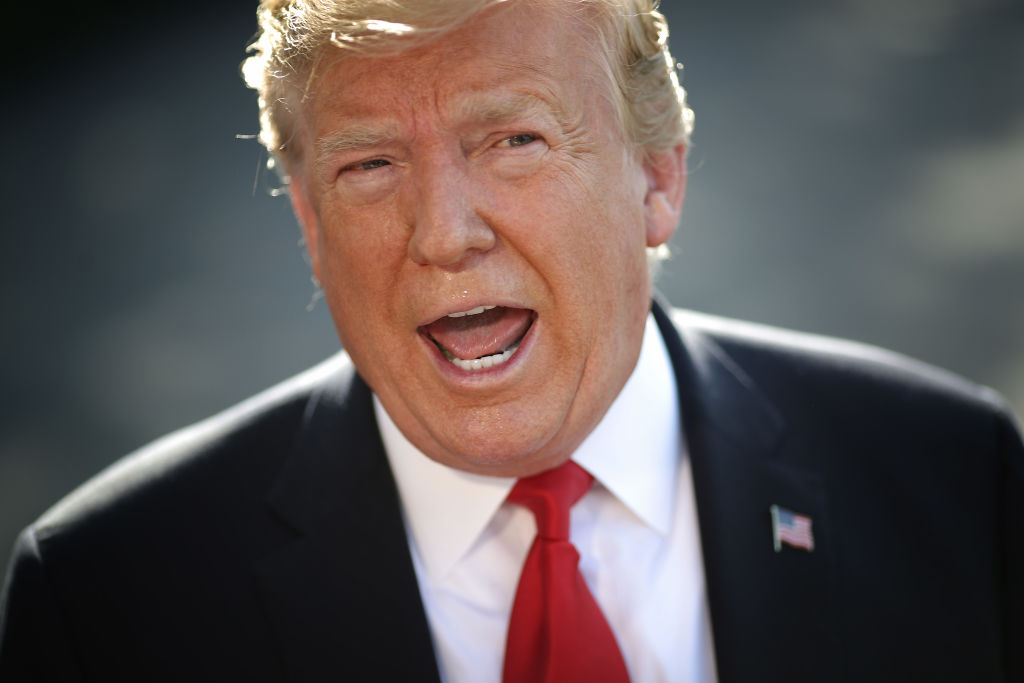
(Photo
by
Win
McNamee/Getty
Images)


Axios
reported
 back
in
2019,
even
before
President
Donald
Trump
had
finished
his
first
term
in
office,
that
Trump
had
accused
his
political
opponents,
government
officials,
and
members
of
the
media
of
having
committed
“treason”
at
least
24
separate
times. Since, as
Trump likes
to
mention
, treason
is
a
crime
punishable
by
death, that’s
a
pretty
serious
accusation. And
24
is
a
pretty
decent
number
when
you
haven’t
yet
spent
four
years
in
office.

If
you’re
a
Republican
who
gives
offense,
Trump
goes
lighter
on
you. When
former
attorney
general
Jeff
Sessions
recused
himself
from
the
Russia
investigation,
Trump
accused
him
only
of
being
a
traitor,
as
opposed
to
having
committed
“treason.”

Those
couple
dozen
occasions
are
of
course
not
alone. Here’s
a
link
to
15
other
times
when
Trump
used dehumanizing
language
 —
“garbage,”
“vermin,”
“human
refuse;”
you
get
the
idea

to
describe
people.

But
those
are
mere
insults. How
about
the
times
when
Trump
called
people
Marxists,
and
communists,
and
the
like?

Google
is
a
wonderful
thing. 
Let’s
start
with
“Marxists”
and
“communists.”

In
June
2023,
after
Trump
had
been
indicted
by
a
New
York
grand
jury,
he took
aim
 at
President
Joe
Biden
and
Democrats: “[Trump] was
being
persecuted,
he
said,
by
‘Marxists’
and
‘communists.’”

A
few
days
later,
Trump
told
 a
crowd
of
his
supporters
at
his
golf
club
in
Bedminster,
New
Jersey,
that
Biden,
‘together
with
a
band
of
his
closest
thugs,
misfits,
and
Marxists,
tried
to
destroy
American
democracy.’”

At
roughly
the
same
time,
many
of
Trump’s
campaign
emails
and
Truth
Social
posts insisted that,
under
Biden’s
leadership,
America
would
become
a
“third
world
Marxist
regime”
or
a
“tyrannical
Marxist
nation.”


Trump
added
,
“If
the
communists
get
away
with
this,
it
won’t
stop
with
me.”

OK.
The
man
was
hot. He’d
just
been
indicted.
But
surely
he’d
calm
down,
no? And,
to
the
extent
that
it
matters,
Trump
was
drawing
parallels
only
to
Marxists
and
communists,
not
fascists.

Oh,
wait:

We
will
demolish
the
deep
state.
We
will
expel
the
warmongers
from
our
government.
We
will
drive
out
the
globalists.
We
will
cast
out
the
communists,
Marxists,
and
fascists.
And
we
will
throw
off
the
sick
political
class
that
hates
our
country.

(Donald
Trump, campaign
speech
in
Michigan
,
June
25,
2023.)

Well,
at
least
we
haven’t
yet
gotten
to
the
Nazis.

Oh,
wait
again:

The
lawlessness
of
these
persecutions
of President
Trump and
his
supporters
is
reminiscent
of
Nazi
Germany
in
the
1930s,
the
former
Soviet
Union,
and
other
authoritarian,
dictatorial
regimes. 

(Trump
campaign
post
on Truth
Social
,
August
2023.)

That’s
not
just
Nazis: Trump’s
campaign
picks
up
Nazis,
the
former
Soviet
Union,
and
the
umbrella
of
“other
authoritarian,
dictatorial
regimes”
all
in
one
post. The
man
covers
a
lot
of
ground.

There’s
still
a
hedge
in
that
last
accusation

“reminiscent
of.”
Perhaps
that’s
too
indirect. How
about
this?

“She’s
a
fascist,
OK?
She’s
a
fascist.”
(Donald
Trump, campaign
speech
in
Georgia
,
October
28,
2024.)

But
now,
with
the
death
of
Charlie
Kirk,
Trump
promises
to
fix
all
that:

For
years,
those
on
the
radical
left
have
compared
wonderful
Americans
like
Charlie
to
Nazis
and
the
world’s
worst
mass
murderers
and
criminals.
This
kind
of
rhetoric
is
directly
responsible
for
the
terrorism
that
we’re
seeing
in
our
country
today,
and
it
must
stop
right
now.

My
administration
will
find
each
and
every
one
of
those
who
contributed
to
this
atrocity
and
to
other
political
violence,
including
the
organizations
that
fund
it
and
support
it,
as
well
as
those
who
go
after
our
judges,
law-enforcement
officials,
and
everyone
else
who
brings
order
to
our
country.

(Donald
Trump, video
address
 to
the
country,
September
10,
2025.)

Good
idea,
Donald. Go
for
it.


Mark Herrmann spent
17
years
as
a
partner
at
a
leading
international
law
firm
and
later
oversaw
litigation,
compliance
and
employment
matters
at
a
large
international
company.
He
is
the
author
of 
The
Curmudgeon’s
Guide
to
Practicing
Law
 and Drug
and
Device
Product
Liability
Litigation
Strategy
 (affiliate
links).
You
can
reach
him
by
email
at 
[email protected].

What’s Next for Walgreens Following its Private Equity Sale? – MedCity News

Walgreens

jumped
on
board

the
private
equity
rescue
ship
named
Sycamore
Partners
earlier
this
year
and
late
August
the
deal
worth
$10
billion
was
completed. 

While
some
say
the
sale
to
private
equity
was
necessary
as
retail
health
faces
numerous
headwinds,
at
least
one
industry
follower
is
concerned
about
what’s
ahead
for
Walgreens.
Private
equity
firms
typically
try
to
exit
a
company
five
to
seven
years
after
buying
it.

“Healthcare
is
a
long-term
industry.
It’s
about
long-term
health.
It’s
about
maintaining
people’s
health
over
decades.
Private
equity’s
business
model
just
inherently
is
short-term
based.
They
are
looking
to
get
a
company,
profit
off
of
it,
exit
the
company
in
whatever
way
that
is,
whether
it
be
bankruptcy
or
IPO
or
selling
it
off
to
another
private
equity
firm,”
said
Matt
Parr,
communications
director
of
the
Private
Equity
Stakeholder
Project,
a
nonprofit
that
has
been
tracking
private
equity
moves.

Under
Sycamore,
Walgreens
will
split
into
five
independent
companies:
Walgreens
(pharmacy),
The
Boots
Group
(health
and
beauty
retail
business),
Shields
Health
Solutions
(specialty
pharmacy
solutions),
CareCentrix
(home
health)
and
VillageMD
(primary
care).

Sycamore
Partners
and
Walgreens
declined
to
comment.


What
could
be
ahead

There
are
a
few
reasons
for
why
Parr
finds
this
sale
to
Sycamore
Partners
concerning.

One
is
that
over
70%
of
the
deal
is
financed
through
debt,
meaning
Sycamore
doesn’t
“have
much
skin
in
the
game,”
he
said.

“There’s
already
been
plenty
of
coverage
on
Walgreens’
financial
problems

and
now
you’re
adding
a
lot
more
liability
that
Sycamore
is
putting
onto
that
company
that
already
has
been
struggling.
It
really
could
spell
a
lot
of
financial
problems
for
Walgreens,”
Parr
stated,
noting
that
in
the
first
quarter
of
the
year,

70%
of
the
largest
bankruptcies

in
the
country
were
private
equity-backed. 

He
added
that
a
lot
of
communities
rely
on
Walgreens
as
their
sole
pharmacy,
so
any
financial
challenges
Walgreens
has
will
have
a
direct
impact
on
consumers. 

The
deal’s
debt
financing
and
Walgreens’
troubling
financial
problems
are
not
the
sole
reason
that
concerns
Parr. 

Sycamore
Partners
has
replaced
Walgreens
CEO
Tim
Wentworth
with
Mike
Motz,
who
was
previously
the
CEO
of
office
retail
store
Staples,
another
Sycamore
company.

“Under
that
CEO’s
watch,
Staples
shuttered
a
third
of
its
stores,”
he
said.
“It
cut
tens
of
thousands
of
jobs.
We’re
wary
that
if
Sycamore
applies
that
same
playbook
to
Walgreens,
if
that
CEO
that’s
coming
over
from
Staples
applies
that
same
playbook
to
Walgreens,
we’re
going
to
have

thousands
of
stores
closed,
tens
of
thousands
of
layoffs,
pharmacy
deserts
in
neighborhoods
that
are
already
struggling
with
access
to
medication.”

Sycamore
Partners
has
also
overseen
several
other
high
profile
bankruptcies,
including
Belk,
Nine
West
and
Aeropostale.

As
for
breaking
Walgreens
into
five
separate
companies,
Parr
speculates
that
Sycamore
is
trying
to
determine
which
company
is
the
most
profitable,
which
will
likely
lead
to
retail
store
closures
that
are
a
lower
margin
business
and
layoffs
at
the
businesses
that
are
not
as
profitable
as
the
others.


Not
everyone
has
negative
views
of
the
deal

To
Michael
Greeley,
cofounder
and
general
partner
of
Flare
Capital
Partners,
disaggregating
the
company
was
the
right
move.
Retailers
have
been
struggling
in
healthcare
recently,
and
Walgreens’
retail
business
was
pulling
down
high-performing
assets
like
Shields
and
CareCentrix.

“I
think
it’s
been
a
terrific
move
to
disaggregate
these
disparate
assets,”
he
noted.

Another
healthcare
expert
echoed
this,
noting
that
Walgreens
hasn’t
succeeded
in
tying
together
all
its
assets
into
a
seamless
experience
for
consumers.
That
is
likely
why
Sycamore
is
splitting
it
up.

“Ultimately,
the
five
businesses
all
have
different
margin
profiles,
cost
structures,
and
opportunities
for
success:
the
company
never
was
able
to
capitalize
on
the
reciprocal
value
between
each
business.
By
comparison,
CVS
did
[this]
with
its
acquisition
of
Caremark,
which
lowered
its
drug
costs,
and
the
merger
with
Aetna
created
a
closed
loop
on
customer
acquisition
and
negotiation,”
said
Warren
Templeton,
managing
director
of
Health2047,
the
venture
arm
for
the
American
Medical
Association. 

That
said,
there
is
no
doubt
that
this
deal
will
lead
to
store
closures,
which
will
have
a
significant
impact
on
underserved
communities.

“They’ll
close
stores
that
are
not
profitable
or
that
don’t
have
a
potential
to
generate
free
cash
flow.
And
the
concern
is,
do
they
start
to
close
stores
in
markets
that
create
healthcare
deserts?”
Greeley
said.

It
is
also
worth
noting
that
most
of
Sycamore’s
experience
has
been
in
retail,
not
healthcare.

“This
is
not
just
a
typical
retail
takeover,
which
is
what
Sycamore
is
used
to,”
Parr
said.
“This
is
a
much
bigger
behemoth
for
them
to
manage,
and
Sycamore
already
has
a
background
of
bankrupting
smaller
retail
companies.
So
if
that
same
trajectory
happens
with
Walgreens,
it’s
going
to
be
even
more
devastating
than
a
Nine
West
going
bankrupt.”


Photo
credit:
Joe
Raedle,
Getty
Images

Morning Docket: 09.15.25 – Above the Law

*
Lawyer
accused
of
hallucinated
cites
in
case
about
getting
law
license
back.
[ABA
Journal
]

*
FTC
sees
collapse
of
CFPB
as
a
new
opportunity
to
oversee
the
fleecing
of
Americans.
[Bloomberg
Law
News
]

*
EU
allowing
Microsoft
to
remove
Teams
from
its
product
bundle
to
avoid
antitrust
issues,
opening
the
door
to
your
European
colleagues
having
a
teleconference
tool
that
works.
[Law360]

*
Judge
extends
block
on
government
randomly
deporting
kids
in
the
middle
of
the
night.
[Reuters]

*
SEC
wants
to
keep
its
case
against
Musk
in
D.C.,
which
makes
you
think:
he
did
all
that
and
still
didn’t
get
Trump
to
drop
the
SEC
case?
[National
Law
Journal
]

*
The
financial
press
can’t
get
enough
Harvey
stories.
[Financial
Times
]

Amy Coney Barrett Sure Gets Around – See Generally – Above the Law

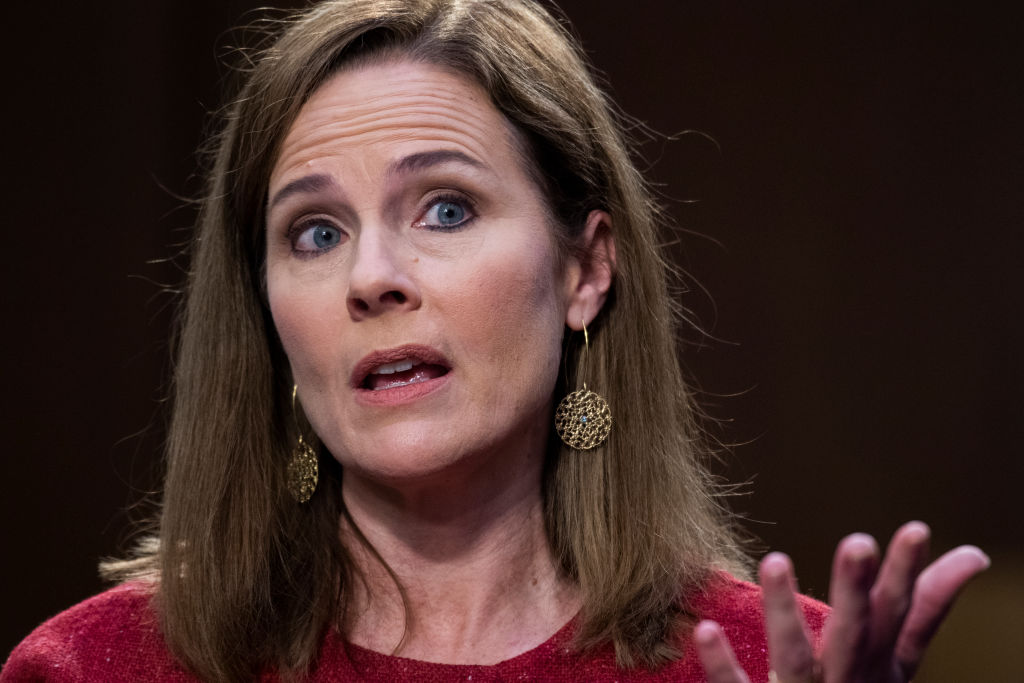
Amy
Coney
Barrett
Immediately
Starts
Hedging
On
Dictatorship
Fanfic:
Justice
Barrett
shut
down
Trump’s
third
term
talk…
until
Fox
asked
her
if
she
was
sure
and
then
she
remembered
to
start
hemming
and
hawing.
Colbert
Should
Moonlight
As
Sotomayor’s
Burner
Account:
The
justice
gives
her
colleagues
the
benefit
of
the
doubt
in
public.
Stephen
Colbert
reads
between
the
lines
of
the
dissent.
Biglaw
Associates
Shocked
To
Discover
Firm
Still
On
Word
Perfect:
Maybe
not
that
bad,
but
midlevels
report
the
technology
at
their
firms
have
them
feeling
like
they’re
a
solid
decade
behind.
SCOTUS
Shadow
Docket
Continues
Calvinball
Streak:
The
Court
knifes

Humphrey’s
Executor
,
proving
precedent
is
only
sacred
when
it
props
up
Republicans.
Teachers
Sue
Over
Blocked
Loan
Forgiveness,
Because
Chalk
Doesn’t
Pay
The
Mortgage:
The
American
Federation
of
Teachers
takes
the
fight
to
court.
Go
In-House
Early,
Retire
Before
Your
Friends
Make
Counsel:
Confirming
what
everyone
suspected:
going
in-house
is
the
smartest
move
in
legal
life.
Amy
Coney
Barrett
Ruminates
On
AI,
Accidentally
Summons
HAL
9000:
The
justice
shares
her
deep
thoughts
on
artificial
intelligence,
which
mostly
reveal
she
hasn’t
met
Clippy.
What
A
Lawyer
Paycheck
Can
Afford…
By
City:
Let’s
look
at
some
real
estate
listings
in
the
supposedly
“best
bang
for
your
buck”
legal
markets.
Training
Young
Lawyers
In
The
Age
Of
AI
Is
Still
Mostly
Hazing:
Beneath
the
mystery
and
rhetoric,
firms
are
still
teaching
associates
by
throwing
them
into
traffic
and
hoping
they
don’t
die.

Unleashing Zimbabwe’s mineral wealth for a sustainable future


The
Karo platinum project is
a
joint
venture
between
Karo Mining Holdings
(85%)
and Generation Minerals
(15%),
a
special-purpose
vehicle
of
the
Republic
of
Zimbabwe,
held
on
a
free-carry
basis.
In
turn,
Tharisa
is
a
77%
shareholder
in
Karo Mining Holdings
and
acts
as
anchor
capital
provider
for
the project.

The
Karo platinum project is
one
of
only
two
major
PGM projects currently
under construction globally
and
is
positioning
Karo Mining Holdings
at
the
forefront
of
the
PGM
industry,
says
Tharisa.

The project is
a
Tier
1
PGM
asset
designed
for
responsible,
low-cost
and
long-term
production
of
strategic
commodities
required
to
deliver
sustainable future.
With
an
initial
17-year
mine
life,
it
is
laying
the
groundwork
for
economic
growth
and sustainable development
that
benefits
all
stakeholders.

“We
believe
progress
must
be
achieved
by
balancing
economic
growth
with
responsibility
toward
our
planet
and
our
communities,”
adds
Tharisa.

The project is
strategically
located
on
Zimbabwe’s
Great
Dyke

an
immense
layered
igneous
intrusion
that
is
not
merely
a
geological
marvel;
it
is
a
globally
significant
PGM- bearing structure,
second
only
to
South Africa’s
renowned
Bushveld
Complex.

Karo
is
positioned
across
the
eastern
and
western
flanks
of
the
Great
Dyke,
above
the
Main
Sulphide
Zone,
the
primary
host
for
PGMs.
Guided
by
detailed
geological
insights,
the project will
aim
to
responsibly
and
efficiently
tap
into
this
vast
mineral
potential,
states
Tharisa.

The
Karo project will
combine
a
ten-year
openpit
phase
with
a
longer
30-year underground phase.
Returns
may
be
further
enhanced
if
current
studies
to
use
the
base
metal
reef,
rich
in copper,
nickel
and
cobalt,
prove
successful.

With
major
derisking
completed,
and
about
$150-million
spent
on
the project since
inception, construction of
the
Karo project in
Zimbabwe
is
firmly
under
way,
although
aspects
of
the project were
decelerated
owing
to
the
low
PGM
price environment.

All
the
earthworks
have
been
completed,
with
about
80%
of
the civils finalised.
The project also
recently
took
delivery
of
its
mills,
which
have
been
installed
on
site.
Work
on
securing
more water sustainability
is
advancing,
and
the
development
of
the
Chirundazi
dam
is
ongoing.
Electricity
installations
also
continue,
with
the project’s power supply
coming
from
the
Selous
substation.

Once
operational,
the project is
expected
to
add
about
200 000 oz/y
of
PGMs,
doubling
Tharisa’s
current
output
from
its
Tharisa
mine
on
the
western
limb
of
the
Bushveld
Complex.

Importantly,
Phase
1
of
the
Karo project only
deals
with
about
10%
of
the
resource
endowment

a
96-million-ounce
resource
with
reserves
just
over
11-million
ounces,
mirroring
Tharisa’s
existing
Tharisa
mine
in
that
it
has
multi-generational
output
opportunity.

Karo’s
philosophy
is
rooted
in
a
deep
commitment
to sustainable and
responsible operations,
believing
that
true
value
creation
extends
beyond
economic
returns
to
encompass
profound
positive
impacts
on
surrounding
communities
and
the environment.
Sustainability
is
not
merely
a
policy;
it
is
an
integral
part
of
Karo’s business model,
driving
every
decision
and
action,
achieving
long-term
success
for
all
stakeholders,
fostering
a
legacy
of
responsible
resource
development,
concludes
Tharisa.


Source:


Unleashing
Zimbabwe’s
mineral
wealth
for
a
sustainable
future

Post
published
in:

Business

Court fines Chinese nationals US$150 for cocaine possession

HARARE

Nine
Chinese
nationals
arrested
for
cocaine
possession
in
Harare
walked
free
on
Friday
after
being
fined
just
US$150
each,
a
sentence
that
has
triggered
outrage
over
the
judiciary’s
soft
approach
to
drug
offences.

Magistrate
Vakayi
Chikwekwe
convicted
the
group
but
ruled
that
the
quantities
of
cocaine
recovered
were
“insignificant,”
saying
a
harsher
penalty
was
not
justified.
The
alternative
punishment
was
six
months
in
prison.

Those
convicted
are
Yu
Hefeng,
Dong
Yunmei,
Yang
Wanwan,
Wu
Yuejun,
Yang
Qin,
Fang
Yue,
Sun
Jie,
Yao
Wenming
and
Li
Zhongju.

Police
raided
a
Newlands
property
on
September
1
following
a
tip-off
about
rampant
drug
use.
Inside,
police
found
the
Chinese
nationals
split
between
two
lounges,
sniffing
cocaine
off
a
wooden
tray
with
a
golden
playing
card.


Investigators
also
recovered
crystal
meth,
benzodiazepam
and
sachets
of
cocaine
worth
more
than
US$1,000.

While
most
of
the
group
were
released
on
bail
last
week,
alleged
ringleader
Huang
Zhen
was
denied
bail
and
remains
in
custody.

The
outcome
has
raised
eyebrows
in
Zimbabwe,
where
drug
abuse
is
surging
and
authorities
have
vowed
to
crack
down
on
international
cartels.

The
ruling
contrasts
sharply
with
a
recent
case
before
the
High
Court,
where
Justice
Esther
Muremba
blasted
a
Harare
magistrate
for
giving
a
suspended
sentence
and
community
service
to
Christine
Chambati,
a
39-year-old
mother
of
four,
caught
with
nearly
a
kilogram
of
cannabis.

Chambati
had
been
arrested
with
962.6g
of
dagga
worth
just
US$96.20.
Muremba
ruled
that
the
lower
court
had
“fallen
short
of
real
and
substantial
justice,”
noting
that
the
Sentencing
Guidelines
prescribe
a
minimum
three-year
prison
term
for
large
drug
quantities.

She
further
criticised
the
view
that
962g
was
a
“small
amount,”
ruling
instead
that
any
quantity
above
700g
warrants
imprisonment.

The
sharp
disparity
in
sentencing
between
a
local
woman
and
foreign
nationals
has
fuelled
public
anger,
with
critics
accusing
courts
of
inconsistency
and
leniency
towards
well-connected
foreigners.

Bill Watch 29/2025 of 13th September 2025


Both
Houses
of
Parliament
will
be
sitting
this
coming
week,
and
in
this
Bill
Watch
we
shall
outline
the
business
they
are
expected
to
deal
with. 
Please
however
bear
the
following
points
in
mind:

  • When
    the
    National
    Assembly
    and
    the
    Senate
    adjourn,
    they
    set
    down
    all
    outstanding
    business
    on
    their
    Order
    Papers
    (i.e.
    their
    agendas)
    for
    the
    next
    appropriate
    sitting
    day. 
    There
    is
    usually
    too
    much
    to
    be
    covered
    in
    one
    day
    so
    whatever
    is
    not
    dealt
    with
    is
    postponed
    to
    the
    next
    appropriate
    day.
  • Both
    Houses
    of
    Parliament
    can
    change
    the
    order
    in
    which
    they
    consider
    business.

THE
NATIONAL
ASSEMBLY

Tuesday
16th
September

Bills
to
be
dealt
with

The
Assembly
is
expected
to
deal
with
the
following
Bills:


  • Medical
    Services
    Amendment
    Bill
     [link]

The
Second
Reading
of
this
Bill
is
due
to
continue.


  • Zimbabwe
    School
    Examinations
    Council
    Amendment
    Bill 
    [link]

The
Second
Reading
of
this
Bill
is
due
to
begin.


  • Pipelines
    Amendment
    Bill 
    [link]

This
Bill
is
also
due
to
begin
its
Second
Reading.


  • Insurance
    and
    Pensions
    Commission
    Amendment
    Bill 
    [link]

This
Bill,
too,
is
due
to
begin
its
Second
Reading.


  • State
    Service
    (Pensions)
    Bill
     [link]

The
House
is
due
to
consider
the
Parliamentary
Legal
Committee’s
adverse
report
on
this
Bill [link]

Reports
of
constitutional
commissions
to
be
considered

The
Assembly
will
be
asked
to
consider:

  • 2024
    report
    of
    the
    Judicial
    Service
    Commission
  • 2024
    report
    of
    the
    Zimbabwe
    Electoral
    Commission
  • 2024
    report
    of
    the
    Zimbabwe
    Human
    Rights
    Commission
  • 2024
    report
    of
    the
    National
    Prosecuting
    Authority.
  • 2024
    report
    of
    the Attorney-General’s
    Office

International
agreement
to
be
approved

The
Assembly
will
be
asked
to
approve:

  • The
    SADC
    Protocol
    on
    the
    Inter-State
    Transfer
    of
    Sentenced
    Prisoners [link]
  • Treaty
    on
    Mutual
    Assistance
    in
    Criminal
    Matters
    with
    China
  • The
    UN
    Convention
    on
    the
    Law
    of
    the
    Sea
    on
    the
    Conservation
    and
    Sustainable
    Use
    of
    Marine
    Biological
    Diversity
    of
    Areas
    Beyond
    National
    Jurisdiction [link].
  • Convention
    establishing
    the
    International
    Organisation
    for
    Mediation [link].

Reports
of
parliamentary
committees

The
Assembly
will
be
asked
to
consider
committee
reports
on
the
following
issues:

  • The
    2024
    third
    and
    fourth
    quarter
    budget
    performance
    report
    of
    the
    Ministry
    of
    Women
    Affairs,
    Community,
    Small
    and
    Medium
    Enterprises
  • The
    accounts
    of
    the
    Ministry
    of
    Transport
    and
    Infrastructural
    Development
    for
    2022
  • The
    2024
    budget
    performance
    report
    of
    the
    Ministry
    of
    Environment,
    Climate
    and
    Wild
    Life
  • The
    audited
    accounts
    of
    Bulawayo
    City
    Council
    for
    2019
    and
    2020
  • Responsible
    mining
    by
    artisanal
    and
    small-scale
    miners
  • The
    2024
    Budget
    Performance
    Reports
    of
    the
    Ministry
    of
    Transport
    and
    Infrastructural
    Development
  • The
    state
    of
    prisons
    in
    Zimbabwe
  • The
    state
    of
    digital
    information
    centres
    in
    Zimbabwe
  • Constraints
    and
    challenges
    affecting
    Zimsec
  • The
    2024
    Budget
    Performance
    Reports
    of
    the
    Ministry
    of
    Foreign
    Affairs
    and
    International
    Trade
  • The
    2025
    first
    quarter
    Budget
    Performance
    Report
    of
    the
    Ministry
    of
    Environment,
    Climate
    and
    Wildlife
  • The
    2024
    fourth
    quarter
    Budget
    Performance
    Report
    of
    the
    Ministry
    of
    Industry
    and
    Commerce
  • Large-scale
    irrigation
    schemes
  • Innovation
    hubs
    and
    industrial
    parks
    in
    universities
    and
    polytechnics
  • The
    2024
    quarterly
    budget
    performance
    reports
    of
    the
    Ministry
    of
    Mines
    and
    Mining
    Development
  • The
    2024
    third
    and
    fourth
    quarter
    Budget
    Performance
    Report
    of
    the
    Ministry
    of
    ICT,
    Postal
    and
    Courier
    Services
  • The
    audited
    accounts
    of
    the
    Zimbabwe
    National
    Road
    Administration
    for
    2023
  • The
    status
    of
    border
    posts
    in
    relation
    to
    border
    security

Reports
on
petitions
received

  • A
    petition
    for
    a
    Lippert
    Concession
    Decolonisation
    Restorative
    Justice
    and
    Reparations
    Bill
  • A
    petition
    on
    the
    status
    of
    the
    Disaster
    Risk
    Management
    and
    Civil
    Protection
    Bill

Motions
on
the
National
Assembly
order
paper

Motions
set
to
be
debated
by
the
Assembly
will
include
the
following
topics:

  • Introducing
    a
    two-term
    school
    year
    for
    Zimbabwe’s
    schools
  • Increasing
    spending
    and
    reducing
    regulations
    to
    encourage
    technological
    innovation
  • Regularising
    informal
    settlements
    in
    urban
    areas
  • Compensation
    for
    victims
    of
    road
    accidents
  • Policies
    to
    protect
    the
    inheritance
    rights
    of
    widows
  • Measures
    to
    support
    the
    health
    and
    welfare
    of
    students
    at
    institutions
    of
    higher
    education
  • Birth
    certificates
    and
    IDs
    for
    Zimbabweans
    living
    in
    South
    Africa
  • Enforcing
    weight
    restrictions
    on
    public
    transport
    vehicles
  • Youth
    quotas
    in
    provincial
    councils,
    local
    authorities
    and
    public
    boards
  • Drilling
    of
    boreholes
    and
    sharing
    of
    drilling
    costs
  • Quota
    for
    local
    players
    in
    Premier
    Soccer
    League
    club
    teams
  • Decentralisation
    and
    rotation
    of
    national
    independence
    celebrations
  • Introduction
    of
    quotas
    for
    employment
    of
    youths
    in
    the
    public
    service
  • Declaration
    of
    the
    public
    health
    situation
    to
    be
    a
    national
    emergency
  • Tax
    relief
    for
    businesses
    that
    invest
    in
    or
    sponsor
    arts,
    sport
    and
    culture
  • Measures
    to
    combat
    deforestation
  • Promotion
    of
    traditional
    culture
    and
    practices
  • Extending
    the
    prohibition
    against
    smoking
    tobacco
    in
    public
    places
  • Controlling
    dangerous
    dogs
    and
    increasing
    protection
    against
    rabies
  • Increased
    resources
    to
    treat
    mental
    disorders,
    particularly
    drug-related
    conditions
  • Abolition
    of
    bank
    charges
    for
    balance
    enquiries
  • Preventing
    child
    marriages
    and
    protecting
    girls
    from
    exploitation
  • Dealing
    with
    tuberculosis
    and
    silicosis
    among
    miners
  • Fires
    in
    communal
    areas
  • Ensuring
    that
    local
    authorities
    fill
    vacant
    posts
    with
    substantive
    appointments
    rather
    than
    acting
    appointments
  • Management
    and
    protection
    of
    wetlands
  • Remodelling
    of
    community
    information
    centres
  • Reply
    to
    the
    President’s
    speech.

Wednesday
17th
September


Note:
 
On
Wednesdays,
questions
and
other
private
members’
business
have
precedence
over
government
business.

Questions
set
down
for
answer

Among questions set
down
for
Ministers
to
answer
in
the
National
Assembly
on
Wednesday
are questions on the
following
issues:

  • Government
    policy
    on
    menstrual
    leave
  • Measures
    to
    support
    businesses
    affected
    by
    current
    economic
    environment
  • Compensation
    for
    victims
    of
    political
    violence
    since
    1980
  • Implementing
    recommendations
    of
    the
    SADC
    election
    observer
    mission
    from
    2018
    and
    2023
  • Compliance
    with
    court
    orders
    by
    companies,
    institutions
    and
    communities
  • The
    Geo
    Pomona
    Waste
    Project
  • Construction
    of
    filling
    stations
    in
    residential
    areas
  • The
    appointment
    and
    removal
    of
    village
    heads
  • Government
    policy
    on
    breeding
    and
    keeping
    dangerous
    dog
    breeds
  • Statistics
    on
    prosecutions
    of
    drug
    dealers
  • How
    the
    government
    balances
    its
    commitment
    to
    democracy
    and
    human
    rights
    with
    trade
    relations
    with
    autocratic
    regimes
  • Repatriation
    of
    Zimbabweans
    in
    foreign
    immigration
    holding
    centres
  • Abolition
    of
    visa
    requirements
    for
    Zimbabweans
    visiting
    African
    countries
  • The
    number
    of
    mental
    health
    practitioners
    employed
    by
    government
  • The
    effectiveness
    of
    “sin
    taxes”
    in
    improving
    national
    health
  • The
    cost
    of
    maternal
    health
    services,
    and
    whether
    bribes
    are
    demanded
    for
    those
    services
  • Primary
    health
    counsellors
    affected
    by
    the
    withdrawal
    of
    US
    aid
  • Time
    allocated
    for
    party
    political
    broadcasts
    before
    elections
  • Exemption
    of
    deaf
    people
    from
    paying
    for
    car
    radio
    licences
  • Housing
    and
    capacitation
    of
    school
    teachers
  • Payment
    of
    school
    fees
    and
    the
    consequences
    of
    non-payment
  • Fees
    payable
    by
    university
    students
    and
    the
    inclusion
    of
    medical
    aid
    in
    those
    fees
  • Fees
    for
    renewal
    of
    vehicle
    licences
  • Construction
    and
    maintenance
    of
    roads,
    dams
    and
    other
    infrastructure.
  • The
    cost
    and
    time-scale
    of
    projects
    such
    as
    the
    Trabablas
    Interchange
    project

Thursday
18th
September

The
Assembly
will
continue
with
business
stood
over
from
Tuesday.

THE
SENATE

Tuesday
16th
September

Bill
to
be
dealt
with

The
Senate
will
deal
with
the
following
Bill:


  • Parks
    and
    Wild
    Life
    Amendment
    Bill
     [link]

This
Bill
will
undergo
its
Second
Reading.

Reports
of
Constitutional
Commissions
to
be
considered

The
Senate will be
asked
to
consider
the
reports
of
the
following
constitutional
Commissions:

  • The
    Zimbabwe
    Human
    Rights
    Commission’s
    report
    for
    2024
  • Reports
    of
    the
    Zimbabwe
    Electoral
    Commission
    on
    by-elections
    held
    in
    October
    and
    November
    2024
    and
    January
    2025
    to
    fill
    vacancies
    in
    local
    authorities

International
agreements
to
be
approved

The
Senate
will
be
asked
to
approve:

  • The
    SADC
    Protocol
    on
    the
    Inter-State
    Transfer
    of
    Sentenced
    Prisoners [link]
  • The
    UN
    Convention
    on
    the
    Law
    of
    the
    Sea
    on
    the
    Conservation
    and
    Sustainable
    Use
    of
    Marine
    Biological
    Diversity
    of
    Areas
    Beyond
    National
    Jurisdiction [link].

Thematic
Committee
report
to
be
considered

The
Senate will be
asked
to
adopt
a
report
on:

  • Access
    to
    reproductive
    health
    services
    by
    sex
    workers

Motions
to
be
dealt
with
by
the
Senate

The
Senate
is
expected
to
debate
motions
on
the
following
topics:

  • Establishment
    of
    DISCO
    Steel
    Mill
  • Protection
    of
    wetlands,
    particularly
    in
    Harare
  • Measures
    to
    reduce
    traffic
    accidents.

Wednesday
17th
September

The
Senate
will
continue
business
stood
over
from
Tuesday

Thursday
18th
September

Questions
set
down
for
answer

Among
questions
for
Ministers
to
answer
in
the
Senate
on
Thursday
are
questions
on
the
following
issues:

  • Exemption
    of
    senior
    citizens
    from
    paying
    rates
    and
    levies
    to
    urban
    and
    rural
    local
    authorities
  • Exemption
    of
    war
    veterans
    from
    paying
    parking
    fees
  • Land
    audit
    to
    identify
    under-utilised
    land
    for
    reallocation
  • The
    number
    of
    villages
    targeted
    for
    borehole
    drilling
    in
    2025
  • The
    recognition
    of
    historical
    monuments,
    in
    particular
    King
    Mzilikazi’s
    grave
  • The
    US
    government’s
    suspension
    of
    visas
    for
    Zimbabweans
  • The
    social
    welfare
    fund
    under
    section
    10
    of
    the
    Older
    Persons
    Act

Bills
Being
Considered
by
the
Parliamentary
Legal
Committee

The
PLC
is
considering
the
following
Bills:

  • Mines
    and
    Minerals
    Bill [link]
  • Occupational
    Safety
    and
    Health
    Bill [link]
  • Public
    Service
    Amendment
    Bill [link]
  • Tourism
    Bill

Veritas
makes
every
effort
to
ensure
reliable
information,
but
cannot
take
legal
responsibility
for
information
supplied.

Post
published
in:

Featured