Legal Ethics Roundup: Judge Resigns In Protest, More AI Sanctions, Bar Complaint Against Halligan, SCOTUS Ethics Code Turns 2 & More – Above the Law


Ed.
note
:
Please
welcome
Renee
Knake
Jefferson
back
to
the
pages
of
Above
the
Law.
Subscribe
to
her
Substack,
Legal
Ethics
Roundup, here.


Welcome
to
what
captivates,
haunts,
inspires,
and
surprises
me
every
week
in
the
world
of
legal
ethics.

Hello
from
San
Francisco.
I’m
writing
you
as
I
wrap
up
my
week
with
the
Council
for
the
ABA
Section
on
Legal
Education
and
Admission
to
the
Bar,
which
is
the
independent
body
that
accredits
law
schools.
If
you
are
curious
about
our
work,
you
can
read
about
some
of
it here and
learn
more
about
the
Council
generally here.


Alta
Plaza
Park,
San
Francisco
(photo
by
Renee
Jefferson)

In
addition
to
the
headlines
below,
the Fred
C.
Zacharias
Memorial
Prize
for
Scholarship
in
Professional
Responsibility
 was
recently
announced.
For
more
on
that,
see
last
week’s LER
Bonus
Content
No.
20
.
Congratulations
again
to
the
winner Matthew
Liebman 
(University
of
San
Francisco)
for
his
article Representing
Animals
 and
honorable
mention
awardees Milan
Markovic
 (Texas
A&M)
and Nuno
Garoupa
 (George
Mason)
for
their
article Legal
Market
Decartelization
.


Highlights
from
Last
Week –
Top
Ten
Headlines


#1
“Why
I
Am
Resigning.” 
An
op-ed
from Judge
Mark
Wolf
 in The
Atlantic: 
“In
1985, President
Ronald
Reagan
 appointed
me
as
a
federal
judge.
I
was
38
years
old.
At
the
time,
I
looked
forward
to
serving
for
the
rest
of
my
life.
However,
I
resigned
Friday,
relinquishing
that
lifetime
appointment
and
giving
up
the
opportunity
for
public
service
that
I
have
loved.
My
reason
is
simple:
I
no
longer
can
bear
to
be
restrained
by
what
judges
can
say
publicly
or
do
outside
the
courtroom. President
Donald
Trump
 is
using
the
law
for
partisan
purposes,
targeting
his
adversaries
while
sparing
his
friends
and
donors
from
investigation,
prosecution,
and
possible
punishment.
This
is
contrary
to
everything
that
I
have
stood
for
in
my
more
than
50
years
in
the
Department
of
Justice
and
on
the
bench.
The
White
House’s
assault
on
the
rule
of
law
is
so
deeply
disturbing
to
me
that
I
feel
compelled
to
speak
out.
Silence,
for
me,
is
now
intolerable.”
Read
more here.


#2
“McDermott
Will
&
Schulte
Considers
Outside
Investment
in
Firm.” 
From Bloomberg
Law: 
“McDermott
Will
&
Schulte
said
Wednesday
it
is
in
preliminary
discussions
about
selling
a
stake
in
the
law
firm
to
outside
investors,
a
novel
move
that
could
advance
acceptance
of
non-lawyer
backing
of
Big
Law
operations.

The
Financial
Times
earlier
Wednesday
said
the
firm
is
exploring
a
restructuring
that
would
let
it
sell
a
stake
to
private
equity
groups,
based
on
reporting
from
five
unidentified
people.
The
approach
under
consideration
would
split
the
firm
into
a
business
owned
by
lawyers
that
advise
clients
and
a
separate
operation
that
would
sell
administrative
services
to
the
lawyer-owned
firm,
according
to
the
FT.

Such
an
embrace
of
non-lawyer
investment
would
represent
a
sea-change
in
the
traditional
business
model
the
legal
industry
has
embraced.
Big
Law
firms
in
the
US
are
strictly
lawyer-owned,
which
critics
say
stifles
innovation
and
makes
legal
services
overly
expensive.”
Read
more here.


#3
“Judge
Accused
of
Helping
Immigrant
Avoid
ICE
Didn’t
Know
About
Plan,
Hearing
Officer
Concludes.” 
From
the ABA
Journal: 
“A
judge
accused
of
helping
a
defendant
avoid
immigration
detention
at
her
courthouse
in
Newton,
Massachusetts,
didn’t
know
about
the
escape
plan
and
didn’t
mislead
court
authorities
about
the
incident,
according
to
a
hearing
officer
in
the
ethics
case
against
her. Judge
Shelley
M.
Richmond
Joseph
 of
Massachusetts
should
nonetheless
receive
a
public
reprimand
for
inadvertently
creating
the
appearance
of
impropriety
and
bias,
partly
by
allowing
an
off-the-record
sidebar
in
violation
of
a
court
rule
during
the
2018
incident,
the
hearing
officer
said
in
an Oct.
31
report
 released Nov.
6
.”
Read
more here.


#4
“New
Non-Profit
Launches
First-Ever
Public
Database
Documenting
Executive
Branch
Attorneys’
Conduct.” 
From Fox
News
40: 
“A
team
of
legal
and
technology
professionals
today
announced
the
launch
of
GLOW

Government
Lawyers
Oversight
Watchdog,
a
501(c)(3)
organization
dedicated
to
holding
government
attorneys
accountable
to
their
fundamental
duty
to
the
public
and
the
rule
of
law.
Along
with
the
organization,
GLOW
is
unveiling
The
Government
Lawyers
Database. Available
at glowlaw.org, the
database
is
a
freely
accessible
public
record
of
how
government
lawyers
have
conducted
themselves
while
representing,
or
supporting,
U.S.
Executive
branch
legal
positions.”
Read
more here.


#5
“Cleveland
Attorney’s
Use
of
AI
in
Court
Filings
Raises
Ethical
Questions
for
Legal
Profession.” 
From Cleveland.com: “A
Cleveland
defense
attorney
is
under
scrutiny
in
two
counties
after
submitting
court
filings
containing
fabrications
generated
by
artificial
intelligence

a
case
that’s
prompting
broader
questions
about
how
lawyers
are
ethically
navigating
the
use
of
AI
tools
in
legal
practice. William
Norman
 admitted
that
a
paralegal
in
his
office
used
ChatGPT
to draft
a
motion
 to
reopen
a
murder
conviction
appeal.
The
document
included
quotes
that
did
not
exist
in
the
trial
transcript
and
misrepresented
statements
made
by
the
prosecutor.
Prosecutors
in
both
Ashtabula
and
Cuyahoga
counties
argue
that
Norman’s
failure
to
supervise
the
use
of
AI
violated
Ohio’s
rules
for
lawyers,
particularly
those
governing
truthfulness
and
oversight
of
nonlawyer
staff.”
Read
more here.


#6
“Judging
The
Justice
System
In
The
Age
Of
Trump:
Nancy
Gertner.” 
From David
Lat 
in Original
Jurisdiction: 
“How
are
the
federal
courts
faring
during
these
tumultuous
times?
I
thought
it
would
be
worthwhile
to
discuss
this
important
subject
with
a
former
federal
judge:
someone
who
understands
the
judicial
role
well
but
could
speak
more
freely
than
a
sitting
judge,
liberated
from
the
strictures
of
the
bench.
Meet Judge
Nancy
Gertner
 (Ret.),
who
served
as
a
U.S.
District
Judge
for
the
District
of
Massachusetts
from
1994
until
2011.
I
knew
that
Judge
Gertner
would
be
a
lively
and
insightful
interviewee—based
not
only
on
her
extensive
commentary
on
recent
events,
reflected
in
media
interviews
and
op-eds,
but
on
my
personal
experience.
During
law
school,
I
took
a
year-long
course
on
federal
sentencing
with
her,
and
she
was
one
of
my
favorite
professors.
When
I
was
her
student,
we
disagreed
on
a
lot:
I
was
severely
conservative
back
then,
and
Judge
Gertner
was,
well,
not.
But
I
always
appreciated
and
enjoyed
hearing
her
views—so
it
was
a
pleasure
hearing
them
once
again,
some
25
years
later,
in
what
turned
out
to
be
an
excellent
conversation.”
Read
more
and
listen
to
the
interview here.


#7
“Law
School
Admissions
Cycle
is
Red-Hot,
Driven
by
Politics,
Says
Kaplan
Survey.” 
From
the National
Jurist: 
“Kaplan’s
recent
survey
of
law
school
admissions
officers
said
the
current
law
school
application
boom,
fueled
by
a
nearly
20%
surge
in
applicants
last
cycle,
shows
no
signs
of
cooling.
… Krystin
Major
,
director
of
LSAT
programs
at
Kaplan,
said
over
the
past
year
the
company
has
seen
a
massive
increase
in
the
number
of
students
preparing
for
the
LSAT,
a
strong
indication
that
the
number
of
law
school
applicants
will
remain
at
historically
high
levels,
making
it
imperative
for
prospective
students
to
put
together
the
strongest
application
possible.”
Read
more here.


#8
“Watchdog
Group
Files
Bar
Complaint
Against
Prosecutor
Lindsey
Halligan
Over
Comey,
James
Cases.” 
From ABC
News: 
“The
Justice
Department
prosecutor
handpicked
by President
Donald
Trump
 to
lead
the
criminal
cases
against New
York
Attorney
General
Letitia
James
 and
former FBI
Director
James
Comey
 is
now
the
subject
of
a
bar
complaint
that
alleges
she
is
unfit
to
be
an
attorney
and
that
her
actions
constitute
an
‘abuse
of
power.’
The
progressive
watchdog
group Campaign
for
Accountability
 filed
a
complaint
against Interim
U.S.
Attorney
Lindsey
Halligan
 on
Tuesday
and
requested
that
the
state
bars
in
Florida
and
Virginia
initiate
investigations
into
her
conduct.
The
complaint
alleges
that
Halligan
repeatedly
violated
the
professional
and
ethical
rules
that
govern
the
legal
profession,
including
by
making
false
statements
and
by
bringing
cases
that
are
unsupported
by
probable
cause.”
Read
more here.


#9
“Ex-Judges
See
‘Grave
Threat’
in
Trump
Official’s
‘War’
Talk.” 
From Bloomberg
Law: 
“A
group
of
former
federal
judges
is
pushing
back
against
a
Trump
administration
official’s
call
for
attorneys
to
join
the
‘war’
against
the
judiciary.
The Keep
Our
Republic’s
Article
III
Coalition
 said
Thursday
that
the
language
used
by Deputy
Attorney
General
Todd
Blanche
 ‘poses
a
grave
threat
to
the
rule
of
law
and
the
judiciary.’
Blanche
said
at
a
Federalist
Society
conference
on
Nov.
7
that
young
lawyers
should
join
the
Justice
Department
‘because
it
is
a
war,
and
it’s
something
we
will
not
win
unless
we
keep
on
fighting.’
The
group,
which
features
50
former
federal
judges,
said
that
language
‘especially
when
voiced
by
high-ranking
officials—not
only
endangers
individual
judges
and
court
staff,
but
also
undermines
the
public’s
trust
in
the
judiciary
as
an
impartial
and
co-equal
branch
of
government.’”
Read
more here.


#10
“The
SCOTUS
Ethics
Code
Two
Years
On:
The
Justices
Can
and
Must
Do
Better.” 
From Fix
the
Court: 
“Ahead
of
tomorrow’s
two-year
anniversary
of
the
release
of
the
justices’ Code
of
Conduct
,
Fix
the
Court
is
reflecting
on
changes
to
the
justices’
ethical
behavior
in
light
of
the
Code
and
what
remains
inadequate
in
terms
of
their
ethical
policies
and
practices.
The
main
deficiency
is
that
there
remains
no
enforcement
mechanism.
It
would
not
be
difficult
for Chief
Justice
Roberts
 to
appoint
‘some
sort
of
committee
of
highly
respected
judges
with
a
great
deal
of
experience
[and]
with
a
reputation
for
fairness,’
as Justice
Kagan
 contemplated
last
year,
to
do
that
work.
This
committee
would
receive
complaints,
separate
the
meritorious
from
the
frivolous
and
review
the
meritorious
ones,
after
which
they
could
recommend
remedial
steps,
like
recusal,
disclosure
amendments
or
ethics
training.
(More
on
that here.)
Another
deficiency
is
that
there’s
been
no
update
on
whether
the
Court
has
conducted
an
‘examination
of
best
practices’
in
judicial
ethics,
as
mentioned
in
the
commentary
to
the
Code,
which
implied
that
the
document
wasn’t
going
to
be
the
justices’
final
word
on
ethics.”
Read
more here.


Get
Hired

Did
you
miss
the
350+
job
postings
from
previous
weeks?
Find
them
all here.


Upcoming
Ethics
Events
&
Other
Announcements

Did
you
miss
an
announcement
from
previous
weeks?
Find
them
all here.


Keep
in
Touch


News
tips?
Announcements?
Events?
 A
job
to
post?
 Reading
recommendations?
 Email [email protected] –
but
be
sure
to
subscribe
first,
otherwise
the
email
won’t
be
delivered.


Renee
Knake
Jefferson
holds
the
endowed
Doherty
Chair
in
Legal
Ethics
and
is
a
Professor
of
Law
at
the
University
of
Houston.
Check
out
more
of
her
writing
at
the Legal
Ethics
Roundup
.
Find
her
on
X
(formerly
Twitter)
at @reneeknake or
Bluesky
at legalethics.bsky.social

Munhenzva Bus Crash: Police Warn Drivers Against Speeding

The
warning
comes
after
four
people
were
killed
and
14
others
injured
when
a
Munhenzva
bus
was
involved
in
an
accident
on
Sunday,
16
November
2025,
around
5:20
PM,
near
the
155km
peg
along
the
Masvingo–Beitbridge
Road.

ZRP
spokesperson
Commissioner
Paul
Nyathi
said
on
Monday
that
the
Scania
bus,
carrying
26
passengers,
veered
off
the
road,
overturned,
and
landed
on
its
roof. He
said:


“The
Police
reiterates
that
motorists
should
avoid
speeding
and
obey
all
road
rules
and
regulations
to
safeguard
human
lives.


“Drivers
are
encouraged
to
inspect
the
condition
of
their
vehicle
tyres,
including
the
spare
wheel,
to
ensure
that
they
are
in
good
condition
and
properly
inflated
to
avoid
road
accidents.


“Drivers
should
also
check
that
windscreen
wipers
are
functioning
effectively,
especially
during
the
rainy
season,
to
maintain
clear
visibility.


“Additionally,
any
cracked
or
broken
windscreens
should
be
promptly
repaired
or
replaced,
as
they
can
significantly
impair
vision
and
increase
the
risk
of
accidents.”


As
the
festive
season
approaches,
Commissioner
Nyathi
called
on
all
motorists
and
public
service
vehicle
drivers
to
work
with
the
police
to
curb
road
accidents.
 He
said:


“As
the
country
approaches
the
festive
season,
the
vehicle
owners
and
drivers
are
implored
to
quickly
remove
all
broken
down
vehicles
on
the
roads
and
assist
in
promoting
road
safety.


“Above
all,
it
is
in
the
interest
of
road
safety
for
all
vehicles
to
be
regularly
serviced
and
certified
fit
to
be
travelling
on
the
roads.


“Road
safety
is
a
collective
responsibility
of
all
Zimbabweans.
Therefore,
passengers
in
Public
Service
Vehicles
should
play
a
key
role
by
reporting
reckless
and
errant
drivers
on
the
roads.


“Passengers
should
not
be
harassed
or
threatened
by
drivers
or
conductors
whilst
their
safety
is
at
stake.


“During
this
rain
period,
drivers
should
not
attempt
to
cross
flooded
rivers
and
bridges.


“The
Zimbabwe
Republic
Police
urges
motorists
to
be
responsible
and
work
closely
with
law
enforcement
agents
to
curb
road
traffic
accidents.”

Harvey Crosses The Pond To UK Law Schools – Above the Law

Where
do
you
go
once
you
successfully
infiltrate
the
T14?
Wherever
you
want
to!
After
establishing
themselves
as
the
go-to
AI
program
for
law
school
classrooms,
Harvey
is
setting
up
shop
in
law
schools
around
the
UK.
Based
on
their
placement,
they’re
off
to
a
very
strong
start.
From

Harvey
:

Harvey
is
proud
to
announce
the
international
expansion
of
the
Harvey
Law
School
Program
to
the
United
Kingdom,
marking
the
company’s
first
formal
partnerships
with
leading
UK
law
faculties.
This
next
chapter
in
the
program
reflects
Harvey’s
global
focus
and
brings
together
a
diverse
set
of
institutions:
Oxford
University
Faculty
of
Law,
The
University
of
Law,
The
Dickson
Poon
School
of
Law
at
King’s
College
London
and
BPP
University
Law
School.

As
an
American
it
is
easy
to
think
that
the
T14
is
also
a
shortlist
for
the
top
law
schools
in
the
world.
And
while
there
is
some
truth
to
that,
a
quick
primer
on

law
school
rankings
internationally

helps
to
ground
how
big
of
an
accomplishment
this
is
for
Harvey.
Oxford
(you’ve
probably
heard
of
it),
is
ranked
at
#7.
The
Dickson
Poon
School
of
Law
is
one
of
the
oldest
law
schools
in
England

goes
to
show
that
even
old
dogs
are
capable
of
learning
new
tricks!

Let’s
hope
that
these
successes
have
some
staying
power.
As
nice
as
it
is
to
see
Harvey
build
a
meaningful
presence
in
law
schools
globally,
it
is
unclear
how
AI
will
fare
generally
moving
forward.
Will
the
AI
bubble
pop?

Did
it
already
happen
,
and
if
so,
what
does
that
mean
for
schools
that
have
integrated
LLMs
into
their
curricula?
As
much
as
I’d
like
to
give
you
the
answers
now,
it
looks
like
we’ll
just
have
to
wait
and
see.
In
the
meantime,
get
to
studying!


Harvey
Expands
Law
School
Program
to
the
United
Kingdom

[Harvey.ai]


Earlier
:

Harvey
Snags
Even
More
Seats
In
The
T14!


Harvey
Begins
Law
School
Program
To
Get
Students
Hooked


Chris
Williams
became
a
social
media
manager
and
assistant
editor
for
Above
the
Law
in
June
2021.
Prior
to
joining
the
staff,
he
moonlighted
as
a
minor
Memelord™
in
the
Facebook
group Law
School
Memes
for
Edgy
T14s
.
 He
endured
Missouri
long
enough
to
graduate
from
Washington
University
in
St.
Louis
School
of
Law.
He
is
a
former
boatbuilder
who
is
learning
to
swim, is
interested
in
critical
race
theory,
philosophy,
and
humor,
and
has
a
love
for
cycling
that
occasionally
annoys
his
peers.
You
can
reach
him
by
email
at 
[email protected]
and
by
tweet
at @WritesForRent.

Lindsey Halligan’s Math Ain’t Mathin’ – Above the Law

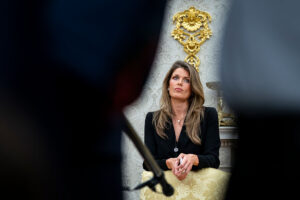
Lindsey
Halligan
(Photo
by
Al
Drago/Getty
Images)

On
Friday
afternoon,
cosplay
US
Attorney
Lindsey
Halligan
defended
her
A-plus
prosecuting
chops.

“There
are
no
missing
minutes,
contrary
to
the
suggestion
raised
by
the
court,”
she

huffed
,
insisting
that
there
was
definitely
no
gap
in
the
record
of
her
presentation
to
the
grand
jury
that
indicted
Jim
Comey.

Halligan
was
so
indignant
that
she
docketed
three
filings
attesting
to
her
fitness


twice.

Or
perhaps
she
did
it
to
correct
this
embarrassing
typo
in
the

first
batch
.

Simply
stated,
inability
to
proofread
is
the
least
of
the
problems
here.
Halligan’s
appointment
as
US
Attorney
for
the
Eastern
District
of
Virginia
was
almost
certainly
illegal.
And
even
if
Halligan

was

legally
appointed,
her
own
incompetence
and
missteps
might
well
doom
this
case
anyway.

Mind
the
gap

Initially
Halligan
tried
to
secure
a
three-count
indictment
charging
the
former
FBI
director
with:
1)
false
statements
under
questioning
by
Senator
Lindsey
Graham;
2)
false
statements
under
questioning
by
Senator
Ted
Cruz;
and
3)
obstruction
of
Congress.
The
jurors
rejected
the
first
charge,
but
indicted
on
the
second
and
third.
And
then
things
went
totally
sideways.

As
Empty
Wheel’s
Marcy
Wheeler

notes
,
there
are
at
least
three
signed
versions
of
the
Comey
indictment.
The

first

contains
three
counts,
labeled
Count
1,
Count
2,
and
Count
2.
The

second

labels
them
as
Counts
1,
2,
and
3.
And
the

third

correctly
states
that
the
jury
returned
charges
on
just
two
counts.

Judge
Cameron
McGowan
Currie,
who
was
seconded
from
South
Carolina
to
hear
the
disqualification
motion,
signaled
that
something
went
awry
when
either
Halligan
or
her
first
assistant
Maggie
Cleary
was
negotiating
to
get
a
clean
“true
bill.”
After
first

ordering

the
government
to
produce
the
grand
jury
record
on
October
28,
the
judge
issued
a

second
order

calling
the
prior
production
incomplete
and
directing
Halligan
to
produce
everything,
including
“statements
made
prior
to
and
after
the
testimony
of
the
witness
and
during
the
presentation
of
the
three-count
and
subsequent
two-count
indictments.”

At
the
hearing
on
Thursday,
she
suggested
that
the
record
still
contained
a
139-minute
gap.
According
to

Politico
,
“Currie
said
that
it
appeared
at
about
4:28
p.m.
on
the
day
the
indictment
was
returned
in
September,
there
was
no
court
reporter
in
the
room
to
transcribe
the
proceedings,
leaving
no
record
of
the
final
minutes
of
the
grand
jury’s
session.”

Many
observers
interpreted
this
as
indicating
that
Halligan
presented
the
case
without
a
court
reporter
present

an
almost
insane
level
of
incompetence
(or
malice).
The
DOJ
rushed
out
a
statement
denying
it,
and
on
Friday,
Halligan
docketed
a
declaration
insisting
that
“the
period
in
question
consisted
solely
of
the
grand
jury’s
private
deliberations,
during
which
no
prosecutor,
court
reporter,
or
other
person
may
be
present
pursuant
to
Rule
6(d)
of
the
Federal
Rules
of
Criminal
Procedure.”

She
says
she
concluded
her
presentment
at
4:28pm
and
then
wandered
off
to
do

very
serious
prosecutor
stuff

until:

Approximately
two
hours
later,
at
06:40
PM,
I
was
notified
by
then-First
Assistant
United
States
Attorney
Maggie
Cleary
that
the
grand
jury
had
returned
a
true
bill
as
to
the
presented
Count
Two
and
Count
Three
of
the
indictment
and
that
the
grand
jury
had
not
returned
a
true
bill
as
to
the
presented
Count
One.
I
then
proceeded
to
the
courtroom
for
the
return
of
the
indictment
in
front
of
the
magistrate
judge.

Good
to
know
that
she
took
the
court
reporter
in
there
for
her
case
in
chief!
And
yet

this
does
not
explain
how
she
came
to
have
three
signed
copies
of
the
same
indictment.

There
are
a
lot
of
ways
that
this
could
have
gone
down,
but
that’s
not
one
of
‘em.
Some
sort
of
way,

someone

went
back
to
the
jury
foreperson
and
got
another
signature.

Here’s
how
the

Washington
Post

said
it
happened:

[Halligan]
and
First
Assistant
U.S.
Attorney
Mary
M.
“Maggie”
Cleary
were
in
the
Alexandria
courtroom
when
the
indictment
was
delivered
to
U.S.
Magistrate
Judge
Lindsey
R.
Vaala
on
Thursday
evening.
[…]
The
grand
jury
foreperson
told
Vaala
that
the
panel
had
rejected
one
of
three
counts
in
the
originally
submitted
indictment.

Prosecutors
then
presented
a
revised
indictment,
the
foreperson
said,

containing
only
the
two
counts
that
the
grand
jury
had
agreed
on
and
with
which
Comey
was
eventually
charged.

The
judge
received
both
indictments
Thursday
evening
and
noted
she
was
puzzled
by
the
outcome.

“This
has
never
happened
before.
I’ve
been
handed
two
documents

with
a
discrepancy,”
Vaala
said.
“I’m
a
little
confused
why
I
was
handed
two
things

that
were
inconsistent.”

Halligan
said
at
the
lectern
she
hadn’t
seen
the
first
indictment
that
was
rejected,
but
Vaala
noted
Halligan
appeared
to
have
signed
that
original
document.
[Emphasis
added.]

In
her
declaration,
Halligan
insists
that
“During
the
intermediary
time,
between
concluding
my
presentation
and
being
notified
of
the
grand
jury’s
return,
I
had
no
interaction
whatsoever
with
any
members
of
the
grand
jury.”
That
might
well
be
true.
And
it
might
also
be
true
that
“At
every
moment
I
was
in
front
of
the
grand
jury,
the
court
reporter
was
also
present.”

But
that
still
leaves
a
hole
in
the
record,
and
that
hole
has
other
implications
for
the
case.

Lipstick
on
a
pig

Judge
Currie
was
assigned
from
South
Carolina
to
hear
the
motion
to
dismiss
based
on
Halligan’s
unlawful
appointment
as
US
Attorney
for
the
Eastern
District
of
Virginia.
During
his
second
term,
Trump
has
largely
ignored
his
statutory
and
constitutional
obligation
to
get
Senate
approval
for
US
Attorneys.
Instead,
Bondi
does
a
sort
of

three-hat
dance

to
ensure
that
Trump’s
preferred
prosecutors
can
exercise
the
power
of
the
office
past
the
120-day
interim
term
set
out
in
28
USC
§
546.

First
she
appoints
the
crony
under
§
546;
then
she
purports
to
make
the
crony
their
own
first
assistant,
so
that
they
are
automatically
promoted
to
acting
US
Attorney
when
the
120
days
expires;
and
then
for
good
measure,
she
designates
the
crony
as
a
special
counsel
under
28
USC
§
515.

Bondi’s
relied
on
this
gambit
since
July,
when
she
first
used
it
for
John
Sarcone,
III
in
the
Northern
District
of
New
York.
And
even
when
courts
ruled
that
the
crony
can’t
hold
the
position
of
US
Attorney,
the
office’s
prosecutions
have
survived.
But
for
whatever
reason,
on
September
22
Bondi
appointed
Halligan
based
on
§
546
alone.
And
she’s
been
trying
to
undo
the
damage
ever
since.

On
Halloween,
Bondi
attempted
to
clean
up
the
mess
by

ratifying

the
indictment
and
retroactively
installing
Halligan
as
special
attorney
under
§
515
as
of
September
22.
Trick
or
treat!

There
are
several
problems
with
this
stratagem.
First
of
all,
that’s
not
how
linear
time
works,
Pam!
Second,
by
this
logic,
any
rando
off
the
street
could
present
a
case
to
a
grand
jury

which
is
more
or
less
what
happened
here

and
it
would
be

fine

as
long
as
the
AG
blessed
it
after
the
fact.
Why
bother
to
nominate
a
US
attorney
at
all?

At
Thursday’s
hearing
last
week,
Judge
Currie
suggested
Bondi
could
not
have
ratified
the
indictment
(or
indictments)
on
October
31
because
she
hadn’t
seen
the
full
presentment
to
the
grand
jury.

“It
became
obvious
to
me
that
the
attorney
general
could
not
have
reviewed
those
portions
of
the
transcript
presented
by
Ms.
Halligan,”
the
judge
said,
according
to

Politico
.

By
the
government’s
own
admission
the
DOJ
did
not
request
a
transcript
of
the
“entire
recording”
until
after
being
ordered
to
do
so
in
Judge
Currie’s

second
order

on
November
4.
And
so,
on
Friday
Bondi
submitted
yet

another
declaration

purporting
to
re-ratify
the
indictment
based
on
a
review
of
the
“full”
record.

“For
the
avoidance
of
doubt,
I
have
reviewed
the
entirety
of
the
record
now
available
to
the
government
and
confirm
my
knowledge
of
the
material
facts
associated
with
the
grand
jury
proceedings,”
she
wrote
“Based
on
that
knowledge,
I
hereby
exercise
the
authority
vested
in
the
Attorney
General
by
law,
including
28
U.S.C.
§
509,
510,
and
518(b),
to
ratify
Ms.
Halligan’s
actions
before
the
grand
jury
and
her
signature
on
the
indictment
returned
by
the
grand
jury.”

Which
is
all
well
and
good
if
the
court
accepts
that
the
attorney
general
can
ratify
an
illegally
obtained
indictment
post
facto.
And
that
she
can
retroactively
appoint
someone
as
a
special
counsel.
And
that
there
really
are
no
more
“gaps”
in
the
record.

If
not

this
indictment
is
DOA.

Oh,
and
PS,
Cleary
was fired two
weeks
later.
Prolly
just
a
coincidence,
right?

Aaaaaaand
right
on
time,
Magistrate
Judge
Fitzpatrick

ordered

the
government
to
release
the
grand
jury
transcripts
to
Comey
based
on
a
mere
11
independent
grounds.


Subscribe
to
read
more
at
Law
and
Chaos….


Liz
Dye
 produces
the
Law
and
Chaos Substack and podcast.
 You
can
subscribe
by
clicking
the
logo:


Kim Kardashian Ugly Cries Over Bar Prep And It’s The Most Relatable She’s Ever Been – Above the Law

(Photo
by
Dia
Dipasupil/Getty
Images)

Kim
Kardashian
is
back
on
her

“I’m-going-to-be-a-lawyer-dammit”
grind
,
and
this
time
she’s
giving
the
world
exactly
what
the

California
Bar
never
will:
transparency
.
Earlier
this
month,
Kim

failed
the
bar
exam
,
but
instead
of
slinking
away,
she
posted
a
full
emotional
montage
of
her
study
saga:
handwritten
notes,
panic
spirals,
and
the
ugly
crying
she’s
famous
for
included.

Kim’s
video
proudly
features
pages
of
handwritten
notes,
as
though
she
just
discovered
the
pedagogical
magic
of
“writing
things
down.”
It’s
very
earnest.
Very
“I
bought
the
pastel
highlighters
so
now
I’m
basically
Elle
Woods.”
Honestly,
it’s
almost
wholesome
watching
the
billionaire
who
built
an
empire
on
overpriced
loungewear
embrace
the
radical
act
of…
making
flashcards.

Then
we
get
the
waterworks.
Like,
full
meltdown.
She’s
exhausted,
terrified,
and
mumbling
about
her
brain
dissolving…
which,
to
be
fair,
is
a
universal
bar
exam
experience.
She
even
shows
off
a
back
brace,
because
apparently
torts
aren’t
the
only
thing
causing
pain
here.

If
you’ve
ever
stared
at
a
bar
prep
essay
question
and
wondered
why
your
life
choices
brought
you
to
this
moment,
congratulations:
you
and
Kim
Kardashian
now
have
something
in
common.

As
always,
the
wild
part
of
the
Kardashian
bar
journey
is
that
she’s
not
doing
this
the
normal
way.
No
law
school.
No
cold
calls.
No
gunners.
She’s
apprenticing
her
way
into
the
legal
profession
like
it’s
still
1827.
It’s
admirable!
It’s
unconventional!
It’s…
perhaps
not
the
optimal
approach
for
the
nation’s
most
notoriously
sadistic
bar
exam,
but
hey,
points
for
dedication.

And
Kardashian
has
documented
much
of
the
process on
social
media
.
She
shared
her
hatred
of con
law
,
struggles with
evidence
,
and
criminal
law
issue
spotter
 that
cast
Justin
Bieber
as
a
criminal
mastermind.
She’s
complained
about
the
fact
that law
student
life
sucks
,
explained
that
she
neglected
her Keeping
Up
With
the
Kardashians
 livetweeting
duties
to keep
up
with
torts
homework,
 bailed
on
summer holiday
festivities
 as
she continued
with
her
contracts
homework
,
and
dealt
with
personalized questions
all
about
her
.
She
even
has
a
favorite
law
professor

University
of
Washington
contracts
professor Steve
Calandrillo
 —
who she’s
shouted
out
on
Insta.
 Kardashian
even
has
her
“just
like
us”
moment,
like
when she
posted
about
shooting
tequila
while
studying
torts.

But
really
this
is
the
most
relatable
moment
in
her
quest
to
be
a
lawyer.
Her
struggle
looks
a
lot
like
everyone
else’s
struggle,
minus
the
millions
following
her
journey,
and
ready
to
indulge
in
schadenfreude
when
things
go
pear-shaped.

She’s
tired.
She’s
defeated.
She’s
still
going;
Kardashian
confirmed
she
will
tackle
the
notorious
exam
again.
And
if
Kim
Kardashian

a
woman
who
runs
five
companies,
films
two
shows,
and
never
seems
to
sleep

can
find
time
to
grind
out
IRACs
and
memorize
hearsay
exceptions,
then
maybe
there’s
hope
for
the
rest
of
us.


Kathryn
Rubino
is
a
Senior
Editor
at
Above
the
Law,
host
of

The
Jabot
podcast
,
and
co-host
of

Thinking
Like
A
Lawyer
.
AtL
tipsters
are
the
best,
so
please
connect
with
her.
Feel
free
to
email

her

with
any
tips,
questions,
or
comments
and
follow
her
on
Twitter

@Kathryn1
 or
Mastodon

@[email protected].

Three die as Zimbabwe records over 1,000 malaria cases in one week

HARARE

Three
people
have
died
and
more
than
1,000
malaria
cases
have
been
recorded
across
Zimbabwe
in
the
first
week
of
November,
according
to
the
Ministry
of
Health
and
Child
Care’s
latest
weekly
disease
surveillance
report.

The
report
for
the
week
ending
November
2,
2025,
shows
that
1,074
new
cases
and
three
deaths
were
reported
nationwide.
The
fatalities
were
recorded
in
Makoni
and
Chimanimani
districts
in
Manicaland
Province,
and
in
Mount
Darwin,
Mashonaland
Central.

Health
ministry
data
indicates
that
125
of
the
new
cases

about
11.6
percent

involved
children
under
five,
a
group
considered
most
vulnerable
to
severe
malaria
complications.

Mashonaland
East
Province
recorded
the
highest
number
of
new
infections
at
407,
followed
by
Mashonaland
Central
with
283
cases.


Cumulatively,
Zimbabwe
has
now
recorded
154,024
cases
and
423
deaths
since
January,
underscoring
the
disease’s
persistent
burden
despite
ongoing
control
strategies.

Malaria
remains
endemic
in
large
parts
of
Zimbabwe,
particularly
in
low-lying
regions
of
Manicaland,
Mashonaland
Central
and
Mashonaland
East.

Government
prevention
efforts
include
indoor
residual
spraying
and
distribution
of
insecticide-treated
mosquito
nets.

However,
health
experts
warn
that
sporadic
outbreaks
continue
to
be
fuelled
by
shifting
rainfall
patterns
and
delayed
community-level
interventions.

“This
surge
is
no
coincidence,”
said
Dr
Memory
Mapfumo,
an
epidemiologist
at
the
Africa
CDC.
“Rains
have
fuelled
mosquito
breeding,
while
activities
like
gold
panning,
fishing
and
artisanal
mining
are
exposing
more
individuals
to
risk,
especially
during
peak
mosquito
activity
hours.”

Bishop Wright reports from his visit to Zimbabwe


Source: 
CBCEW,
CAFOD

After
the
bishops’
autumn
plenary
meeting,
in
a
short
video
interview,
Bishop
Wright
reflected
on
what
he
described
as
profound
and
life-changing
experiences:
“I
was
privileged
to
go
and
visit
the
CAFOD
projects
in
a
very
remote
and
poor
part
of
Zimbabwe,
in
the
northeast
part
of
the
country.”
After
a
six-hour
drive,
half
of
which
was
on
rough
dirt
tracks,
Bishop
Wright
arrived
at
his
destination.

“It’s
a
very
rural
area

there
are
no
towns

and
the
first
thing
that
strikes
you
is
the
level
of
poverty
that
people
are
living.
For
example,
women
and
children
will
walk
up
to
seven
kilometres
to
get
water.
Children
will
walk
up
to
10
kilometres
to
go
to
school,
and
it
truly
breaks
your
heart
to
see
them
making
their
way
to
and
from
school

children
as
young
as
four.”

Bishop
Wright
continued:
“It
was
a
great
privilege
to
see
the
CAFOD
projects
there,
they
were
truly
inspiring.
I
had
the
joy
of
visiting
three
primary
schools
and
a
maternity
unit.”

CAFOD
is
working
with
the
local
Caritas
agencies
in
Rushinga
District
to
provide
schools
and
communities
with
the
amenities
which
will
allow
them
to
flourish.

Bishop
Wright
explained:
“The
first
of
those,
and
by
far
the
most
important,
is
access
to
water.
Bores
are
drilled
down
to
the
water
table,
and
with
simple
water
pumps,
the
community
has
access
to
water,
and
that
is
life-changing
for
so
many
people.
The
second
is
to
provide
solar
panels
for
electricity,
and
the
children
can
even
have
basic
computers.
The
third
part
of
the
programme
is
to
provide
the
children,
and
indeed
the
staff,
with
a
healthy
meal
each
day,
a
very
basic
porridge,
which
is
made
of
millet
and
is
very
nutritious.”

An
important
element
of
the
work
which
CAFOD
and
Caritas
are
doing
in
the
local
communities
is
to
increase
education
and
awareness
about
safeguarding.
When
women
and
children
make
these
long
journeys
on
foot,
their
already
high
vulnerability
increases,
and
so
there
is
a
great
emphasis
placed
on
their
understanding
about
what
is
appropriate
behaviour
towards
them
and
what
is
not,
raising
that
awareness.

Bishop
Wright
described
how
children
are
told
to
share
information
“both
with
the
teachers
and
also
with
the
local
chief,
who
I
was
privileged
to
meet,
and
who
really
is
a
safeguarding
champion
in
his
district.
The
chief
gave
the
children
and
gave
me,
too,
the
assurances
that
he
would
pass
on
any
information
to
the
local
authorities
and
indeed
the
police.
You
can
see
that
that
is
taking
place.”

The
local
Church
is
also
playing
an
important
role
alongside
Caritas
in
the
empowerment
of
local
communities.

Describing
his
stay
with
the
local
parish
priest,
Bishop
Wright
said,
“They
are
committed
to
serving
the
poor.
It
is
inspiring.
Jesus
said
we
would
find
him
in
the
poorest
of
the
poor,
and
so
we
do.
CAFOD
speaks
about
nobody
being
beyond
reach,
and
truly
in
that
remote
part
of
Zimbabwe,
they
are
not
beyond
reach.”

Recalling
the
mission
of
Caritas
to
serve
the
poor
regardless
of
their
age,
belief
or
background,
Bishop
Wright
said,
“What
you
can
see
is
the
love
of
the
Lord
being
shared
with
others
and
you
can
see
in
those
small
steps
the
huge
impact
that
it
has
on
the
life
of
others.”

As
well
as
learning
about
the
work
of
CAFOD
and
Caritas
at
the
grassroots,
Bishop
Wright
described
the
visit
as
a
profound
and
life-changing
experience.

“I’ve
never
experienced
poverty
in
a
developing
country
like
I
experienced
in
Rushinga.
It
was
simultaneously
heart-breaking
to
see
the
poverty
that
these
people
live
with,
but
also
full
of
hope.
The
dignity
of
the
people
is
extraordinary.
The
welcome
and
the
joy
of
these
people
is
extraordinary.
Hope

real
hope

is
given
to
them
with
water,
with
electricity,
with
a
good
meal
each
day,
and
with
the
education
programmes…
you
can
see
how
these
communities
flourish.
The
Chief
Nurse
at
the
maternity
unit
that
I
went
to
took
me
aside
and
said,
‘Bishop
Stephen,
thank
you
for
CAFOD’s
work.
I
can
now
truly
do
my
work
as
I
should
be
able
to
do
it.’
And
that
will
stay
with
me
forever.”


Watch
Bishop
Wright’s
report
here: www.youtube.com/watch?v=5c_SWLxFZLM

Post
published
in:

Featured

New types of ranching on medium-scale land reform farms in Matobo, Zimbabwe

The
farms
have
been
carved
out
of
huge
ranches
with
an
average
of
2800
hectares,
with
current
farms
being
around
486
ha
on
average.
The
other
medium-scale
farms
in
the
area

which
we
combine
in
our
analysis
with
A2
farms

are
so-called
three-tier
farms
with
average
sizes
of
302
ha,
which
were
allocated
by
the
district
council
prior
to
the
land
reform.

Most
farms
in
our
sample
are
not
inhabited
permanently
by
the
farm
owner,
although
this
has
shifted
over
time
as
owners
have
retired
from
jobs
in
town.
Many
farms
have
very
basic
forms
of
accommodation
mostly
occupied
by
farm
workers
who
manage
the
herding
of
animals,
as
well
as
sometimes
some
limited
irrigated
horticulture
near
the
homesteads.
A2
farms
include
many
who
were
formerly
war
veterans,
often
with
the
ZIPRA
liberation
army,
but
many
have
not
had
high
level
political
connections
as
is
common
with
those
coming
from
Mashonaland
and
so
have
not
had
access
to
sources
of
patronage
from
the
party-state.
As
discussed
below,
most
financing
comes
from
private
sources,
including
off-farm
businesses,
diaspora
remittances
and
other
jobs,
including
with
NGOs
and
as
consultants
(although
with
the
collapse
of
aid
funding,
this
is
now
more
difficult).


Investing
in
livestock

Investment
in
these
farms
has
mostly
been
focused
on
livestock
production,
with
fencing
established
for
creating
paddocks
and
holding
pens,
and
near
homesteads
there
are
often
dipping
races,
barns
and
watering
points.
This
is
a
dry
area
and
with
subdivided
farms
one
of
the
imperatives
is
to
secure
a
water
source
on
the
new
farm.
In
the
past,
water
points

boreholes,
dams,
ponds
and
so
on

were
spread
over
vast
areas,
with
many
farms
including
both
‘sweet’
and
‘sour’
veld
grazing,
allowing
flexible
movement
across
the
ranch.
Today
this
may
not
be
possible,
and
a
more
intensive
management
of
livestock
has
emerged
in
some
areas,
with
boreholes
being
drilled
and
feed
and
supplements
imported
to
supplement
what
exists
on
the
farm.
New
A2
farms
were
often
not
created
with
the
variable
ecology
in
mind,
so
a
farm
may
have
no
water
and
only
sour
veld
available
within
its
perimeters,
making
lease
grazing
and/or
importing
feed
essential.

Many
attempts
to
drill
boreholes
for
animal
drinking,
dip
races,
domestic
use
or
small-scale
garden
or
fodder
irrigation
have
failed
in
this
area.
The
groundwater
levels
are
deep,
and
the
availability
of
obvious
wetland
areas
limited.
Many
farmers
have
lost
thousands
of
US
dollars
on
failed
attempts
with
borehole
drilling
companies
who
sell
their
services
across
the
area.
In
some
cases,
existing
but
now
dilapidated
infrastructure
can
be
rehabilitated,
whether
dipping
races
or
irrigation
systems.
In
other
cases,
the
allocation
was
just
a
former
paddock,
and
nothing
existed
before.
In
some
areas,
the
new
farmers
have
come
together
and
collaborated
on
infrastructure
development;
for
example,
there
is
a
water
sharing
group
amongst
six
farmers
in
Wild
East
area,
with
a
revived
pump
allowing
for
the
supply
of
water
to
homesteads,
and
dipping
amongst
four
farmers
in
Mampondweni
farm.


Market
relations

Relationships
with
markets
are
essential
for
such
A2
farmers
in
Matobo,
but
long
distances
and
often
small
herds
and
therefore
limited
offtake
make
it
difficult
to
market
efficiently.
Getting
a
live
animal
to
a
market
is
costly
given
the
costs
of
transport
on
challenging
roads.
Some
rely
on
mobile
traders
with
huge
trucks
who
move
around
these
farms,
with
local
‘agents’
who
buy
cattle
for
them
at
a
cheap
price.
 Others
hire
transport
to
take
animals
to
abattoirs
or
the
auction
market,
CC
Sales
near
Bulawayo.
The
cost
of
transport
animals
to
abattoirs/auctions
in
town
is
US$50
per
animal
per
trip.

Transporting
animals
to
markets
is
risky
because
of
cartels
of
often
former
white
ranchers
that
dominate
the
abattoir
and
auction
businesses
in
this
region.
This
means
that
animals
do
not
exceed
a
certain
price.
While
livestock
owners
can
bargain
with
mobile
agents
at
the
farm,
when
paying
the
cost
of
transport
to
town
bargaining
options
reduce
when
dealing
with
abattoirs
and
auctions.


Coordinating
labour

Managing
and
coordinating
labour
is
essential
in
the
livestock
system
of
Matobo.
This
is
not
easy.
With
most
livestock
owners
based
in
town
and
visiting
irregularly

at
most
once
a
week,
often
once
a
fortnight

reliance
on
farm
labour
for
herding
and
overall
farm
management
is
essential.
Having
a
senior
farm
manager
is
essential.
Salaries
are
low,
amounting
to
around
1000
South
African
Rands
a
month,
with
some
basic
food
provisions
provided
(often
soya
chunks
and
mealie
meal).
Many
workers
in
the
past
harvested
the
then
plentiful
game
but
this
is
now
largely
depleted.

There
is
a
huge
turnover
of
herding
labour
in
these
areas,
with
workers
coming
and
going.
These
are
not
easy
places
to
live
and
the
attractions
of
gold
mining,
for
example,
in
the
areas
to
the
south
is
strong.
Workers
may
be
recruited
locally,
but
many
come
from
other
parts
of
the
country,
from
as
far
as
Binga
in
Matabeleland
North,
for
example.
Most
workers
are
single
men
or
sometimes
couples,
as
there
are
few
amenities
nearby
and
no
schools
for
children
making
it
difficult
to
live
with
a
family
on
the
farms.


Gender
and
generational
challenges

In
many
of
our
A2
(plus
3-tier)
farms
in
our
sample,
the
original
recipient
of
the
land
has
passed
on,
and
wives
have
taken
over
the
land.
As
they
commented
to
us,
this
is
really
tough.
 To
visit
a
farm,
you
have
to
leave
Bulawayo
at
4
am
and
only
get
back
in
the
evening.
These
are
remote
places,
where
a
car
breakdown
can
cause
major
problems
(as
we
have
found
on
several
occasions).
The
negotiation
of
grazing
access
and
the
management
of
cattle
over
wide
areas
requires
interacting
with
men
on
other
farms
who
may
not
respect
women
and
their
knowledge
of
and
commitment
to
cattle
keeping.

Many
widows
wish
that
their
sons
would
take
over,
but
generational
transitions
amongst
our
sample
have
been
rare
as
sons
too
are
not
so
keen
on
livestock
keeping
in
remote
areas,
even
if
from
a
town
(or
even
diaspora)
base.
Female
farm
owners
may
therefore
work
together
with
a
relative
or
friend
on
a
nearby
farm,
combining
forces
effectively
amalgamating
their
farms,
or
they
may
persuade
a
male
relative
to
come
and
lead
the
day-to-day
activities.


Case
1:
MM,
Toko
North


MM
was
born
in
1977,
and
grew
up
in
Bulawayo.
She
works
as
a
records
manager
at
a
parastatal
in
Bulawayo,
while
her
husband
works
as
an
engineer
in
South
Africa. 
His
father
worked
as
a
vehicle
inspector
at
the
Vehicle
Inspectorate
Department,
and
was
a
cattle
farmer
of
established
reputation
in
Matobo
district.
In
2002,
he
managed
to
acquire
a
284
ha
A2
plot
in
Toko
North
but
could
not
occupy
the
farm
due
to
the
white
farmer’s
resistance
until
his
death
in
2012.
MM’s
father
passed
away
in
2007.
 In
conformity
with
the
Ndebele
custom,
MM’s
mother
persuaded
two
of
her
oldest
sons
to
take
over
the
farm.
The
sons,
however,
declined.
One
of
the
oldest
sons
emigrated
to
the
UK,
while
the
other
son
worked
at
World
Vision.
A
decision
was
then
made
to
sell
the
450
head
of
cattle
immediately.
In
2012,
MM’s
mother
agreed
to
take
over
the
farm.
She
successfully
managed
to
change
the
plot
into
her
own
name.
After
taking
over
the
farm,
MM
and
her
husband
started
building
up
their
herd
using
income
from
their
wages.
They
started
with
five
head
of
cattle,
which
they
had
bought
before
taking
over
the
farm.
They
have
since
build
their
herd
to
79
through
natural
increase
and
purchase.
In
2016,
her
male
cousin
who
owns
an
adjoining
plot
provided
the
fencing
materials
and
labour
to
fence
MM’s
farm
in
return
for
access
to
grazing.
Her
cousin
also
helps
MM
with
the
general
management
of
cattle.
Because
of
the
predominance
of
men
in
the
area,
MM
explained
that
it
is
difficult
to
negotiate
access
to
additional
grazing
during
periods
of
drought,
so
her
cousin
helps.
One
of
MM’s
biggest
challenges
is
lack
of
financial
resources
to
invest
in
the
farm.
To
address
this,
she
is
a
member
of
several
savings
groups
with
other
farmers
and
workmates.


Case
2:
SJ,
Mampondweni


SJ
is
a
widow
in
her
late
50s
and
works
as
a
secondary
school
teacher
in
Bulawayo.
SJ
and
her
now
late
husband
acquired
a
122
ha
self-contained
plot
in
2014
from
Matobo
Rural
District
Council
after
an
original
beneficiary
had
surrendered
the
plot.
At
settlement,
the
household
had
24
cattle
of
indigenous
(amakhaya)
breeds,
which
SJ’s
husband
had
inherited
from
his
father.
Over
time,
they
added
more
cattle
through
purchase
and
exchanged
amakhaya
breeds
with
‘mixed’
Brahman
breeds
with
large
frames.
When
SJ’s
husband
passed
away
due
to
COVID-19
in
2020,
the
household’s
herd
had
increased
to
over
100,
and
they
were
leasing
in
additional
grazing
in
Figtree
area.
They
had
also
invested
in
a
tractor
and
hay
baler
using
savings
from
her
husband’s
job
in
South
Africa.
Following
the
death
of
her
husband,
SJ
decided
to
substantially
reduce
the
herd
to
35,
given
the
difficulties
of
managing
cattle
in
different
places.
In
fact,
she
nearly
gave
up
altogether,
but
her
brother
encouraged
her
to
hold
on
and
also
vowed
to
provide
assistance
if
needed.
SJ
said
that
one
of
her
biggest
challenges
is
that
her
two
children
(a
boy
and
girl)
are
in
South
Africa.
“It
would
be
helpful
if
they
were
here
to
help

maybe
one
day
they
will
come
back”,
she
said. 
“This
project
(cattle)
is
not
for
women.
Most
of
these
farms
are
operated
by
men,
and
the
workers
are
mostly
men
too,
which
is
difficult
if
you
are
a
woman.
For
security
reasons,
I
can’t
sleep
at
the
farm.
I
visit
every
forty-night.
When
going
to
the
farm,
I
leave
around
4
am
in
the
morning
and
come
back
around
5pm
in
the
afternoon.” 


Financing
the
farm

The
financing
of
livestock
farming
in
the
A2
farms
has
largely
been
through
own-finances,
usually
derived
from
off-farm
work
by
the
male
(sometimes
female)
farm
owners.
Many
different
businesses
in
town

from
transport
businesses
to
law
firms
to
formal
gold
mining

are
being
combined
with
farming
as
joint
efforts,
with
profits
from
one
(usually
the
town
business)
being
invested
in
the
other
(usually
the
farm).
Repeated
droughts,
problems
with
predation,
prolific
cattle
theft,
large-scale
rustling
and
animal
diseases
have
meant
that
cattle
populations
have
gone
up
and
down
over
time.
Without
regular
maintenance
(supplementary
feeding,
veterinary
care
and
so
on),
the
prospects
of
significant
returns
from
livestock
shrink.
Profits
are
therefore
small
or
non-existent,
except
for
a
few.


Case
3:
MX,
Toko
North


MX
was
born
in
1977
in
Matobo
district,
and
is
an
auto-mechanic
by
profession.
He
currently
runs
a
driving
school
(with
offices
in
Bulawayo
and
Plumtree)
and
a
milling
company,
with
a
combined
100
permanent
employees.
In
2014,
he
decided
to
venture
into
livestock
farming,
but
he
had
no
land.
During
the
early
years
of
land
reform,
MX
was
reluctant
to
obtain
land.
“At
first,
as
a
young
person,
I
thought
land
reform
was
a
political
gimmick.
I
didn’t
want
to
be
part
of
it.
I
only
realised
the
benefits
of
the
programme
later.”
In
2014,
he
decided
to
purchase
informally
a
350
ha
A2
plot
from
his
uncle,
who
acquired
the
farm
in
2002.
The
uncle
is
a
retired
lieutenant
colonel
in
the
army,
who
is
now
old
and
sick
and
unable
to
operate
the
farm.
The
uncle
had
no
male
children
of
his
own
to
take
over
the
farm.
Following
the
purchase,
MX
attempted
to
transfer
the
ownership
of
the
farm
officially
into
his
name,
but
the
transaction
was
not
allowed
to
go
through.
 A
senior
official
however
advised
MX
and
his
uncle
to
register
the
transaction
as
a
‘joint
venture’
as
this
is
allowed
by
law.
A
key
government
regulation
is
that
a
farm
can
only
change
hands
if
the
original
beneficiary
passes
on
and
his/her
spouse
or
children
(often
with
a
similar
surname)
takes
over,
not
any
other
relative.
After
MX
took
possession
of
the
farm,
MX
rapidly
invested
in
livestock,
livestock
handling
facilities,
fencing,
elaborate
houses
for
his
family
and
workers,
water
pumps
and
grinding
mills.
All
this
was
financed
through
earnings
from
his
business.
By
2022,
his
herd
had
increased
to
450
cattle,
of
which
only
150
cattle
were
kept
and
grazed
at
his
plot,
while
the
rest
of
the
herd
is
grazed
in
a
number
of
leased
farms.
He
also
runs
an
additional
herd
of
150
cattle
in
partnership
with
his
cousin
who
lives
in
the
UK.
In
2022,
he
purchased
23
‘pure’
Brahmans
for
US$1,200
each
from
a
registered
stud
breeder,
with
the
aim
of
improving
the
quality
of
his
herd.


Case
4:
ME


63-year-old,
ME
is
a
war
veteran,
businessman
and
senior
ZANU-PF
politician.
Once
a
school
headmaster
at
a
local
school
before
his
retirement
from
the
job
in
2017,
he
joined
politics
and
became
an
MP
in
2018
and
subsequently
became
a
cabinet
minister.
He
acquired
a
162
ha
self-contained
plot
in
1999.
Over
the
years,
he
has
also
informally
purchased
several
additional
plots
from
struggling
neighbours.
At
settlement,
he
had
11
cattle.
In
2008,
he
received
a
government
loan
of
ZW$30
billion
under
the
Farm
Mechanisation
programme
to
buy
30
in-calf
heifers
and
repaid
the
loan
a
year
later
when
the
value
of
the
money
had
diminished
due
to
hyperinflation.
In
2018,
he
received
five
heifers
under
the
Command
Livestock
programme,
although
he
already
had
200
cattle.
Today,
he
owns
more
than
200
cattle.
Initially,
he
mainly
relied
on
leasing-in
additional
land
for
grazing.
Using
his
political
influence,
he
is
able
to
secure
access
to
grazing
and
water
for
free
during
periods
of
drought.
For
example,
during
last
drought,
he
moved
his
cattle
Agricultural
Rural
Development
Authority
(ARDA)
Antelope
estate
in
Maphisa,
where
he
grazed
his
animals
free
of
charge.
Besides
being
a
politician,
DM
and
his
children
operate
several
family-run
businesses,
including
grocery
shops,
brick-moulding
and
transport
businesses.
All
this
has
enabled
him
to
invest
substantially
in
livestock,
a
small
weir,
an
elaborate
homestead
(with
solar
system
and
biogas),
fencing
and
expensive
water
infrastructure.


Mixed
fortunes

The
medium-scale
farms
of
Matobo
district
have
therefore
had
mixed
fortunes
over
time.
Few
have
emerged
as
successful
ranching
operations
as
the
land
sizes
of
allocated
farms
are
too
small.
Some
have
become
effective
operators
if
they
have
external
finance
and
can
supplement
their
herds,
while
others
are
reliant
on
collaborative
arrangements
across
farms
through
extensive
patterns
of
land
leasing.

There
is
huge
variety
and
no
single
pattern.
The
net
effect
though
is
that
these
farms
continue
to
provide
significant
quantities
of
meat
to
the
market,
via
abattoirs
and
butcheries.
It
may
not
be
the
high
value
export
meat
production
of
before,
but
for
local
markets
the
A2
land
reform
areas
are
delivering,
even
while
facing
significant
challenges.


This
post
was
written
by Ian
Scoones
 and Tapiwa
Chatikobo
 and
first
appeared
on Zimbabweland
.

Post
published
in:

Agriculture

Who has the right to own land in Africa?

One
of
the
most
anticipated
plenary
sessions
during
this
year’s Conference
on
Land
Policy
in
Africa
(CLPA)
 featured
panelists
from
diverse
professional
backgrounds
to
speak
on
the
topic: Colonial
continuities
and
discontinuities:
Who
has
the
right
to
access
and
own
land
in
Africa”
.  With
Kimani
Njogu
as
the
Session
Chair,
the
panel
of
presenters
included
Justice
Smokin
Wanjala,
Judge
of
the
Supreme
Court
of
Kenya
and
Director
General
of
the
Kenya
Judiciary
Academy;
Tsitsi
Choruma-Dozwa,
Commissioner
of
the
Zimbabwe
Land
Commission,
and
Jimmy
Ochom,
Land
Rights
Coordinator
from
Oxfam.

Justice
Wanjala
opened
the
floor
by
reminding
participants
of
the
ways
in
which
colonial
legacies
continue
to
shape
land
ownership
and
access,
displacing
communities
and
undermining
customary
systems.
Drawing
examples
from
Kenya,
he
highlighted
the
country’s
jurisprudence
that
has
held
since
independence,
giving
priority
to
land
registration
by
individuals
or
entities
over
customary
land
claims
that
governed
African
land
before
colonialism.
He
urged
members
to
be
careful
in
their
solution-finding
in
order
to
not
base
new
laws
and
constitutions
on
colonial
continuities.  He
said
that,
despite
being
sidelined,
customary
tenure
systems
remain
resilient
and
functional
in
many
parts.
The
challenge
posed
to
participants
was
to
formally
recognize
these
systems
and
integrate
them
into
modern
land
administration
frameworks.

Ms.
Choruma-Dozwa
began
her
presentation
by
asking
participants
to
reflect
on
the
question: Who
has
the
right
to
land
in
Africa?
 Using
Zimbabwe’s
history
with
land
acts
and
agreements,
participants
were
able
to
follow
the
formulation
and
enforcement
of
discriminatory
land
acts
through
to
their
subsequent
discontinuation.
The
Land
Apportionment
Act
and
Land
Tenure
Act
of
1931
and
1969
respectively
racially
segregated
land
in
Zimbabwe,
awarding
Europeans
and
Africans
the
same
amount
of
land
(45
million
hectares
each)
despite
the
disparity
in
population
(Africans
were  95%
of
the
population
while
Europeans
only
made
up
5%).
The
unequal
distribution
of
land
was
at
the
centre
of
the
independence
war
in
Zimbabwe
that
marked
the
beginning
of
apportioning
of
African
land
to
Africans.
Some
of
the
measures
put
in
place
included
the
decongestion
policy
where
Africans
were
allowed
to
live
and
work
on
their
land.
Furthermore,
farmers
were
given
priority
for
settlement
to
ensure
the
country
did
not
lose
productivity.
Other
measures
were
the
Land
Bank
to
support
new
farmers,
the
inauguration
of
the
Zimbabwe
Land
Commission.
It
was
also
in
this
process
that
the
Zimbabwe
government
gave
titles
to
all
resettled
people.
According
to
Tsitsi,
of
the
resettled
people,
20%
of
the
allocated
land
was
given
to
women
in
their
own
right,
7.5%
to
the
youth
and
8.5%
to
war
veterans
in
the
country.

As
a
result
of
these
measures
put
in
place,
“Zimbabwe
became
an
agriculturally
self-sustaining
country
in
cereal
production
with
the
country
able
to
export
surplus
grains”,
she
said.

Despite
the
major
progress
made
in
land
reforms,
some
colonial
continuities
still
persist
today
such
as
Africans
owning
the
oversized
farms
left
by
the
white
settlers
and
not
being
willing
to
portion
it
for
the
resettlement
of
fellow
Africans.
Also,  sanctions
were
imposed
on
Zimbabwe
by
western
nations
due
to
the
policies
put
in
place.

On
the
question
of
sanctions,
she
finished
by
leaving
participants
with
a
Shona
proverb
that
loosely
translates
to
‘He
who
kicks
a
frog
helps
it
get
over
a
huddle.’
In
this
context,
referring
to
the
withdrawal
of
foreign
aid,
forcing
Zimbabwe
to
become
self-sufficient
in
food
production.

Mr.
Ochom
capped
off
the
session
by
stressing
the
importance
of
inclusive
approaches,
such
as
joint
ventures
for
under-resourced
farmers.
He
reaffirmed
the
state’s
role
in
reclaiming
and
replanning
land
for
public
good.
“Colonial
continuities”,
he
said,
“can
be
dismantled
by
justice
and
reparations
through
equitable
community-centred
governance”.
In
Uganda,
customary
tenure
is
able
to
co-exist
with
individual
tenure
through
constitutional
frameworks
enacted
by
their
government.
In
conclusion,
a
lasting
solution
to
the
question
of
land
on
the
continent,
according
to
Mr.
Ochom,
would
be
advancing
continental
frameworks
for
land
justice
and
reparations
from
the
grassroots
to
policy
level.


Source:


Who
has
the
right
to
own
land
in
Africa?
|

United
Nations
Economic
Commission
for
Africa